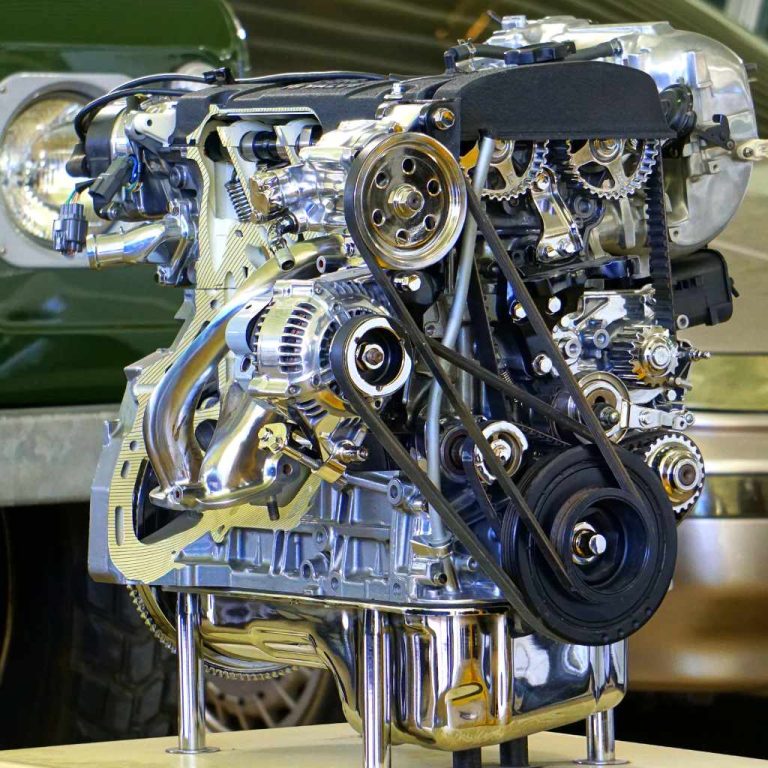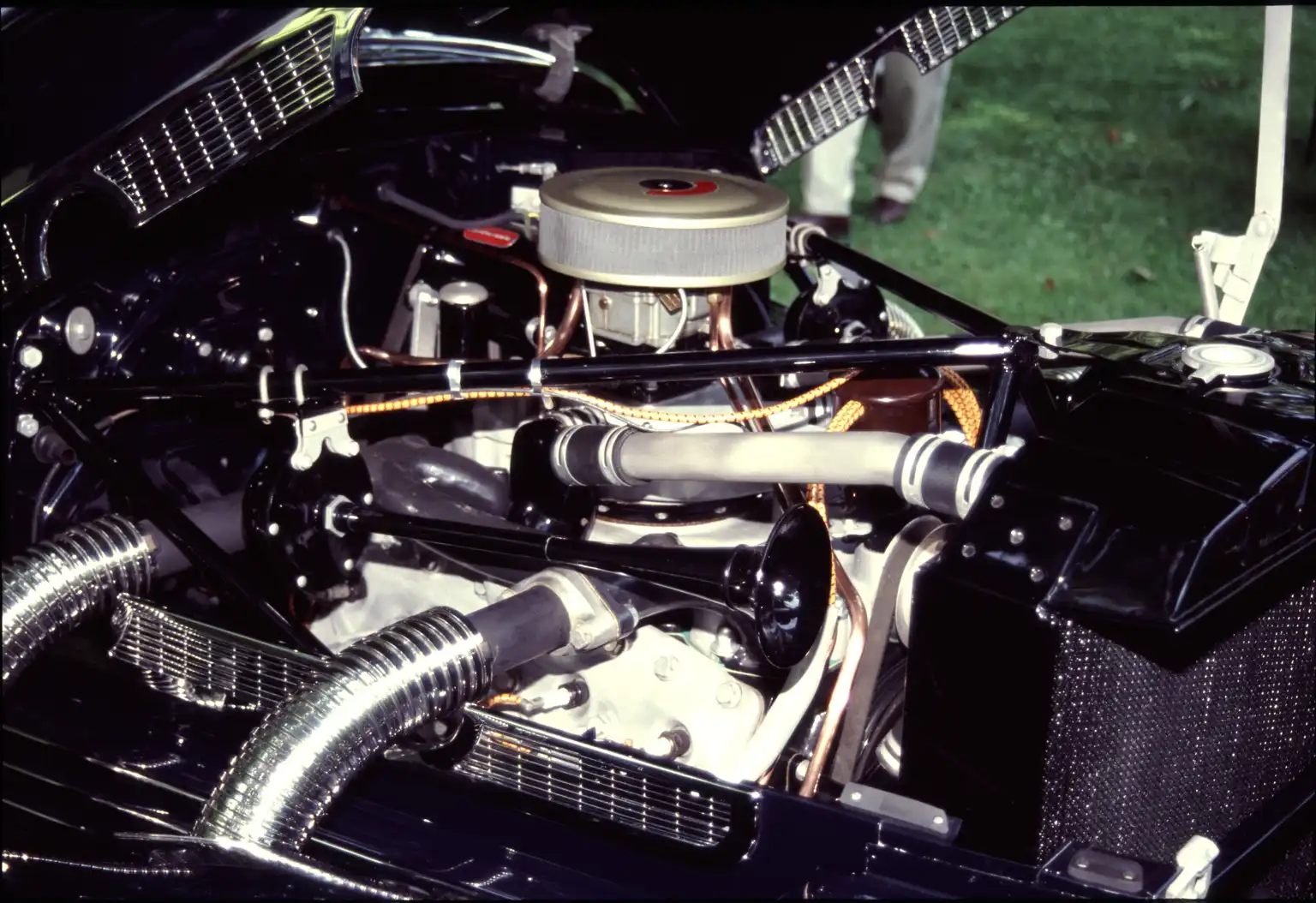
Where to Look for a Block Heater on Common Vehicles
Start at the cord end you can actually reach, usually the grille, bumper, license plate area, battery tray, or oil pan. Follow that lead before you crawl around the whole engine bay. Miss the cord path and you waste time, mix it up with a battery charger, or try to start a cold engine without heat. This guide shows where block heaters hide on trucks, cars, SUVs, tractors, and generators, how to identify the heater type, and where the plug usually ends up.
Where does a block heater usually hide?
A block heater usually mounts on the engine block side, in the cylinder head area, on the oil pan exterior, or in a heater hose or coolant line. Engine layout changes the search area. In my experience, long engines often leave more open space along the sides. Transverse engines can crowd the rear side near the firewall.
The three most common mounting spots
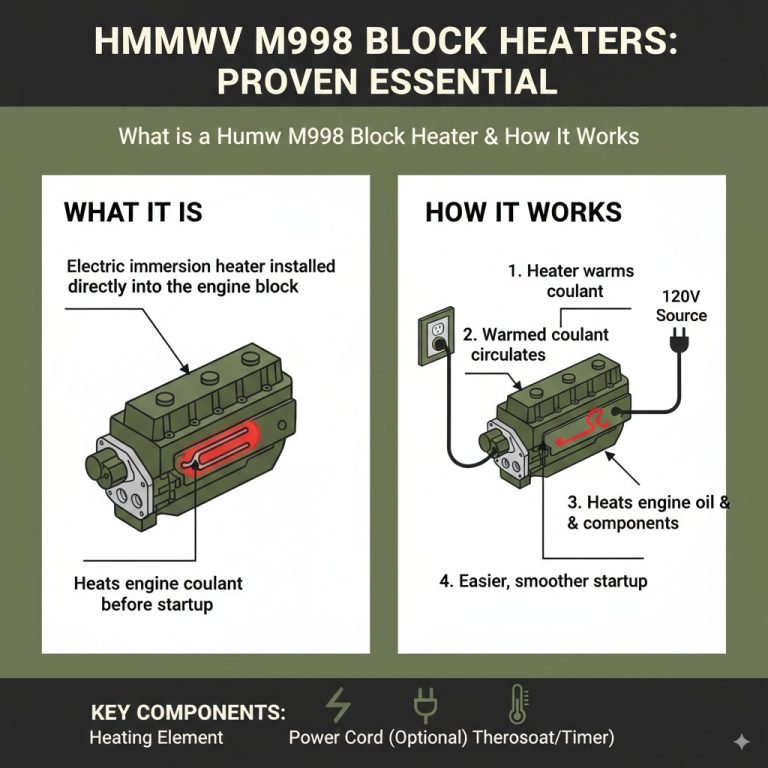
- Freeze-plug block heater: replaces a core plug on the side of the engine block.
- Oil-pan heater: sticks to the outside of the oil pan as a flat pad.
- Coolant or hose heater: sits inline in a heater hose or coolant line, sometimes with a small pump.
What a block heater cord looks like outside the engine bay
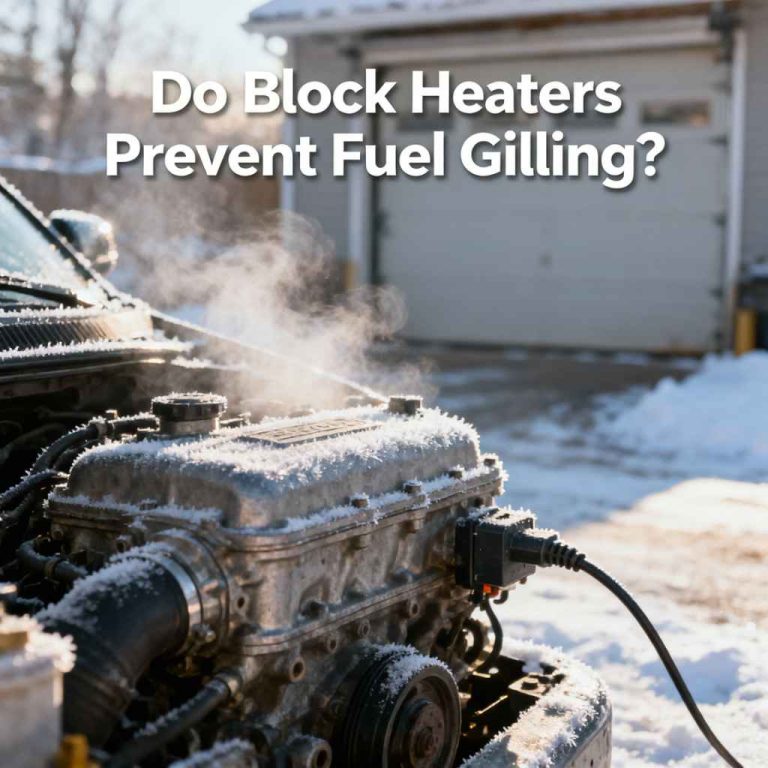
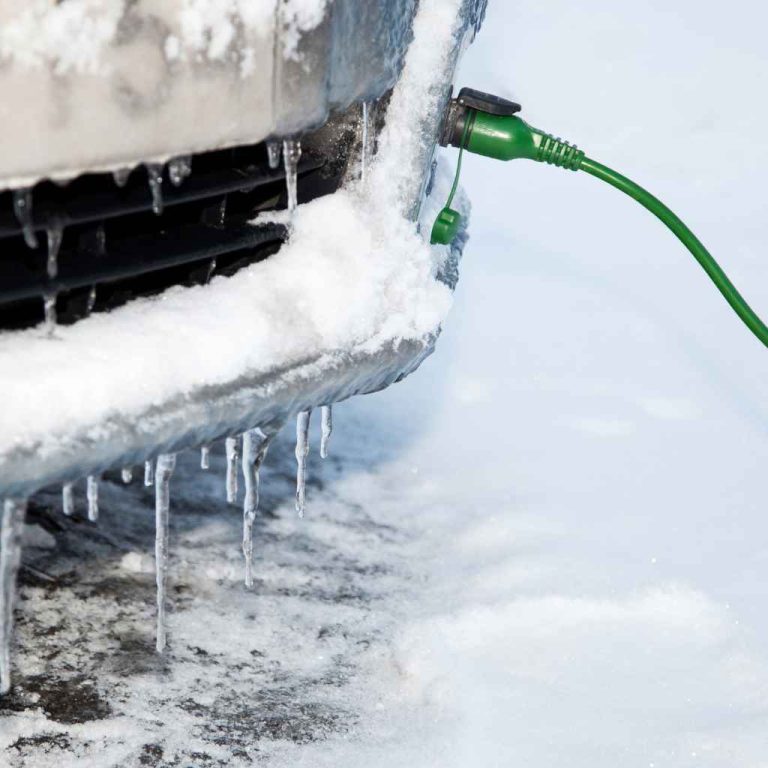
The cord is often a single power lead that runs toward the front grille, bumper, license plate area, or another easy-access point. Some ends are capped when not in use. Others are zip-tied near the radiator support or hidden behind an OEM weather cap.
How do you find it by following the cord?
Follow the cord first. That is faster than checking every surface in the engine bay. Start at the front grille, bumper, and license plate area, then look for a capped plug, a zip-tied lead, or a weather cap. Trace the cord back toward the engine until it points to the heater body.
Start where the cord is easiest to reach
- Check the grille opening and lower bumper edges.
- Look around the license plate bracket and tow-hook area.
- Inspect for a black rubber cap, molded OEM cap, or loose end tied to the support.
- Trace the cord inward to the radiator support, battery tray, or harness clips.
Why cord routing beats blind searching
A hidden freeze-plug heater can sit behind the exhaust, battery, or wheel well. The cord often gives away the path before the heater body is visible. On many diesel trucks, the cord is easier to spot than the heater itself.
What part tells you which heater type you have?
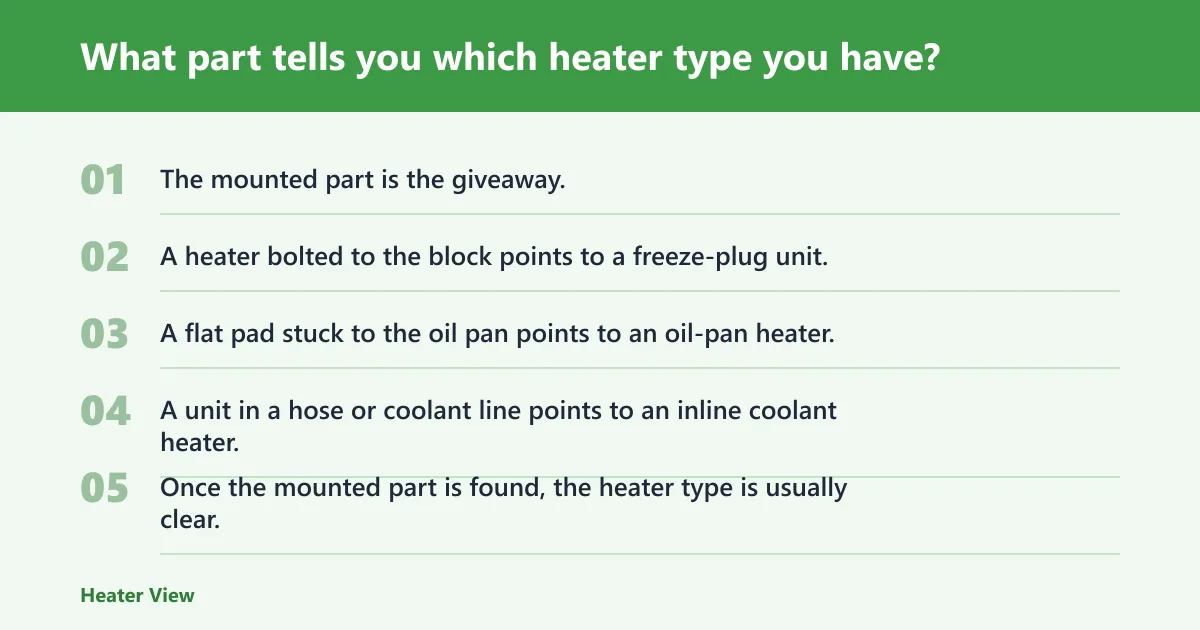
The mounted part is the giveaway. A heater bolted to the block points to a freeze-plug unit. A flat pad stuck to the oil pan points to an oil-pan heater. A unit in a hose or coolant line points to an inline coolant heater. Once the mounted part is found, the heater type is usually clear.
Freeze-plug block heater signs
Look for a round heater body seated where a core plug would normally go. These are common on older North American vehicles. They often sit low on the engine block side and may be hidden behind the exhaust manifold, battery, splash shield, or wheel well liner.
Oil-pan heater signs
An oil-pan heater is often a flat pad bonded to the outside of the pan. It does not go into the block. It warms the oil, not the coolant. That makes it easier to spot underneath the engine than behind it.
Coolant or hose heater signs
An inline coolant heater sits in a heater hose or coolant line. Some have a small pump or a thicker housing than a simple cord end. These are common on certain diesel applications and on systems meant to warm coolant before start-up.
If you found this part, you have this heater type
| What you found | Likely heater type | What it tells you |
|---|---|---|
| Round insert replacing a core plug on the engine block | Freeze-plug block heater | Mounted in the block, usually low on the side |
| Flat pad adhered to the oil pan | Oil-pan heater | Warms oil outside the block, not coolant |
| Inline housing in a heater hose or coolant line | Coolant heater | Warmed coolant flows through the engine |
| Cord leading to a front grille cap | External power lead | May belong to any of the heater types above |
Where should you look on trucks and SUVs?

On trucks and SUVs, start with the cord and then inspect the engine block side near the rear bank on V-engines. Diesel pickups are the most likely to have a factory block heater in cold climates. Gasoline trucks and SUVs may have an aftermarket freeze-plug unit or an oil-pan heater instead.
Diesel pickups and cold-climate factory installs
Diesel engines are more likely to have a factory heater. Many also use a battery warmer or fuel heater. The cord often exits near the grille, bumper, or front tow point. On some trucks, the cord is easier to trace than the heater body itself.
Gasoline trucks and SUVs with aftermarket heaters
Gasoline engines are less likely to have a heater from the factory, but cold-region vehicles may still carry one. Compact engine bays can hide the heater behind mounts, intake parts, or the battery. If no block-mounted unit is visible, check for an oil-pan pad heater underneath.
Rear-bank access on V-engines and hidden cord exits
V-engines can put one bank closer to the firewall. That rear bank can hide a freeze-plug heater behind intake parts or accessories. On these layouts, the cord may exit low at the front corner even when the heater sits at the back of the block.
Where should you look on cars and smaller gasoline engines?
On cars and compact gasoline engines, the heater is often harder to see because the bay is tight. Start near the block side facing the radiator, then check the rear bank if it is a V-engine. If the block is crowded, an oil-pan heater is sometimes more likely than a block-mounted unit.
Transverse engines and tight engine bays
Transverse engines place the crankshaft across the car, which often pushes one side of the engine toward the firewall. That leaves little room to see a freeze plug. Follow the cord to the front and then look down the side of the engine block or under the intake path.
Heaters hidden behind mounts, intake parts, or the battery
Some heaters sit behind engine mounts, intake ducts, or battery trays. That does not mean they are missing. It means the easiest clue is the cord end, not the heater body. A flashlight and a top-down view from the engine bay often help more than looking from below.
How do tractors and generators differ?
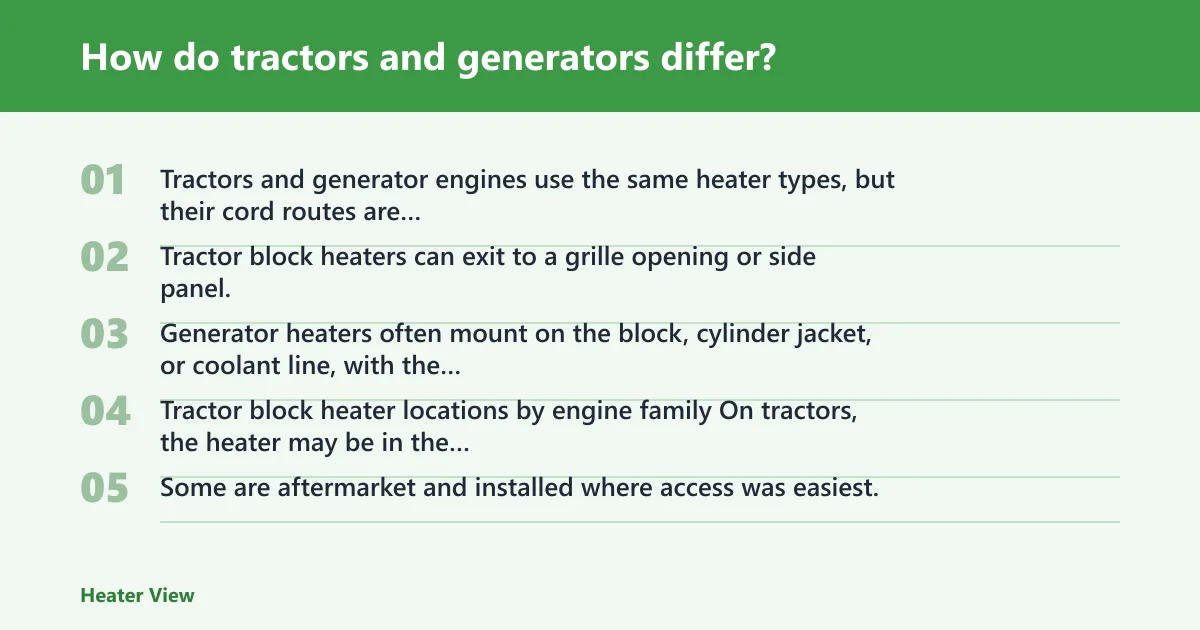
Tractors and generator engines use the same heater types, but their cord routes are different. Tractor block heaters can exit to a grille opening or side panel. Generator heaters often mount on the block, cylinder jacket, or coolant line, with the cord running to a skid frame or control-side panel.
Tractor block heater locations by engine family
On tractors, the heater may be in the block, oil pan, or a hose depending on the engine family. Some are aftermarket and installed where access was easiest. If the machine has a winter-start cord, trace it from the front or side panel before looking under the hood or side covers.
Generator heater locations on skid frames and coolant lines
Standby generators often place the heater on the engine block or coolant circuit, then route the cord to the skid frame or enclosure wall. Look near the cylinder block first, then around coolant lines and hose junctions. The plug end may be tucked beside the control panel rather than out front.
Why the cord may exit from a side panel instead of the grille
Unlike a road vehicle, a tractor or generator may not have a grille opening that suits easy access. The cord can exit through a side panel, service door, or frame opening. That is normal. It does not change the heater type.
Do all common vehicles have a block heater installed?
No. Some vehicles never had one. Others had a factory accessory that was not installed. Many cold-climate vehicles do have a heater, especially diesels, but there is no rule that every truck, car, SUV, tractor, or generator left the factory with one.
What the owner’s manual and build data can confirm
The owner’s manual may show heater location diagrams, engine-code-specific notes, plug-in instructions, or a factory accessory listing. VIN build data or a build sheet can confirm whether a heater was ordered. Engine code matters because the same model can use different heater layouts.
What if you still cannot find the block heater?
If no cord, plug, or heater body appears, check the owner’s manual, VIN build data, and engine code. Look for deleted accessories, removed cords, or signs of an aftermarket install. If the vehicle was sold with a heater, ask the seller, dealer, or fleet records before assuming it is hidden.
A practical no-cord decision tree
- Confirm the engine code and cold-climate package, if any.
- Look for a capped power lead at the grille, bumper, or side panel.
- Inspect the engine block side, oil pan, and coolant hoses.
- Check for removed zip ties, clipped cords, or a blank weather cap.
- Stop and confirm through records if nothing matches.
Frequently asked questions
Where is the block heater on my truck?
On most trucks, start at the cord end and trace it toward the engine. The heater is often on the side of the block, near a freeze plug, or on the oil pan. Diesel trucks in cold regions are most likely to have a factory unit, usually with the cord routed to the grille or bumper.
Where do you plug in a block heater on a diesel car or SUV?
The plug usually ends up near the front of the vehicle, often behind a grille cap, under the bumper, or beside the license plate area. Follow the cord back from that point to confirm the heater type. Diesel cars and SUVs may also have battery or fuel heaters, so do not assume every cord is a block heater.
What does a block heater look like under the hood?
A freeze-plug block heater usually looks like a round insert in the engine block. An oil-pan heater looks like a flat pad on the pan. A coolant heater looks like an inline housing in a hose or coolant line. The shape and mounting point tell the story faster than the cord alone.
Do all common vehicles have a block heater installed?
No. Some vehicles have no heater at all, even in cold climates. Others have an accessory that was never installed or was removed later. The owner’s manual, VIN build data, and engine code can confirm whether a heater was factory-equipped before you spend time searching the bay.
Where do I find the cord end if the heater is hidden?
Start at the front grille, bumper, license plate area, and lower valance. Look for a capped plug, a weather cap, or a cord tied to a support. Then trace the cord inward. That path is often faster than trying to see the heater body first.
How can I tell whether my vehicle has an oil-pan heater, block heater, or coolant heater?
Check what is actually mounted. A unit in the block is a freeze-plug heater. A flat pad on the oil pan is an oil-pan heater. A device in a hose or coolant line is a coolant heater. If you can identify the mount point, you can usually identify the heater type.
What should I do if I can’t find the block heater on my vehicle?
Confirm the owner’s manual, VIN build sheet, and engine code first. Then inspect for a cord at the front and look for signs of removal. If the vehicle came from a fleet or dealer, ask for build records. If nothing matches, assume it may never have had a heater installed.