
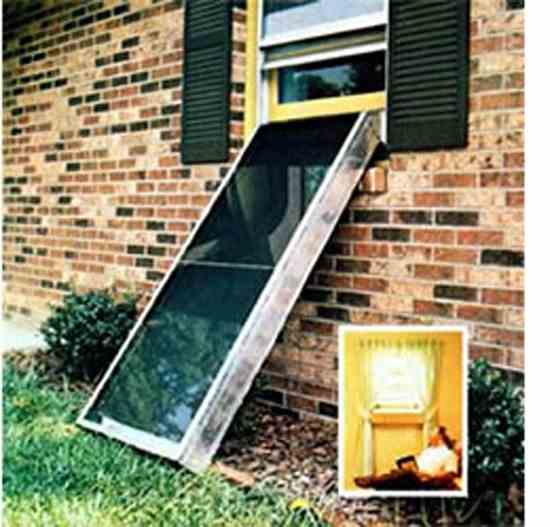
Imagine a cozy room on a chilly day, warmed naturally by the sun’s rays without a hefty energy bill. Sounds appealing, right?
That’s exactly what a DIY solar window heater can offer you. This simple yet effective solution lets you harness the sun’s free energy to heat your home, reducing your reliance on traditional heating methods. Have you ever wondered how you can save money and energy while still keeping your home warm?
A DIY solar window heater might just be the answer you’re looking for. It’s an affordable project that not only helps the environment but also puts more savings back into your pocket. You don’t need to be an expert to build one, and the satisfaction of creating something useful with your own hands is a reward in itself. Curious about how this innovative solution works and how you can create one yourself? Keep reading to discover the step-by-step guide to making your own solar window heater and unlock the secrets to a warmer, eco-friendly home.
Benefits Of Solar Window Heaters
Solar window heaters are a great way to save money. They use the sun’s energy, which is free. No need to pay for extra electricity. Over time, you can save a lot on energy bills. Initial costs may be a bit high, but savings grow every year. Solar heaters need little maintenance. This also saves money.
Solar window heaters are good for the planet. They use clean energy from the sun. This means less pollution. Using them helps reduce carbon footprints. Unlike traditional heaters, they do not burn fossil fuels. This keeps the air cleaner. Solar energy is renewable. It can never run out.
Solar window heaters work well in sunny areas. They convert sunlight into heat efficiently. This means more heat with less effort. They help keep rooms warm without using much power. This efficiency makes them a smart choice. Solar heaters can work with other systems. They help in saving energy overall.

Credit: www.youtube.com
Materials Needed
Cardboard is important for the heater’s frame. Aluminum foil reflects sunlight. Plastic wrap helps trap heat. Tape holds parts together. Black paint absorbs sunlight. Each part plays a key role. Scissors cut cardboard to size. Markers label parts clearly.
Scissors are needed for cutting. Tape secures the frame. Paintbrushes apply black paint smoothly. Markers help with labeling. Ruler measures materials accurately. Glue sticks parts together firmly. Screwdriver tightens any loose parts.
Step-by-step Construction
Clean the window thoroughly. Remove dust and dirt. Measure the window size carefully. This ensures a good fit. Use a ruler or measuring tape. Write down the dimensions. Choose a sunny window. Sunlight is important for heating.
Gather materials for the frame. Wood or metal works well. Cut pieces to match window size. Join pieces together with screws. Ensure frame is sturdy. Check measurements again. The frame must fit the window. Reinforce corners for strength.
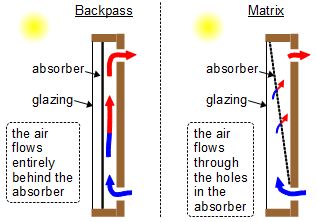
Place solar panels inside the frame. Align panels properly. Connect wires to the panels. Follow instructions carefully. Ensure panels face the sun. Secure them tightly. Test panel connections. Make sure everything works.
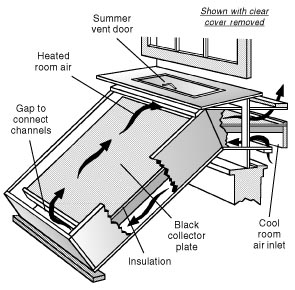
Use sealant around the frame edges. This stops air leaks. Apply insulation inside the frame. Foam or fiberglass works well. Seal all gaps. Keep the heater efficient. Check for any holes or cracks. Fix them promptly.
Credit: rimstar.org
Installation Tips
Solar window heatersneed a sunny spot. Choose a window with the most sunlight. South-facing windows work best. Avoid shady areas or trees. The more sun, the more heat you get. Check the window size too. Bigger windows capture more sunlight. Keep the glass clean for better heat. This helps the sun reach the heater well.
Follow safety steps when installing a solar heater. Use strong materials to keep it in place. A sturdy frame is important. This prevents the heater from falling. Keep flammable items away from the heater. It gets very hot. Always check for loose parts. Tighten them to avoid accidents. A safe installation means a happy, warm home.
Maintenance And Upkeep
Regular checks keep your DIY solar window heater efficient. Clean the glass to remove dust and debris. Inspect seals for leaks to ensure optimal heat retention.
Regular Cleaning
Keep the solar window heater clean for best results. Dust and dirt can block sunlight. Use a soft cloth to wipe the glass. Clean the frame too. Check for cracks or damage. Clean it once a month. This helps the heater work well.
Performance Checks
Check the heater often to ensure it works. Look at the connections. Make sure they are tight. Check if the heater gets warm. If not, there might be a problem. Inspect wires for any damage. Fix any issues you find. This keeps the heater running smoothly.
Maximizing Efficiency
Winter needs more heat. Summer needs less. Adjust your heater angle. This helps capture sunlight. In winter, keep it steep. In summer, make it flat. Use a thermometer. Check the room temperature. Adjust if needed. Experiment with angles. Find what works best. Season changes affect sunlight. Make small changes. Observe the difference.
Add reflective material. It boosts heat absorption. Use aluminum foil. It is cheap. And shiny. Paint the surface black. Black absorbs heat. Check for air leaks. Seal gaps. Use weatherstripping. Improve insulation. Keep heat inside. Use double-glazed windows. They trap more heat. Upgrade the fan. Use a stronger one. It circulates air faster. Consider a thermostat. It controls heat automatically. Saves energy.
Common Challenges
Building a DIY solar window heater often presents challenges. Sourcing affordable materials can be tricky. Ensuring proper insulation is crucial to maximize efficiency. Understanding basic solar principles is essential for effective design.
Troubleshooting Issues
Building a solar window heater can be tricky. Panels may not capture enough sunlight. Sometimes, wires might loosen or disconnect. Fans may not move air properly. Often, dust covers the solar cells. This blocks sunlight. Temperatures may not rise as expected. Air might not circulate well. Some parts may break or wear out.
Solutions For Common Problems
Check all connections. Make sure wires are tight. Clean the panels often. Ensure no dust or leaves. Test the fan. See if it turns smoothly. Replace any broken parts. Inspect the heater every week. Adjust the angle. Aim for more sunlight. Use a strong frame. This helps the heater stand firm.
Credit: www.homeconstructionimprovement.com
Real-life Examples
Many people have built their own solar window heaters. They share their stories online. One family used recycled soda cans. They painted them black for maximum heat absorption. The heater provided warmth during cold winter days. Another person used an old glass door. This made their heater more efficient.
Some projects faced challenges. Rainwater sometimes leaked into the heater. Strong sealing materials helped solve this problem. Another issue was overheating. Adding ventilationholes prevented this. People learned to place the heater on sunny windows. This improved performance. Many shared their designs with others. Their experiences helped new builders.
Frequently Asked Questions
Do Solar Air Heaters Really Work?
Yes, solar air heaters work effectively. They convert sunlight into heat, warming indoor spaces efficiently. They reduce energy bills and carbon footprint. Solar air heaters are cost-effective and environmentally friendly, providing renewable energy solutions. Installation is straightforward, making them a practical choice for sustainable heating.
What Is A Disadvantage Of A Solar Heater?
A disadvantage of a solar heater is its dependency on sunlight, which can lead to inconsistent heating on cloudy days. Installation costs can also be high, making initial investment expensive. Maintenance and space requirements for solar panels might not suit every household.
Do Solar Heaters Work In Winter?
Yes, solar heaters work in winter. They use sunlight, which is available even during colder months. Efficiency may decrease due to shorter daylight hours, but they still provide adequate heating. Proper installation and maintenance enhance performance in winter conditions. Solar heaters remain an eco-friendly heating option year-round.
How Does A Soda Can Solar Heater Work?
A soda can solar heater uses painted cans to absorb sunlight. Air flows through the cans, heating up as it passes. The heated air then circulates into a room, increasing the indoor temperature. This method is eco-friendly and cost-effective, utilizing recycled materials and solar energy.
Conclusion
Building a DIY solar window heater is simple and cost-effective. It offers a sustainable way to warm your home. The materials needed are easy to find. You save money and energy. This project empowers you to harness solar energy. Plus, it’s an environmentally friendly choice.
No complex skills required. Anyone can do it with basic tools. Start your green journey today. Enjoy a warm home with less impact on the planet. Your efforts make a difference. Every small step counts. Try it and feel proud.
Warmth and sustainability, combined.