How Are Air Activated Heaters Different?
Air-activated heaters, often used in flameless meal systems, generate heat through a chemical reaction between iron powder and oxygen. Unlike flameless ration heaters which use a wick and fuel, air-activated versions require no ignition source, making them incredibly safe and portable for various heating needs.
Understanding Air Activated Heaters: Your Essential Guide
Feeling a chill and wondering about the best way to warm up? In the world of portable heaters, there are many options, and it’s easy to feel a little lost. You might have heard of different types, and perhaps “air activated heaters” have come up in your search. Don’t worry! I’m Tanim, your friendly guide to all things home heating. My goal is to make understanding and using heaters simple and stress-free. We’ll break down exactly what makes air-activated heaters unique, why they are so useful, and how they stand apart from other heating methods. Get ready to feel confident about choosing and using the right heating solution for you. Let’s dive in and make staying warm easy!
One of the most common questions I get is about the different technologies behind portable heating. It can seem complicated, but it’s all about understanding a few key differences. Today, we’re focusing on a fascinating type: the air-activated heater. You might recognize this technology from camping trips or emergency kits, where a reliable way to heat food or equipment without a flame is essential. We’ll explore what makes them tick and why they are a fantastic choice for many situations.
What Exactly is an Air Activated Heater?
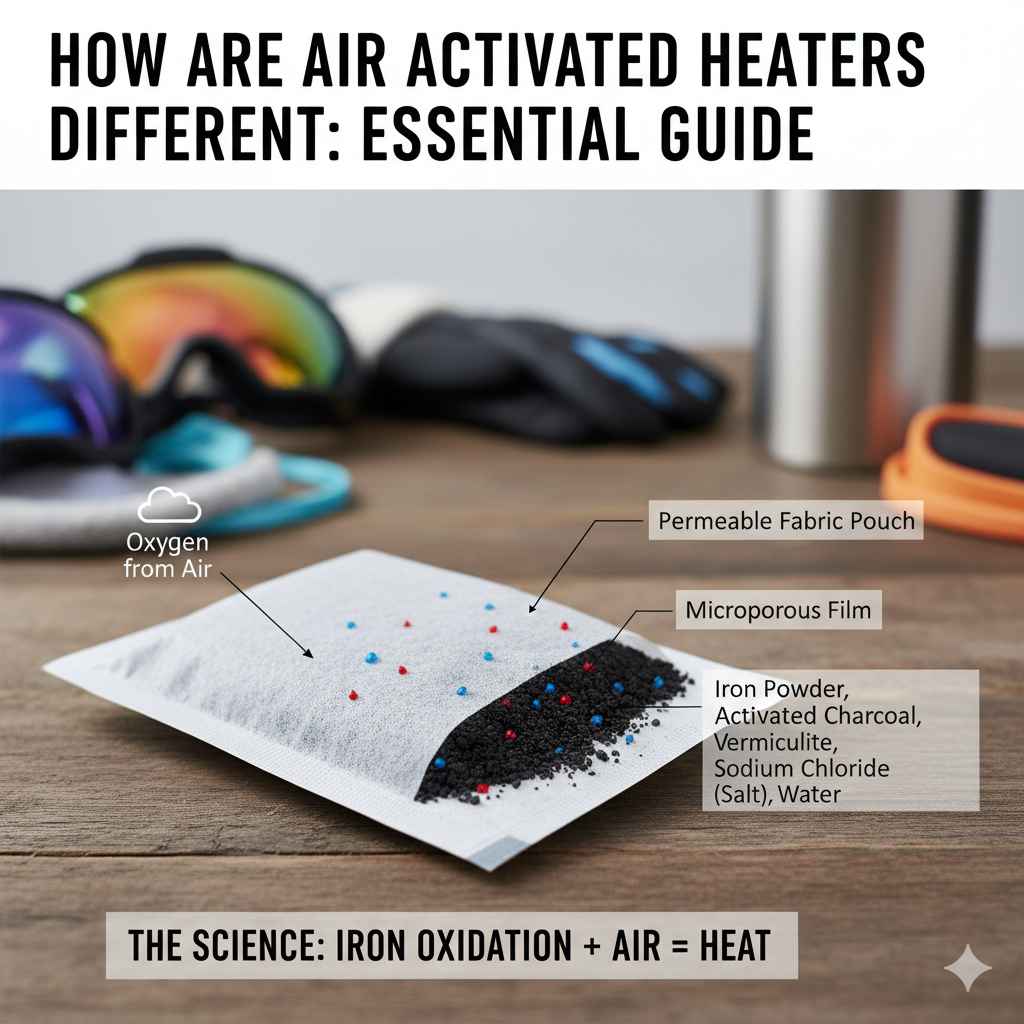
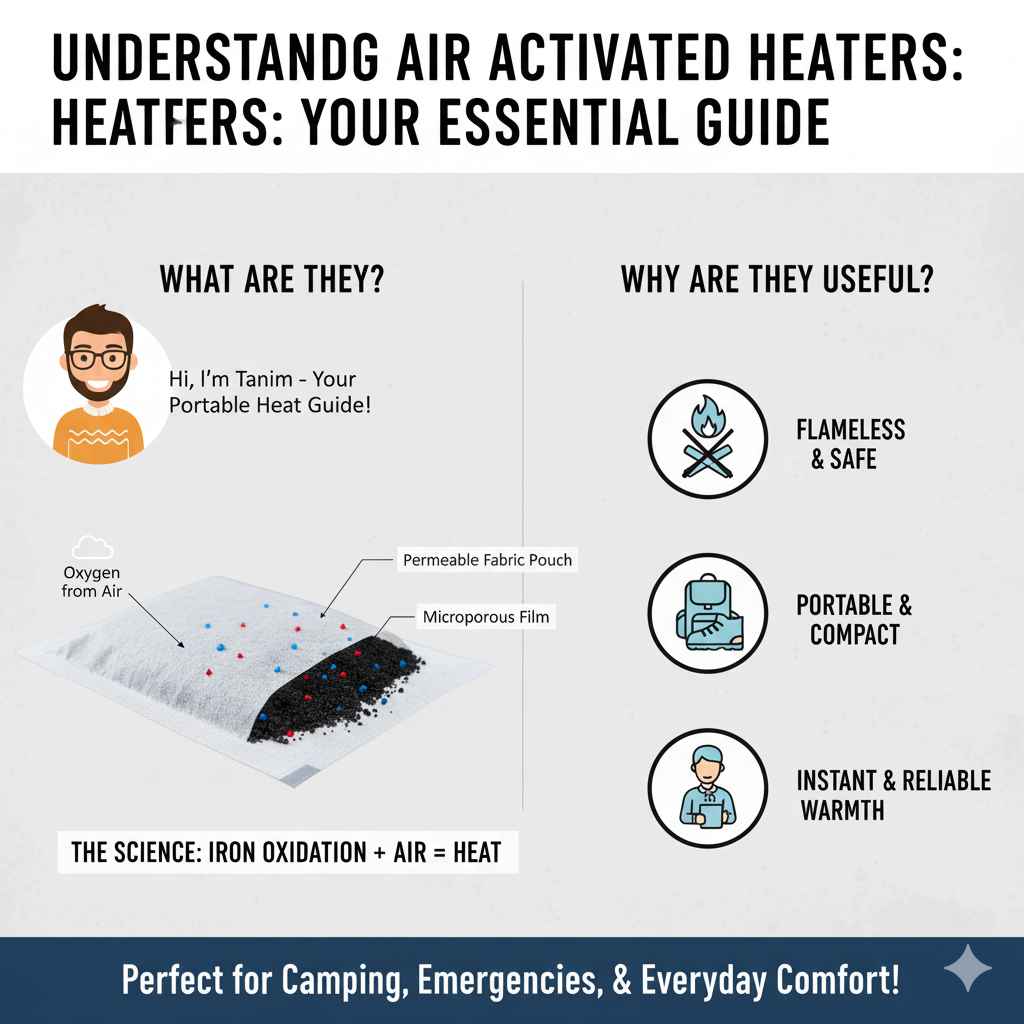
At its heart, an air-activated heater is a device that uses a simple chemical process to create heat. It relies on a reaction between iron powder, salt, water, and activated carbon. When you expose this mixture to oxygen in the air, a process called oxidation begins. This oxidation releases heat, warming whatever is placed around it. Think of it like a controlled, slow-burn chemical reaction that produces warmth for an extended period. This is why they are often called ” flameless heaters” because they don’t require any initial flame or spark to start producing heat.
The beauty of this system is its simplicity and safety. There are no open flames, no fuel to ignite, and no complex electronics to malfunction. This makes them incredibly convenient for situations where traditional heating methods might be impractical or unsafe. They are designed to be used in enclosed spaces, like inside a car, tent, or even a backpack. The components are typically sealed until you’re ready to use them, ensuring they are ready when you need them most.
How the Magic Happens: The Science Behind the Warmth
Let’s take a closer look at the chemical reaction that powers these heaters. The key ingredient is finely ground iron powder. When this iron powder is mixed with other components like salt and activated carbon, and then exposed to the air, a process called oxidation occurs. Salt acts as a catalyst, speeding up the reaction, and activated carbon helps to distribute the heat evenly and efficiently. Water is also crucial, as it’s the medium that allows the reaction to take place.
Here’s a simplified breakdown:
- Iron Powder: The core component that oxidizes (rusts).
- Salt: Acts as a catalyst to speed up the oxidation process.
- Activated Carbon: Helps to absorb moisture and distribute heat.
- Water: Essential for initiating and sustaining the chemical reaction.
When you activate the heater (usually by breaking an outer seal or adding a small amount of water), oxygen from the air begins to react with the iron. This exothermic reaction releases thermal energy, directly translating to heat. The process continues as long as oxygen is available and the reactants are present. This is a brilliant example of applied chemistry making our lives more comfortable and safe.
Air Activated Heaters vs. Flameless Ration Heaters (FRH)
This is where many people get a little confused, and it’s a great question to ask! Air-activated heaters and flameless ration heaters (FRHs) are often mentioned in the same breath, and they do serve similar purposes, particularly in heating food packets. However, there’s a fundamental difference in how they operate.
Flameless Ration Heaters (FRHs): These are what you’ll typically find in military MREs (Meals Ready-to-Eat). An FRH works by adding water to a pouch containing magnesium and iron powder. The magnesium reacts with water to produce hydrogen gas, which then ignites when it comes into contact with the air and an oxidizing agent (often iron oxide). This creates a flameless heat source. While it doesn’t produce an open flame, it does involve a chemical reaction that produces high temperatures and hot steam. You need to add water to start it, and it’s designed for single-use heating of food pouches.
Air Activated Heaters: These, on the other hand, don’t require the addition of water. Their heating process is initiated simply by exposure to oxygen in the air. This often involves breaking an outer seal to allow air to reach a reactive chemical mixture inside a sealed packet. This reaction generates heat steadily over a period, warming the items it’s placed around. Because they don’t require water and their activation is passive (just exposing to air), they are often considered even simpler and more versatile for various applications beyond just heating food.
Here’s a simple comparison table:
| Feature | Air Activated Heater | Flameless Ration Heater (FRH) |
|---|---|---|
| Activation Method | Exposure to oxygen (breaking outer seal) | Addition of water |
| Primary Reaction | Oxidation of iron powder | Magnesium’s reaction with water produces hydrogen, which ignites |
| Ignition Source Needed? | No (passive, air-driven) | No open flame, but a chemical ignition process occurs. Historically, some older models might have had a small igniter strip. |
| Water Required? | No | Yes |
| Typical Components | Iron powder, salt, activated carbon, cellulose | Magnesium, iron powder, oxidizing agent |
| Common Use | Hand warmers, foot warmers, food warmers, situational heating | Heating military MREs (Meals Ready-to-Eat) |
| Reusability | Generally single-use | Single-use |
Where Do You See Air Activated Heaters in Action?
The unique properties of air-activated heaters make them incredibly versatile. You’ll find them used in a surprising number of everyday and specialized applications. Their safety, portability, and ease of use are key selling points.
Personal Comfort: Hand and Foot Warmers
Perhaps the most common type of air-activated heater that most people encounter are the small packets designed to keep hands and feet warm. These are incredibly popular for outdoor activities like skiing, camping, hunting, or even just attending an outdoor event in cold weather. Simply open the package, expose the pad to air, and slip it into your gloves or boots for hours of comforting warmth. They’re a simple, effective way to combat the misery of cold extremities.
Emergency Preparedness: Staying Warm When It Matters
For anyone building an emergency preparedness kit, air-activated heaters are a must-have. In situations where power is out, or you need to evacuate quickly, having a reliable, non-flammable heat source is critical. These heaters can help prevent hypothermia, warm up essential supplies, or provide comfort in a survival scenario. Their long shelf life and ability to activate simply by opening them make them ideal for stashing away for emergencies. The U.S. government even recommends having non-electric heating devices during power outages. You can learn more about general emergency preparedness from FEMA’s ready.gov website.
Outdoor Adventures and Camping
For campers and hikers, especially those venturing into colder climates, air-activated heaters offer a convenient way to heat food or simply stay warm. Unlike portable stoves that require fuel and can be tricky to use in windy conditions, these heat sources are straightforward. They’re lightweight, compact, and require no special setup. Imagine being able to heat up a meal or a warm drink during a cold night in your tent without worrying about flames or fuel.
Specialized Applications
Beyond personal comfort and emergencies, air-activated heaters have specialized uses. They can be used to keep sensitive equipment warm in cold environments, to help batteries maintain their optimal temperature, or even in certain industrial applications where a small, portable heat source is needed quickly and safely. The flexibility of their design means they can be adapted for many niche heating requirements.
How to Use an Air Activated Heater: A Simple Step-by-Step Guide
Using an air-activated heater is wonderfully straightforward. There’s no complex setup or dangerous ignition process involved. This makes them incredibly accessible, even for those who are new to using supplemental heating devices. Here’s what you need to do:
- Purchase Your Heater: Select the type of air-activated heater that suits your needs (e.g., hand warmer, foot warmer, food warmer). Ensure the packaging is intact and not damaged.
- Read the Instructions: While generally simple, always take a moment to read any specific instructions on the packaging. This might include recommended usage times or specific placement advice.
- Open the Outer Package: Carefully tear open the outer sealed plastic bag. You might hear a slight hiss as air is allowed to enter. This is normal.
- Expose to Air: Remove the heating pad or element from the inner packaging. The chemical mixture inside is now exposed to the ambient air.
- Activate the Heat: For hand or foot warmers, you might need to gently shake or move the pad to help the activation process begin. For food warmers, place your food item directly on or around the heating element as instructed.
- Place It Correctly:
- For hand/foot warmers: Place them in pockets, gloves, mittens, or directly into shoes (ensure the pad itself doesn’t get too hot against bare skin or sensitive materials).
- For food warmers: Follow the specific instructions for your model, which usually involves placing the food package onto or beside the heater.
- Wait for Heat: The heater will begin to warm up gradually. It can take anywhere from a few minutes to 15-20 minutes to reach its optimal temperature, depending on the product.
- Enjoy the Warmth: The heater will continue to produce heat for a specified duration, typically several hours.
- Dispose Properly: Once the heater has cooled down completely and is no longer producing heat, dispose of it in your regular household trash. The contents are generally non-toxic, but it’s always a good idea to check the product’s specific disposal recommendations.
It’s that simple! The reliance on air for activation makes them incredibly user-friendly. For more detailed information on emergency preparedness and safe heating practices, resources like the National Fire Protection Association (NFPA) offer excellent safety guidelines for heating.
Pros and Cons of Air Activated Heaters
Like any product, air-activated heaters have their advantages and disadvantages. Understanding these will help you decide if they are the right solution for your needs.
Advantages (Pros)
- Safe: They don’t produce an open flame, significantly reducing fire risks. This makes them safe for use in enclosed spaces like tents or vehicles.
- Easy to Use: Activation is as simple as exposing them to air. No matches, lighters, or complex procedures are needed.
- Portable and Lightweight: They are compact and don’t add much weight to your gear, making them ideal for travel, camping, and emergencies.
- Long Shelf Life: Most are designed to remain effective for several years if stored properly in their original packaging.
- No Fuel Required: You don’t need to carry flammable fuel or worry about refills.
- Consistent Heat: They provide a steady, moderate heat output over a sustained period.
- Environmentally Friendly (relative): The primary components are often iron, salt, and carbon, which are less hazardous than some fuel-based heating methods.
Disadvantages (Cons)
- Single-Use: Most air-activated heaters are designed for one-time use and then must be discarded.
- Slower to Heat Up Initially: Compared to a direct flame, they can take longer to reach full operational temperature.
- Heat Output is Limited: They are designed for personal comfort or warming small items, not for heating entire rooms or large spaces.
- Can Overheat if Not Used Properly: While not a fire hazard, using them directly against skin for extended periods without protection could cause low-temperature burns. Always follow directions!
- Waste Generation: Since they are typically single-use, they contribute to waste.
- Performance Can Vary: Extreme cold temperatures can sometimes slow down the chemical reaction, reducing their effectiveness or lengthening the activation time.
It’s important to weigh these points based on your specific situation and intended use. For personal warmth on a cold day or a quick meal reheat, they often shine.
Choosing the Right Air Activated Heater for Your Needs
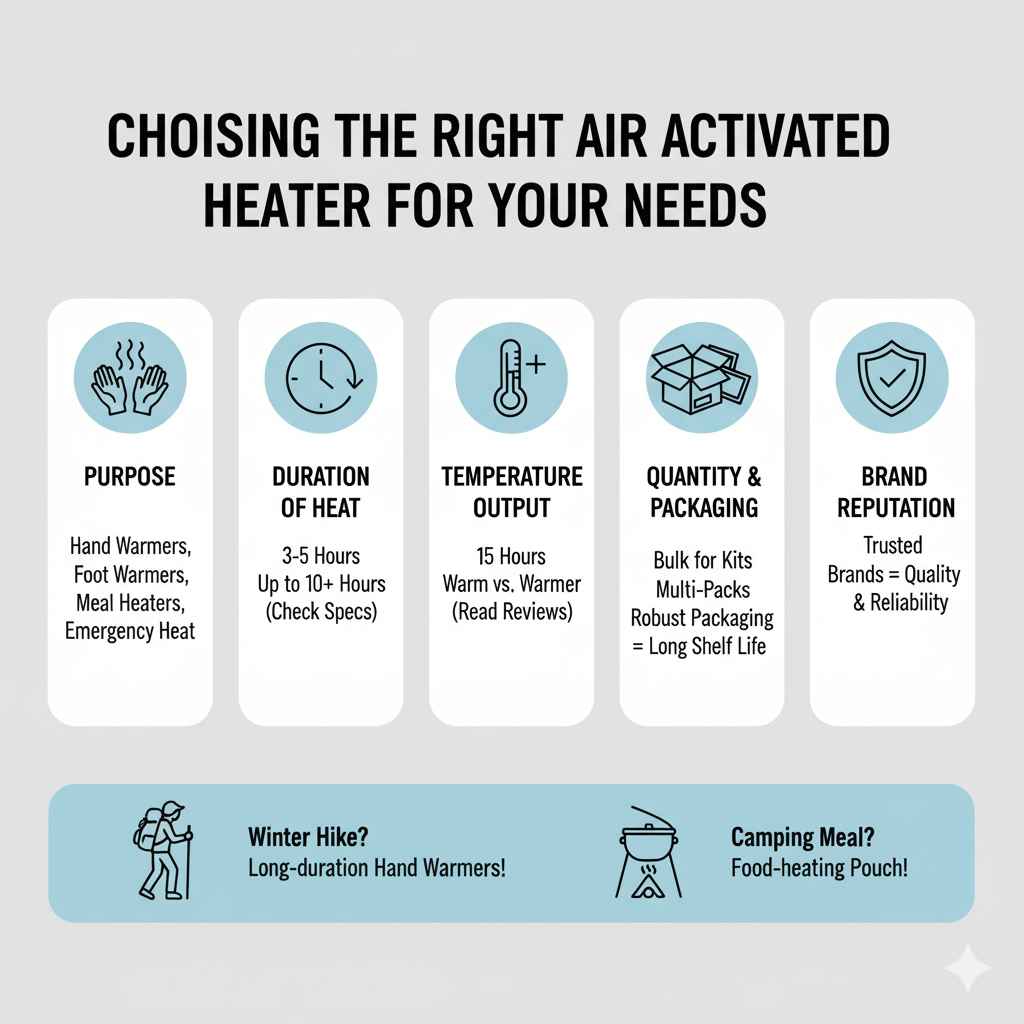
With a better understanding of how air-activated heaters work, you can now make a more informed choice. When selecting one, consider these factors:
- Purpose: Are you looking for hand warmers, foot warmers, a way to heat a meal, or a general emergency heat source? Different products are optimized for different uses.
- Duration of Heat: Check the product specifications for how long the heater is designed to provide warmth. Some last for 3-5 hours, while others can go up to 10 hours or more.
- Temperature Output: While they don’t get dangerously hot, some might produce slightly more warmth than others. Reviews can be helpful here.
- Quantity and Packaging: For emergency kits, consider buying in bulk. For personal use, individual or multi-packs might be more convenient. Check that the packaging is robust to maintain shelf life.
- Brand Reputation: Stick to reputable brands known for quality and reliability.
For example, if you’re planning a winter hike, you’ll want a hand warmer with a long duration. If it’s for a camping trip and you want to enjoy a hot meal, you’ll need a food-heating pouch that’s designed to accommodate your meal size.
Frequently Asked Questions (FAQ) About Air Activated Heaters
Q1: Are air activated heaters safe to use indoors?
Yes, air activated heaters are generally safe for indoor use because they do not produce open flames or toxic fumes. They rely on a controlled oxidation process. However, always ensure good ventilation and follow the specific product’s instructions to avoid prolonged contact with skin that could lead to low-temperature burns.
Q2: How long does an air activated heater typically last?
The duration varies by product. Most hand and foot warmers provide heat for 3 to 10 hours. Food warming pouches usually last about 30-60 minutes for effective heating. Always check the product packaging for specific time estimates.
Q3: Can I reactivate an air activated heater?
No, air activated heaters are designed for single use. Once the chemical reaction has occurred and the heat has dissipated, they cannot be reactivated. They are intended to be disposed of after use.
Q4: What should I do if I accidentally ingest the contents of an air activated heater?
While the contents are generally non-toxic, they are not meant for consumption. If ingested, rinse your mouth with water and drink plenty of water. Do not induce vomiting. If you experience any discomfort or have concerns, consult a medical professional or contact a poison control center immediately. The National Capital Poison Center is a good resource.
Q5: Do air activated heaters work better in cold weather?
Cold weather can sometimes slow down the chemical reaction, meaning it might take longer for the heater to warm up and it might not reach its peak temperature as quickly. However, they are still effective. In fact, their primary purpose is often to provide warmth in cold conditions.
Q6: Are there reusable air activated heaters?
The most common type of air activated heater is single-use. However, some reusable heat packs exist that use a different mechanism, such as a bendable disk that, when snapped, starts a crystallization process releasing heat. These are typically heated in boiling water to reset. True air-activated, chemical reaction types are almost always disposable.
Conclusion
Navigating the world of heating solutions doesn’t have to be complicated. Air-activated heaters stand out as a remarkably simple, safe, ingenious technology for portable warmth.