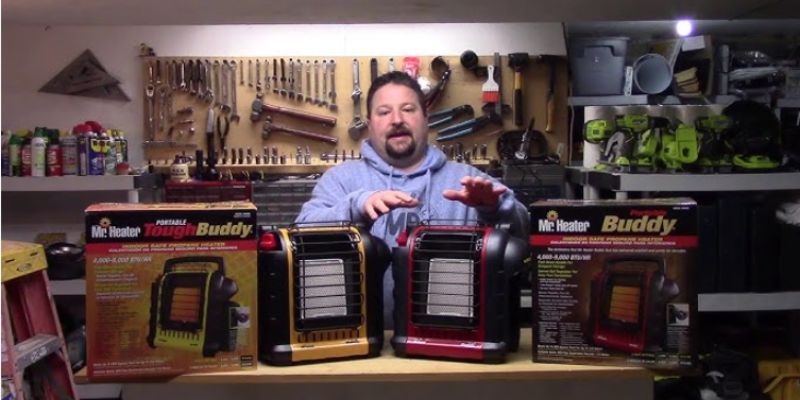
Mr. Heater Portable Buddy vs Big Buddy: Which Is Right for You?
I’ll never forget my first chilly camping trip in Colorado. The night was freezing, and my sleeping bag wasn’t enough. I borrowed a friend’s Mr. Heater Portable Buddy, and it saved the night! That tiny heater warmed my tent in minutes. But later, I tried the Big Buddy in a larger cabin, and it was a game-changer. Choosing between the Mr. Heater Portable Buddy vs Big Buddy can be tricky. This article compares these popular propane heaters, sharing simple tips, safety advice, and personal insights to help you pick the perfect one for camping, emergencies, or heating small spaces.
What Are the Mr. Heater Portable Buddy and Big Buddy?
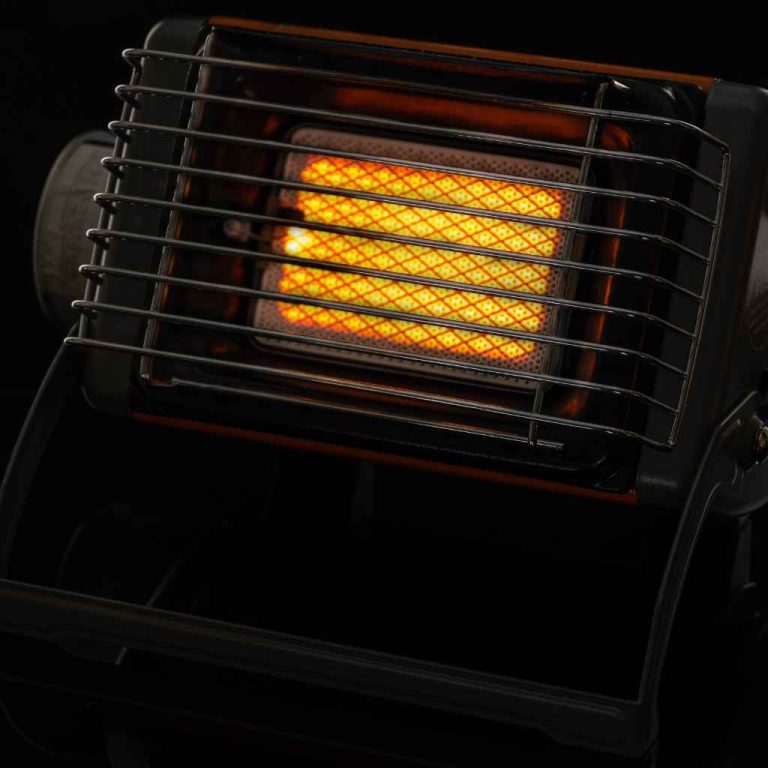
These are portable propane heaters from Mr. Heater, designed to keep you warm in tents, garages, or during power outages. They’re safe for indoor use with proper ventilation and have safety features like tip-over shutoffs.
Portable Buddy: Small but Mighty
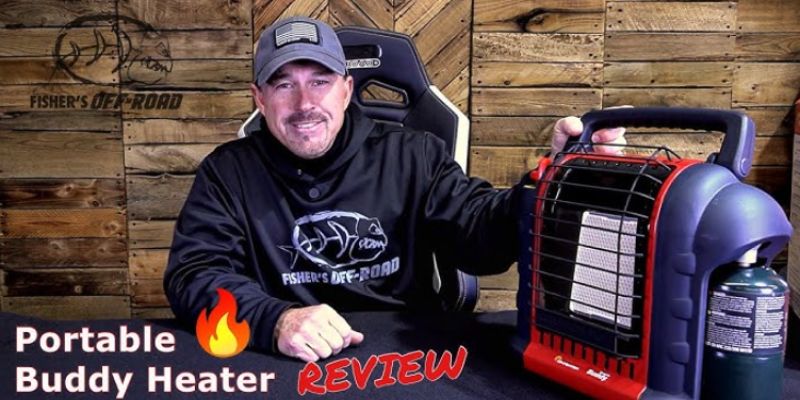
The Portable Buddy is compact, heating up to 225 square feet with 4000-9000 BTUs. It’s perfect for small spaces like tents or ice shanties.
Big Buddy: Power for Bigger Spaces
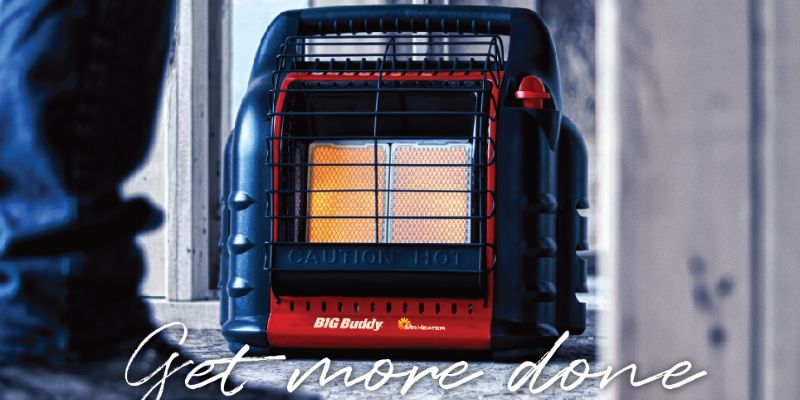
The Big Buddy heats up to 450 square feet with 4000-18000 BTUs. It’s ideal for larger areas like cabins or garages.
Comparing Features: Portable Buddy vs Big Buddy
Let’s break down the key differences to help you choose.
| Feature | Portable Buddy | Big Buddy |
|---|---|---|
| BTU Output | 4000-9000 | 4000-18000 |
| Heating Area | Up to 225 sq ft | Up to 450 sq ft |
| Weight | 10.6 lbs | 17.1 lbs |
| Propane Cylinders | One 1-lb or 20-lb tank | Two 1-lb or 20-lb tank |
| Runtime (1-lb tank) | 3-6 hours | 1.5-6 hours |
| Price | ~$80-$100 | ~$120-$150 |
| Table 1: Comparison of Portable Buddy and Big Buddy features. |
Key Differences
- Size and Portability: The Portable Buddy is lighter and easier to carry. The Big Buddy is bulkier but still portable.
- Power: The Big Buddy has twice the BTU output, heating larger spaces faster.
- Fuel Options: Both use 1-lb propane tanks, but with a hose, they connect to 20-lb tanks for longer runtime.
Step-by-Step Guide to Setting Up Your Heater
Setting up these heaters is easy, but safety comes first. Here’s how to do it:
- Choose a Safe Spot: Place the heater on a flat surface, away from flammable items.
- Connect Propane: Screw a 1-lb propane tank or a 20-lb tank with a hose and filter.
- Check for Leaks: Use soapy water on connections to spot bubbles (leaks).
- Light the Heater: Turn the knob to “Pilot,” hold it, and press the igniter.
- Adjust Heat: Set to low or high based on your needs.
- Ventilate: Keep a window or vent slightly open to avoid carbon monoxide buildup.
Safety Tip: Always use a carbon monoxide detector with any propane heater.
Benefits and Drawbacks
Both heaters are great, but they have pros and cons.
Portable Buddy
- Benefits: Lightweight, affordable, great for small tents or blinds.
- Drawbacks: Limited heating area, burns through 1-lb tanks quickly (3-6 hours).
Big Buddy
- Benefits: Heats larger spaces, longer runtime with two 1-lb tanks or a 20-lb tank.
- Drawbacks: Heavier, more expensive, may be too hot for small spaces.
Alternative Options
Not sure if these heaters are right for you? Consider these:
- Mr. Heater Little Buddy: For tiny spaces (95 sq ft), with 3800 BTUs.
- Camco Olympian Wave 3: A catalytic heater with lower BTUs (1600-3000) but longer-lasting fuel.
- Electric Space Heater: If you have power, it’s safer but less portable.
My Personal Tips for Using Mr. Heater
From my camping trips, here are some easy tips:
- Use a 20-lb Tank: It saves money over 1-lb canisters. Get a 6-ft hose with a gauge to monitor fuel.
- Add a Stove Fan: Place a non-electric stove fan on top to spread heat better.
- Store Safely: Keep the heater in a bag to protect it from dust and bugs.
Visual Idea: A diagram showing safe heater placement in a tent (30” above, 24” in front, 6” on sides).
Cost-Saving Ideas
- Refill 1-lb Tanks: Use a refill adapter to fill 1-lb tanks from a 20-lb tank.
- Run on Low: Use the low setting to extend propane life.
- Buy in Bulk: Purchase propane tanks at discount stores for savings.
| Cost Factor | Portable Buddy | Big Buddy |
|---|---|---|
| Heater Price | $80-$100 | $120-$150 |
| 1-lb Propane (per tank) | $3-$5 | $3-$5 |
| 20-lb Tank (full) | $30-$40 | $30-$40 |
| Hose Adapter | $15-$25 | $15-$25 |
| Table 2: Cost comparison for heaters and propane. |
Common Mistakes to Avoid
- No Ventilation: Always crack a window to let fresh air in.
- Wrong Tank Setup: Use a filter with 20-lb tanks to prevent clogs.
- Ignoring Altitude: Above 7000 ft, the oxygen sensor may shut off the heater.
Why I Love These Heaters
The Portable Buddy is my go-to for solo camping. It’s small enough to toss in my backpack. The Big Buddy shines for group trips or my garage workshop. Both are reliable, but pick based on your space and needs.
Visual Idea: A chart comparing BTU output and heating area for both heaters.
Conclusion
Choosing between the Mr. Heater Portable Buddy vs Big Buddy depends on your needs. The Portable Buddy is great for small spaces like tents, while the Big Buddy heats larger areas like cabins. Both are safe, portable, and easy to use. Try one on your next camping trip to stay cozy! Share your favorite camping warmth story in the comments!
Frequently Asked Questions
Which Heater Is Better for a Small Tent?
The Portable Buddy is perfect for small tents (up to 225 sq ft). Its 4000-9000 BTUs warm up quickly without overheating. Use a 1-lb tank for short trips or a 20-lb tank for longer stays. Always ventilate and use a CO detector.
Can I Use These Heaters Indoors?
Yes, both are indoor-safe with safety features like oxygen depletion sensors. Keep a window slightly open for ventilation. Check local regulations, as some areas restrict indoor propane heaters.
How Long Does a Propane Tank Last?
A 1-lb tank lasts 3-6 hours on the Portable Buddy and 1.5-6 hours on the Big Buddy, depending on the setting. A 20-lb tank can last up to 110 hours on low with the Portable Buddy.
Which Heater Is More Cost-Effective?
The Portable Buddy is cheaper upfront ($80-$100) and uses less propane on low settings. The Big Buddy ($120-$150) is better for larger spaces, saving fuel in the long run. Use a 20-lb tank to cut costs.
Can I Use These Heaters at High Altitudes?
Above 7000 ft, the oxygen sensor may shut off the heater due to low oxygen levels. This can be an issue in high-altitude areas like Colorado mountains. Check the manual for details.
Are There Safety Risks with These Heaters?
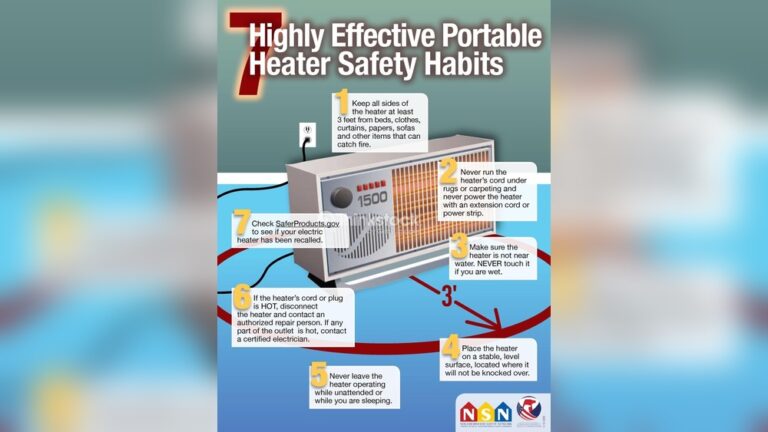
Both have tip-over and low-oxygen shutoffs. To stay safe, use a CO detector, keep flammable items away, and ventilate the space. Never leave the heater on while sleeping.
Can I Cook with These Heaters?
You can use a cooking grate on either heater to warm food, but it’s not their main purpose. Be cautious, keep the area clear, and ensure good ventilation to avoid risks.