Propane Heater vs Kerosene Heater: Which Is Better?
For most homeowners, propane is the better backup-heating choice because cylinders store easily, light fast, and are simpler to keep ready during outages; choose kerosene only if you can store fuel safely and keep fresh supply on hand. Bad storage or weak ventilation can leave you with a heater that will not start, smells bad, or creates a carbon monoxide risk. This article compares propane and kerosene on storage, ignition, ventilation, runtime, cost, and safety for outages, garages, and drafty rooms.
| Factor | Propane heater | kerosene heater | Winner |
|---|---|---|---|
| Heat per gallon | About 91,333 BTU per gallon of propane fuel | About 135,000 BTU per gallon of kerosene | kerosene heater |
| Indoor odor | Cleaner burn with less odor during normal use | Noticeable odor, especially at startup and shutdown | Propane heater |
| Maintenance | Usually no wick cleaning | Wick cleaning and eventual wick replacement | Propane heater |
| Storage readiness | Cylinders can store for decades with occasional maintenance | Fuel can degrade in storage and may need additives | Propane heater |
| Indoor setup | Needs manual-specified ventilation and a working CO alarm | Needs manual-specified ventilation and a working CO alarm | tie |
What the comparison table means
The table favors propane for readiness and day-to-day living, while kerosene wins on fuel energy per gallon. That split matters most when you are planning for an outage, not buying fuel in the abstract.
Heat output does not tell you everything. Room size, heater output, insulation, drafts, and ventilation losses all change what reaches the room, so BTU is only a starting point. For a small occupied room, propane is usually the better first pick because it is easier to keep ready and usually smells less.
Heat output is not the same as room heat
BTU is a fuel-energy metric, not a promise of delivered room heat. Kerosene contains about 135,000 BTU per gallon, while propane contains about 91,333 BTU per gallon, but a heater still has to burn that fuel efficiently and push heat into the room.
That is why two heaters with similar fuel types can perform very differently. A heater that is too small for a drafty space will feel weak no matter what fuel it uses.
Odor and upkeep tilt toward propane
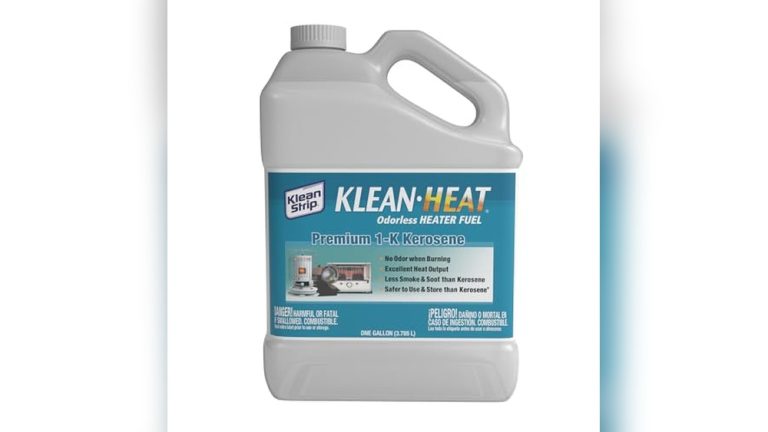
Propane burns cleaner with less odor during normal use, which matters in bedrooms, living rooms, and other occupied spaces. Kerosene has noticeable odor, especially at startup and shutdown, and that smell is often what people notice first in a power cut.
Propane heaters also usually do not require wick cleaning. Kerosene heaters do, and the wick eventually needs replacement.
Storage and readiness favor propane
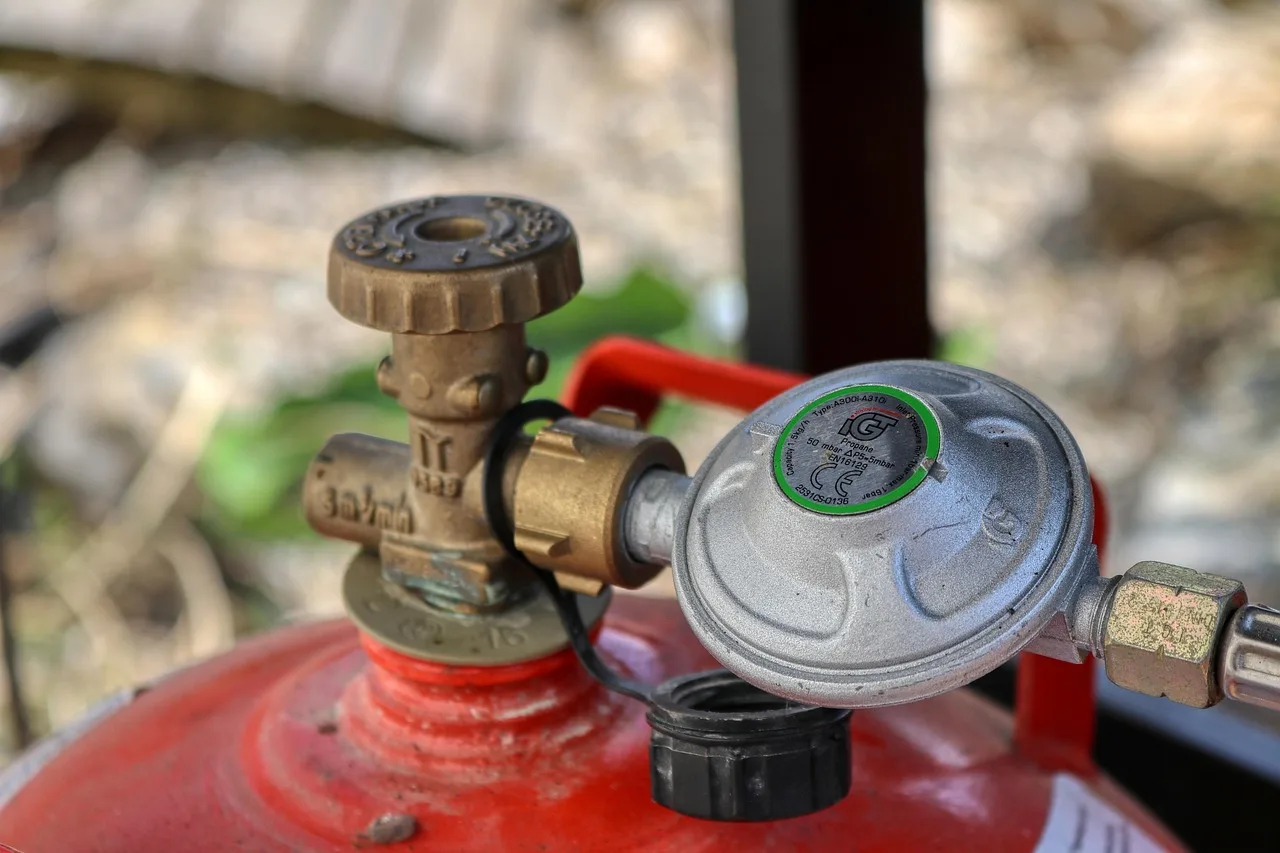
Propane cylinders are easier to stage before storm season. They can store for decades with occasional maintenance, so a full cylinder is a practical readiness tool if you keep it in the right place and follow storage rules.
Kerosene is less forgiving. Fuel quality affects startup and clean operation, and it may need additives for long-term storage.
📊 Modern propane furnaces can achieve efficiency ratings of up to 98%. Source: Thisoldhouse.
Which heater fits which room?
Propane is usually the better first pick for a small occupied room because it is easier to keep ready, tends to smell less, and does not add wick maintenance. Kerosene becomes more appealing when the room is larger or more drafty and you can manage fuel storage, odor, and wick care.
Small room use
For a bedroom, office, or small den, propane is usually the cleaner choice. The lower odor profile matters more in tight spaces, and you are less likely to want the extra maintenance of a wick heater for short outage use.
Drafty room use
In a drafty living room or basement, the heater has to overcome air leaks as well as the cold. Kerosene often earns a look here because it is commonly used where stronger heat is useful, but the model’s output still has to match the space.
Garage use
For a garage, the better pick depends on how you use the space. If you need a heater that stays ready for occasional power loss and you want simpler upkeep, propane is easier to stage; if the garage is large, drafty, and well managed for fuel storage, kerosene may fit better.
Multi-day outage planning
For outages that may last several days, readiness matters as much as heat. Propane has the edge if you already have full cylinders, because the fuel is easier to store and verify before a storm.
Suppose a homeowner is preparing about a 220-square-foot room before an ice storm. A propane heater may be the more practical choice if the cylinder is full and ventilation is simple to arrange; a kerosene heater only makes sense if the fuel is fresh, the wick is clean, and the owner is ready for odor at startup.
How do propane and kerosene compare on heat and cost?
Kerosene has the higher fuel energy per gallon, and that is why it often looks stronger on paper. Real running cost depends on local fuel price, heater efficiency, how long you run it, and how often you need refills or exchanges.
BTU and delivered heat
Kerosene contains about 135,000 BTU per gallon, while propane contains about 91,333 BTU per gallon. That gap helps explain why kerosene can support larger spaces, but BTU alone does not guarantee more warmth in the room.
Delivered heat depends on heater design, ventilation, and losses to the outside. A well-matched propane heater can outperform a poor kerosene setup in a small or medium room.
Fuel cost per BTU
Kerosene often costs less per BTU than propane, but that only helps if the fuel is easy to buy when you need it. Local prices and local availability can reverse the practical picture, especially during a storm or extended outage.
For many households, the real cost question is not just price per gallon. It is also whether you can keep enough fuel on hand without waste, stale storage, or last-minute trips.
What changes runtime and refill frequency
Runtime changes with heater setting, room load, and how much heat the space loses. A heater in a leaky basement burns through fuel faster than the same model in a closed, insulated room.
Propane cylinders also change the picture because storage is usually tied to tank size and exchange or refill access. Kerosene requires fuel storage discipline, and the fuel should be kept fresh enough to start cleanly.
How safe are propane and kerosene heaters indoors?
Indoor safety depends more on the heater and setup than on the fuel label alone. Both fuels need ventilation and a working carbon monoxide alarm, and both should be used only with a heater approved for indoor use and set up exactly as the manual requires.
Indoor-rated heater rules
Do not assume that a portable heater is safe indoors just because it burns propane or kerosene. The heater must be designed and labeled for indoor use, and the manual’s clearances, setup steps, and fuel instructions matter as much as the fuel itself.
That is the main safety split: fuel choice is one issue, heater approval and operation are another. Mixing those up is how people end up with a heater that runs poorly or creates danger.
Ventilation requirements
Ventilation needs vary by heater, so the manual should be the final word. The common rule is simple: enough fresh air must enter the space for safe combustion and indoor air quality, and the heater must not be run in a sealed room.
If the room feels stuffy, the heater smells stronger than expected, or windows fog up, ventilation may be too weak. Shut it down and correct the setup before using it again.
Carbon monoxide alarm basics
A working carbon monoxide alarm is the safety baseline for either fuel. Place it where the manufacturer directs, check its power source before outage season, and replace it on schedule.
A battery-backed alarm is especially important during outages. If the alarm chirps, fails its test, or is past its service life, do not rely on it.
Odor, soot, and indoor air quality
Propane usually has the cleaner indoor profile, while kerosene needs more tolerance for startup and shutdown odor. Fuel quality and heater condition matter, and poor ventilation can make either fuel smell worse than expected.
Propane odor profile
Propane burns cleaner with less odor during normal use. That makes it easier to live with in a bedroom or common room, especially if the heater is used for several hours at a time.
Less odor does not mean no ventilation. You still need the airflow and carbon monoxide protection the manual calls for.
Kerosene startup and shutdown odor
Kerosene has noticeable odor, especially at startup and shutdown. That smell is normal enough that some users accept it as part of the trade-off for stronger heat and long shelf use.
A common first-timer mistake is lighting a kerosene heater in a closed room and assuming the smell will fade on its own. If the odor is strong, the setup deserves a ventilation check and a fuel-quality check.
Soot and fuel quality
Soot is often a sign that combustion is not clean. On kerosene heaters, dirty fuel, a neglected wick, or poor airflow can make the problem worse.
Propane is generally cleaner in normal use, but that is not a pass for bad setup. A heater that is overdue for service or under-ventilated can still create indoor-air problems.
Which heater is easier to maintain, propane or kerosene?
Propane is easier for most homeowners to maintain because there is no wick to clean. Kerosene has more parts to keep in shape, and that extra attention shows up before and during outage season.
Propane heater upkeep
Propane heaters usually have simpler upkeep. For backup heat, that means fewer fuel-related chores and less time spent on maintenance between outages.
That simplicity matters if the heater sits unused for months and then needs to start quickly during bad weather. Fewer wear points usually means fewer readiness surprises.
Kerosene wick cleaning and replacement
Kerosene heaters need wick cleaning and eventual wick replacement. If the wick is dirty or worn, startup gets harder, odor can increase, and heat output can suffer.
Plan on inspecting the wick before outage season, not after the lights go out. If the heater has been stored with poor fuel or has sat idle too long, the wick may need attention before use.
Storage and shelf life
Propane tanks can store for decades with occasional maintenance, which makes them attractive for long gaps between outages. Kerosene may need fuel additives for long-term storage, and stale fuel can create startup problems when you most want the heater to work.
That difference is not trivial in a storm season. Readiness is easier when the fuel stays usable without extra work.
Backup heat decision matrix
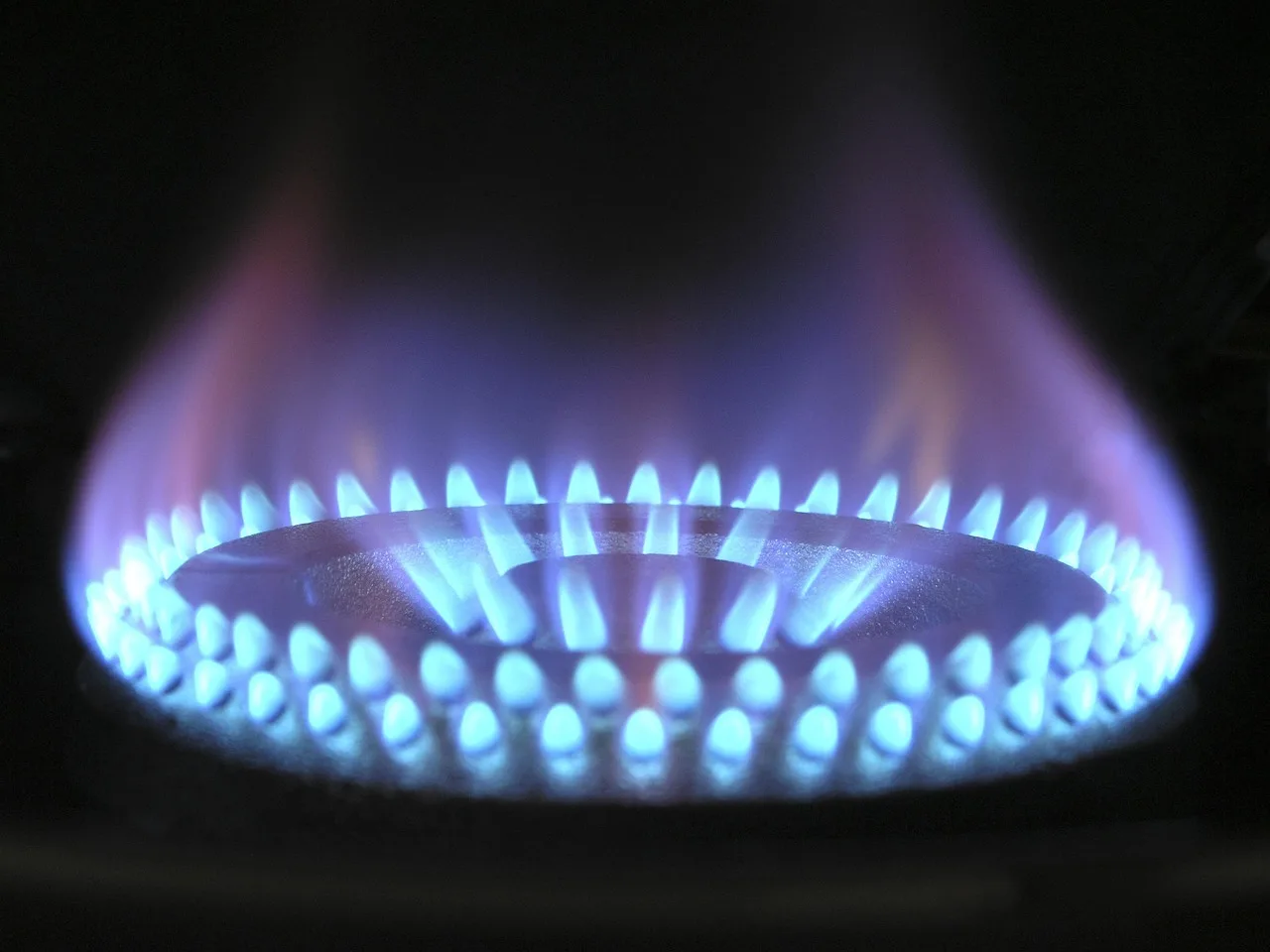
The right choice changes with the outage scenario. Use this matrix as a practical filter, not a rule that overrides the heater manual, local codes, or room ventilation limits.
| Scenario | Propane heater | kerosene heater | Best pick |
|---|---|---|---|
| Small room | Cleaner odor, simpler readiness, easier to live with | Can work, but odor and wick care are less forgiving | Propane heater |
| Drafty room | Works if output matches the room and fuel is ready | Often better when stronger heat is needed and fuel is fresh | kerosene heater |
| Garage | Good for occasional backup use and simpler storage | Good if the space is large and you can manage fuel quality | tie |
| Multi-day outage | Better if cylinders are full and stored correctly | Better only if fresh fuel is already on hand | Propane heater |
Small room scenario
In a small room, propane is the safer practical bet because it is easier to store, light, and keep from smelling up the space. If the room is occupied for long stretches, lower odor and simpler upkeep matter more than raw fuel energy.
Drafty room scenario
In a drafty room, kerosene often has the edge if the heater is sized correctly and the fuel is fresh. The extra fuel energy can help, but only if the heater is meant for the room and ventilation is still within the manual’s limits.
Garage scenario
For a garage, the choice depends on how often the heater sits idle and how much trouble you want to take with maintenance. Propane is easier to keep ready; kerosene can be useful when the space is bigger and the owner accepts wick care and odor.
Multi-day outage scenario
For a long outage, propane wins for most homeowners because a full cylinder is simple to verify before a storm. Kerosene only wins if the fuel is stored well, the heater is maintained, and you have enough clean supply to last.
Choose Propane heater if… / Choose kerosene heater if…
Choose Propane heater if you want the easier backup plan, especially for a small or medium room, occasional outages, or any setup where odor and maintenance matter. Choose kerosene heater if you need stronger heat in a larger or draftier space and you are ready to manage fresh fuel, wick care, and startup smell.
Choose Propane heater if…
- You want simpler storage and faster outage readiness.
- You prefer less odor during normal indoor use.
- You want to avoid wick cleaning and wick replacement.
- You already have full cylinders or easy refill access.
Choose kerosene heater if…
- You need more heat potential for a larger or drafty room.
- You can keep fuel fresh and store it properly.
- You are willing to clean the wick and replace it when needed.
- You can tolerate startup and shutdown odor.
When neither is a good fit
If you cannot provide ventilation, do not have a working carbon monoxide alarm, or cannot store fuel safely, neither heater is a good choice. In that case, the better answer is to fix the readiness plan first, then buy the heater.
Frequently asked questions
Which is safer indoors: propane or kerosene heater?
Neither fuel is automatically safe indoors. Safety depends on whether the heater is indoor-rated, whether you follow the manual’s ventilation requirements, and whether a working carbon monoxide alarm is in place. Propane is often the safer pick for most indoor portable heaters, but setup still decides the outcome.
Does a propane heater or kerosene heater put out more heat?
Kerosene contains about 135,000 BTU per gallon, while propane contains about 91,333 BTU per gallon, so kerosene has the higher fuel energy. That does not guarantee more room heat, because heater design, efficiency, and room losses all affect what you actually feel.
Which fuel costs less to run for backup heat: propane or kerosene?
Kerosene often costs less per BTU, but real running cost depends on local price, heater efficiency, runtime, and refill frequency. If kerosene is hard to source quickly in your area, propane can be the better backup choice even when the per-BTU math looks less favorable.
Can I use a propane or kerosene heater during a power outage?
Yes, if the heater is rated for indoor use and you can meet the manual’s ventilation and safety requirements. A power outage does not remove the need for fresh air or a working carbon monoxide alarm, and it does not make an outdoor-only heater safe indoors.
Which stores better long term, propane or kerosene?
Propane stores better for long-term readiness because cylinders can last for decades with occasional maintenance. Kerosene can degrade in storage and may need additives for long-term keeping, so it demands more attention if you want it ready when a storm hits.