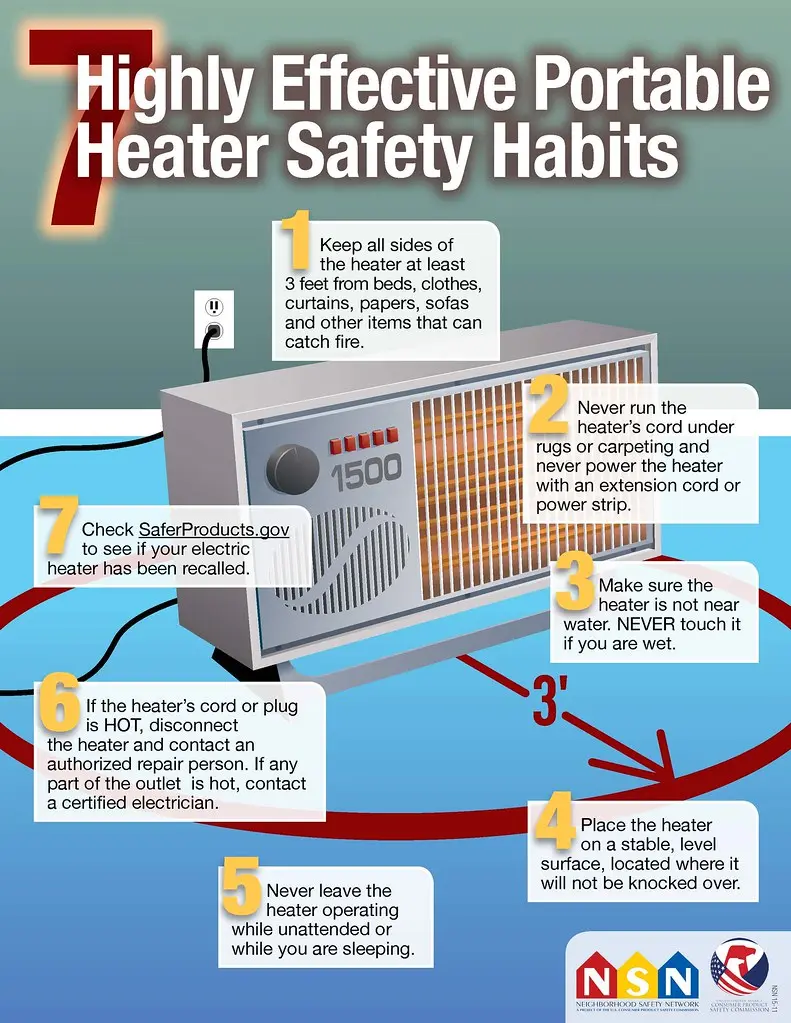
Construction heater vs garage heater: Which fits best?
Use a construction heater on open, drafty, or shifting jobsites with heavy airflow. Use a garage heater in enclosed spaces that stay more stable. Pick wrong, and you waste fuel, trip breakers, or push dangerous exhaust where people work. I compare heat source, ventilation, mobility, power, and setup here so you can match the heater to the space and the task.
Construction heater vs garage heater: what actually changes?
The split is simpler than the product labels suggest. Construction heaters are built for temporary heat in drafty, open, or partially enclosed spaces, while garage heaters are built for more stable indoor use where the heater can stay mounted and the space can be controlled. That difference changes fuel choice, venting, and where the unit can safely run.
If heat has to follow the job, the heater needs to handle movement, dust, tank swaps, and uneven airflow. If it will sit above a garage bay for months or years, mounting, clearance, thermostat control, and the building’s electrical or gas service matter more than portability.
| Decision factor | Construction heater | garage heater: Which is right for the job | Winner |
|---|---|---|---|
| Best use case | Temporary jobsites, open bays, winter work, drying, curing | Steady garage or shop heat in a more enclosed space | Depends on the space |
| Mobility | Usually portable with hose-and-tank or roll-around setup | Usually fixed install, often ceiling-mounted | Construction heater |
| Ventilation burden | Higher for propane and kerosene models | Lower with electric, managed with vented gas models | garage heater: Which is right for the job |
| Fuel flexibility | Strong on propane and kerosene, sometimes diesel | Strong on natural gas or electric if the building supports it | Depends on supply |
| Setup complexity | Lower day-to-day setup, but fuel handling and ventilation matter | Higher upfront install for gas; easier daily use after that | Construction heater for temporary use, garage heater for permanent use |
| Indoor air quality risk | Higher when combustion heat is used in tight spaces | Lower when electric or properly vented gas is used | garage heater: Which is right for the job |
Best-fit use case
Construction heaters win when the space changes from day to day. I’ve seen framing crews, concrete crews, and service contractors move heat, fuel, and hose runs to fit the work, not the room. Garage heaters win when the space stays fixed and people expect regular, controlled comfort.
Mobility and setup
Propane forced-air and kerosene construction heaters are built around portable fuel delivery and fast deployment. That helps on jobsites, but it also means hose routing, tank location, fuel smell, and refill logistics are part of the decision. A garage heater is usually less convenient to move, but far easier to live with once mounted.
Ventilation and air quality
Ventilation is where the label matters less than the combustion process. Burning propane, natural gas, or kerosene puts exhaust and moisture into the space unless the unit is direct vented outside. In a garage with regular occupancy, that often decides the buy.
According to The Mr. Heater Garage Heater Allows You to Use Your Workshop All Year Long — The heater is a 50,000-BTU natural gas unit.
Which heater is safer for a garage with limited ventilation?
An electric garage heater is usually the safer default when ventilation is limited, because it does not create combustion exhaust in the room. If a gas unit is the only practical choice, it should be direct vented outside and installed to code. Ventless combustion heat is a poor fit for tight indoor spaces where people stay for long periods.
Why combustion heaters are a bad fit for tight enclosed spaces
Propane and kerosene heaters can raise temperatures quickly, but they also bring fumes, moisture, and oxygen use. In a tight garage, those byproducts matter more than the warm-up speed. If the door stays shut, the air quality problem arrives before comfort does.
When electric heat is the safer default
Electric garage heaters work best when the space is enclosed, insulated, and powered well enough to support the load. Fan-forced units move warm air faster; infrared units can make occupied zones feel warmer without heating every cubic foot first. The tradeoff is peak output, which is usually lower than fuel-fired units.
Direct vent, ventless, and why the distinction matters
Direct vent units send combustion gases outside and pull combustion air from outdoors or a separated path. Ventless units do not. That changes whether the heater belongs in a garage, a shop, or a jobsite bay, because indoor combustion byproducts are not a side issue when doors stay down and people are working nearby.

How many BTUs do you need for a garage or jobsite?
BTU rating tells you heat output, but it only makes sense after you account for insulation, air leakage, and space volume. A heater around 50,000 BTUs can be enough for one garage and not enough for another. For larger spaces, practical choices often move into a roughly 50,000-plus BTU range, sometimes up toward the higher end depending on the space.
BTU rating and what it tells you
BTU is the output number buyers look at first because it predicts how hard the heater can push heat into the space. A natural gas garage heater like the Big Maxx is a 50,000-BTU natural gas unit, and it is designed for 1,250- to 1,667-square-foot spaces. Mr. Heater also offers 80,000 BTU and 125,000 BTU models.
How insulation level changes the size you need
Insulated garages need less output than uninsulated ones because the heater is fighting less heat loss through the walls, ceiling, and door. A partially sealed garage sits between those two. That is why the same BTU number can feel oversized in one bay and undersized in another.
Why 50,000 BTUs may work in one space and fail in another
In a sealed, insulated two-car garage, 50,000 BTUs can be enough for steady winter work. In a drafty, uninsulated three-car garage with a leaky door, the same output may never recover after the door opens. Heat loss sets the real requirement, not the label on the box.
Can I use propane, natural gas, kerosene, or electric in my space?
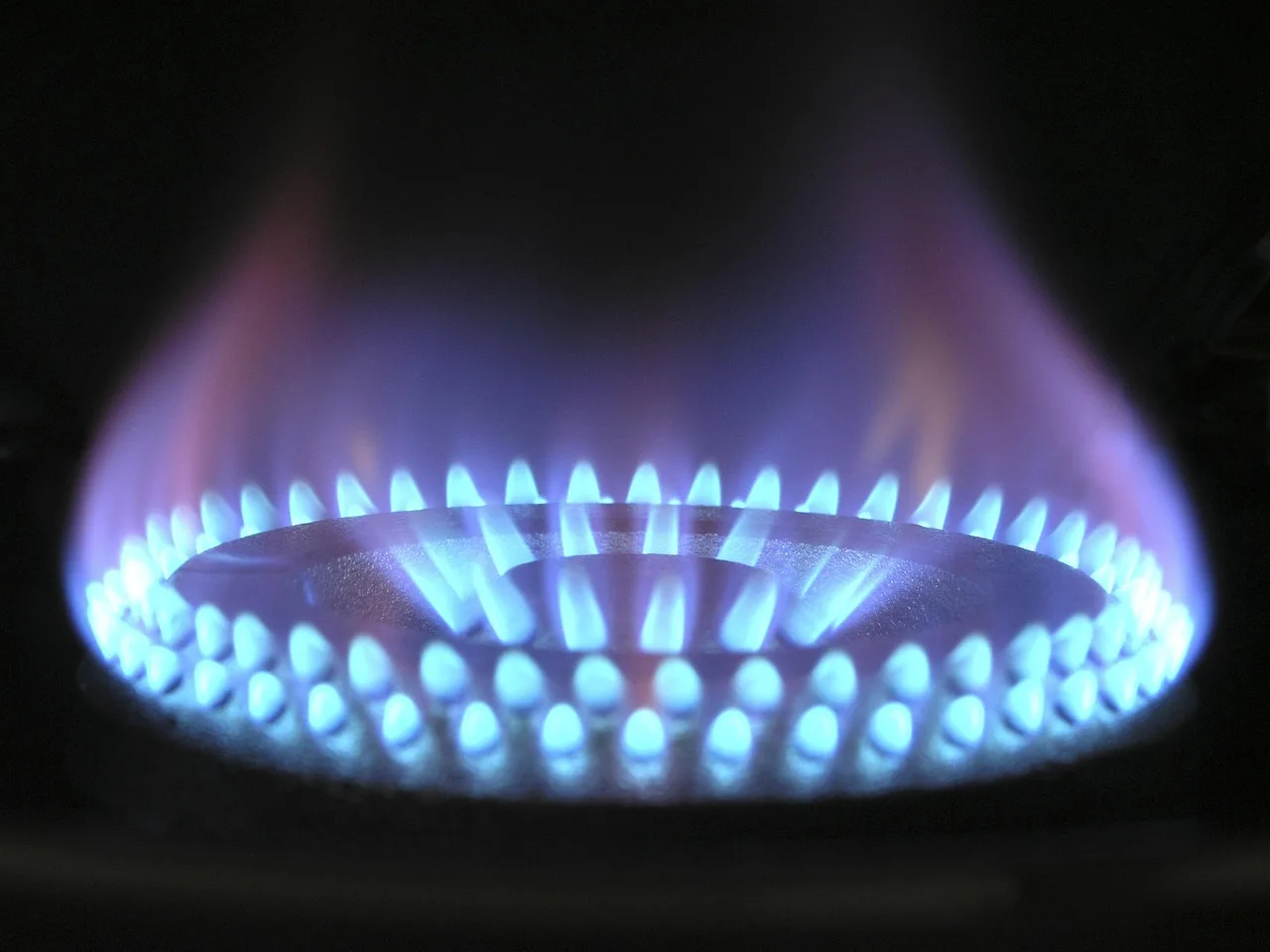
Yes, but only if the building, ventilation, and power source match the fuel. Propane and kerosene make sense when portability and high output matter. Natural gas works when the structure already has gas service. Electric is best when the electrical panel can support the load and indoor air quality matters more than raw flame heat.
Propane forced-air heater: fast heat and portable tank setup
Propane forced-air heaters deliver high BTU output and fast warm-up, which is why they are common on construction sites. They run from a portable hose-and-tank setup, so they are practical when you need heat before the building services are finished. They still need ventilation, because combustion exhaust and moisture are part of the deal.
Natural gas garage heater: fixed install and lower operating cost when gas is on-site
Natural gas garage heaters are usually fixed installs with venting and plumbing requirements. Ceiling-mount options are common, and thermostat compatibility makes them comfortable for everyday use. One comparison notes that natural gas heaters cap out around 25,000 BTUs, while the Big Maxx is a 50,000-BTU natural gas unit with an included LP gas conversion kit, 82% thermal efficiency, and venting not included with the unit.
Kerosene construction heater: high output for well-ventilated jobsites
Kerosene construction heaters are high-output units built for rough site conditions. They are noisy, they are best suited to well-ventilated jobsites, and fuel handling needs attention because storage and refilling are part of daily use. They belong where rapid heat matters more than quiet operation or indoor comfort.
Electric garage heater: simple install when power is available
Electric garage heaters are the easiest to install, especially in enclosed spaces where combustion heat is awkward or unsafe. They can be fan-forced or infrared, and they work well when sized correctly and when the building has enough electrical capacity. Their main limit is peak heat, not convenience.
What matters more than heater type: mounting, clearance, and airflow
Mounting and clearance often decide the job before brand or fuel does. A ceiling-mounted heater can free floor space, but it needs proper distance from stored items, joists, and work areas. Portable units are easier to move, but they depend on floor space and safe routing of fuel lines or cords.
Ceiling mount versus portable floor units
Garage heaters often hang from the ceiling to keep the floor open and heat the room from above. Construction heaters are more often floor-set or cart-mounted so they can move with the job. If the heater needs to follow the crew, fixed mounting is the wrong direction.
Minimum clearances and why they are not optional
The Big Maxx needs at least 8 feet of clearance from the floor. That kind of requirement is not decoration; it keeps hot surfaces away from people and materials. Clearance rules also help define whether a garage can physically accept the heater once vehicles, lifts, shelving, and stored items are in place.
Horizontal or vertical venting and where each one fits
Some gas heaters can come with direct vents outside, and venting direction affects where the unit can be mounted. Horizontal runs may suit one wall layout, while vertical venting may fit a different roofline or ceiling cavity. If the building cannot accept the vent path, the heater choice changes.
Decision matrix: which heater wins in six real-world scenarios?
The right answer changes with the space, not the label. The matrix below scores the most common edge cases against heater type, fuel, BTU range, ventilation need, and setup burden. It separates temporary jobsite heat from enclosed garage heat, which is the part most buyers blur.
| Scenario | Recommended heater | Recommended fuel type | BTU range | Ventilation need | Setup complexity |
|---|---|---|---|---|---|
| Insulated garage | garage heater: Which is right for the job | Electric or vented natural gas | 50,000 BTUs or less if the space is modest | Low for electric; managed for vented gas | Moderate upfront, low day-to-day |
| Uninsulated garage | Construction heater for short bursts; garage heater only if fuel and venting are sorted | Propane or direct-vent gas | 50,000 to 125,000 BTUs | High if combustion-fired | Moderate to high |
| Enclosed workshop | garage heater: Which is right for the job | Electric or vented natural gas | 50,000 to 80,000 BTUs | Low to moderate depending on fuel | Moderate |
| Open-sided jobsite | Construction heater | Propane or kerosene | 75,000 to 125,000 BTUs | High | Low to moderate |
| Power-limited site | Construction heater | Propane or kerosene | 68,000 to 125,000 BTUs | High | Low if fuel is on hand |
| Fuel-access site | garage heater: Which is right for the job if gas service is permanent; otherwise construction heater | Natural gas for fixed use, propane for temporary use | 50,000 to 125,000 BTUs | Moderate to high depending on venting | Fixed install or portable setup |
Insulated garage
This is where garage heaters tend to win. The building holds heat better, so electric or vented gas can maintain comfort without a huge burner running all the time. The job is less about blasting heat and more about steady control.
Uninsulated garage
An uninsulated garage leaks heat through the door, slab, and shell, so the heater has to work harder just to stand still. A portable construction heater may be useful for short work sessions, but long-term comfort is expensive and uneven unless the garage is improved or the heater output is sized well above the usual guess.
Enclosed workshop
Workshops usually need cleaner indoor conditions than jobsites. That pushes the decision toward electric or properly vented gas heat, especially when people stay in the room for hours. Dust collection, tools, and stored materials also make clearance and airflow more sensitive.
Open-sided jobsite
This is squarely construction-heater territory. Open sides, moving crews, and temporary partitions favor propane forced-air or kerosene units that can push heat fast and tolerate rough placement. A fixed garage heater is simply the wrong tool.
Power-limited site
If the electrical service is weak or not yet installed, electric heat falls apart quickly. Fuel-fired construction heaters become the practical option because they bring their own energy source. That is why portable propane and kerosene units keep showing up on unfinished sites.
Fuel-access site
If natural gas is already there and the heater will stay put, garage heat becomes the better long-term move. If the fuel source changes from job to job, portability wins. The issue is not which fuel sounds better; it is which fuel is actually available on-site without extra plumbing or panel upgrades.
Choose construction heater if… / Choose garage heater if…
Choose a construction heater if the space is temporary, drafty, open to weather, or changing often. It also fits when you need fast warm-up, portable fuel, and the ability to move the heater with the work. Propane and kerosene make sense here because they are built for that kind of use.
Choose a garage heater if the space is enclosed, occupied often, and can support venting, mounting, or electrical load. That includes insulated garages, finished workshops, and bays where steady temperature matters more than portability. Electric is the cleanest fit for many enclosed spaces; vented natural gas is the long-term answer when gas service is already in place.
Quick checklist before you buy: confirm the fuel source, check voltage or gas service, measure clearance, verify ventilation path, and size the BTUs to the insulation level and air leakage. If any one of those fails, the heater choice is probably wrong even if the price looks right.
Frequently asked questions
What’s the difference between a construction heater and a garage heater?
A construction heater is built for temporary heat in open, drafty, or changing job conditions. A garage heater is built for steadier indoor use, often with fixed mounting and better control. The main split is not the fuel label; it is whether the space is temporary and leaky or enclosed and repeatable.
Which heater is safer for a garage with limited ventilation?
Electric is usually the safer default because it does not add combustion exhaust to the room. If gas is used, it should be direct vented outdoors and installed correctly. Ventless combustion heat is a poor choice in a tight garage where people work with the door closed.
How many BTUs do I need for a garage or jobsite?
Start with the space, not the number. Insulated garages often need less output than drafty ones, while open-sided jobsites need much more because heat escapes constantly. Practical choices often sit around 50,000 to 125,000 BTUs, but leakage and volume decide whether that is enough.
Can I use propane, natural gas, kerosene, or electric in my space?
Yes, if the space supports the fuel. Propane and kerosene suit portable jobsites. Natural gas suits fixed garages with plumbing and venting. Electric suits enclosed spaces with enough electrical capacity. The wrong fuel choice usually fails because of service limits, not heater style.
Do I need venting for a garage heater?
Most gas garage heaters need venting unless they are specifically designed for a setup that moves combustion gases outside. Venting protects indoor air quality and keeps exhaust out of occupied spaces. Electric heaters do not need combustion venting, which is why they are easier in closed garages.
What size heater works for a three-car garage?
A three-car garage usually pushes buyers toward the upper end of the garage-heater range, especially if insulation is weak or the ceiling is high. The exact size depends on leakage, door use, and whether the heater is electric or gas. A poor shell can make a large unit feel small fast.