Can a Heater Be Too Efficient for Your Small Room?
Yes. In some cases, a roughly 1,500-watt heater can overwhelm a small bedroom or office if it heats the room too quickly, short-cycles on its thermostat, or leaves the air uncomfortably hot. That usually means higher power bills, drier air, more noise, and a bigger risk from bad placement near bedding or furniture. This guide shows how to spot oversizing, pick wattage for room size, and use controls that keep heat steady.
What “too efficient” means in a small room
Electric heating turns electrical energy directly into heat, so the issue is rarely conversion loss. Fit is the problem. When output reaches the room faster than the room can absorb it, the heater overshoots the target, shuts off, and then restarts before the space feels stable.
When fast heat becomes a comfort problem
A heater can feel “too efficient” when it floods a closed room with heat faster than the room can release it. The air gets hot first, then the corners, bedding, desk area, or floor lag behind. That creates a hot-and-cold pattern that makes the room harder to use, not easier.
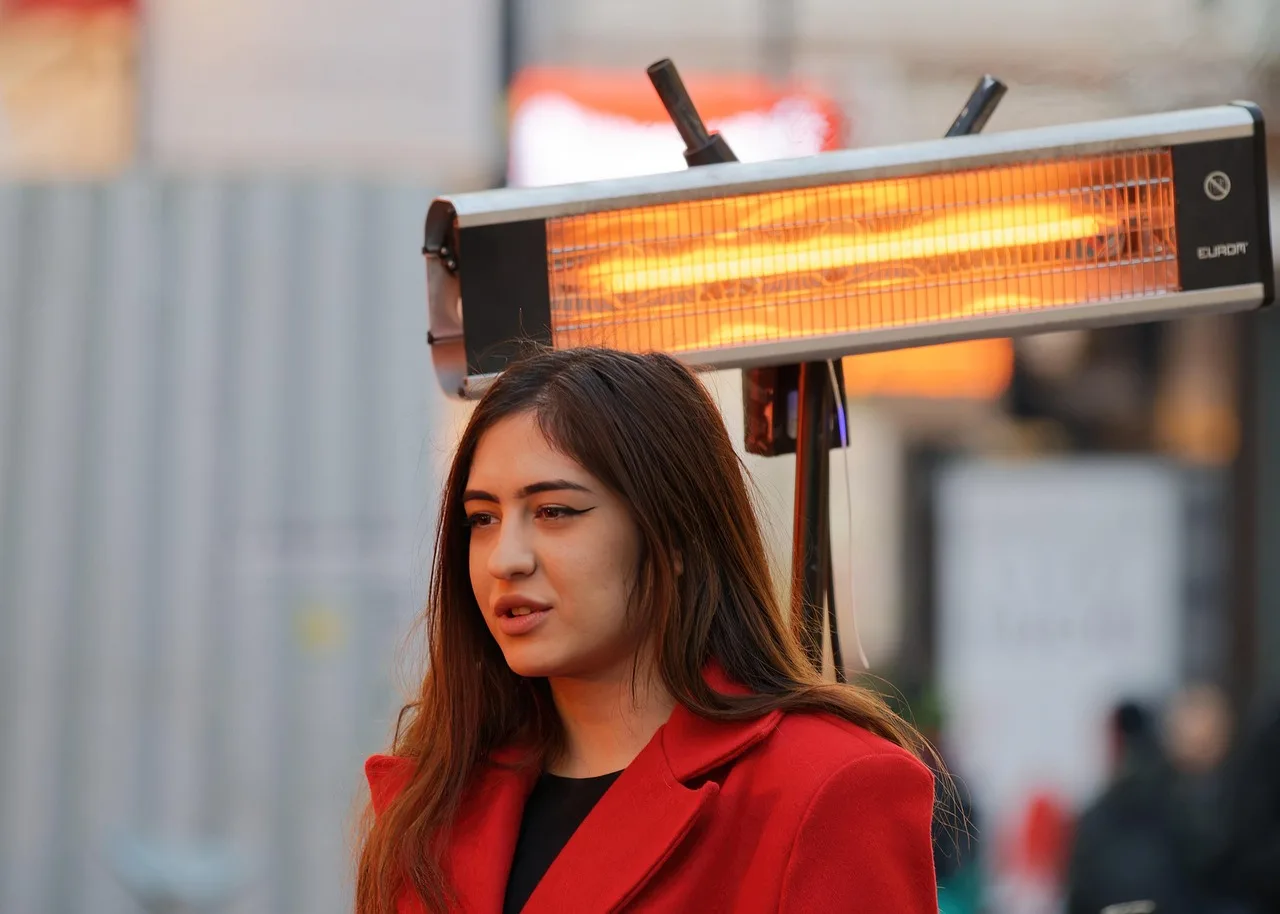
Electric infrared radiant heating warms people and objects directly, which is useful for spot heating but harsh in a tiny seated zone if the unit is too strong. Natural convection heaters are well suited for heating a closed space, but even they can overshoot if the wattage is too high for the room volume and insulation.
Short cycling, overshoot, and hot spots
Short cycling happens when the thermostat reaches its set point quickly, shuts the heater off, and then turns it back on again after the room cools a little. That pattern wastes runtime, adds noise, and creates temperature swing. In a small sealed room, the room can feel stuffy long before the air temperature looks extreme on the display.
Hot spots matter too. A fan-forced or ceramic unit pointed at a chair, bed, or desk can make one zone feel intense while the rest of the room stays cool. The result is a heater that is technically working well, but is poorly matched to the space.
According to Our Favorite Energy-Efficient Space Heater Adds Style to Our Homes While Heating — The tested Dr. Infrared heater warmed a 156-square-foot room.
Can a heater be too efficient for a small room?
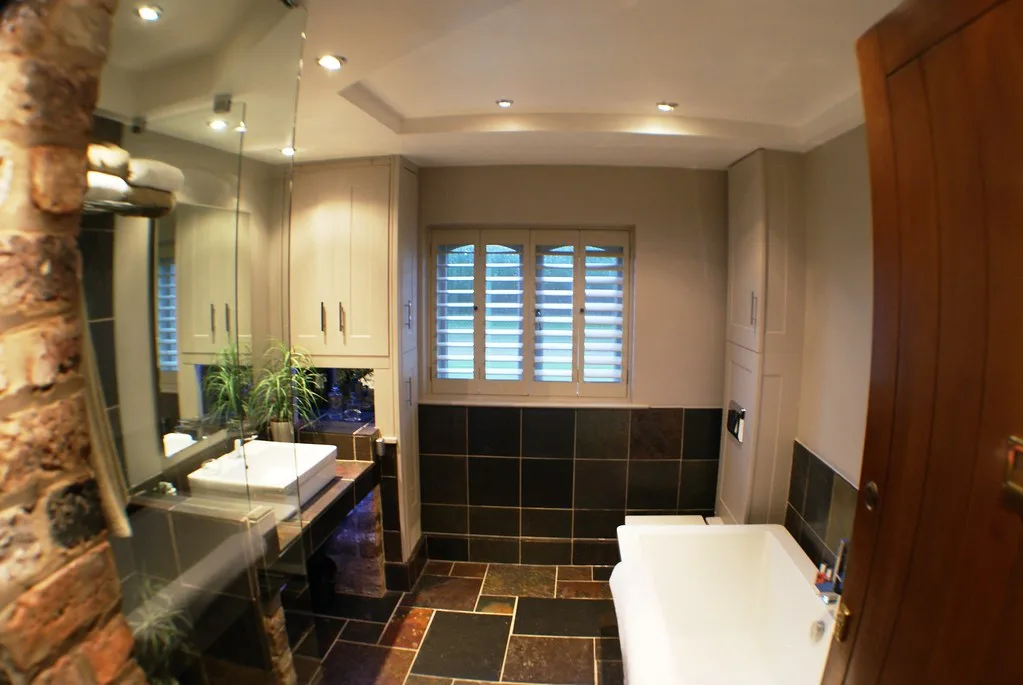
Yes. In a small room, a heater can be the right product and still be the wrong fit if it heats too fast, cycles too hard, or concentrates warmth where people sit or sleep. A 1,500-watt heater is often enough to overwhelm a tiny bedroom, sealed office, or bathroom-sized space.
When a 1500W heater is too much
A roughly 1,500-watt unit is common, but common does not always mean right-sized. In a small room with the door shut, decent insulation, and limited air leakage, that output can push the thermostat to shut off before the whole space feels even. The room warms, but comfort does not improve in the same way.
One test set of 13 energy efficient space heaters found a top pick that was a 1,500-watt infrared heater. The tested Dr. Infrared heater warmed a 156-square-foot room and increased room temperature by 10 degrees in 33 minutes. That kind of performance can be useful in a medium small room, but it is plenty of power for a tiny bedroom or desk nook.
Why a tiny office or bedroom overheats first
Small rooms have little air volume. That means less time between cold and hot, and less buffering when the heater cycles. If the room is closed off, the thermostat may sense warmth near the unit before the far side of the room has caught up. Placement then matters as much as wattage.
Sealed rooms also trap radiant heat from objects and walls. A soft chair, a desk, and bedding can absorb warmth quickly, then hold it. That can make the room feel warmer than the thermostat suggests, especially with an infrared heater pointed at a seated person.
Why sealed rooms need gentler output or better control
When the space is tight, the answer is often lower output, more stable control, or both. A heater that can run at 750W or 1125W gives the room a better chance to stay in range without blasting heat. Better still is a unit with a thermostat that keeps the average room temperature steady instead of swinging hard.
How many watts do I need for my room size?

The right wattage depends on room size, layout, insulation, and how long the room stays occupied. A closed, well-insulated bedroom needs less output than an open den with drafts. For many small spaces, 750W, 1125W, and 1500W are the most practical settings, while 2000W belongs in larger or leakier areas.
Room-size and wattage basics
Use 750W for very small or highly localized heating. Use 1125W when a small room needs more than spot warmth but does not need full 1,500-watt output. Use 1500W for many standard small rooms, but only if the room size and layout can absorb it. Use 2000W only when the space is larger, leakier, or more open.
The Vornado MVH offers 750W, 1125W, and 1500W settings, which is the kind of stepped control that helps in rooms where full output would be too aggressive. Variable settings matter because the room may need different duty cycles at bedtime, during work hours, or after a door opens repeatedly.
Closed rooms, open layouts, and insulation
A closed bedroom with few air leaks behaves very differently from a connected office area or open-plan living room. Heat in an open layout spreads out fast and may call for more wattage. In a closed room, that same wattage may create overshoot, then shut off before comfort settles.
Insulation level changes the answer again. Better insulation keeps heat in, so the heater runs less often once the room is warm. Poor insulation and air leaks pull heat out faster, which can make a lower-watt heater feel weak even when it is sized correctly on paper.
When lower wattage beats brute force
Lower wattage is often better when the room is small, occupied for long stretches, or used for sleep. The goal is not the hottest air in the shortest time. The goal is a room that stays within a narrow band, with fewer on-off swings and less direct heat blasting a single spot.
Use a room-fit checklist before you buy
Matching heater output to the room is a practical check, not a guess. Square footage, ceiling height, insulation, air leaks, and how the room is used all shape the best wattage and heater type. The wrong match often fails in the same few ways: overshoot, cycling, or intense local heat.
| Room size and condition | Occupancy pattern | Heater type | Recommended wattage range | Likely failure mode | Safer alternative setting |
|---|---|---|---|---|---|
| 60–100 sq ft, closed, insulated, low leaks | Long, quiet use or sleep | Convection or oil-filled | 750W to 1125W | Overshoot and short cycling | Lower setting with thermostat and timer |
| 100–150 sq ft, closed, average insulation | Desk work or bedroom use | Ceramic or convection | 1125W to 1500W | Warm-up too fast, then stop-start cycling | Use 1125W first, then step up only if needed |
| 120–180 sq ft, open to hall or adjacent room | Mixed occupancy, frequent door opening | Ceramic or fan-forced | 1500W to 2000W | Heat loss to open area | Close the zone or choose timed intermittent use |
| Small office desk zone, seated use only | One person, short sessions | Infrared | 750W to 1125W | Radiant intensity on legs, hands, or face | Angle away from the body and shorten runtime |
| Bathroom-sized room, brief use | Intermittent, high humidity | Ceramic with thermostat | 750W to 1500W | Fast air warming, then overshoot | Lower wattage plus timer and auto shutoff |
- Measure the room size in square feet and note whether it is closed or open to another space.
- Check insulation, ceiling height, and visible air leaks around doors, windows, and vents.
- Decide whether you need spot heat for one person or whole-room heat for the space.
- Start with the lowest wattage that can hold comfort, not the highest available setting.
- Look for a thermostat, timer, tip-over protection, and overheat protection before comparing extras.
Which heater type fits spot heat versus whole-room heat?
The best heater type depends on whether the room needs radiant comfort for one person or broader air warming. Infrared, ceramic, convection, oil-filled, and fan-forced units all deliver heat differently. The delivery method matters because it changes how quickly the room feels warm and how evenly that warmth spreads.
Infrared for desk and seated use
Infrared heaters are better for spot heating when the goal is to warm a person at a desk, chair, or bedside area. They warm people and objects directly, so they can feel fast and efficient. That same directness can be a drawback in a tiny room if the beam feels too intense.
Ceramic and fan-forced for quick air warming
Ceramic and fan-forced heaters are good when the room needs quick air warming and a faster response after someone enters. They push warm air into the space, which helps a small room come up to temperature quickly. If the room is tiny, though, that speed can lead to overshoot.
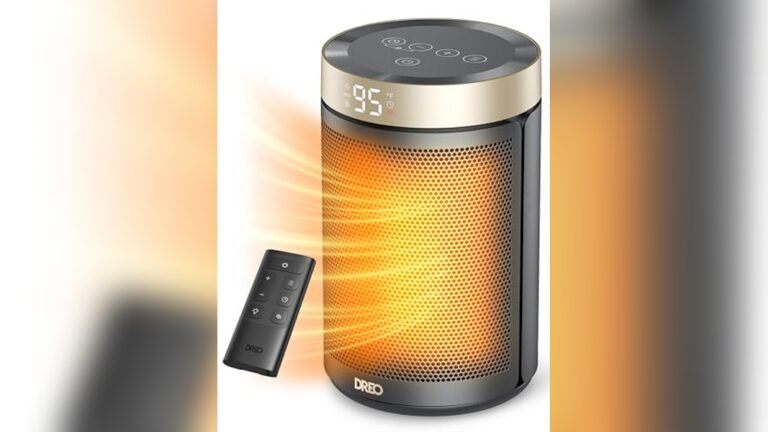
The Lasko tower heater is a 1,500-watt ceramic model, which is the sort of output many people buy for a bedroom or office. That can work well in the right room. In a smaller or more sealed room, it may feel too powerful unless the thermostat is accurate and the runtime is controlled.
Convection and oil-filled for steadier background heat
Convection and oil-filled heaters usually feel slower, but that slower delivery often suits bedrooms and closed rooms better. They spread warmth more gradually and can reduce the sharp swing that makes a room feel too hot, then too cool. That steadiness matters more than raw output in many small spaces.
Do thermostats and timers matter more than raw wattage?
Yes. A thermostat and timer often matter more than the top watt number because they control how the heater behaves in the room. A smaller heater with good cycling control can feel better than a larger one that blasts heat, overshoots, and shuts off too often.
Temperature control and auto on/off cycling
A thermostat helps keep steady room temperature by turning the heater off when the set point is reached and back on when the room cools. That automatic on/off cycling is useful only when it is measured and stable. If the thermostat sensor sits too close to the heat source, the unit may shut off too soon.
That is why placement matters. A heater near a drafty door behaves differently from one placed in a sheltered corner. Thermostat location can decide whether the room feels even or keeps bouncing between warm bursts and cool gaps.
Timer use for sleep and away periods
A timer is useful for sleep and away use because it limits runtime without needing constant attention. It can reduce energy use during short absences and lower the chance that a heater runs too long in a small room. Timers also help a heater work in short duty cycles instead of continuous operation.
That matters in rooms that warm quickly. If the room reaches comfort in minutes, a timer can keep the heater from running again and again after the room is already warm enough. The result is less wasted runtime and fewer temperature swings.
What safety features should a small-room heater have?
A small-room heater should have tip-over protection, overheat protection, and stable placement features before any comfort extras matter. In tight spaces, a unit that shuts itself off during a tip or overheating event is the minimum expectation. Safety matters more when the heater sits near bedding, curtains, or a desk.
Tip-over protection and automatic shutoff
Tip-over protection should shut the heater down automatically if it is knocked over or tilted past a safe angle. That matters in small rooms because there is less floor space, more furniture, and more chance of bumping the unit with a foot, vacuum, or chair.
Overheat protection and shutdown behavior
Overheat protection should shut the heater off if internal temperatures climb too high. That feature helps reduce fire risk and acts as a safeguard during blocked airflow, long runtimes, or poor placement. It is especially useful in compact rooms where air can recirculate around the unit.
Cool-touch surfaces, stable bases, and an on-unit thermostat are useful too, but they do not replace automatic shutoff features. A heater that stays stable on the floor or on a desk-side surface is less likely to get bumped or buried by nearby items.
How do I keep a space heater from wasting energy in a small space?
Keep output low enough for the room, use a thermostat that does not overshoot, and run the heater only when the space is occupied. In a small room, waste often comes from too much wattage, poor placement, and long runtime after the room is already warm. Control matters more than power alone.
Match heat delivery to the use case
If the room needs one warm chair or one warm side of a bed, choose spot heating and stop there. If the whole room needs steady background heat, pick a heater that can warm gradually without blasting the first few feet. That is how energy use tracks the actual task.
Use lower output instead of forcing full power
Running a heater at 750W or 1125W often makes more sense in a small sealed room than jumping to 1500W right away. If the room still feels cold, check leaks, door gaps, and placement before reaching for more wattage. More power is not the same as better fit.
Frequently asked questions
What happens if a space heater is too powerful for the room?
The room may heat unevenly, the thermostat may shut the heater off too soon, and the unit may cycle on and off all day. That pattern can raise noise, dry the air feel, and make comfort worse even though the heater is technically producing plenty of heat.
Is a 1500-watt heater too much for a small bedroom?
It can be. A 1,500-watt heater may be fine in a typical small bedroom, but it can be too much in a tiny or well-sealed room. If the heater reaches set point too fast or feels intense near the bed, step down to a lower setting.
Do space heaters need a thermostat to avoid overheating a space?
Yes, a thermostat helps a lot. It keeps the heater from running full power longer than needed and reduces temperature swings. Without it, a small room can overheat quickly, especially if the heater is near bedding, a desk, or another heat-trapping area.
Are infrared heaters better for spot heating than convection heaters?
Usually yes. Infrared heaters warm people and objects directly, so they are a strong fit for desks, reading chairs, and other seated uses. Convection heaters are better when the goal is to warm the room air more evenly over time rather than one person in one place.
What space heater is safest for an office desk or small room?
The safest choice is a stable heater with tip-over protection, overheat protection, a thermostat, and a timer. For desk use, a lower-output infrared or ceramic model often makes more sense than a larger unit, because the goal is controlled personal comfort, not full-room heat.
Can I leave a heater on in a room that stays warm quickly?
Only if the heater has proper safety features and a thermostat that cycles predictably. Even then, a room that warms quickly usually needs a lower output or a timer. Leaving a powerful heater running in a fast-warming room can lead to overshoot and wasted runtime.