Are Block Heaters Dangerous? A Comprehensive Guide to Safe Use
Hey there! If you’re living in a cold climate like I do, you’ve probably heard about block heaters. They’re lifesavers for getting your car started on those freezing winter mornings. But maybe you’ve wondered, “Are block heaters dangerous?” It’s a fair question! After all, anything involving electricity and your vehicle can feel a bit nerve-wracking. I’ve spent a lot of time digging into this topic, talking to mechanics, and even using block heaters myself. Let me walk you through everything you need to know to use them safely and confidently. Spoiler alert: when used correctly, block heaters are not dangerous, but there are some things you should watch out for. Let’s dive in!
For the safety side of the same topic, Are Plug In Wall Heaters Safe: Shocking Dangers gives readers a useful next check before they use the heater.
For a related heater topic, Are Built-In Ceiling Vent Heaters Good? Pros Cons gives readers a useful next step.
What Exactly Is a Block Heater?
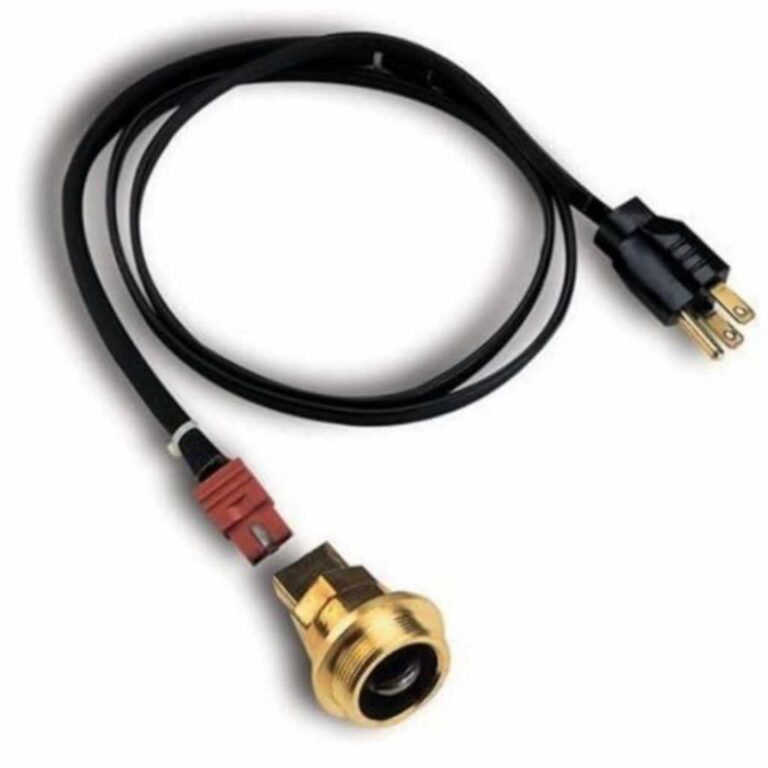
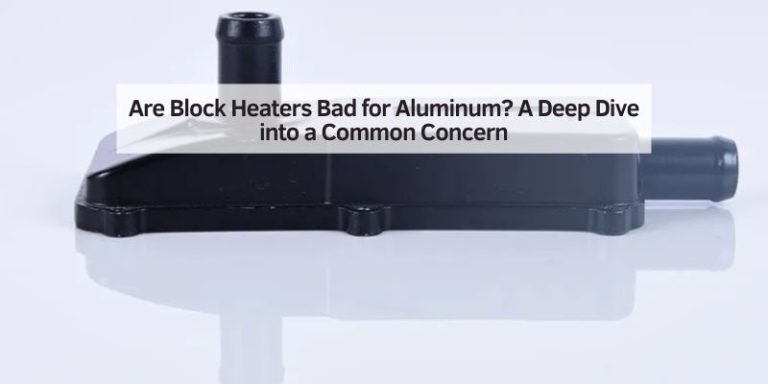
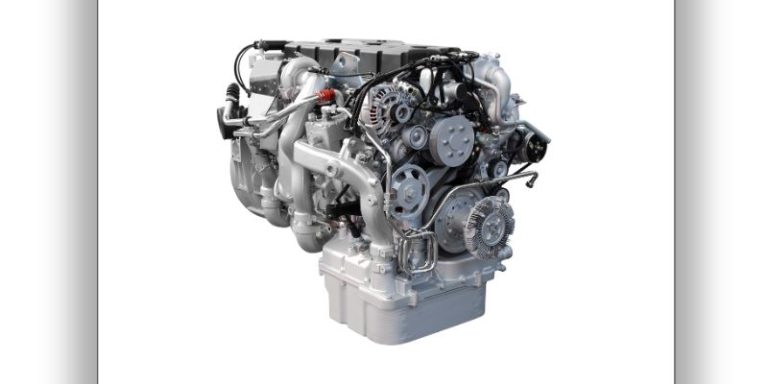
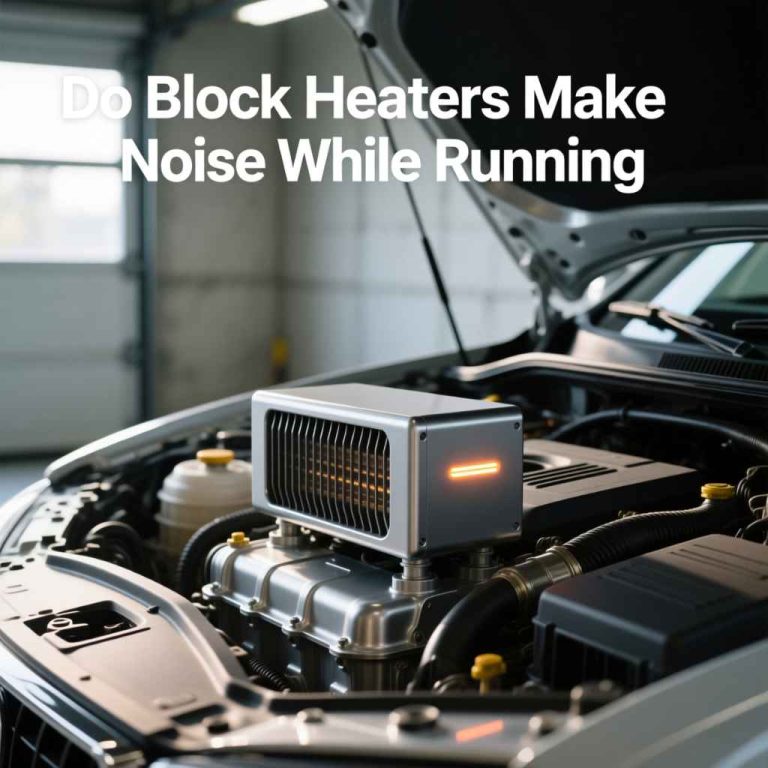
Before we get into the safety stuff, let’s talk about what a block heater actually is. A block heater is a small electric device installed in your vehicle’s engine block. Its job is to warm up the engine coolant, which keeps the engine oil from getting too thick in cold weather. This makes starting your car easier and reduces wear on the engine.
I remember my first winter in Minnesota. My car wouldn’t start, and I was stuck in my driveway, freezing! A neighbor suggested a block heater, and it was a game-changer. You plug it into a standard electrical outlet, and it gently warms the engine. Most block heaters are simple to use, but I get why some folks worry about safety. Let’s break down the potential risks and how to avoid them.
Common Concerns About Block Heater Safety
When I first started using a block heater, I had a lot of “what if” questions. What if it catches fire? What if it damages my car? These are common worries, so let’s address them one by one.
Electrical Hazards
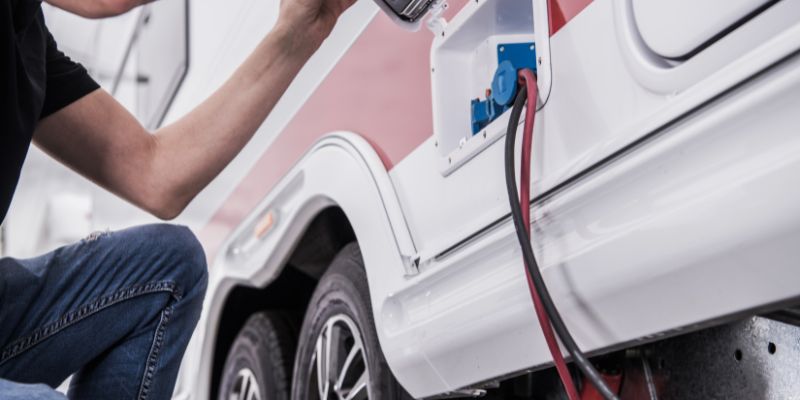
One of the biggest concerns is the electrical cord. Block heaters need to be plugged into an outlet, and that cord is exposed to the elements—snow, ice, rain, you name it. If the cord is damaged or the outlet isn’t properly grounded, there’s a risk of electric shock or even a fire.
I once saw a frayed cord on a friend’s block heater. It was a wake-up call! A damaged cord can be dangerous, especially if it gets wet. But here’s the good news: most block heaters come with heavy-duty cords designed for outdoor use. Always check the cord for cracks or wear before plugging it in. If it looks damaged, replace it immediately. Also, make sure you’re using a grounded outlet, preferably one with a Ground Fault Circuit Interrupter (GFCI) for extra safety.
Fire Risks
Another worry is fire. The idea of leaving an electrical device plugged in overnight can feel risky. I used to lie awake wondering if my block heater was going to set my garage on fire! But after doing some research, I learned that block heaters are designed with safety in mind. They use low wattage—usually between 400 and 1500 watts—so they don’t get hot enough to ignite anything.
That said, you need to be smart about how you use them. Never cover the cord with blankets or other materials that could trap heat. And don’t plug the heater into an overloaded outlet or a cheap extension cord. I always use a heavy-duty, outdoor-rated extension cord if I need one, and I make sure it’s rated for the heater’s wattage.
Engine Damage Concerns
Some folks worry that a block heater could harm the engine. I had this concern too when I first got one. Could it overheat the coolant or mess up the engine block? The truth is, block heaters are designed to warm the engine gently. They don’t “cook” the coolant or cause damage when installed correctly.
However, improper installation can lead to problems. If the heater isn’t fitted properly, it could leak coolant or fail to heat the engine evenly. I always recommend having a professional mechanic install your block heater. It’s worth the peace of mind!
Carbon Monoxide Risks
This one surprised me when I first heard it. Some people worry that a block heater could somehow produce carbon monoxide. Let me clear this up: block heaters are electric, not combustion-based. They don’t produce any exhaust or carbon monoxide. The only way carbon monoxide could be an issue is if you start your car in a closed garage. That’s a separate issue, and it’s why I always open my garage door before starting the engine.
How to Use a Block Heater Safely
Now that we’ve covered the concerns, let’s talk about how to use a block heater safely. I’ve been using one for years, and I’ve picked up some tips that keep things worry-free.
Choose a Quality Block Heater
Not all block heaters are created equal. When I bought my first one, I went for a cheap option, and it didn’t last a single winter. Invest in a high-quality heater from a reputable brand. Look for one that’s compatible with your vehicle’s make and model. Check the wattage and make sure it’s appropriate for your engine size.
Inspect the Cord Regularly
I can’t stress this enough: check the cord! Before every winter, I inspect my block heater’s cord for any signs of wear. Look for fraying, cracks, or exposed wires. If you see any damage, don’t use the heater until the cord is replaced. It’s a small step that makes a big difference.
Use a Timer
One of the best things I did was get a timer for my block heater. You don’t need to leave it plugged in all night. Most block heaters only need 2-4 hours to warm the engine. A timer saves electricity and reduces any risk of overheating. I set mine to turn on a few hours before I leave for work, and it works like a charm.
Plug into a Safe Outlet
Always use a grounded, outdoor-rated outlet. If you’re using an extension cord, make sure it’s designed for outdoor use and rated for the heater’s wattage. I learned this the hard way when I used a flimsy indoor cord and it started to overheat. Stick with heavy-duty cords to stay safe.
Follow Manufacturer Instructions
Every block heater comes with instructions. Read them! I know it’s tempting to skip the manual, but it’s worth the few minutes. The instructions will tell you how long to plug in the heater and any specific maintenance tips for your model.
Have It Installed by a Professional
Unless you’re a mechanic, don’t try to install a block heater yourself. I made this mistake once, and it was a hassle to fix. A professional will ensure the heater is properly fitted and won’t cause leaks or other issues.
Benefits of Using a Block Heater
Now, let’s talk about why block heaters are worth the effort. They’re not just about safety—they have some awesome benefits too!
Easier Engine Starts
Cold weather makes engine oil thick and sluggish. A block heater warms the oil, so your engine starts smoothly. I noticed a huge difference in how quickly my car started after I got a block heater. No more grinding noises or failed starts!
Better Fuel Efficiency
A warm engine runs more efficiently. When I started using a block heater, I noticed my car used less gas during those first few minutes of driving. It’s a small savings, but it adds up over the winter.
Reduced Engine Wear
Cold starts are hard on your engine. The thick oil doesn’t lubricate as well, which can cause wear over time. A block heater keeps the oil flowing, protecting your engine. My mechanic told me this could extend the life of my car, and I’m all about that!
Environmental Benefits
A warm engine produces fewer emissions. If you care about reducing your carbon footprint, a block heater can help. I feel good knowing I’m doing a little something for the environment while keeping my car happy.
Comparing Block Heaters to Other Winter Solutions
To give you a clearer picture, let’s compare block heaters to other ways to keep your car warm in winter. I’ve tried a few of these options, and here’s how they stack up.
| Method | Pros | Cons |
|---|---|---|
| Block Heater | Easy to use, protects engine, improves fuel efficiency, eco-friendly | Requires installation, needs electricity, initial cost |
| Battery Blanket | Keeps battery warm, simple to install, no engine modification needed | Doesn’t warm engine, less effective for starting in extreme cold |
| Oil Pan Heater | Warms oil directly, good for extreme cold | Harder to install, may not warm coolant, higher risk of damage if misused |
| Remote Starter | Warms engine and cabin, convenient | Uses more fuel, produces emissions, not ideal for short trips |
I’ve found block heaters to be the best balance of convenience, safety, and effectiveness. Battery blankets are great for keeping the battery alive, but they don’t help the engine start. Oil pan heaters are trickier to install, and remote starters burn more fuel. For me, a block heater is the way to go.
Common Myths About Block Heaters
There are a lot of myths floating around about block heaters. Let’s clear up a few that I’ve heard over the years.
Myth: Block Heaters Are Only for Diesel Engines
I used to think this too! While block heaters are super common in diesel vehicles, they’re just as useful for gasoline engines. Any car in a cold climate can benefit from one.
Myth: You Need to Plug It In All Night
Nope! As I mentioned earlier, 2-4 hours is usually enough. Leaving it plugged in longer just wastes electricity. A timer makes it easy to get it right.
Myth: Block Heaters Are Expensive to Run
I was worried about my electric bill when I first got a block heater. But they use about as much power as a light bulb. If you use a timer, the cost is minimal—usually a few cents per day.
Myth: They’re Hard to Install
While you shouldn’t install one yourself unless you’re a pro, a mechanic can do it quickly. It’s a one-time job that’s worth the investment.
Maintenance Tips for Your Block Heater
To keep your block heater safe and effective, a little maintenance goes a long way. Here’s what I do to keep mine in top shape.
Check the Cord Annually
I check my cord every fall before the cold hits. Look for any damage and replace it if needed. A good cord is key to safety.
Test the Heater
Before winter, plug in the heater for a few hours and check if the engine feels warm. If it’s not warming up, it might need repair or replacement. I had to replace mine once, and catching it early saved me a lot of hassle.
Clean the Connection
Dirt and grime can build up where the cord plugs into the car. I use a clean cloth to wipe it down every so often. It keeps the connection solid and safe.
Store the Cord Properly
When you’re not using the heater, don’t let the cord dangle or get caught in the hood. I tuck mine neatly under the hood or use a cord wrap to keep it safe.
My Personal Experience with Block Heaters
I’ve been using block heaters for nearly a decade now, and I can’t imagine winter without one. My first car didn’t have one, and I struggled through too many mornings with a car that wouldn’t start. Once I got a block heater, everything changed. My car starts reliably, even when it’s -20°F outside. I’ve never had a safety issue, but that’s because I follow the tips I’ve shared. Inspecting the cord, using a timer, and having it installed by a pro have made all the difference.
One winter, I let a friend borrow my car, and I forgot to tell them about the block heater. They left it plugged in all night with a cheap extension cord. Luckily, nothing bad happened, but it taught me to be extra careful and educate others about safe use.

Conclusion
So, are block heaters dangerous? Not when you use them properly! They’re a fantastic tool for keeping your car running smoothly in cold weather. By choosing a quality heater, inspecting the cord, using a timer, and following manufacturer instructions, you can enjoy all the benefits without any worries. I’ve been using block heaters for years, and they’ve saved me from countless winter headaches. They protect your engine, save fuel, and even help the environment. If you live in a cold climate, a block heater is a small investment that pays off big time. Stay warm, stay safe, and happy driving!
Frequently Asked Questions
Can a Block Heater Cause a Fire?
No, block heaters are designed to be safe and use low wattage. But you need to use them correctly. Always check the cord for damage, use a proper outlet, and avoid covering the cord. I’ve never had an issue with fires, and I’ve used block heaters for years.
How Long Should I Plug in My Block Heater?
You only need to plug it in for 2-4 hours before starting your car. I use a timer to turn it on a few hours before I leave. It saves energy and keeps things safe.
Can a Block Heater Damage My Engine?
When installed and used properly, a block heater won’t damage your engine. It gently warms the coolant to make starting easier. I always have a mechanic install mine to avoid any issues.
Are Block Heaters Expensive to Run?
Not really! They use about as much power as a light bulb. With a timer, you’re only running it for a few hours, so it costs just a few cents a day. My electric bill barely notices it.
Do I Need a Block Heater for a Gasoline Engine?
Yes, block heaters are great for both gasoline and diesel engines. They make starting easier and reduce engine wear in cold weather. I use one on my gasoline car, and it’s been a lifesaver.