Dipstick Heater vs. Block Heater: Which One Warms Your Engine Best?
Hey there! If you’re like me, living in a place where winter mornings feel like stepping into a freezer, you’ve probably wondered how to keep your car’s engine happy when the temperature plummets. I’ve spent plenty of cold mornings shivering in my driveway, waiting for my engine to warm up, and I’ve learned a thing or two about keeping vehicles ready for those frosty days. Today, I’m diving deep into the world of dipstick heaters and block heaters—two popular solutions for warming up your engine in freezing weather. Whether you’re a daily commuter, a truck driver, or just someone who hates that sluggish cold-start feeling, I’m here to help you decide which option is best for you. Let’s explore the ins and outs of these heaters, compare their pros and cons, and figure out which one deserves a spot in your garage.
What Are Dipstick and Block Heaters, Anyway?
Let’s start with the basics. If you’ve ever struggled to start your car on a freezing morning, you know how tough cold weather can be on engines. Both dipstick heaters and block heaters are designed to make cold starts easier by warming up critical parts of your engine before you turn the key. But they work in different ways, and understanding those differences is key to picking the right one.
A dipstick heater is a simple device that slides into your engine’s dipstick tube—the same place where you check your oil level. It’s a long, thin heating element that sits in the oil pan and warms the engine oil directly. The idea is to keep the oil from getting thick and sluggish in cold temperatures, making it easier for your engine to turn over.
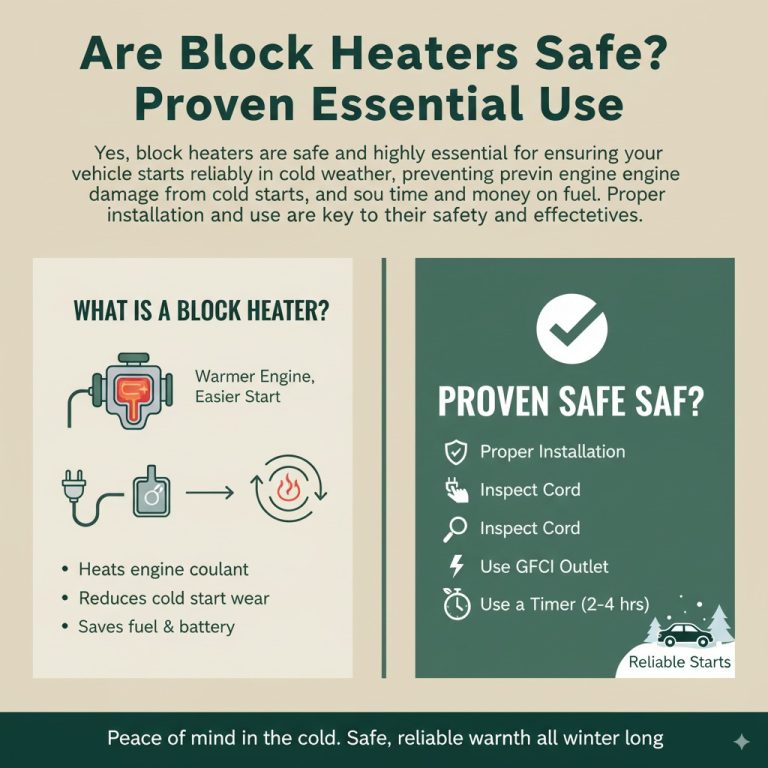
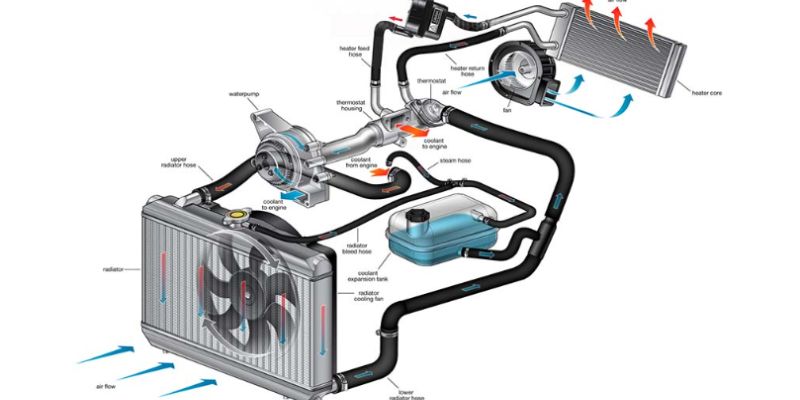
A block heater, on the other hand, is a more heavy-duty option. It’s typically installed in the engine block itself, often replacing a frost plug (a small metal plug in the engine block). Block heaters warm the engine’s coolant, which circulates through the engine and helps keep the entire engine block at a cozy temperature. Some block heaters are external, attaching to the engine or radiator hoses, but they all focus on heating the coolant rather than the oil.
Both devices plug into a standard 110-volt outlet, like the one in your garage, and they’re lifesavers in places where temperatures dip below freezing. But they’re not created equal, so let’s break down how they work and what makes them different.
How Dipstick Heaters Work
I remember the first time I heard about a dipstick heater—it sounded like something out of a sci-fi movie! But it’s actually pretty straightforward. A dipstick heater replaces or slides alongside your regular dipstick. The heating element extends into the oil pan, where it heats the engine oil. Warm oil flows more easily, reducing the strain on your engine during startup.
Dipstick heaters are usually low-wattage, often around 90 to 150 watts. That means they use less electricity than a light bulb in your house, but they also take longer to warm things up. I’ve found that you often need to plug them in for several hours—sometimes overnight—to get the oil to a good temperature. They’re super easy to install, though. You just pull out the dipstick, slide the heater in, and plug it into an outlet. No mechanic required!
The downside? Dipstick heaters only warm the oil, not the entire engine. This can help with cranking, but it doesn’t do much for other parts of the engine, like the combustion chambers or coolant. Plus, some folks worry about “hot spots” where the heater might overheat the oil right around the element, potentially degrading it over time. I’ve used one on an old pickup truck, and while it helped with starting, I noticed it didn’t make the cabin heat up any faster.
How Block Heaters Work
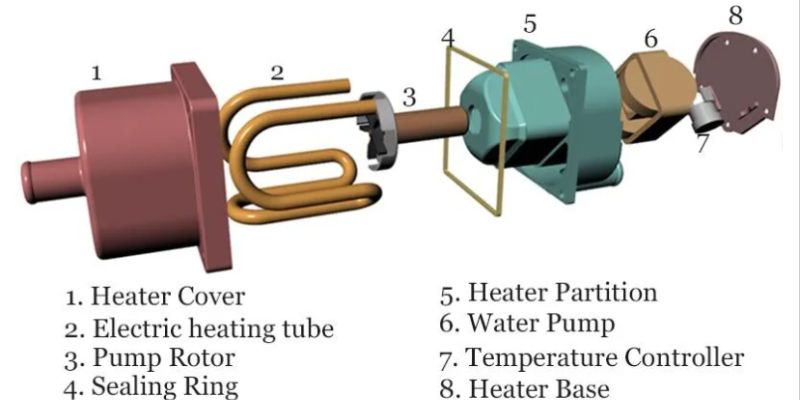
Now, block heaters are a different beast. I first encountered one when I moved to a colder part of the country, and let me tell you, it was a game-changer. A block heater is typically a small electric element that’s installed directly into the engine block or attached to a coolant hose. It heats the engine’s coolant, which then circulates through the engine, warming up the entire block, cylinders, and other critical components.
Block heaters are more powerful than dipstick heaters, usually running between 400 and 1500 watts. That extra power means they can warm up your engine faster—often in just 2 to 4 hours. When I plug in my block heater, I can feel the difference: the engine starts smoothly, and I get warm air from the heater vents almost right away. That’s because the warm coolant helps the whole engine reach operating temperature quickly.
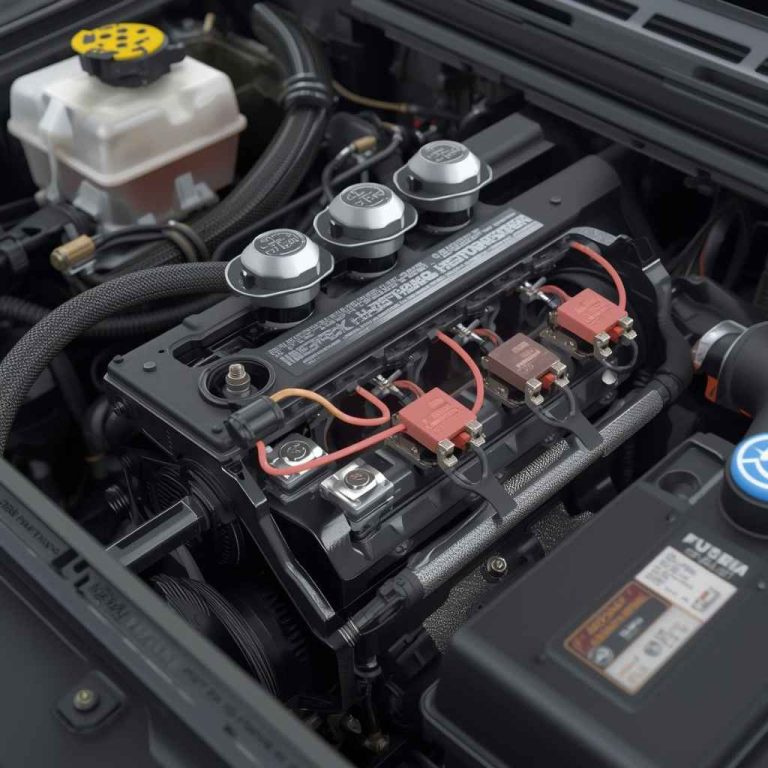
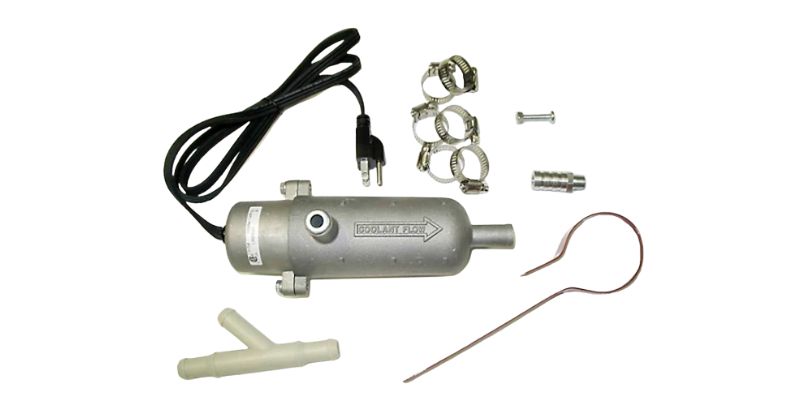
The catch? Block heaters are trickier to install. Some require a professional to pop out a frost plug and fit the heater into the engine block, which can cost a bit if you’re not handy with a wrench. Others, like in-line coolant heaters, splice into a radiator hose, which is a bit easier but still more involved than a dipstick heater. Once installed, though, they’re reliable and effective.
Comparing Performance: Which Heats Better?
So, which one actually does a better job of keeping your engine warm? In my experience, it depends on what you’re trying to achieve. Dipstick heaters focus on warming the oil, which is great for reducing wear on moving parts like the crankshaft and bearings. Thin, warm oil lubricates better, so your engine doesn’t have to work as hard to start. But because they only heat the oil, they don’t do much for the rest of the engine. If you’re in a moderately cold climate (say, 0°F to 20°F), a dipstick heater might be enough to get you going.
Block heaters, on the other hand, are the heavy hitters. By warming the coolant, they heat the entire engine block, including the cylinders and combustion chambers. This makes starting easier, reduces wear across the engine, and gets your cabin heater working faster. I’ve found block heaters to be a must-have in extreme cold—think -15°F or lower—where every part of the engine needs to be warmed to avoid damage.
Here’s a quick comparison table to sum it up:
| Feature | Dipstick Heater | Block Heater |
|---|---|---|
| What It Heats | Engine oil | Engine coolant |
| Wattage | 90–150 watts | 400–1500 watts |
| Installation | Easy, DIY | Moderate to difficult, may need a pro |
| Warm-Up Time | 6–8 hours | 2–4 hours |
| Effectiveness | Good for oil, limited for engine | Warms entire engine, better overall |
| Cost | $20–$50 | $50–$150 (plus installation) |
| Best For | Mild winters, budget-friendly | Extreme cold, diesel engines |
Installation and Ease of Use
Let’s talk about setup. I’m no mechanic, so I love things that are easy to install. Dipstick heaters are a breeze—you just slide them into the dipstick tube, secure them, and plug them in. I once installed one in my old sedan in about 5 minutes, and it worked like a charm. They’re also portable, so you can take them out in the summer or move them to another vehicle.
Block heaters, though, can be a bit of a project. If you’re dealing with a frost plug heater, you’ll need to drain the coolant, remove a frost plug, and install the heater in its place. I tried this once and ended up calling a friend who’s a mechanic to finish the job! In-line coolant heaters are a bit simpler, but they still involve cutting into a hose and clamping the heater in place. If you’re not comfortable with tools, you might need to pay a shop $100–$200 for installation.
Once installed, both heaters are easy to use—just plug them into a timer or an outlet a few hours before you need to drive. I like using a timer with my block heater so it kicks on automatically in the early morning. It saves electricity and ensures my engine’s ready when I am.
Cost and Energy Efficiency
Let’s talk money. Dipstick heaters are the budget-friendly option. You can pick one up at an auto parts store for $20–$50, and because they use so little power (around 90–150 watts), they won’t spike your electric bill. I’ve left mine plugged in overnight a few times, and it barely made a dent in my utility costs.
Block heaters are pricier upfront, ranging from $50 to $150, plus installation costs if you need a professional. They also use more electricity—anywhere from 400 to 1500 watts. If you’re running a 1000-watt block heater for 4 hours a night, it adds up, especially if you’re in a region with high electricity rates. That said, I’ve found that the faster warm-up time means I’m not idling my car as long, which saves gas and reduces emissions.
If you’re on a tight budget or live in a milder climate, a dipstick heater might be the way to go. But if you’re dealing with brutal winters, the investment in a block heater is worth it for the extra performance.
Which Is Better for Your Vehicle?
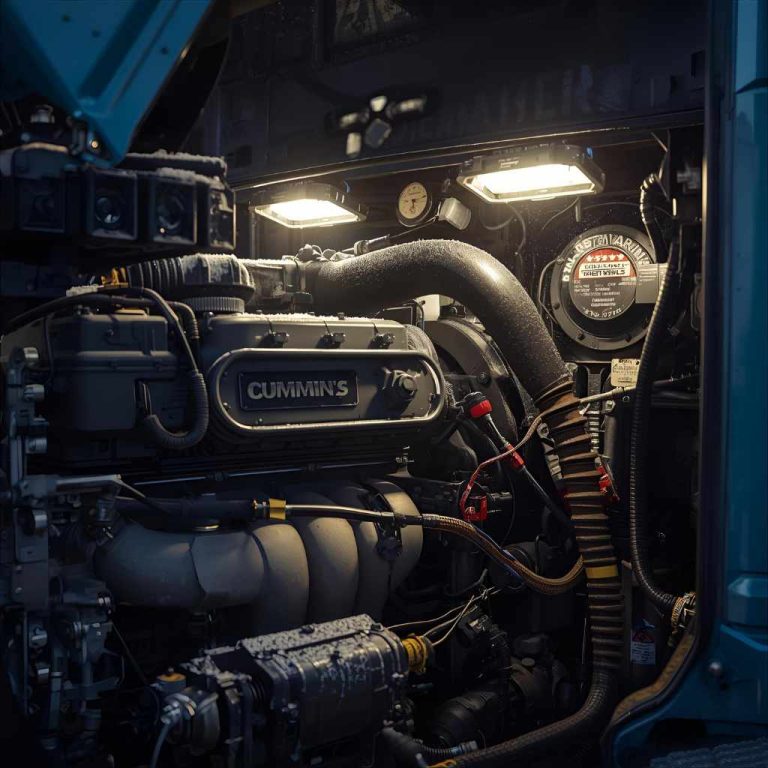
Choosing between a dipstick heater and a block heater depends on your vehicle, your climate, and your priorities. I’ve owned both gas and diesel vehicles, and I’ve learned that diesel engines, in particular, benefit from block heaters. Diesels are harder to start in the cold because their fuel needs higher temperatures to ignite properly. A block heater warms the entire engine, making it a better fit for diesel trucks or heavy equipment.
For gas-powered cars, it’s a closer call. If you’re in a place like Wisconsin or Minnesota, where temperatures regularly drop below zero, a block heater’s ability to warm the whole engine is a big advantage. But if you’re in a milder climate or just want a cheap, temporary solution, a dipstick heater can get the job done. I used a dipstick heater on my old Toyota for a couple of winters in Ohio, and it was fine for those 10°F mornings.
Another thing to consider is your vehicle’s setup. Some cars don’t have an easy spot for a block heater, especially if the frost plugs are hard to access or the radiator hoses are too short. In those cases, a dipstick heater or an external oil pan heater might be your only option. I once had a car where the dipstick tube was plastic, and I was nervous about using a dipstick heater in case it melted—something to check before you buy.
Maintenance and Longevity
One thing I’ve learned from using both types of heaters is that maintenance matters. Dipstick heaters are pretty low-maintenance since they’re simple devices. But you’ll want to check the heating element occasionally for signs of wear or oil buildup. I’ve heard stories of dipstick heaters burning out or creating a “hot spot” in the oil pan, which can degrade the oil over time. To be safe, I always inspect mine at the start of winter and replace it every few years.
Block heaters are more durable but not immune to issues. The electrical cord can fray over time, especially if it’s exposed to snow and ice. I make a point to coil mine up neatly when not in use to avoid damage. If you have a frost plug heater, you’ll also want to check for coolant leaks around the installation point. A friend of mine had a poorly installed block heater that leaked coolant, and it was a pricey fix.
Both heaters can last for years if you take care of them, but block heaters tend to be more robust because they’re designed for heavy-duty use. Just make sure to unplug them in the summer to avoid unnecessary wear.
Environmental Impact and Safety
Let’s talk about the bigger picture. Cold starts aren’t just hard on your engine—they’re bad for the environment, too. A cold engine burns more fuel and produces more emissions until it reaches operating temperature. Both dipstick and block heaters help reduce this by making starts easier and cutting down on idling time. I’ve noticed that my car uses less gas on winter mornings when I use a heater, which is a win for my wallet and the planet.
Safety is another consideration. Dipstick heaters are generally safe, but there’s a small risk of overheating the oil if the heater’s too powerful for your engine. I always double-check the wattage and make sure it’s compatible with my vehicle. Block heaters are safer in that regard since they’re designed to heat coolant evenly, but you’ll want to ensure the installation is done right to avoid leaks or electrical issues.
One tip I’ve picked up is to use a heavy-duty extension cord rated for outdoor use. I learned this the hard way when a cheap cord started fraying in the snow. Also, if you’re using a timer, make sure it’s designed for high-wattage devices to avoid overheating.
My Personal Take: Which One Do I Prefer?
After years of experimenting with both, I lean toward block heaters for most situations. They’re more effective at warming the entire engine, which means smoother starts and faster cabin heat—two things I really appreciate on a -10°F morning. But I can’t deny the appeal of dipstick heaters for their simplicity and low cost. If you’re on a budget or only need a heater for occasional cold snaps, they’re a great choice.
Ultimately, it comes down to your needs. If you live in a place with harsh winters or drive a diesel vehicle, a block heater is worth the investment. If you’re in a milder climate or just want something quick and cheap, a dipstick heater will do the trick. I keep both in my garage, just in case—one for my truck and one for my wife’s car.
Conclusion
Winter doesn’t have to be a battle between you and your car’s engine. Whether you choose a dipstick heater or a block heater, both can make those freezing mornings a little less painful. I’ve spent enough winters wrestling with cold engines to know that a little preparation goes a long way. Dipstick heaters are affordable and easy to use, perfect for milder climates or budget-conscious drivers. Block heaters, while pricier and trickier to install, are the gold standard for extreme cold and diesel vehicles. Whichever you pick, you’re taking a step toward protecting your engine, saving fuel, and staying comfortable on the road.
So, next time you’re staring at a frosty windshield, plug in your heater, grab a cup of coffee, and let your engine warm up the smart way. Your car (and your sanity) will thank you!
FAQs
What’s the main difference between a dipstick heater and a block heater?
A dipstick heater warms the engine oil by sliding into the dipstick tube, while a block heater heats the engine’s coolant, warming the entire engine block. Dipstick heaters are easier to install but less effective in extreme cold.
Are dipstick heaters safe for my engine?
Yes, they’re generally safe if you use the right wattage for your vehicle. But there’s a small risk of overheating the oil near the heater, which could degrade it over time. Always check your vehicle’s compatibility.
How long should I plug in a block heater?
For most block heaters, 2 to 4 hours is enough to warm the engine. In very cold weather (below -15°F), you might leave it plugged in overnight, but a timer can help save electricity.
Can I use a dipstick heater on a diesel engine?
You can, but block heaters are usually better for diesels because they warm the entire engine, which helps with the higher temperatures needed for diesel fuel ignition.
Do I need a heater if I use synthetic oil?
Synthetic oils, like 0W-20 or 5W-30, flow better in cold weather, so you might not need a heater in milder climates. But in extreme cold, a heater still helps reduce engine wear and improve starting.