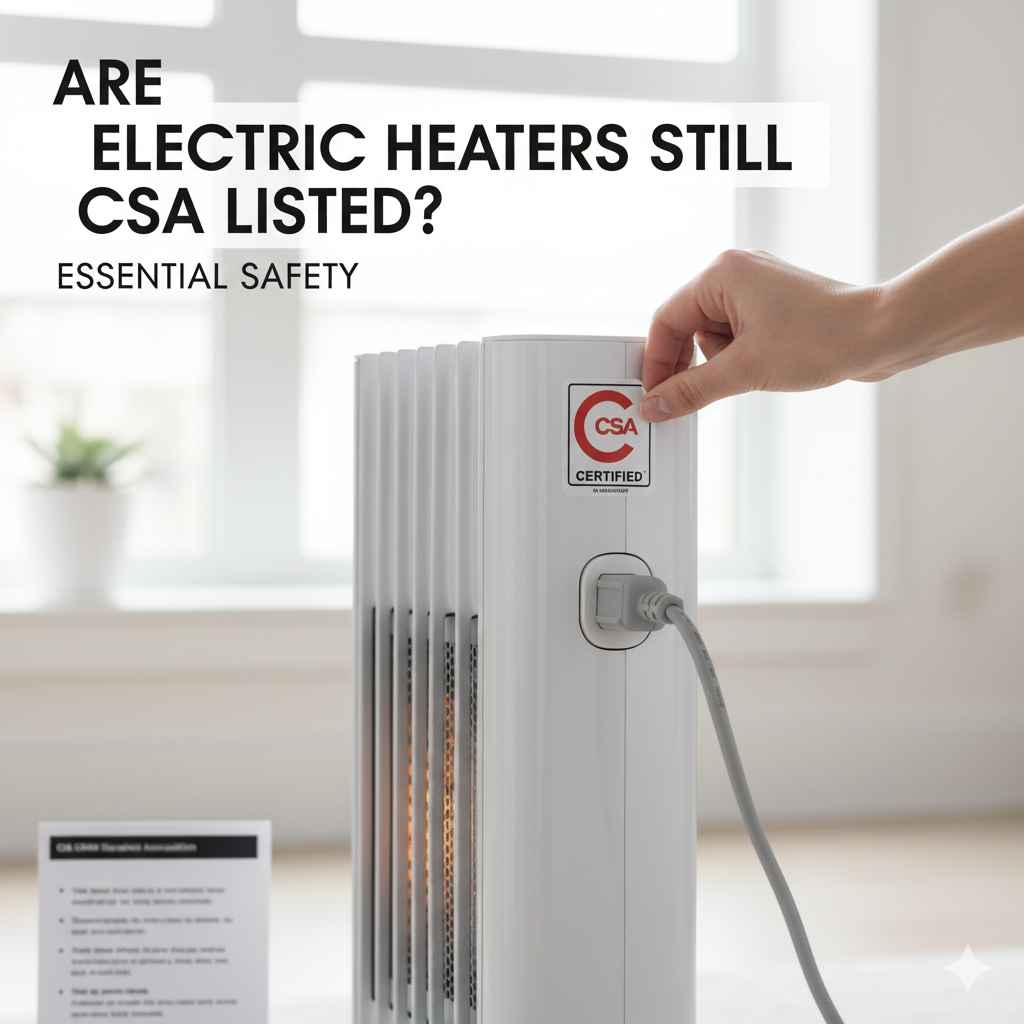
Yes, absolutely! Most new electric heaters sold in North America are still CSA listed, ensuring they meet rigorous safety standards. Always look for the CSA mark to guarantee your heater is safe and reliable for your home.
Hey there! It’s Tanim, your go-to guide for all things home heating. You know how frustrating it can be when the weather turns chilly, and you’re left wondering if that electric heater you’re considering is actually safe to use? It’s a common worry, and rightfully so! We all want to stay warm and cozy without any risks.
That’s why today, we’re diving deep into a question many homeowners ask: “Are electric heaters still CSA listed?” We’ll break down exactly what that little mark means, why it’s so important for your safety, and how to easily spot it on your next purchase. No confusing tech talk, just simple, clear guidance to help you choose and use electric heaters with complete confidence. Let’s get started on making your home warmer and safer!
Understanding the CSA Mark: Your Safety Guarantee
When you’re looking for an electric heater, you’ve probably seen a tiny symbol on the box or the heater itself. This symbol is usually a circle with “CSA” inside it. But what does it really mean? Think of the CSA mark as a stamp of approval from a trusted safety organization. CSA stands for the Canadian Standards Association (now CSA Group), and they are dedicated to ensuring products are safe for consumers and the environment.
For electric heaters, this mark signifies that the product has been thoroughly tested and meets strict safety requirements. These requirements cover everything from electrical safety to fire prevention and performance. When a heater is CSA listed, it means an independent third-party laboratory has verified that it complies with applicable safety standards.
Why “CSA Listed” Matters for Electric Heaters
Safety is, of course, the number one priority when bringing any electrical appliance into your home, especially one that generates heat. Electric heaters, by their nature, involve elements that get very hot. This is why proper design and manufacturing are crucial to prevent accidents like overheating, electrical shorts, or even fires. The CSA listing provides that essential layer of assurance.
Here’s why you should always prioritize a CSA-listed electric heater:
- Fire Prevention: CSA standards ensure that heaters are designed with features like overheat protection, stable bases to prevent tipping, and materials that can safely withstand high temperatures. This significantly reduces the risk of fire.
- Electrical Safety: It confirms that the wiring, insulation, and electrical components are safe and won’t pose a shock hazard.
- Performance and Reliability: While primarily focused on safety, the testing also ensures the heater performs as advertised and is built to last with proper use.
- Peace of Mind: Knowing your heater has met rigorous safety benchmarks allows you to use it with confidence and peace of mind, especially important in homes with children or pets.
- Regulatory Compliance: In many regions, selling electrical products that are not certified by an accredited organization like CSA is illegal. So, a CSA mark often means the product meets legal safety requirements in your area.
You might also see other similar marks, such as UL (Underwriters Laboratories) or ETL (Electrical Testing Laboratories). These are also reputable third-party certification marks and indicate that the product has met safety standards. The key is to look for any recognized safety certification mark.
How to Spot the CSA Mark on Electric Heaters
Finding the CSA mark on an electric heater is usually quite straightforward. It’s typically placed in a few key locations:
- Product Packaging: The most common place to find certification marks is on the product’s box. Look for a label or imprint that includes the CSA logo.
- The Heater Itself: Check the appliance for a small label, often found on the back, bottom, or near the power cord. This label usually contains the model number, serial number, manufacturer information, and certification marks.
- User Manual/Instruction Booklet: The manual that comes with your heater will almost always list the safety certifications the product holds.
The CSA mark typically looks like this: a circle with “CSA” in the center, often accompanied by other symbols or letters depending on the specific product type and standards it meets (e.g., CSAus for the US and Canada). If you’re unsure, compare the symbol on the heater to examples you can find on the CSA Group website.
Are All Electric Heaters CSA Listed?
While the vast majority of new electric heaters sold in reputable stores and online marketplaces in North America are CSA listed or certified by similar recognized bodies, it’s not an absolute guarantee for every single product out there. There might be:
- Older Models: Very old heaters might have been manufactured before current certification standards were widely adopted or when different certification marks were in use.
- Imported or Discount Items: Sometimes, very cheaply made, unbranded, or directly imported heaters (especially from online-only sellers with less oversight) might slip through without proper certification.
- Specialty or Industrial Heaters: Some highly specialized heaters might have different certification pathways.
As a general rule, if you’re buying from a known retailer or a reputable brand, the likelihood of a heater being CSA listed is very high. However, it always pays to do a quick check. Never assume; always look for the mark.
Beyond the CSA Mark: Other Essential Safety Features
While the CSA mark is your primary indicator of safety, modern electric heaters come with several built-in features designed to enhance safety. When choosing a heater, look for these features in addition to the CSA listing:
| Safety Feature | What It Does | Why It’s Important |
|---|---|---|
| Automatic Shut-off (Overheat Protection) | If the heater’s internal temperature gets too high, this feature automatically turns the unit off to prevent damage or fire. | Crucial for preventing fires caused by malfunctions or when the heater is accidentally covered. |
| Tip-Over Switch | If the heater is accidentally knocked over, this switch immediately cuts off the power supply. | Prevents fires and immediate damage if the heater falls on carpet or other flammable materials; essential for homes with pets or active children. |
| Cool-Touch Exterior | The outer casing of the heater stays relatively cool, even when the unit is in operation. | Reduces the risk of accidental burns, making it safer to be around, especially for households with young children or elderly individuals. |
| Thermostat Control | Allows you to set and maintain a specific temperature, preventing the heater from constantly running at maximum heat. | Helps prevent overheating and can also contribute to energy efficiency by cycling the heating element on and off as needed. |
| Stable Base Design | Heaters with wider, more stable bases are less likely to tip over accidentally. | A physical design feature that complements the tip-over switch and overall stability. |
| Indicator Lights | A clear light indicating when the heater is on and when the heating element is active. | Provides visual confirmation that the unit is operational, helping users avoid accidental contact or leaving it on unknowingly. |
When you’re shopping, don’t hesitate to check the product description or ask a sales associate about these features. They all contribute to a safer heating experience.
Different Types of Electric Heaters and Their CSA Status
Electric heaters come in many forms, from small personal heaters to large space heaters. The good news is that regardless of the type, the requirement for safety certification remains the same. Here’s a quick look at common types and what to expect regarding their CSA listing.
- Ceramic Heaters: These use a ceramic element to heat up and a fan to distribute warm air. They are very popular for personal use and small rooms. Look for the CSA mark on all ceramic heaters.
- Convection Heaters: These heat the air directly and then circulate it around the room. They often have a quieter operation. Ensure they are CSA certified.
- Oil-Filled Radiators: These electric heaters contain oil that heats up and then radiates heat. They tend to provide a more consistent, gentle warmth and are generally considered very safe, but always check for the CSA label.
- Infrared Heaters (Radiant Heaters): These use infrared radiation to heat objects and people directly, rather than the air. While they don’t heat the air, their heating elements still get hot, so CSA certification is vital.
- Fan Heaters (Tip-Over Fan Heaters): Compact units that use a fan to blow air over a heating element. Their design necessitates robust safety features, making the CSA mark essential.
- Baseboard Heaters: Often permanently installed, these are designed for long-term room heating. Even these can and should be CSA listed. Installation of these may require a qualified electrician.
The type of electric heater doesn’t change the need for safety. Always, always look for that CSA mark (or equivalent like UL, ETL) on any electric heater you consider purchasing.
Tips for Safe Use of Electric Heaters
Once you’ve ensured your electric heater is CSA listed and equipped with essential safety features, proper usage is the next critical step in guaranteeing safety and efficiency. Here’s a simple guide:
Placement is Key: Keeping Your Heater Safe
Where you place your heater is crucial for both safety and effectiveness.
- Maintain Clearances: Always keep heaters at least 3 feet (about 1 meter) away from anything flammable. This includes curtains, drapes, furniture, bedding, paper, and clothing. Check the manufacturer’s manual for specific clearance recommendations.
- Stable, Level Surface: Place your heater on a hard, level, and stable surface. Avoid placing it on top of furniture that could tip easily or on carpets that could potentially overheat (unless the heater is specifically designed for carpet use and has a stable base).
- Avoid High-Traffic Areas: Don’t put the heater where people might trip over the cord or accidentally bump into it.
- No Damp Areas: Never use electric heaters in bathrooms, laundry rooms, or other damp or wet environments. Water and electricity are a dangerous combination. Look for heaters specifically designed and rated for bathroom use if needed, but generally, it’s best to avoid.
- Plug Directly into Wall Outlet: Avoid using extension cords or multi-plug adapters. These can overheat and pose a fire risk, especially with high-wattage appliances like heaters. If you absolutely must use an extension cord, ensure it is heavy-duty, rated for the appliance’s wattage, and in good condition. The <a href=”https://www.nfpa.org/education-and-research/home-fire-/campaigns/put-a-little-distance-there-are-no-short-cuts/resources/tips-for-safe-portable-heaters” target=”_blank” rel=”noopener noreferrer”>National Fire Protection Association (NFPA) strongly advises against using extension cords with portable heaters.
Operation Guidelines: Using Your Heater Wisely
Follow these simple rules for operating your electric heater day-to-day:
- Never Leave Unattended: Do not leave a portable electric heater running when you are sleeping or when the room is unoccupied.
- Turn Off When Not in Use: Always turn off and unplug your heater when you leave the room, go to bed, or don’t need it anymore.
- Check the Cord: Periodically inspect the power cord and plug for any signs of damage, such as fraying or cracks. If damaged, discontinue use immediately and have it repaired or replaced by a qualified professional.
- Keep Vents Clear: Ensure that the air intake and outlet vents on the heater are not blocked. Blocked vents can cause the unit to overheat.
- Child and Pet Safety: If you have children or pets, take extra precautions. Ensure the heater is out of reach, has a cool-touch exterior, and features a tip-over switch. Educate older children about heater safety.
- Understand Your Heater: Read and understand the manufacturer’s instructions and warnings before operating the heater.
Maintenance: Keeping Your Heater in Top Shape
Regular maintenance ensures your heater remains safe and efficient.
- Regular Cleaning: Dust and debris can accumulate in the vents and heating elements, reducing efficiency and potentially becoming a fire hazard. Unplug the heater and use a soft brush or vacuum cleaner attachment to gently clean the vents and exterior. Do this regularly.
- Inspect for Damage: Before each use, give the heater a quick once-over to make sure there’s no visible damage to the casing, cord, or plug.
- Store Properly: When not in use, store your heater in a safe, dry place. Make sure the cord is wound neatly and isn’t kinked or strained.
When to Replace Your Electric Heater
Even with proper care, electric heaters, like all appliances, have a lifespan. It’s important to know when it’s time to retire an old unit for a new, safer model.
Consider replacing your electric heater if:
- It’s very old (over 10-15 years), as safety standards and technology have advanced significantly.
- The power cord is frayed, cracked, or shows signs of wear.
- The unit frequently trips your circuit breaker or blows fuses.
- It makes unusual noises (grinding, sizzling, or popping) during operation.
- There are scorch marks or discoloration on the casing or near the plug.
- The safety features (like the tip-over switch or overheat protection) no longer seem to work reliably.
- It smells like burning plastic or ozone, even after cleaning.
Replacing an old or damaged heater with a new, CSA-listed model is a small investment that significantly enhances your home’s safety.
Frequently Asked Questions About CSA Listed Electric Heaters
We’ve gathered some common questions to help clear up any remaining doubts about CSA listed electric heaters.
Q1: What does “CSA Certified” mean for an electric heater?
A1: It means the electric heater has been independently tested by CSA Group (or a similar accredited lab) and meets stringent safety and performance standards for its intended use. This certification assures that the product is safe to operate when used according to the manufacturer’s instructions.
Q2: Can I use a heater that is not advertised as CSA listed?
A2: While you technically can, it’s strongly advised against. Non-certified heaters haven’t undergone rigorous safety testing and could pose significant fire or electrical shock risks. Always opt for certified appliances for your family’s safety.
Q3: Does CSA listing guarantee a heater is energy efficient?
A3: No, CSA listing primarily focuses on safety. Energy efficiency is a separate consideration. Look for features like thermostats, adjustable heat settings, and Energy Star ratings to find an energy-efficient model. Electric heaters are generally less efficient for whole-house heating compared to central systems but are great for supplemental or spot heating.
Q4: Where can I buy CSA listed electric heaters?
A4: You can find CSA listed electric heaters at most major appliance stores, home improvement retailers, department stores, and on reputable online marketplaces. It’s always best to purchase from trusted sources.
Q5: What’s the difference between CSA, UL, and ETL marks?
A5: All three are marks from reputable, independent testing laboratories indicating that a product has met U.S. or Canadian safety standards. CSA is from the Canadian Standards Association, UL is from Underwriters Laboratories, and ETL is from Intertek. A product bearing any of these marks has undergone similar safety evaluations.
Q6: How do I know if an older electric heater is still safe to use?
A6: If an older heater doesn’t have a clear, recognizable safety mark (like CSA, UL, ETL), or if its plug or cord shows any sign of wear, it’s best to replace it. It likely doesn’t meet current safety standards and could be a hazard.
These FAQs cover the most common concerns, but always refer to your specific heater’s manual for detailed safety instructions.
Conclusion
Staying warm and safe in your home should never be a compromise. We’ve learned that the CSA mark on an electric heater is a critical indicator of safety, meaning it has been thoroughly tested to meet rigorous standards, protecting your home from potential fire hazards and electrical risks. While most new electric heaters sold today are indeed CSA listed, it’s always essential to perform a quick check on the product packaging or the unit itself.