Are Electric Heaters Cheaper Than Gas to Run?
Generally, gas heating has lower annual operating costs than electric heating, but electric heaters can be cheaper for supplemental or zone heating, especially with efficient models and off-peak electricity rates. The best choice depends on your climate, energy prices, and heating needs.
Choosing how to heat your home can feel like a big decision. You want to stay warm and cozy, but also keep your energy bills from climbing too high. A common question that pops up is: “Are electric heaters cheaper than gas heaters?” It’s a smart question to ask because the answer can save you money! Don’t worry, we’ll break down the costs in a way that’s easy to understand. You’ll learn how to figure out which type of heating might be best for keeping your home warm and your wallet happy.
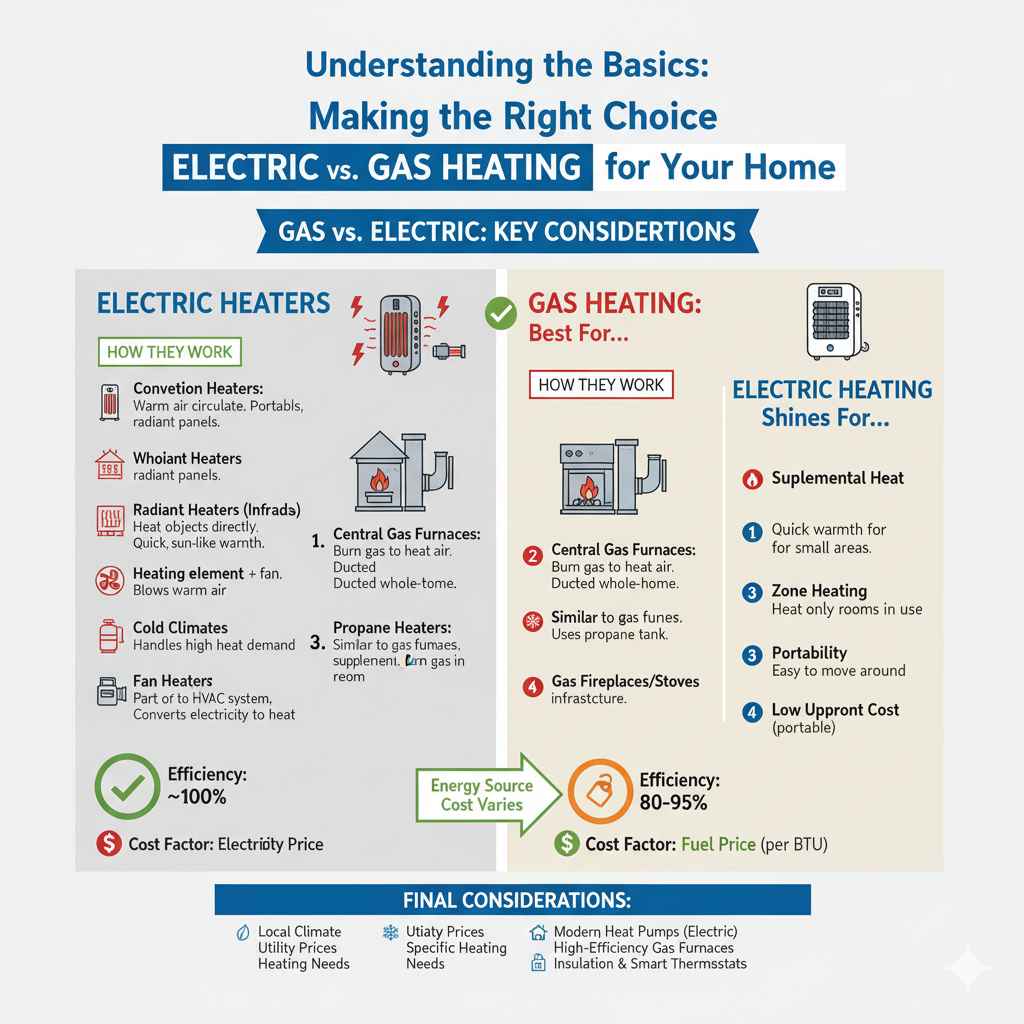
Understanding the Basics: Electric vs. Gas Heating
Let’s start by getting a clear picture of what electric and gas heaters are and how they work. This will help us compare their costs more easily.
Electric Heaters: How They Work
Electric heaters are quite straightforward. They use electricity to generate heat. There are a few common types:
- Convection Heaters: These warm up air that then circulates around the room. Think of portable space heaters or radiant panel heaters.
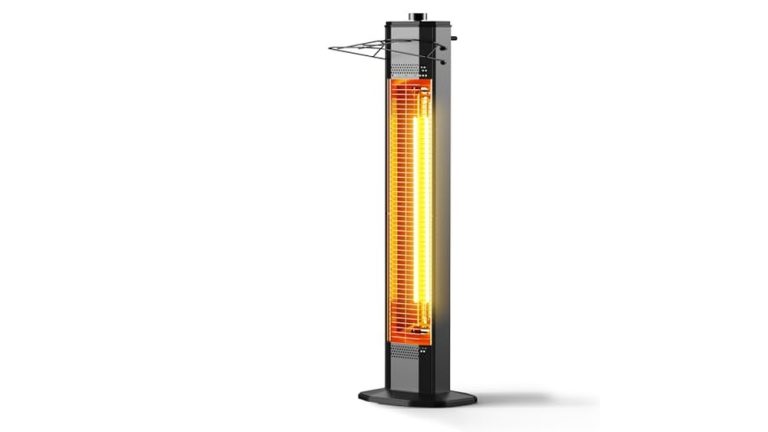
- Radiant Heaters (Infrared Heaters): These heat objects and people directly, much like the sun. They provide quick warmth.
- Fan Heaters: These use a heating element and a fan to blow warm air into a space.
- Central Electric Furnaces: These are part of a larger HVAC system, similar to gas furnaces but powered by electricity.
The main idea is that they convert electrical energy into heat. The efficiency of this conversion is usually very high – close to 100%, meaning almost all the electricity used turns into heat. However, the cost of electricity itself is a major factor in how much you pay to run them.
Gas Heaters: How They Work
Gas heaters, most commonly natural gas or propane, burn fuel to create heat. This heat is then distributed throughout your home, usually through a central heating system with ducts.
- Central Gas Furnaces: These are the most common type in homes with natural gas lines. They burn gas to heat air, which is then blown through your house.
- Propane Heaters: Used in areas without natural gas lines, these work similarly but use propane stored in a tank.
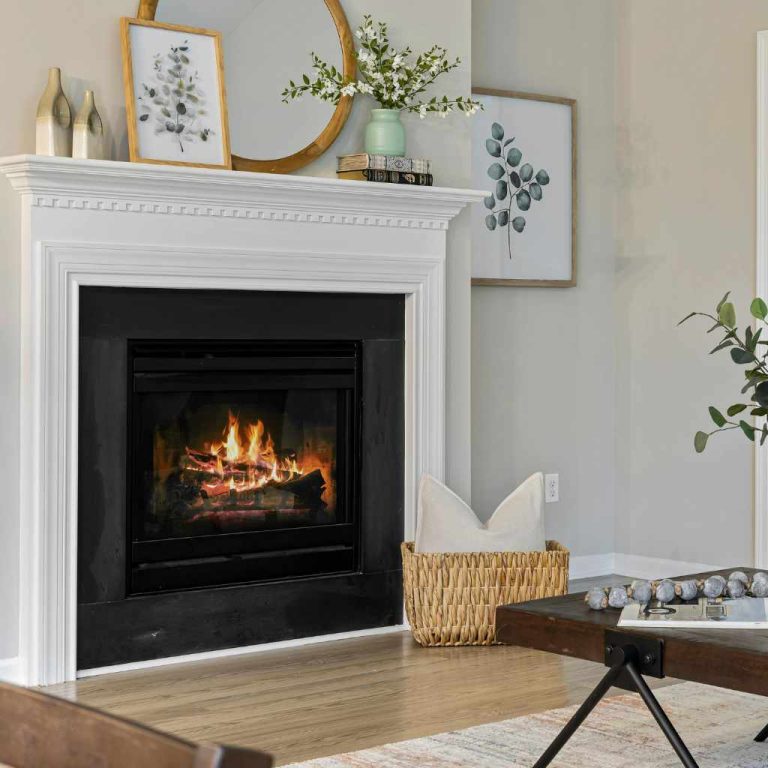
- Gas Fireplaces/Stoves: These are supplemental heating sources that burn gas directly in a room.
Gas furnaces have a “combustion efficiency” rating, usually from 80% to over 95%. This means 80-95% of the energy in the fuel is converted into usable heat. Some energy is lost up the chimney or through the exhaust. While they aren’t 100% efficient in converting fuel to heat, natural gas is often a cheaper energy source per unit of heat produced compared to electricity in many regions.
The Big Question: Cost Comparison – Electric vs. Gas
When we talk about which is “cheaper,” we usually mean two things: the upfront cost of buying and installing the system, and the ongoing cost of running it (your monthly energy bills).
Upfront Costs: Installation and Purchase Price
Generally, installing a central gas heating system can be more expensive upfront than installing a central electric furnace, especially if you don’t already have gas lines. However, for smaller, localized heating, electric space heaters are significantly cheaper to buy than a gas furnace. You can buy a portable electric heater for between $25 and $200, while a new gas furnace can cost anywhere from $2,000 to $7,000 or more to purchase and install.
If your home already has natural gas lines and ductwork, adding or replacing a gas furnace might be more cost-effective than retrofitting for electric if significant electrical upgrades are needed. Conversely, for renters or those in smaller spaces needing supplemental heat, electric heaters are the go-to due to their low initial investment and portability.
Operating Costs: Fuel and Energy Prices
This is where the real difference often shows up. The cost to run your heater depends heavily on the price of electricity versus the price of natural gas in your area.
Let’s look at this using a common unit of energy: the British Thermal Unit (BTU). A BTU is the amount of heat needed to raise the temperature of one pound of water by one degree Fahrenheit. Most heating systems are rated in BTUs.
The key is not just how much heat a system produces, but how much it costs to produce a specific amount of heat (like one million BTUs).
Here’s a simplified example of how energy costs can compare. Please note these are general estimates and actual costs will vary greatly by your location and current energy prices.
| Energy Source | Average Cost per Unit (Estimate) | Cost to Produce 1 Million BTUs (Estimate) |
|---|---|---|
| Electricity | $0.15 per kilowatt-hour (kWh) | $44.00 (assuming 100% efficiency) |
| Natural Gas | $1.50 per therm (1 therm = 100,000 BTUs) | $15.00 (assuming 95% efficiency) |
| Propane | $3.00 per gallon (approx. 91,500 BTUs/gallon) | $32.80 (assuming 95% efficiency) |
The U.S. Energy Information Administration (EIA) provides current energy price data that can help you find local rates.
As you can see from the estimated table, producing 1 million BTUs with natural gas is significantly cheaper than with electricity in this example. Propane is more expensive than natural gas but can sometimes be competitive with electricity depending on market prices. Electric heaters, even though they convert nearly 100% of electricity into heat, are often more expensive to run because electricity is a more expensive form of energy to produce heat from, per BTU, than natural gas.
When Electric Heaters Might Be Cheaper to Run
While the overall operating cost for whole-house heating often favors gas, there are scenarios where electric heating can be more cost-effective:
- Supplemental and Zone Heating: If you only need to heat a small area or a specific room for a few hours a day, a portable electric heater can be much cheaper to use than heating your entire house with a gas furnace. For example, heating your office for a few hours with a $50 electric heater is usually less expensive than running your large gas furnace to warm the whole house just for that room.
- Off-Peak Electricity Rates: Some utility companies offer lower electricity prices during times of low demand (e.g., overnight). If you have an electric heating system that can be programmed to pre-heat your home during these off-peak hours, you can save money. This is more applicable to central electric systems or heat pumps.
- Highly Efficient Electric Technologies: Modern electric heat pumps, especially in milder climates, can be very efficient and can sometimes compete with or even outperform gas heating costs, particularly if electricity prices are low or gas prices are high. They don’t generate heat by burning fuel; they move heat from one place to another. ENERGY STAR certified heat pumps are a great example of efficient electric heating.
- No Access to Natural Gas: If your home isn’t connected to a natural gas line, your options are propane (often more expensive than natural gas), oil, or electricity. In such cases, electric heating might be your most practical or cost-effective option for entire-home heating, especially if you can benefit from off-peak rates or heat pumps.
Factors Affecting Your Heating Costs
It’s not just the type of fuel that determines your bill. Several other things play a big role:
Climate and Local Energy Prices
This is arguably the biggest factor. If you live in a region where electricity is very cheap and natural gas is expensive, electricity might be the more economical choice. Conversely, in many areas, natural gas is significantly cheaper per BTU. Cold climates require more heating, so the cost difference between fuels becomes much more pronounced. You can check average utility rates on the EIA’s state electricity profiles.
Home Insulation and Sealing
An uninsulated or drafty home will lose heat quickly, no matter what type of heating system you use. Improving insulation and sealing air leaks (like around windows and doors) is one of the most effective ways to reduce your heating bills, whether you use gas or electric. According to the U.S. Department of Energy, weatherizing your home can significantly cut energy costs.
Efficiency of Your Heating System
Modern heating systems are much more efficient than older ones. For gas furnaces, look for the Annual Fuel Utilization Efficiency (AFUE) rating. A 95% AFUE furnace means 95% of the fuel energy becomes heat for your home. For electric systems, efficiency is often close to 100% in terms of converting electricity to heat, but heat pumps can have even higher “efficiency” by moving heat rather than creating it, measured by Heating Seasonal Performance Factor (HSPF).
Thermostat Settings and Usage Habits
How warm you like your home and how often you adjust your thermostat makes a big difference. Using a programmable or smart thermostat to lower the temperature when you’re asleep or away can lead to substantial savings, regardless of your heating source. Even a few degrees can make a noticeable impact on your bills.
Size and Layout of Your Home
Heating a large, multi-story home will naturally cost more than heating a small apartment. For larger homes, a central heating system (gas or electric) is usually the most practical. For smaller spaces or areas that are difficult to heat with the central system, electric space heaters can be a more targeted and cost-effective solution.
Calculating Your Potential Savings
Let’s walk through how you can estimate your own savings. The goal is to compare the cost of heating a specific space for a specific amount of time using different methods.
Step 1: Determine Your Heating Needs
Are you heating your whole house, a single room, or just a small area? How many hours a day will the heat be on?
- Whole House: This typically involves a central furnace or heat pump.
- Specific Room/Zone: This is where a portable electric heater or electric baseboard heater might be used.
Step 2: Find the BTU Output of Your Heater
Heaters are usually rated in BTUs per hour (BTU/hr). You can find this on the appliance’s label or in its manual.
- Typical electric space heaters: 1,500 to 5,000 BTUs/hr.
- Gas furnaces: 50,000 to 150,000+ BTUs/hr.
Step 3: Figure Out Your Local Energy Prices
You’ll need the price of electricity (per kWh) and natural gas (per therm) in your area. Check your utility bills or the utility’s website.
Step 4: Convert Energy Units (If Necessary)
To compare apples to apples, we need to see how much it costs to deliver the same amount of heat.
- Electricity: 1 kWh = 3,412 BTUs.
- Natural Gas: 1 therm = 100,000 BTUs.
Let’s imagine you want to heat a small office for 8 hours a day, and you’re considering a portable electric heater. Suppose your local electricity costs $0.15 per kWh and your natural gas costs $1.50 per therm, and assume your main furnace is 95% efficient.
Example Calculation for a Small Space:
Let’s use a 1,500-watt (1.5 kW) portable electric heater running for 8 hours.
- Total electricity used: 1.5 kW 8 hours = 12 kWh
- Cost of electricity: 12 kWh $0.15/kWh = $1.80 per day
- Total BTUs produced: 12 kWh 3,412 BTUs/kWh = 40,944 BTUs
Now, let’s compare this to trying to achieve the same 40,944 BTUs using your central gas furnace.
- BTUs needed from gas (accounting for 95% efficiency): 40,944 BTUs / 0.95 = 42,046 BTUs
- Therms of gas needed: 42,046 BTUs / 100,000 BTUs/therm = 0.42 therms
- Cost of gas: 0.42 therms $1.50/therm = $0.63 per day
In this specific example, running the gas furnace for 8 hours to get the equivalent heat in that small area would be cheaper than using the electric heater. This highlights how crucial local energy prices are. However, the electric heater allows you to only heat that small area, while the gas furnace heats the whole house. If you only need heat in that one spot for a few hours, the electric heater saves you from heating an empty house.
Key takeaway: For localized, temporary heating, even if the per-BTU cost of electricity is higher, the ability to heat only the required space can make electric heaters a more economical solution than running a whole-house system.
Types of Efficient Electric and Gas Heating Options
When looking to save money, it’s always best to consider the most efficient options available for both electric and gas systems.
Efficient Electric Heating Systems
- Heat Pumps: These are highly efficient because they move heat rather than generating it. In winter, they extract heat from the outside air (even when it’s cold) and transfer it inside. Energy Saver from the DOE has more details.
- ENERGY STAR Certified Electric Heaters: Look for models that have good safety features and are designed for efficient operation.
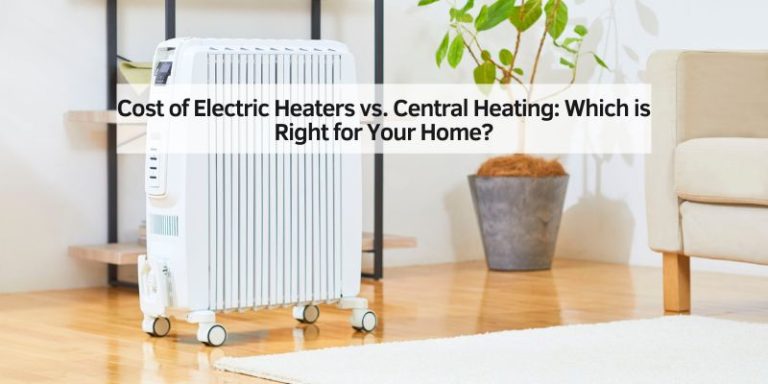
- Ceramic and Oil-Filled Radiators: These types of electric heaters often provide more even heat distribution and can be more energy-efficient than basic coil radiant heaters for continuous room heating.
Efficient Gas Heating Systems
- High-Efficiency (Condensing) Furnaces: These have AFUE ratings of 90% or higher and capture extra heat from exhaust gases.
- Sealed Combustion Furnaces: These units draw combustion air from outside the home, which can improve indoor air quality and efficiency.
- Regular Maintenance: Even the most efficient gas furnace will lose efficiency if it’s not maintained. Annual check-ups are crucial.
Making the Right Choice for Your Home
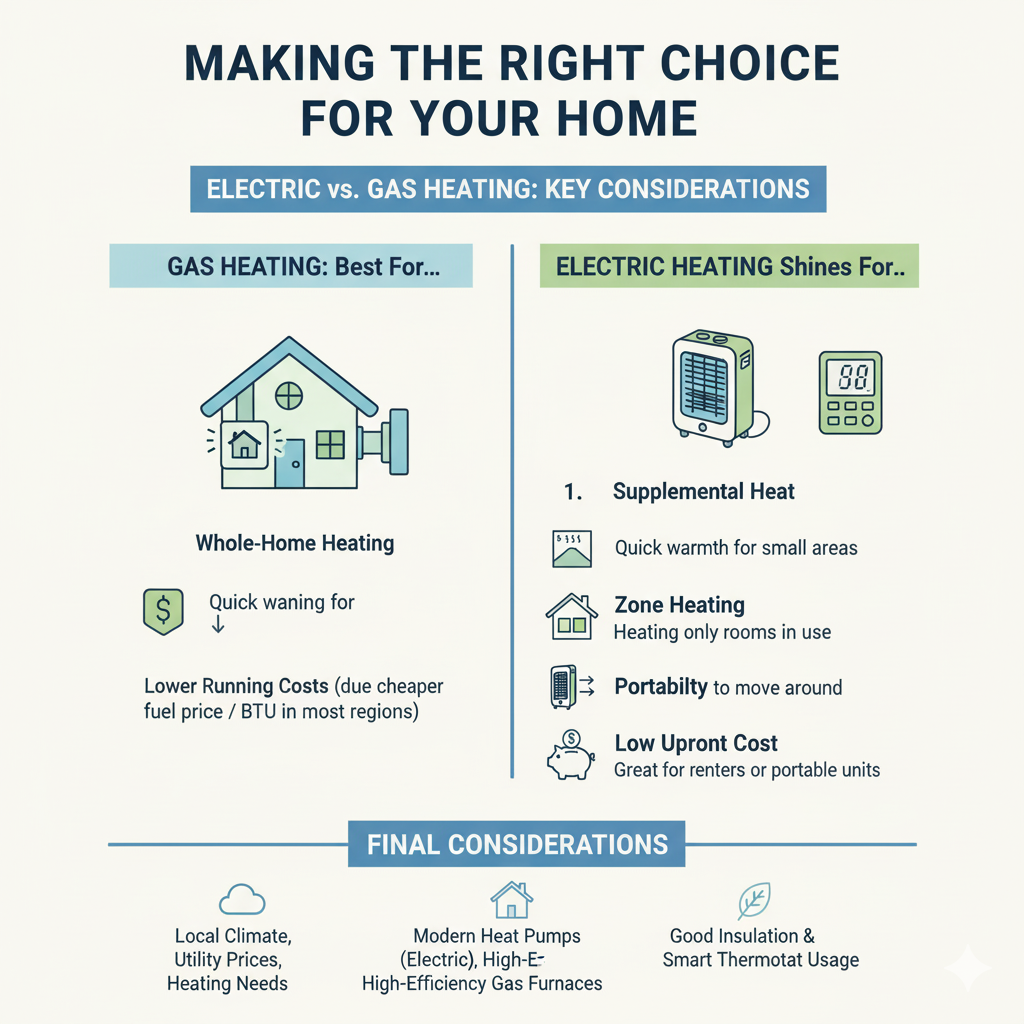
So, to wrap it up: are electric heaters cheaper than gas? For overall whole-house heating, gas generally has lower running costs due to cheaper fuel prices per BTU in most regions. However, electric heaters shine for:
- Supplemental Heat: Quickly warming a small area without running your main system.
- Zone Heating: Heating only the rooms you use.
- Portability: Easy to move where you need warmth.
- Low Upfront Cost: Great for renters or budget-conscious buyers of portable units.
Your decision should factor in your local climate, the price of utilities in your area, and your specific heating needs. For complete whole-home heating, consider modern, high-efficiency options like natural gas furnaces or electric heat pumps, and always prioritize good insulation and smart thermostat usage.
Frequently Asked Questions (FAQ)
Q1: Is it always more expensive to heat with electricity than gas?
Not always. While natural gas is typically cheaper per BTU than electricity in most areas, electric heaters can be cheaper to run for temporary or localized heating (like a space heater in one room) because you’re only heating a small area, rather than your whole house.