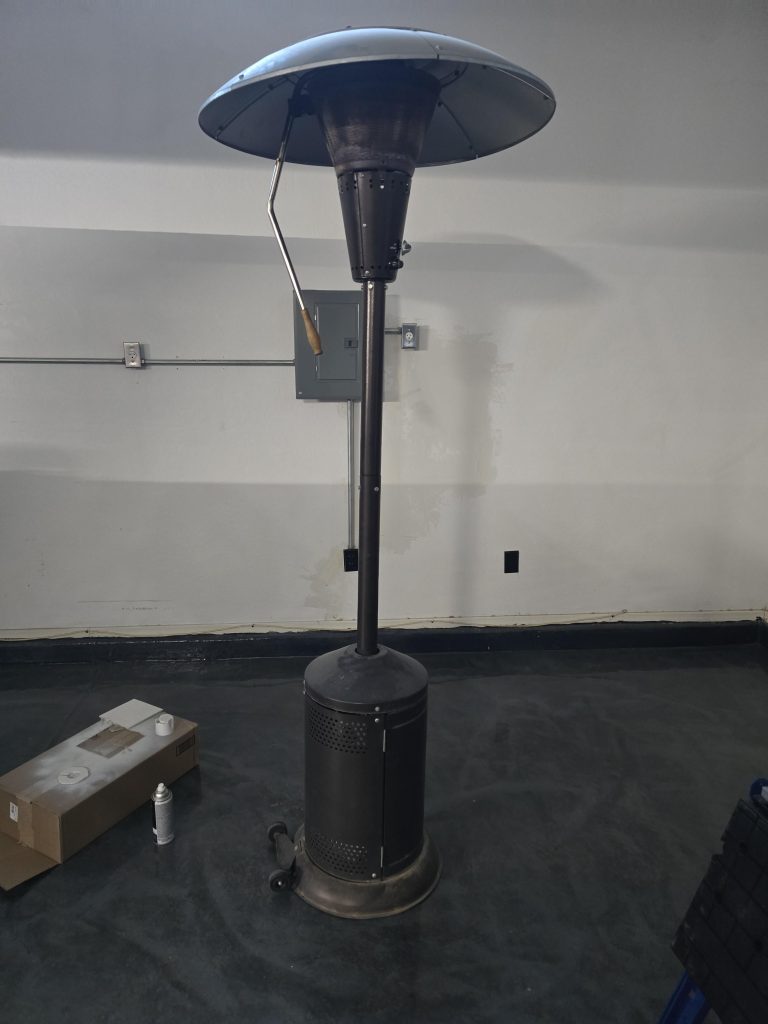
Are Patio Heaters Dangerous: Uncovering the Risks
Are you considering adding a patio heater to your outdoor space? As the chill of the evening sets in, patio heaters promise warmth and comfort, extending the time you can enjoy your backyard or balcony.
But, have you ever paused to wonder, “Are patio heaters dangerous? ” This question might have crossed your mind, especially if you have children or pets, or if safety is your top priority. Understanding the potential risks is crucial before making a decision.
We’ll dive into the facts you need to know about patio heaters. By the end, you’ll feel confident about whether a patio heater is the right choice for you and your family. So, stay with us as we uncover the truth and ensure your outdoor experience is not just cozy, but safe too.

Credit: www.backyardpoolsuperstore.com
Types Of Patio Heaters
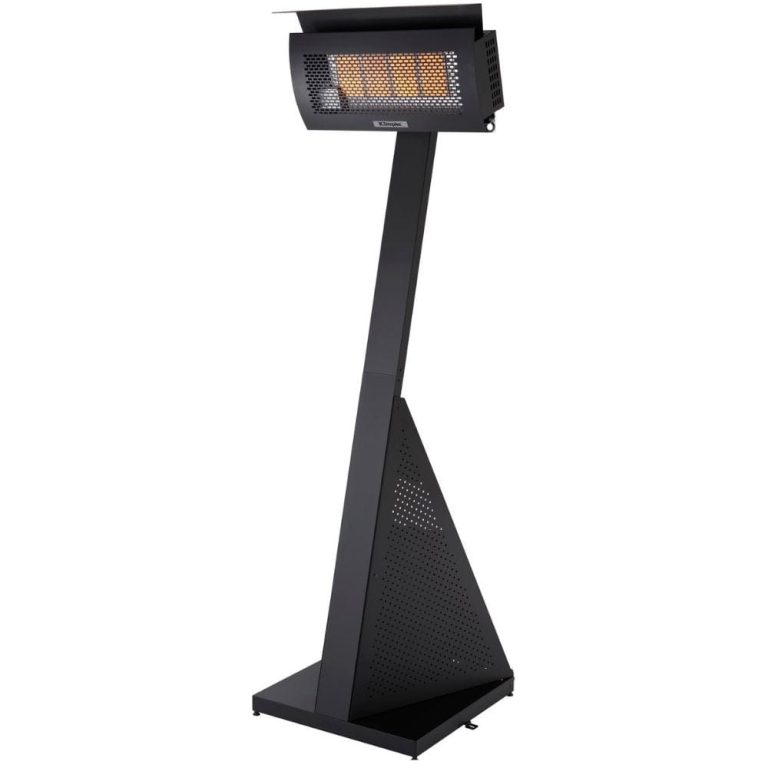
Electric patio heaters are easy to use. They plug into a power source. These heaters have no flame. This makes them safer. They are often used indoors and outdoors. They come in different sizes. Choose the right size for your space.
They heat up quickly. This is good for small gatherings. Electric heaters do not need gas or fuel. They are environmentally friendly. They make no noise. This is great for quiet nights.
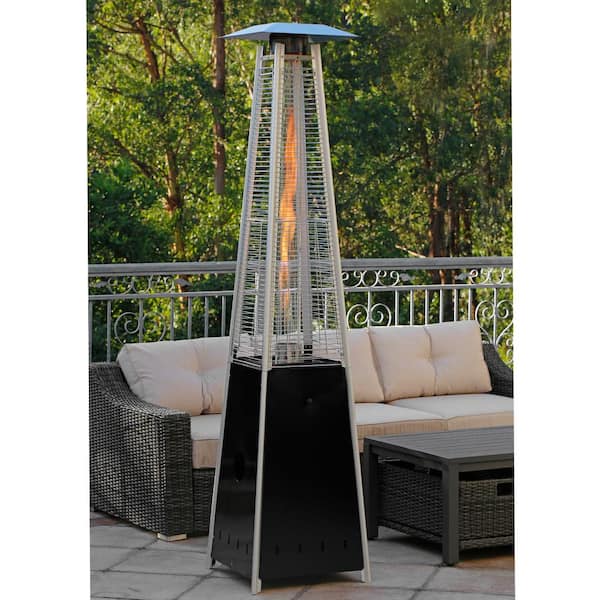
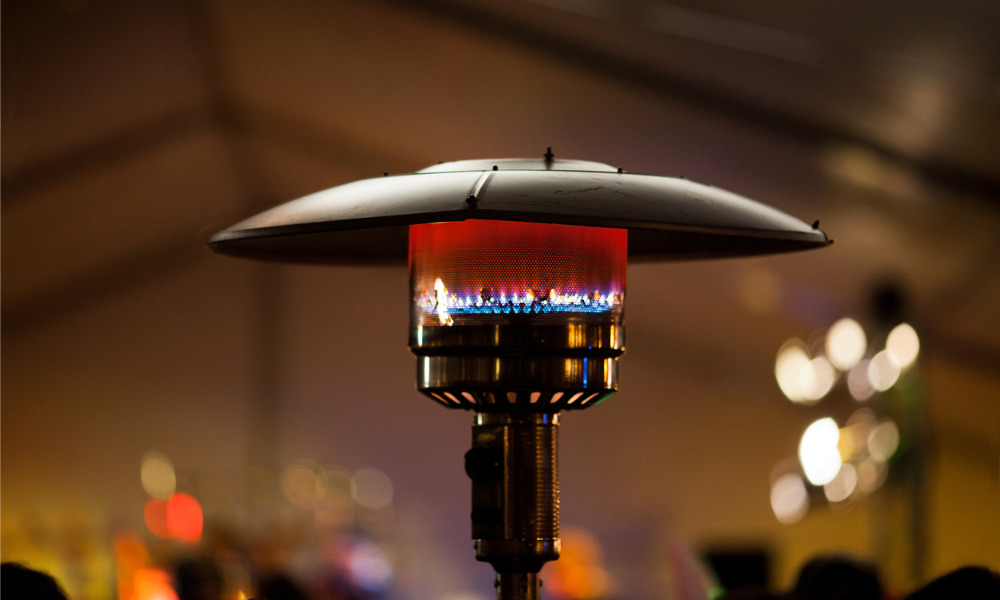
Gas-powered heaters use natural gas. These heaters are good for large spaces. They give off a lot of heat. They have a real flame. This can be dangerous if not careful.
Gas heaters need a gas line. This is not always easy to set up. They are not as portable as other heaters. You can’t move them around easily. Safety checks are important. Always watch children near these heaters.
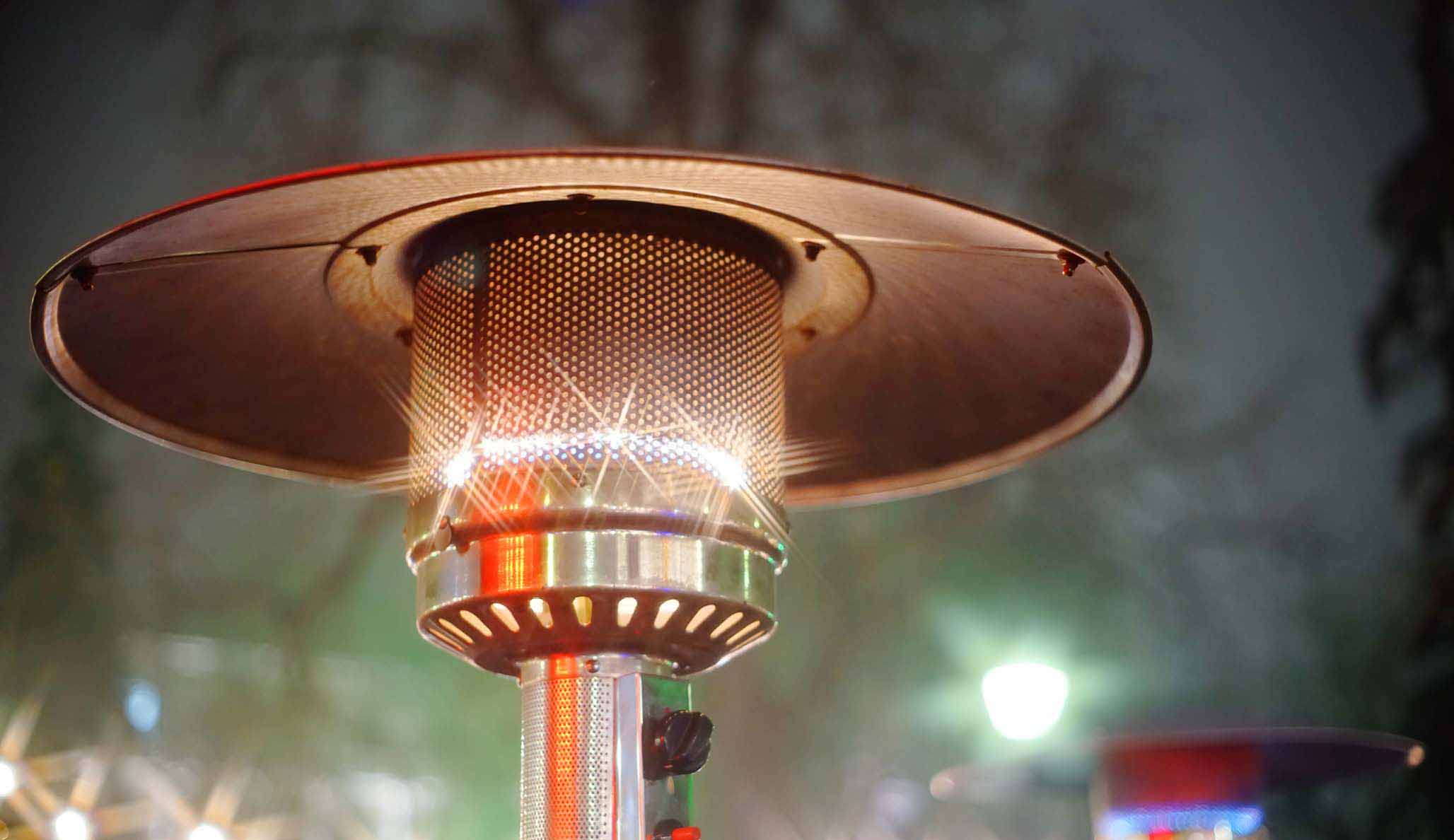
Propane heaters are portable. They use a propane tank. This makes them easy to move. They are great for outdoor parties. These heaters give off strong heat.
Propane heaters have a real flame. This means you must be careful. Always check the tank for leaks. Keep them away from flammable items. Always follow safety instructions.
Credit: www.ferrellgas.com
Potential Fire Hazards
Patio heaters can catch fire if nearby materials are flammable. Keep cloth, paper, and wood far from heaters. A safe distance is essential for safety.
Using patio heaters wrongly can cause danger. Read and follow all safety instructions. Misusing heaters can lead to serious accidents. Always turn off heaters after use.
Wind can cause heaters to fall. This can start a fire. Keep heaters stable and secure. Rain and snow can damage heaters too. Use covers to protect them.
Health Concerns And Emissions
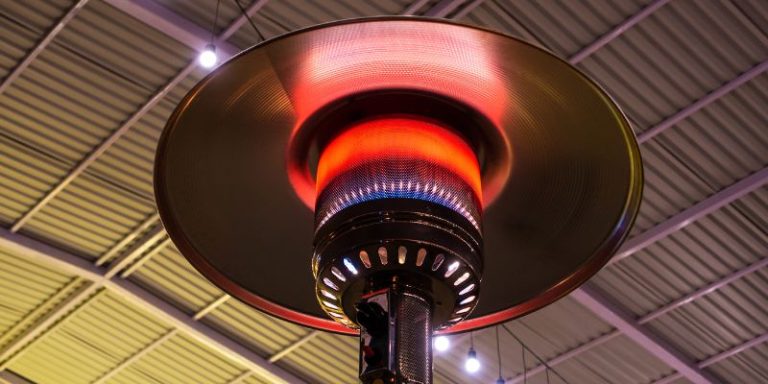
Patio heaters can produce carbon monoxide. This gas is invisible and dangerous. Breathing too much can make you sick. It can even be deadly. Always use heaters outside in open air. Never use them indoors or in closed spaces.
Heaters may affect air quality. They emit gases that can pollute the air. Smoke and fumescan irritate lungs. Sensitive people might find it hard to breathe. Keeping the area ventilated helps reduce these risks.
Being near heaters for long times can be harmful. It can cause dizziness or headaches. It may lead to nausea or confusion. It’s important to take breaks from being near heaters. Safety firstalways.
Safety Features And Innovations
Patio heaters have smart features. One important feature is the auto shut-off mechanism. This feature turns off the heater if it gets too hot. It keeps everyone safe.
Heaters also have tilt switches. If the heater tips over, it stops working. This prevents fires and accidents. The heater stays safe even on windy days.
Many heaters come with safety certifications. These are like badges of approval. They show that the heater has passed important safety tests. Always check for these certifications before buying.
Safe Usage Tips
Place patio heaters on a flat surface. Avoid uneven ground. Keep the heater away from flammable objects. Maintain a safe distance from walls. Ensure the area is well-ventilated. This prevents dangerous gas buildup.
Check your heater for damage often. Look for gas leaks. Clean the heater regularly. Remove dust and dirt. Inspect the gas connections. Make sure they are tight. This helps the heater work safely.
Read the manual provided. Follow the instructions given. Do not modify the heater. Use it as directed. Contact the manufacturer for help if needed. This ensures safe and proper use.
Credit: www.thesafetymag.com
Legal And Regulatory Considerations
Patio heaters can be fun but need rules. Local regulations decide if you can use them. Some cities have strict rules. Others are more relaxed. Always check your city’s rules first. This helps avoid trouble.
Building codes matter for safety. Patio heaters must follow these codes. They tell you where to place heaters. Codes also say how far from walls. These rules keep everyone safe. Breaking them can be risky.
Insurance is important. It protects homes. Using a patio heater can affect insurance. Some companies need special coverage. Others may not cover fire accidents. Always talk to your insurance agent. Ensure your policy is right for heaters.
Alternatives To Patio Heaters
Outdoor fireplaces offer a cozy atmosphere. They provide warmth and a focal point. Kids love the dancing flames. They are safer than patio heaters. They can be gas or wood burning. Choose the best type for your yard. Enjoy evenings around the fire with family.
Heat lamps are a great option. They are easy to use and install. They warm a small area effectively. Some models are portable. They can be placed anywhere. Ensure proper safety measures are followed. Keep them away from flammable materials.
Warm clothing keeps you comfortable. Layering helps trap body heat. Choose thermal wear for extra warmth. Jackets, gloves, and hats are essential. Wool and fleece materials are recommended. Enjoy outdoor activities without feeling cold. Stay cozy and safe.
User Experiences And Testimonials
Many users appreciate the warmth of patio heaters during chilly evenings. Some express concerns about safety, highlighting the importance of proper usage. Testimonials often mention the need for careful placement and maintenance to avoid risks.
Positive Experiences
Many people enjoy using patio heaters. They find them safe and easy. A warm patio means more time outside. Friends and family gather comfortably. Some users say the heat is cozy. Others mention the simple controls. Many like the compact design. It’s easy to move around. Overall, users feel satisfied.
Accident Reports
Accidents with patio heaters happen. Some reports talk about burns or fires. A heater might tip over. Wind can be a problem. Kids or pets might get too close. Some people forget to turn it off. A few heaters have faulty parts. Most accidents can be avoided. Safety checks are crucial.
Lessons Learned
Users learn valuable lessons from accidents. Always keep a safe distance. Check for faulty parts often. Place heaters on flat surfaces. Avoid using heaters in strong winds. Supervise children and pets nearby. Safety comes first. Read the manual carefully. This helps prevent mishaps.
Frequently Asked Questions
Are Outdoor Patio Heaters Safe?
Outdoor patio heaters are generally safe when used correctly. Choose models with safety features like tip-over protection. Ensure proper ventilation and keep heaters away from flammable materials. Regularly inspect for damage and follow manufacturer instructions. Safety precautions enhance enjoyment and warmth during chilly nights.
Why Are Outdoor Heaters Banned In France?
Outdoor heaters are banned in France to reduce carbon emissions and promote environmental sustainability. The ban encourages energy conservation and supports the country’s climate change goals. France aims to transition to eco-friendly alternatives and enhance public awareness about environmental impact.
How Long Can I Leave My Patio Heater On?
Leave your patio heater on for no more than 3 to 4 hours. Always follow manufacturer guidelines for safety. Regularly check for overheating. Turn off the heater when not in use to save energy and reduce risks.
Do Propane Patio Heaters Give Off Carbon Monoxide?
Yes, propane patio heaters can emit carbon monoxide. Ensure proper ventilation to prevent buildup of dangerous gases. Regular maintenance and monitoring are crucial for safe usage. Always follow manufacturer guidelines and safety instructions to minimize risks.
Conclusion
Patio heaters can be safe with proper use. Always follow the manufacturer’s instructions. Ensure clear space around the heater. Keep it on stable ground. Regular maintenance is crucial. Check for gas leaks. Turn off when not in use. Store safely during off-season.
Choose heaters with safety features. Supervise children and pets around heaters. Awareness reduces risks significantly. Enjoy warmth without worry. Stay informed and cautious. Your outdoor experience can be both cozy and safe.