Can You Leave a Patio Heater Outside in the Rain: Safety Tips
Have you ever wondered if you can leave your patio heater outside in the rain? It’s a common question, especially if you love spending time outdoors, even when the weather isn’t perfect.
You want to enjoy the warmth and comfort of your patio heater without constantly worrying about bringing it inside. But is it safe to leave it outside when the skies open up? Imagine this: a sudden downpour catches you off guard while you’re enjoying a cozy evening on your patio.
You’re left wondering if your beloved patio heater can withstand the rain. Understanding whether your heater can brave the elements is crucial, not just for its longevity, but for your peace of mind too. We’ll dive into the dos and don’ts of leaving your patio heater in wet conditions. You’ll discover practical tips and expert insights to help you make informed decisions about keeping your outdoor space warm and inviting. Stay with us to ensure your patio heater remains a reliable companion, rain or shine.
Patio Heater Basics
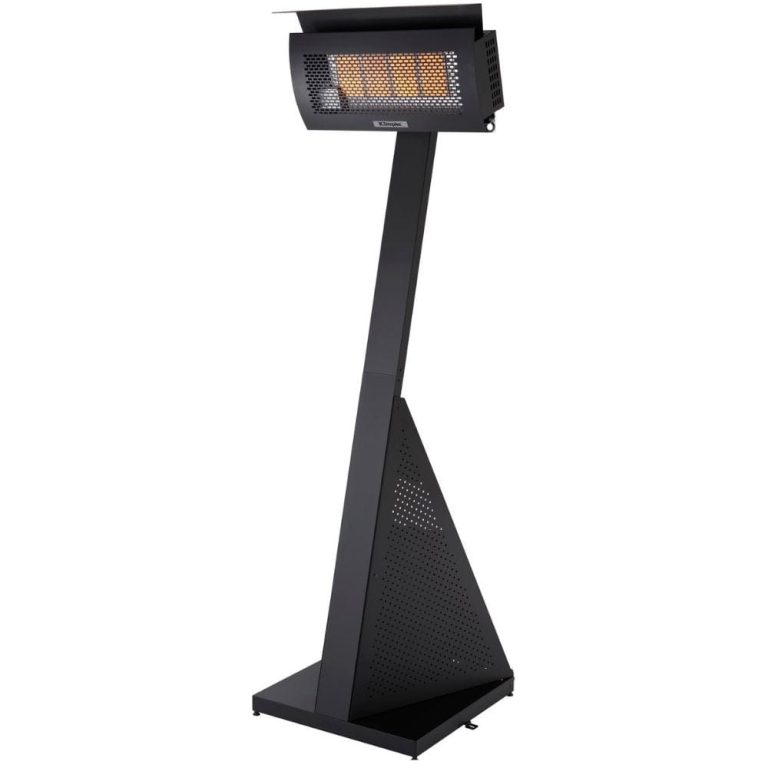
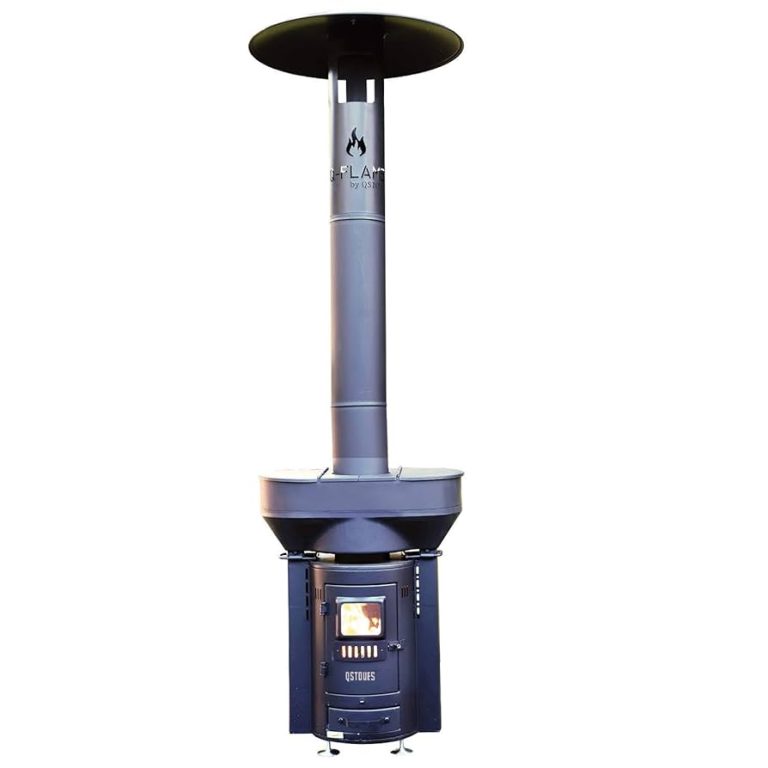
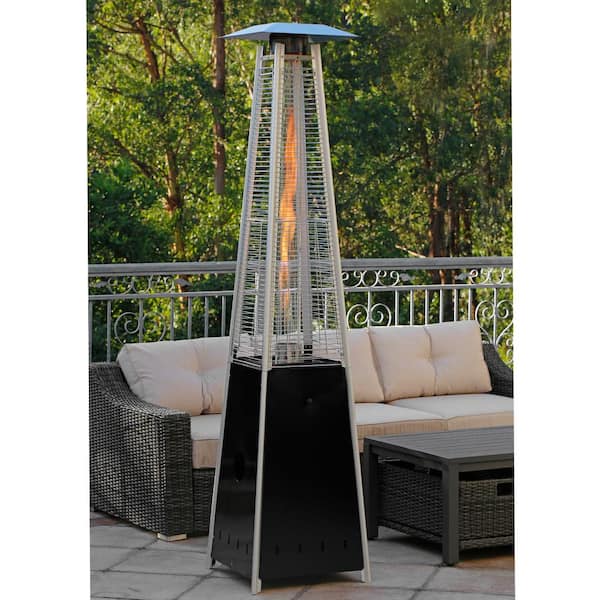
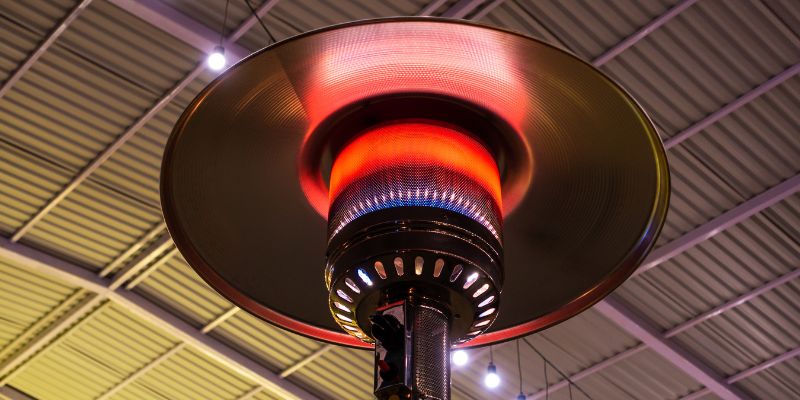
Patio heaters keep outdoor spaces warm. They come in different types. Electric heaters need a power source. They are easy to use. Gas heaters use propane or natural gas. They heat quickly. Wood-burning heaters create a cozy feel. They need wood or pellets.
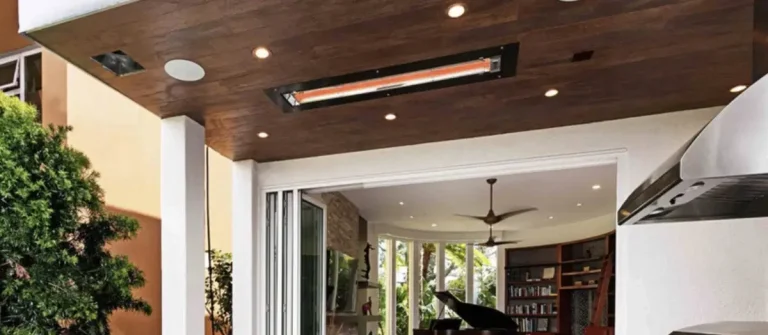
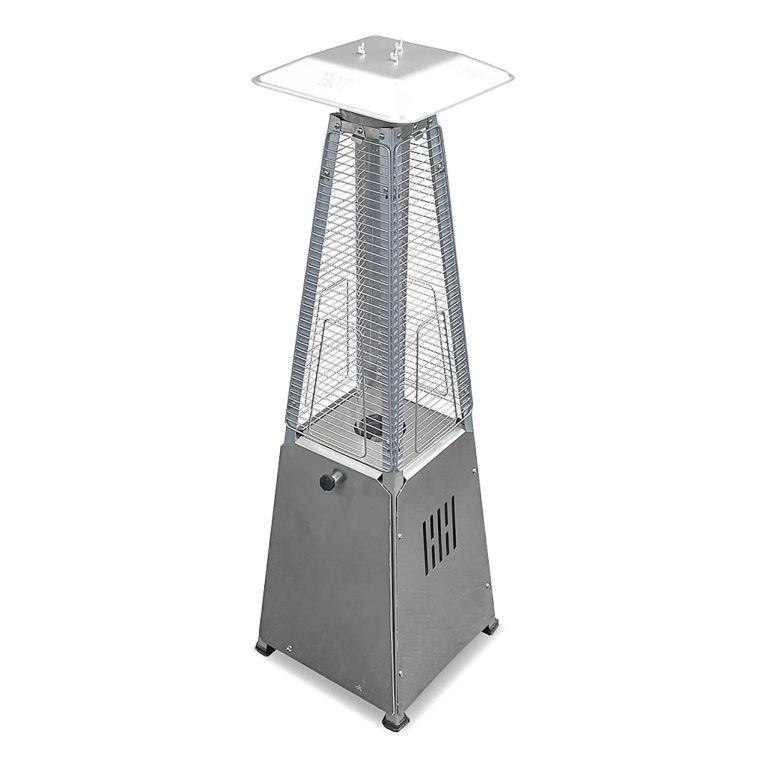
Most patio heaters use strong materials. Stainless steel resists rust. Aluminum is light and durable. Cast iron offers a classic look. Designs vary to fit style needs. Tower heaters are tall and slim. Tabletop heaters fit on tables. Wall-mounted heaters save space. Choose the right material and design for your needs.
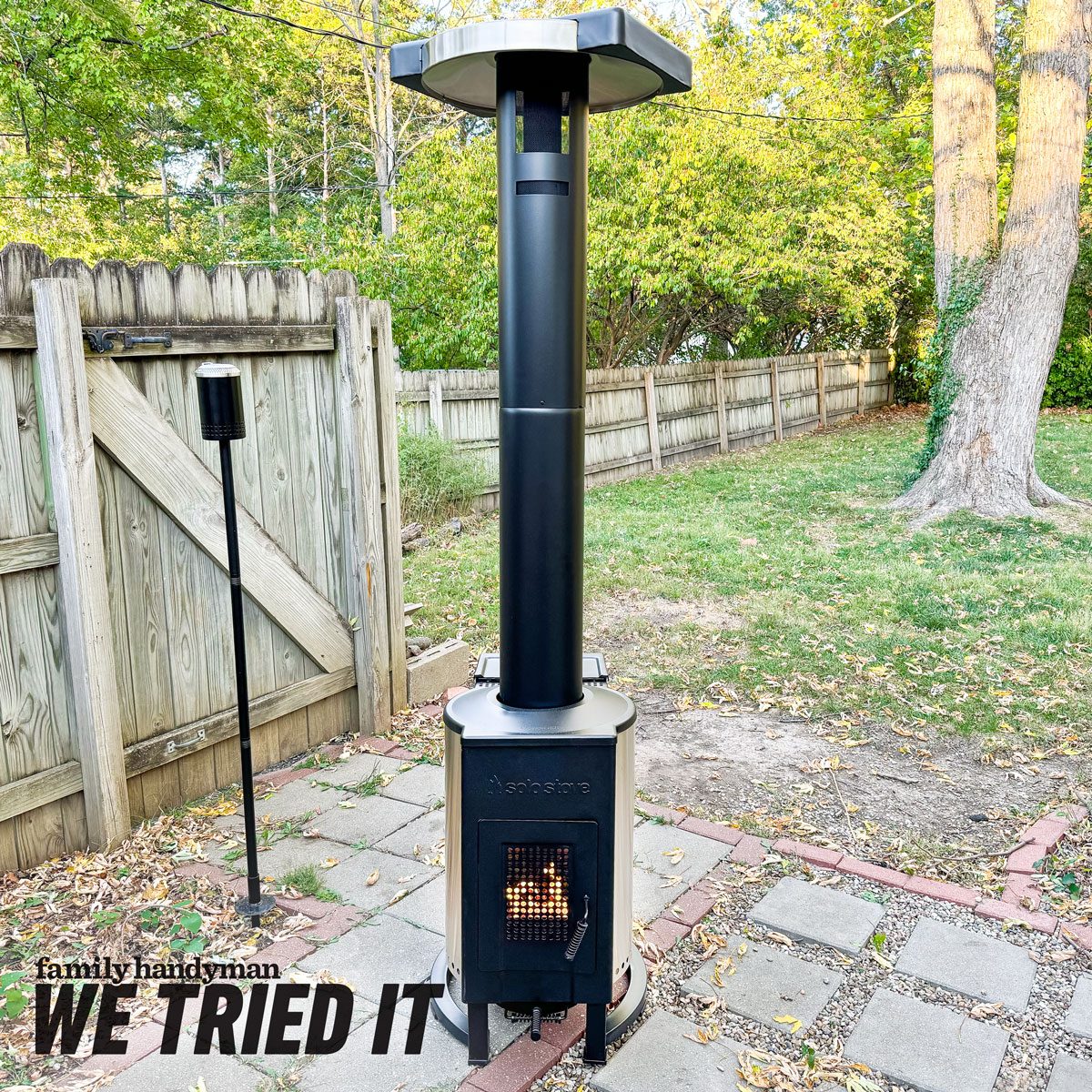
Credit: www.familyhandyman.com
Weather Concerns
Rain can damage patio heaters. Water can rust metal parts. Electrical components may get wet. This can cause short circuits. Some heaters are weatherproof. Check if yours is safe for rain. It’s better to cover them. Use a waterproof cover. This keeps them dry. It extends their life. Wet heaters may not work well. They can be dangerous.
Strong winds affect patio heaters. They can tip over. This can cause fires. Secure heaters with weights. Place them in sheltered areas. Snow can also damage heaters. Covers can protect them. Hot sun can fade the color. Keep heaters in shade. Check weather forecasts. Move heaters indoors if needed.
Safety Considerations
Patio heaters should not be left outside in the rain. Water can damage electric components, leading to safety risks. Always store heaters in dry areas to prevent rust and malfunction.
Electrical Risks
Patio heaters can be dangerous in the rain. Water and electricity do not mix well. Wet wires can cause sparks. Sparks can lead to fires. Electric shocks are possible too. Shocks can hurt people. Always unplug electric heaters when it’s raining. Keep heaters covered. Covers protect them from water. Safety first with electric heaters.
Fire Hazards
Fire hazards are real with patio heaters. Water can cause malfunctions. Malfunctions can start fires. Gas heaters are risky too. Wet gas heaters may leak. Leaks can catch fire. Check heaters before use. Ensure they are dry. Keep flammable items away. Safety checks are important. Always be cautious with heaters.

Credit: www.ledmyplace.com
Maintenance Tips
Leaving a patio heater outside in the rain can cause damage. Moisture may affect electrical components and rust metal parts. It’s best to store it in a dry place to ensure longevity and safety.
Regular Cleaning
Patio heaters need regular care to stay safe. Clean the heater with a soft cloth. Dirt and dust can harm it. Use mild soap and water. Never use harsh chemicals. They can damage the surface. Dry the heater well after cleaning. This stops rust and keeps it shiny. Keep the burner area clean too. Check for cobwebs or insects. These can block the heat. Regular cleaning keeps the heater working well.
Inspecting For Damage
Check the heater for any signs of damage. Look for rust or cracks. These can make it unsafe. Inspect the gas connections carefully. Make sure they are tight and not leaking. Loose connections can cause problems. Also, check the power cord if it’s electric. It should be in good condition. Replace any damaged parts right away. This keeps the heater safe and working well.
Protective Measures
Weatherproof covers can keep your patio heater safe. They shield the heater from rain and moisture. These covers are made from durable materials. They resist water and prevent rust. You can find them in various sizes to fit your heater.
Choose a cover that fits snugly. This stops water from getting in. Make sure to cover the heater fully. Partial coverage leaves parts exposed. Velcro straps or ties can help secure the cover tightly.
Place the heater under a roof or canopy. This adds extra protection. Avoid areas where water pools. Elevated spots are best. Keep the heater away from gutters. Water from gutters can splash onto the heater.
Look for areas with natural wind breaks. Fences or walls can block rain. Consider placing the heater near these. Always ensure proper ventilation. This keeps the heater running safely.
Alternatives To Outdoor Storage
Patio heaters can endure rain but prolonged exposure may cause damage. Consider waterproof covers or sheltered storage options. Protecting your heater ensures longer lifespan and better performance.
Indoor Storage Options
Indoor storage keeps patio heaters safe from rain. Garages are a perfect spot. Basements work well too. These places are dry and sheltered. Heaters stay protected here. This prevents rust and damage.
Covering heaters is also smart. Use a waterproof cover. This adds extra safety. It keeps heaters clean and dry. Avoid risks from rain. Make sure covers fit well. They should be snug and secure.
Portable Heater Solutions
Portable heaters are easy to move. They can be taken inside. This keeps them away from rain. Lightweight design helps in moving. They are great for small spaces. Perfect for quick storage.
These heaters are versatile. Use them indoors too. They provide warmth in cold weather. They are safe and efficient. No need for big storage areas. Just pick them up and store.
Choosing The Right Patio Heater
Patio heaters are often exposed to different weather conditions. Weather-resistant features can protect them from rain and moisture. Look for heaters with waterproof coatings. This prevents rust and damage. Stainless steel bodies are also a good choice. They resist corrosion and stay strong. Sealed burners help keep rain out. This ensures efficient heating even in wet conditions.
Durable patio heaters last longer. Quality materials like aluminum or steel increase lifespan. Check for UV protection to prevent sun damage. Solid construction means fewer repairs. Choose heaters with strong bases. They stand firm in windy weather. Regular maintenance ensures they work well. Clean them often to remove dirt and debris. This helps them perform better and last longer.
Frequently Asked Questions
Can Patio Heaters Be Left In The Rain?
Patio heaters should not be left in the rain. Water can damage electrical components and cause malfunction. Use covers or store indoors during wet weather to protect them. Proper care ensures longevity and safety. Always check manufacturer guidelines for specific weather resistance features.
Can Patio Heaters Stay Outside?
Patio heaters can stay outside if they’re weather-resistant. Protect them with covers during harsh conditions. Regular maintenance helps ensure longevity and safety. Check manufacturer guidelines for specific outdoor storage instructions.
Are Electric Patio Heaters Waterproof?
Many electric patio heaters are waterproof, but not all. Check the manufacturer’s specifications for water resistance. Always ensure proper installation and usage to avoid water damage. Look for heaters with IP ratings for outdoor use to ensure durability. Protect your heater during heavy rain or snow for safety.
Do You Need To Cover A Patio Heater?
Covering a patio heater protects it from weather damage and extends its lifespan. Use a waterproof, durable cover. Regularly check for wear and replace as needed. This simple step saves maintenance costs and ensures optimal performance. Keep your heater safe to enjoy cozy outdoor gatherings year-round.
Conclusion
Leaving a patio heater outside in the rain isn’t ideal. Water can damage the heater. It might stop working or become unsafe. Always check the manual for guidance. Some heaters resist water better than others. Covering your heater can extend its life.
Store it indoors during bad weather. Protect your investment and ensure safety. A little care goes a long way. Enjoy warm evenings worry-free. Keep your patio heater dry and well-maintained. Your comfort depends on it.