DIY Hot Tub Heater Builds That Save Money
Imagine sinking into the comforting warmth of your own hot tub after a long day. Sounds perfect, right?
But what if your hot tub heater is not up to the task, or you simply want to save some money by creating your own? A DIY hot tub heater could be your next exciting project. You might think building your own heater sounds complicated, but with the right guidance, it’s easier than you think.
You’ll discover simple and effective ways to craft a hot tub heater from scratch. Whether you want to enhance your relaxation experience or cut down on energy costs, this guide is tailored for you. Stick around to learn how to transform your hot tub into a cozy retreat with just a few tools and a bit of creativity.
Choosing The Right Materials
Woodis a natural choice for many. It’s often cheaper and looks nice. But, it can rot over time. Metalis strong and lasts longer. It can get very hot. Be careful with both options.
Good insulation keeps the water warm. Foam boardsare great for this. They are easy to cut and fit. Blanketswork too. Wrap them around the tub. Save energy and money with good insulation.
Safety is important for hot tubs. Always check the temperature. Water should not be too hot. It can burn your skin. Use a thermometer to check. Keep heaters away from water. Prevents shocks and accidents.
Designing Your Heater
Hot tubscome in different sizes. Pick a size that fits your space. Think about how many people will use it. The heater needs to warm all the water. A small heater won’t work for a big tub. A big heater uses more power. Choose wisely.
Many options exist for heating. Electric heatersare common. They heat quickly but cost more. Gas heatersare cheaper. They need gas lines. Solar heaters are eco-friendly. Sunlight powers them. Choose the best one for your needs.
Energy-efficient heaters save money. They use less power. This helps the environment too. Insulate your hot tub well. This keeps the heat in. Look for heaters with good energy ratings. They will help lower your bills.
Building The Heater
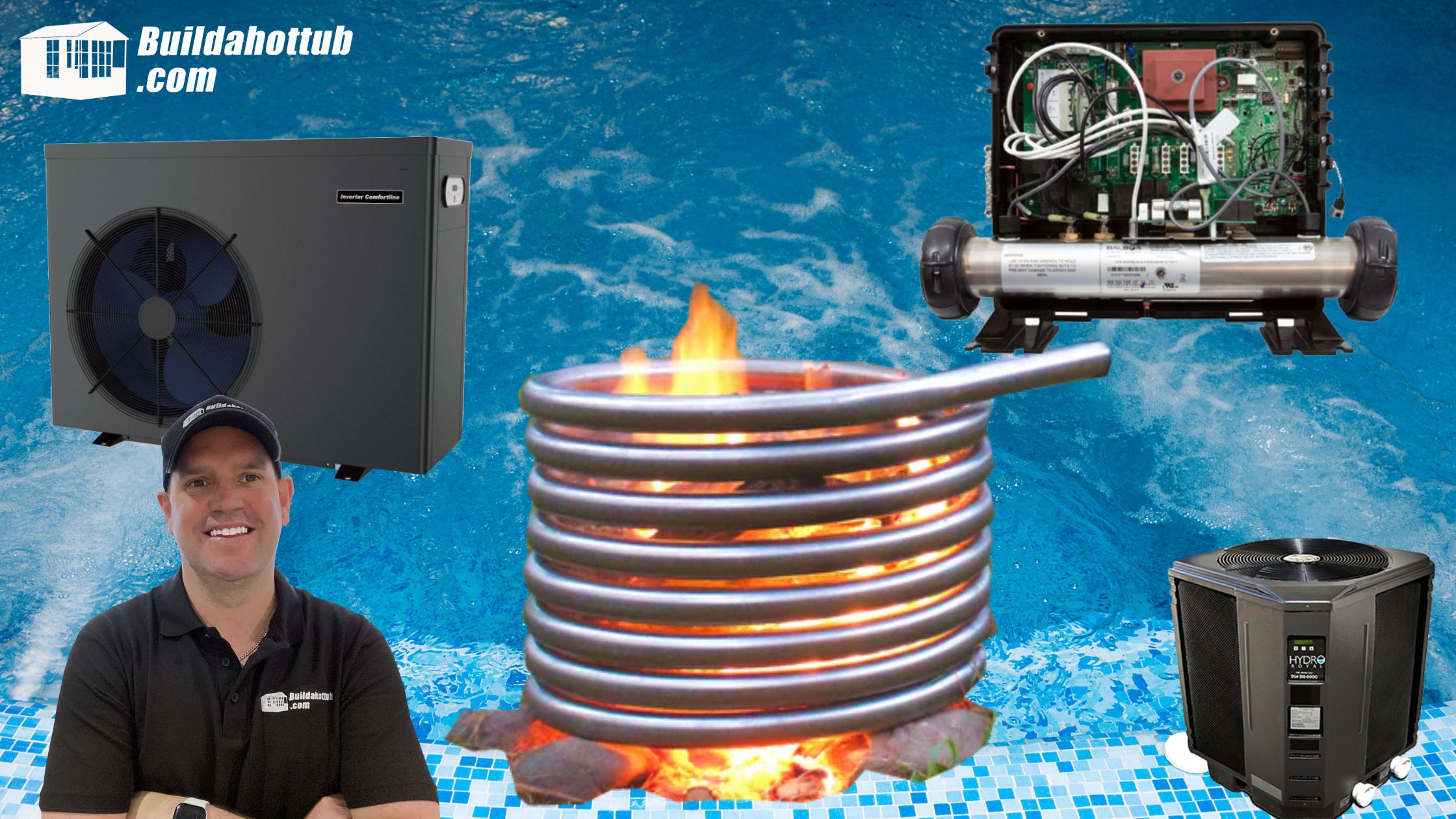
First, gather all materials. Copper tubing is key. Cut the tubing to the needed length. Coil it tightly. Next, attach the tubing to a metal drum. This drum will be your heater. Fill the drum with water. Place the drum on a sturdy surface. Connect the tubing to the hot tub. Ensure all connections are tight. Use firewood to heat the drum. Start with small pieces. Gradually add more wood. Check the water temperature often. Adjust the fire as needed.
- Copper tubing
- Metal drum
- Cutting tool
- Firewood
- Water thermometer
Avoid using plastic materials. They can melt. Ensure all connections are tight. Loose connections can cause leaks. Never leave the fire unattended. Watch the water temperature closely. Too hot can be unsafe. Forgetting to check the drum for cracks can lead to problems.
Installation Tips
Place the heater on a flat, sturdy surface. Keep it close to the hot tub for easy access. This helps with quick connections. Ensure the area is dry and safe. Avoid placing it near flammable items. Safety is key here.
Ensure all connections are tight. Use the right tools for secure fittings. Check for leaks around joints. Tighten any loose parts. Follow the manual for proper steps. This avoids damage to the hot tub.
Water flow should be smooth. Check the flow direction. It must be correct for heating. Use valves to control flow. Adjust them for the best result. Monitor the system regularly. This helps maintain even heating.
Maintenance And Troubleshooting
Fixing a DIY hot tub heater requires patience. Regular checks can prevent common issues like uneven heating. Be alert for signs of wear and tear to ensure smooth operation.
Regular Cleaning
Keep your hot tub heater clean. Dirt can make heaters weak. Use a soft brush to scrub. Rinse with clean water. Clean filters every week. Dirty filters can break heaters. Replace filters if worn out. Check for leaks. Leaks can cause big trouble. Fix leaks quickly. Dry the heater after use. Water can damage parts. Safety first. Turn off power before cleaning.
Repairing Common Issues
Heater not working? Check the power. Power must be on. Look at wires. Loose wires can stop heaters. Tighten loose wires. Check thermostat settings. Sometimes settings are wrong. Fix settings to heat right. Listen for sounds. Strange sounds mean trouble. Call a repairman if unsure. Safety is key. Always turn off power before repairs.
Enhancing Performance
Boost heater life. Use a cover. Covers keep heat in. Insulation helps. Insulate pipes. Insulation saves energy. Regular checks keep heaters strong. Look for wear and tear. Replace worn parts fast. Clean water heats better. Use clean water in the tub. Smart settings. Set thermostat to right temperature. Save energy with smart use.
Safety Precautions
Keep flammable items far from the heater. Smoke detectors should be nearby. Fire extinguishers must be easy to reach. Check wiring for damage. Proper ventilation is crucial. Never leave the heater unattended. Teach kids about fire safety.
Thermometers are essential for checking heat levels. Adjust settings carefully to avoid overheating. Safe temperatures prevent burns. Turn off the heater if the water gets too hot. Regular checks help maintain safety.
Plan emergency exits around the hot tub. First aid kits should be ready. Have a phone nearby for quick calls. Teach everyone how to respond in emergencies. Knowing what to do keeps everyone safe. Practice drills regularly.
Cost Considerations
Budgeting for Materialscan save money. Basic materials cost less. Fancy options cost more. Make a list. Check prices online. Compare shops for deals. Look for sales. Choose wisely.
DIY vs. Professional Installationaffects cost. DIY saves money. It requires time and effort. Professionals do it faster. They charge more. Consider your skills. Decide what’s best.
Long-term Savingsare possible. A good heater lasts years. It uses less energy. Lower bills mean more savings. Invest wisely now. Reap benefits later.

Credit: islandhottub.com
Frequently Asked Questions
What’s The Cheapest Way To Heat A Hot Tub?
Use a solar cover to retain heat and reduce energy costs. Install a timer to optimize heating efficiency. Regularly maintain the hot tub for optimal performance. Consider using a heat pump for energy-efficient heating. These methods provide cost-effective ways to heat a hot tub efficiently.
How To Heat Up A Hot Tub Faster DIY?
Use a thermal blanket to retain heat. Ensure the hot tub cover is tightly sealed. Turn on jets to circulate water. Adjust thermostat settings for higher temperature. Clean filters for efficient heating.
What Is The Alternative To A Hot Tub Heater?
Solar hot water systems can efficiently heat your hot tub using renewable energy. Wood-fired heaters offer a rustic, eco-friendly option. Heat pumps are energy-efficient alternatives, using ambient air to warm water. Consider using insulated covers to maintain temperature, reducing the need for constant heating.
Is It Cheaper To Heat A Hot Tub With Propane Or Electricity?
Heating a hot tub with propane is often cheaper than electricity. Propane heats water faster, reducing energy consumption. Initial setup costs for propane might be higher, but long-term savings are possible. Always compare local energy rates and consider efficiency when choosing between propane and electricity for your hot tub.
Conclusion
Creating a DIY hot tub heater can be a rewarding project. It offers warmth and relaxation right in your backyard. With some basic tools, you can build a functional heater. Always prioritize safety during the process. Research thoroughly and follow instructions carefully.
This ensures efficiency and longevity of your heater. Enjoy the comfort and satisfaction of your creation. Remember, a warm soak is just a project away. Consider sharing your experience with others. Inspire them to build their own DIY heater. Happy soaking!