
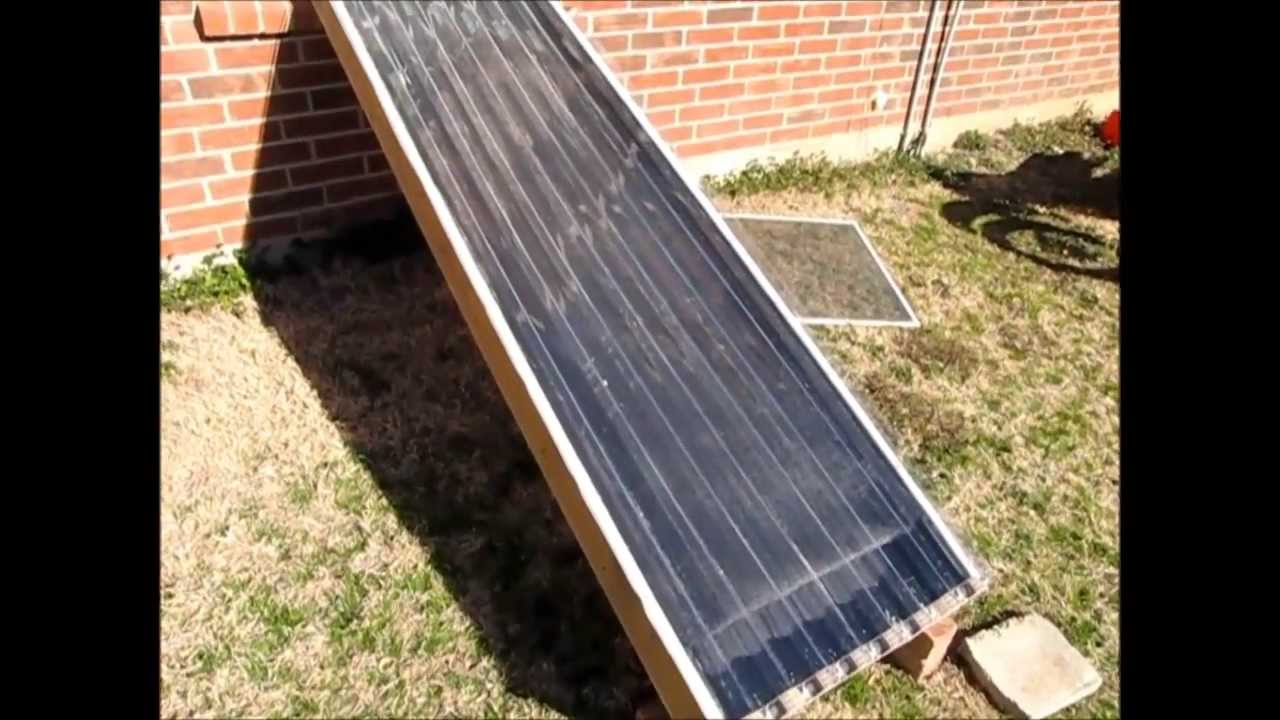
Are you tired of sky-high energy bills and looking for a sustainable way to heat your home? Imagine harnessing the power of the sun to keep your house warm and cozy, all while reducing your carbon footprint.
A DIY solar heater can be your ticket to achieving just that. You might think building your own solar heater is a complex project, but with the right guidance, it can be surprisingly straightforward and rewarding. Not only will you save money, but you’ll also gain the satisfaction of creating something with your own hands.
Dive in as we explore how you can transform sunlight into warmth, offering comfort and efficiency to your home. Ready to discover the secrets of building your own solar heater? Let’s get started!

Credit: www.petdentalcare.org
Benefits Of Solar Heating
Solar heating is kind to our planet. It uses the sun’s energy. This energy is clean and renewable. It does not harm the environment. Solar heating helps reduce carbon footprints. It cuts down the use of fossil fuels. Fossil fuels hurt our air and water. With solar heating, we protect nature. We help keep our world green and safe. Every small step counts. Solar heating is one such step.
Solar heating saves money. Once set up, it uses free sunlight. No need to pay for fuel. Bills can get lower over time. Initial setup may cost. But long-term savings are worth it. Maintenance costs are also low. It lasts a long time. Enjoy a warm home without high bills. Save money and enjoy comfort. Solar heating is a smart choice.
Materials Needed
Building a solar heater requires several key materials. A solar panelis vital. It collects sunlight and turns it into heat. You’ll also need copper tubing. It transports heated water or air. Insulationis crucial. It keeps the heat inside the system. A storage tankis necessary. It stores the heated water.
Some extra parts can be added. A thermostatcan help control temperature. It prevents overheating. Reflective panelsincrease efficiency. They direct more sun to the heater. Fanscan be useful. They circulate warm air through rooms.
Building The Solar Heater
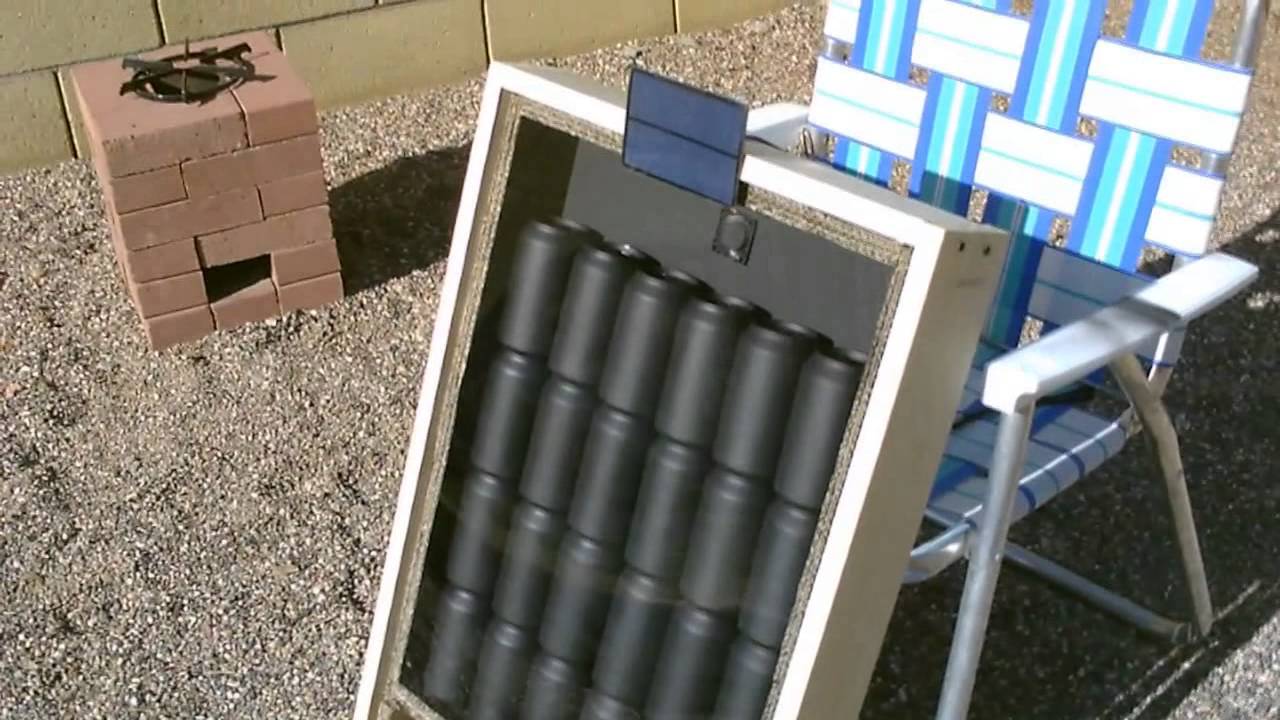
Start by gathering the materials. You need a box, glass pane, and black paint. Next, paintthe inside of the box black. This helps to catch more heat. Then, cover the box with the glass pane. This traps heat inside.
Position the box towards the sun. This ensures maximum heat capture. Connect the box to your house with pipes. These pipes carry warm air inside. You have now built a solar heater. It’s simple and helps save energy.
Always use protective gear. Wear gloves to avoid cuts. Ensure the glass is secure. Loose glass can break easily. Keep children away during construction. They may get hurt. Check the heater regularly for damages. Fix any issues quickly.
Credit: www.youtube.com
Installation Tips
The best spot for your solar heater is very important. It should get lots of sunlight. A south-facing wall or roof is ideal. This way, the sun can shine on it all day. Avoid placing the heater in a shaded area. Trees or buildings can block the sun.
The angle of the solar heater is crucial. It should be at a tilt that captures the most sun. Usually, the angle is the same as your latitude. This helps in getting maximum sunlight. Keep in mind, the angle might change with seasons. Adjustments can make your heater more efficient.
Maintenance And Troubleshooting
Keeping your solar heater clean is important. Dirt can block sunlight. Use a soft cloth to clean the panels. Check connections for rust or wear. Tighten any loose parts. Look for signs of leaks in the system. Fixing small problems early can save time.
Inspect the pump and valves regularly. Make sure they work well. Listen for unusual sounds. This can mean a problem. Testing the system twice a year helps keep it working.
Sometimes, the heater might not warm enough. Blocked panels could be the reason. Clean them well. If the water is too hot, adjust the settings.
Noisy pumps may need oil. If leaks occur, check seals. Replace broken parts if needed. Ensure all parts fit well. Regular checks can prevent many issues.
Maximizing Efficiency
Proper insulationkeeps the solar heater warm. Use thick materials to cover walls. It stops heat from escaping. Seal gaps with foam or tape. This keeps the warmth inside. Choose quality insulationto save energy. Ensure windows are well-sealed. This prevents cold air from entering. Insulation is crucial for efficiency.
A solar heater might need help on cold days. Consider using electric heatersas a backup. They provide warmth when the sun is low. Gas heaters are another choice. They are reliable and work well. Choose a heater that fits your needs. Ensure it is safe for indoor use. Safetyis important for any heater.
Real-life Success Stories
Anna from Texas built her own solar heater. She used simple tools and recycled materials. Her heater saved her 30% on heating bills. She shared her story online. Many people found it inspiring.
John, a retired teacher, created a solar heater in his garage. He followed a step-by-step guide. His heater worked well in winter. Now, he helps his neighbors build their own. His community appreciates his efforts.
Planning is very important. Without a good plan, things might not work. Use quality materials for better results. Cheap parts can break easily. Patience is key. Building takes time but is worth it. Sharing knowledge helps everyone learn.

Credit: www.builditsolar.com
Frequently Asked Questions
How Can I Heat My House With Solar?
Use solar panels to power a heat pump or solar thermal system. These convert sunlight into heat for your home. Ensure proper insulation to maximize efficiency. Consider professional installation for optimal setup and performance.
What Is A Disadvantage Of A Solar Heater?
A disadvantage of a solar heater is its dependency on sunlight, which limits efficiency on cloudy days and at night. Installation costs can also be high, making it less accessible for some households. Regular maintenance is required to ensure optimal performance and longevity.
Do Solar Air Heaters Work In Winter?
Yes, solar air heaters work in winter. They efficiently capture sunlight, even on cold days, to warm indoor spaces. Solar air heaters reduce heating costs by utilizing free solar energy. They offer eco-friendly heating solutions, making them ideal for winter use.
Proper installation ensures optimal performance in cold seasons.
How To Improvise A Solar Heater?
Insulate pipes for better heat retention. Use black paint on surfaces to absorb more sunlight. Optimize panel positioning for maximum sun exposure. Ensure the system is leak-proof for efficiency. Regularly clean panels to maintain high performance.
Conclusion
Building a DIY solar heater can save money and reduce energy bills. It’s an eco-friendly project that helps the environment. Simple materials and basic tools make it accessible. Effort and patience are needed, but the rewards are worthwhile. Solar heaters can improve home warmth during colder months.
Learning and experimenting can be fun and educational. This project empowers individuals to harness renewable energy. Try constructing your own solar heater today. Embrace sustainable living and enjoy the benefits. Your home can be warmer and greener with this initiative.