Pros And Cons of Gas Heaters Vs Electric Pool Heaters: A Smart Choice
Choosing the right pool heater can feel like a daunting task, especially when you’re faced with the decision between gas heaters and electric pool heaters. You want to keep your pool warm and inviting, but you’re also mindful of costs, efficiency, and environmental impact.
For a related heater topic, 4K Movies for Home Theater with Sovboi Smart Projector Guide gives readers a useful next step.
The dilemma is real, and that’s why you’re here. Picture this: a perfectly heated pool, ready for you to dive in whenever you wish, extending your swimming season and enhancing your outdoor lifestyle. But making the wrong choice could lead to higher bills and more maintenance headaches.
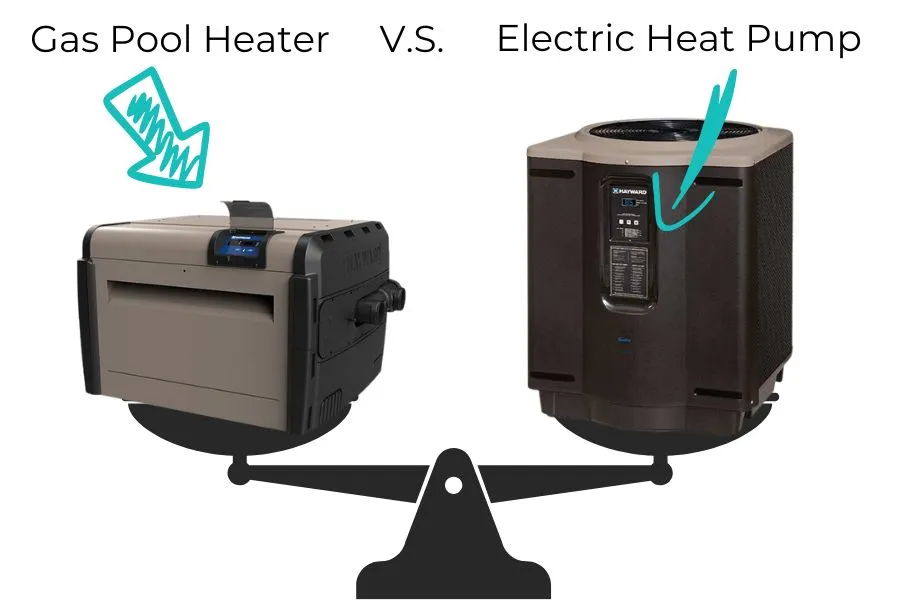
So, how do you decide? We’ll dive deep into the pros and cons of gas vs. Electric pool heaters. We’ll guide you through the key differences, benefits, and drawbacks of each option. By the end, you’ll have a clearer picture of which heater suits your needs and budget, ensuring you make a well-informed decision. Let’s unravel this pool heating mystery together, so you can enjoy your pool all year round with confidence.
Credit: skovishpools.com
Gas Pool Heaters
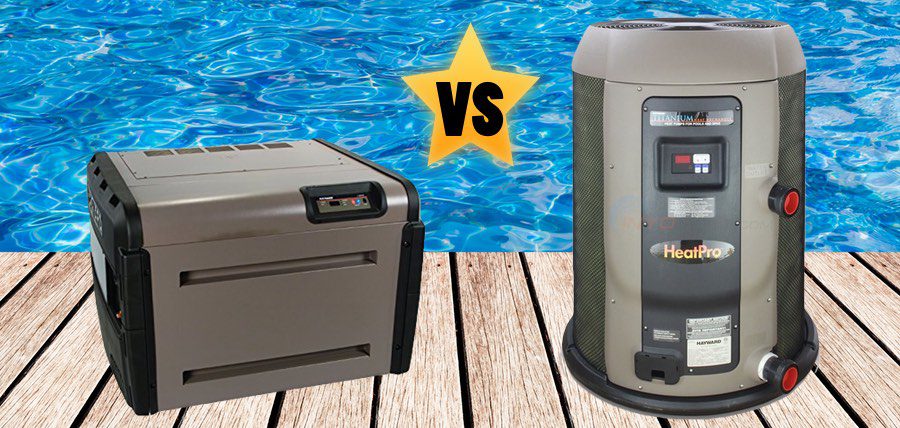
Gas pool heaters warm up the pool quickly. This makes them ideal for short-term use. Their heating speed is often faster than electric heaters. Efficiency may vary based on the pool size. They can maintain temperatures in cold weather. Performance stays consistent even in cooler climates. This is a key advantage for colder regions.
Initial costs for gas heaters can be higher. Installation may require a professional. Gas lines need proper setup for safety. Costs include the heater unit and installation. Sometimes, extra charges apply for gas connections. This can add to the total expense.
Gas heaters often have higher operational costs. Fuel expenses can be significant. Regular use increases costs over time. Maintenance might also be more frequent. These costs should be considered before purchase. They can impact long-term budget planning.
Gas heaters emit carbon dioxide. This contributes to air pollution. Their environmental impact can be noticeable. Electric heaters are typically cleaner. Choosing gas means accepting higher emissions. This is a factor for eco-conscious buyers.
Electric Pool Heaters
Electric pool heaters are known for their high efficiency. They work best in warm climates. They heat water slowly, but keep it warm longer. This makes them ideal for consistent use. They are also quiet. No noisy burners like gas heaters.
Initial costs for electric heaters are higherthan gas. Installation is simpler though. You need a power supply. No gas lines required. This can save money on installation costs. Electric heaters also require less space.
Electric heaters can be costlyto run. Electricity prices are higher than gas in many places. They are more efficient, but the power used adds up. It’s important to consider your local electricity rates.
Electric heaters are more eco-friendly. They do not burn fossil fuels. This means no emissions. Cleaner for the environment. They rely on electricity, which can come from renewable sources.
Comparative Analysis
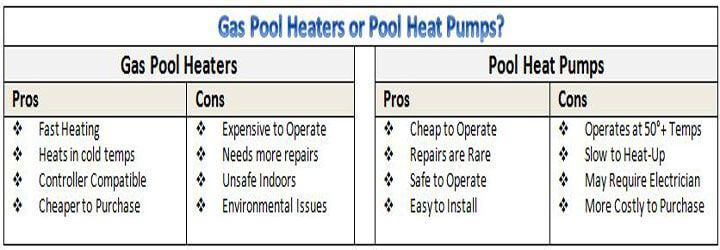
Gas heaters heat pools very fast. Electric heaters take more time. Gas heaters can quickly adjust the temperature. Electric heaters control temperature better over long periods.
Gas heaters cost more to run. They use fuel. Electric heaters use less energy. They cost less over time. Initial cost is higher for electric heaters. But savings happen later.
Gas heaters need regular checks. They wear out faster. Electric heaters last longer. They need less maintenance. Gas parts need replacement often. Electric parts are more durable.
Gas heaters burn fuel. They create emissions. Electric heaters are cleaner. They use electricity. This is better for the earth. Gas heaters affect the air. Electric heaters are eco-friendly.
Credit: intheswim.com
Choosing The Right Heater
Gas heaterswork well in colder climates. They heat up quickly. Electric heatersare better for warmer areas. They take time to heat. Think about how often you use the pool. Daily use may need a gas heater.
Gas heaterscost less to buy. But they need more maintenance. Electric heatersare expensive to buy. But they need less care. Choose based on your budget now and later.
Plan for the future. Electric heaterscan save money over time. They use less energy. Gas heatersare faster but cost more to run. Think about energy bills and future plans.
Emerging Technologies
Hybrid heating solutionscombine gas and electric systems. They offer the best of both worlds. Gas heaters are quick. Electric heaters are efficient. Using both can be smart. Save energy with hybrid systems. They adjust based on weather.
Renewable energy optionshelp the environment. Solar panels use sun power. Wind turbines use air power. These options reduce carbon footprints. They are cost-effectivein the long run. People save money over time. Renewable energy is clean. It supports a green future.
Credit: romanellipools.com
Frequently Asked Questions
What Are The Benefits Of Gas Pool Heaters?
Gas pool heaters heat water quickly, making them ideal for short-term use. They are effective in any weather and can maintain a constant temperature. Gas heaters are often more cost-effective for initial installation compared to electric options, providing a quicker return on investment for pool owners.
Are Electric Pool Heaters Energy Efficient?
Electric pool heaters are known for their energy efficiency, especially heat pumps. They use electricity to transfer heat, not generate it, which reduces energy consumption. This makes them an environmentally friendly option. However, their performance can vary with weather conditions, often requiring warmer climates to operate efficiently.
How Do Gas Heaters Compare In Cost To Electric Heaters?
Gas heaters generally have a lower initial installation cost than electric heaters. However, their operational costs can be higher due to fuel prices. Electric heaters, while pricier to install, often boast lower ongoing costs, particularly in regions with affordable electricity and consistent sunny weather for solar-assisted systems.
Which Heater Type Is Best For Colder Climates?
Gas heaters are typically better suited for colder climates. They can efficiently heat pools regardless of outdoor temperatures. This is due to their ability to generate heat quickly. In contrast, electric heaters, especially heat pumps, may struggle to perform efficiently in consistently cold weather conditions.
Conclusion
Choosing between gas and electric pool heaters depends on your needs. Gas heaters warm pools quickly, ideal for cooler climates. They can be costly to operate. Electric heaters are more energy-efficient and eco-friendly. They work best in warmer areas. Consider your budget and climate when deciding.
Maintenance and installation costs are also important factors. Both options have their pros and cons. Think about your swimming habits and preferences. Make an informed choice that suits your lifestyle and pool usage.