
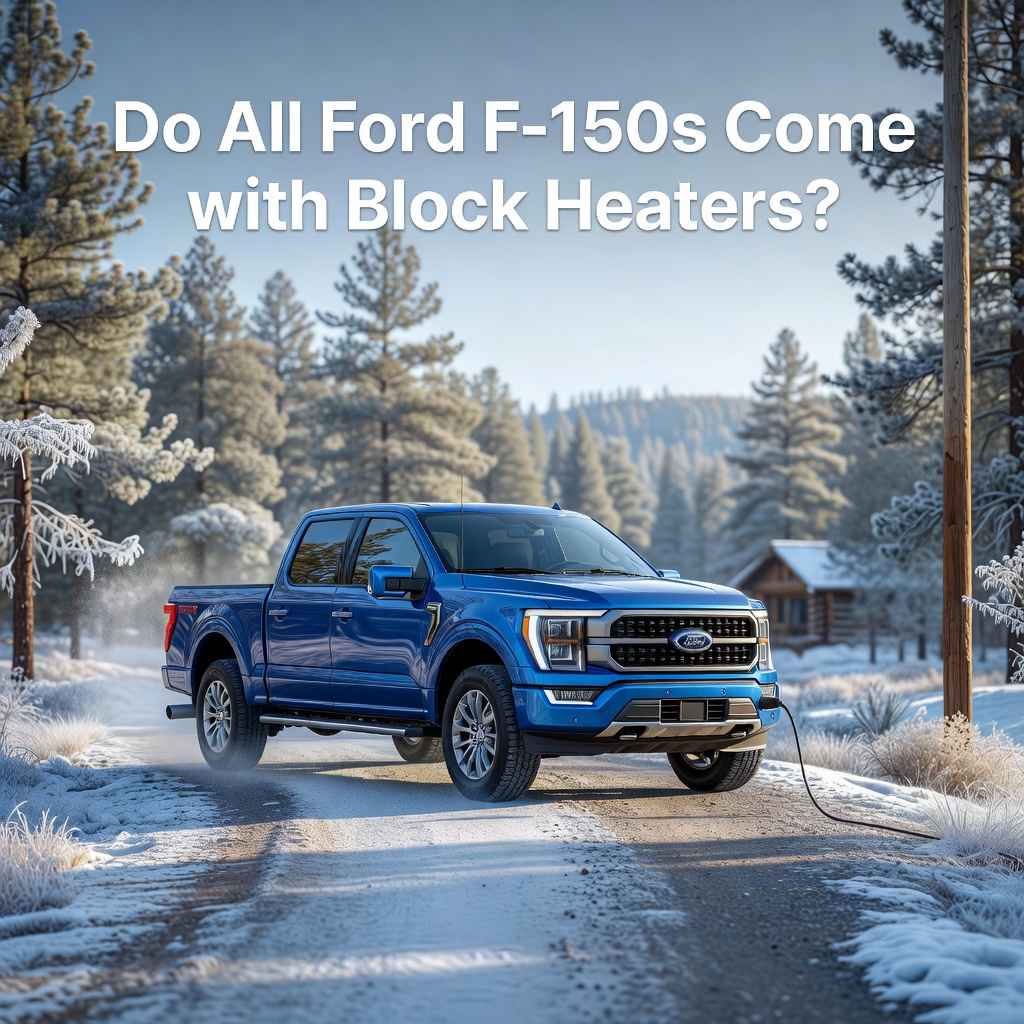
It’s a question many new truck owners ask, especially when winter’s chill approaches: Do All Ford F-150s Come with Block Heaters? Sometimes, finding this information can feel a bit tricky. You just want to know if your truck is ready for cold weather. This guide makes it easy.
We’ll walk through it step-by-step so you know exactly what to look for. Let’s find out together.
Understanding Ford F-150 Engine Block Heaters
Do All Ford F-150s Come with Block Heaters A Deep Dive
Many people wonder if their Ford F-150 is equipped with a block heater straight from the factory. This is a common concern for drivers living in colder climates. An engine block heater is a device that warms up your engine’s coolant during freezing temperatures.
This makes starting the engine easier and reduces wear. It also helps the engine reach its optimal operating temperature faster, improving fuel efficiency and reducing emissions. Understanding the availability and function of these heaters is key for F-150 owners.
What is an Engine Block Heater?
An engine block heater is essentially a small electric heating element that sits inside the engine’s coolant system. It plugs into a standard household electrical outlet, usually via an extension cord. When activated, it gently heats the engine’s coolant.
This warmed coolant then circulates through the engine block. The primary purpose is to prevent the engine oil and other engine fluids from becoming too thick and viscous in extreme cold.
Thick oil makes it harder for the starter motor to turn the engine over. It also means that vital engine parts don’t get lubricated quickly enough upon startup. This can lead to increased wear and tear over time.
By keeping the engine warm, a block heater ensures that the oil flows more freely. This leads to easier starts, reduced strain on the battery and starter, and quicker cabin heat.
How Does a Block Heater Work?
The process is quite straightforward. A block heater has a heating element, often a metal rod with a heating coil inside. This element is inserted into a port in the engine block, typically near a coolant passage.
A power cord is attached to the heating element. This cord extends from the engine bay, usually through the grille or bumper, allowing you to plug it into an external power source.
When plugged in, electricity flows through the heating element. This generates heat, which is then transferred to the engine’s coolant. The heated coolant naturally circulates throughout the engine block due to convection.
Some systems might also have a small pump to assist circulation, but most rely on natural thermal currents. The time needed to effectively warm the engine varies depending on the outside temperature and the heater’s wattage. Typically, plugging it in for 2-4 hours before starting the engine is sufficient.
Benefits of Using an Engine Block Heater
The advantages of using a block heater are numerous, especially for those in regions that experience harsh winters. The most immediate benefit is easier engine starting. Cold engines are notoriously difficult to crank.
A warmed engine starts much more smoothly, reducing stress on the battery and starter motor. This can significantly extend the life of these components. It also means less chance of being stranded on a cold morning.
Another significant benefit is faster cabin heat. When the engine is cold, it takes time for the cabin heater to start blowing warm air. With a block heater, the coolant is already warm, so the heater core gets hot air much sooner.
This makes for a more comfortable driving experience from the moment you start your trip. Furthermore, warmer engines tend to be more fuel-efficient. They reach their optimal operating temperature quicker, and the engine runs more smoothly, consuming less fuel.
Finally, using a block heater reduces engine wear. Cold starts are a major contributor to engine wear. When the engine is cold, oil is thick and doesn’t lubricate parts as effectively.
This can cause metal-on-metal friction until the engine warms up. A pre-heated engine means oil flows better from the start, minimizing this damaging friction. Some studies suggest that frequent cold starts can shorten an engine’s lifespan by as much as 50%.
Do All Ford F-150s Come with Block Heaters Factory Installed?
This is the core of the question for many owners. The short answer is no, not all Ford F-150 models come standard with a factory-installed engine block heater. Ford offers them as an option, particularly on certain trim levels and for specific model years or regions where cold weather is common.
Whether your F-150 has one installed from the factory depends on how it was originally configured when purchased new.
For many buyers, particularly those in warmer climates, a block heater might not be seen as a necessary option. Therefore, it’s often left off the build sheet to save costs. However, for those who live in or frequently travel to areas with freezing temperatures, it’s a highly recommended feature.
Even if a particular truck on the lot doesn’t have it, it might be a popular dealer-installed option or something that can be added later.
Checking Your F-150 for a Factory Block Heater
The easiest way to check if your F-150 has a factory-installed block heater is to look for the power cord. This cord usually exits the front of the vehicle, often near the grille or one of the fog lights. It will be a short, durable cable with a plug at the end, designed to be plugged into an outdoor electrical outlet.
If you don’t see an external cord, the next step is to check under the hood. Look around the front of the engine, often near the radiator. You should find a power cord connected to the block heater itself, which is usually mounted to the engine block.
The cord might be coiled up or tucked away neatly. You can also consult your F-150’s owner’s manual. It will detail all the features and options your specific truck is equipped with, including the block heater if it’s present.
Another method is to check the vehicle’s window sticker (Monroney sticker) if you still have it from when the truck was new. This sticker lists all factory-installed options and their prices. If “Engine Block Heater” is listed, then your truck came with one.
Trim Levels and Optional Features
Ford often bundles certain features with specific trim levels of the F-150. Higher trim levels, such as the Lariat, King Ranch, Platinum, and Limited, are more likely to include the engine block heater as a standard feature or as part of an optional package. Lower trim levels, like the XL and XLT, may only offer it as an optional addition, sometimes bundled with other cold-weather packages.
These cold-weather packages can be very beneficial. They often include not just the block heater but also heated seats, a heated steering wheel, and sometimes a heavy-duty battery. If you live in an area with consistently cold temperatures, investing in such a package can greatly improve your driving experience and vehicle longevity.
Even if your specific F-150 trim doesn’t include it as standard, it’s worth checking the options list for the model year of your truck.
Model Year Variations
The availability of the engine block heater option has also varied by model year for the Ford F-150. Ford continually updates its vehicle offerings and option packages. Older F-150 models might have had the block heater as a more commonly available option or even standard on certain configurations.
Newer models might have different packaging strategies.
For instance, a truck manufactured in a region known for severe winters might have a higher likelihood of having a block heater than one built for a southern market. It’s always best to verify the specific options for the exact model year you are interested in or own. You can do this by checking the vehicle’s original build sheet, the owner’s manual, or by contacting a Ford dealership with your truck’s VIN.
Adding an Engine Block Heater to Your F-150
If your Ford F-150 doesn’t come equipped with a factory-installed engine block heater, you’re not out of luck. It is possible to have one installed aftermarket. This can be done by a qualified mechanic or even by a Ford dealership.
While it’s an added expense, for many, the benefits of a block heater in cold climates make it a worthwhile investment. The process involves installing the heating element into the engine block and routing the power cord safely.
Aftermarket Installation Options
There are two main ways to get an engine block heater installed if your F-150 didn’t come with one. The first is to purchase an aftermarket block heater kit from an automotive parts supplier. These kits typically include the heating element, a power cord, and all necessary hardware for installation.
You can then take this kit to a mechanic for installation. Many independent repair shops are equipped to handle this type of work.
The second option is to have a Ford dealership install the block heater. They will use genuine Ford parts, ensuring compatibility with your F-150. While this might be slightly more expensive than an independent shop, it can offer peace of mind in terms of warranty and proper fitment.
When choosing a mechanic, look for one experienced with Ford trucks or engine work, especially in colder climates.
Cost of Adding a Block Heater
The cost of adding an engine block heater can vary. The price of the heater kit itself typically ranges from $50 to $150, depending on the brand and quality. The installation labor is where most of the cost comes in.
This can range from $150 to $400 or more, depending on the complexity of the installation for your specific F-150 model and the labor rates in your area.
Overall, you can expect to pay anywhere from $200 to $550 for a professionally installed aftermarket engine block heater. It’s a good idea to get quotes from a few different shops before making a decision. Make sure to ask what the quote includes, such as the cost of parts, labor, and any necessary fluids or sealants.
DIY Installation Considerations
For those with a good understanding of automotive mechanics, a DIY installation of an engine block heater is possible. However, it’s not a task for the absolute beginner. It requires draining some of the engine coolant, removing a freeze plug or coolant passage plug from the engine block, installing the heater element, and then refilling and bleeding the cooling system.
Safety is paramount. You’ll need to ensure the engine is cool before starting. Proper tools are essential, including wrenches, sockets, and potentially a torque wrench.
You also need to make sure you are working in a safe environment, especially when dealing with antifreeze. If you are not comfortable with these types of repairs, it is best to leave it to the professionals. Mistakes during installation can lead to leaks, engine damage, or improper heating.
When is a Block Heater Necessary for Your F-150?
The necessity of an engine block heater for your Ford F-150 largely depends on where you live and how you use your truck. If you reside in a region that experiences prolonged periods of sub-freezing temperatures, a block heater is highly recommended. Even if your F-150 starts in the cold, the strain on components and increased wear from frequent cold starts can be significant over time.
Consider the average winter temperatures in your area. If temperatures frequently drop below 20°F (-7°C), a block heater will offer substantial benefits. For those who rely on their F-150 for work, especially in remote areas or for early morning starts, the reliability a block heater provides can be invaluable.
It ensures your truck is ready to go when you need it, regardless of the weather.
Cold Climate Driving Habits
If you regularly drive in cold climates, a block heater becomes less of a luxury and more of a necessity for engine longevity. Think about the typical morning routine in winter. If you’re starting your truck from completely cold, the engine and its vital fluids are at their thickest.
This makes starting difficult and leads to a period of suboptimal lubrication. A warmed engine avoids this problem.
Also, consider how long you typically let your truck idle to warm up. While idling can help warm the engine and cabin, it’s not the most efficient way to warm the entire engine block. A block heater provides consistent heat to the block itself, ensuring all parts are adequately warmed.
This also means you might need to idle your truck for less time, saving fuel and reducing emissions.
F-150 Engine Types and Cold Weather
Different F-150 engine types can have varying responses to extreme cold. Modern gasoline engines are generally designed to handle cold temperatures better than older engines. However, all internal combustion engines experience some increased wear and reduced efficiency during cold starts.
Diesel engines, in particular, can be more sensitive to extreme cold, with fuel gelling being a potential issue in very low temperatures.
Ford’s EcoBoost engines, known for their efficiency and power, still benefit from pre-heating. The smaller displacement and turbocharging can mean they reach operating temperature quickly once running, but the initial cold start is still a factor. Regardless of the specific engine in your F-150, a block heater offers a layer of protection and improved performance in frigid conditions.
It ensures the engine oil is at a more optimal viscosity for lubrication from the moment you turn the key.
When It Might Not Be Necessary
If you live in a region where temperatures rarely dip below freezing, or if you only use your F-150 for occasional short trips where the engine doesn’t have a chance to fully cool down, a block heater might be an unnecessary expense. For most of the southern United States, for example, the cost and effort of installing and using a block heater might outweigh the benefits.
However, it’s worth noting that even moderate cold can affect engine performance. If you have concerns about how your F-150 performs in colder weather, or if you plan to travel to a colder climate, it might be wise to consider a block heater. It’s a proactive measure that can prevent potential problems down the road.
It’s better to have it and not need it than to need it and not have it, especially when it comes to protecting your vehicle’s engine.
Frequently Asked Questions
Question: Does every Ford F-150 come with a block heater?
Answer: No, not every Ford F-150 comes with a block heater. It is an optional feature that may be factory-installed or dealer-installed, depending on the original purchase configuration and region.
Question: How can I tell if my F-150 has a block heater?
Answer: Look for an external power cord exiting the front of the vehicle, usually near the grille. You can also check under the hood for the heater element and cord, or consult your owner’s manual.
Question: Is it expensive to add a block heater to my F-150?
Answer: Adding an aftermarket block heater typically costs between $200 and $550, including parts and professional installation, though costs can vary.
Question: Can I install a block heater myself?
Answer: Yes, if you have good mechanical skills and the right tools, a DIY installation is possible, but it requires draining coolant and careful work. Professional installation is recommended for most owners.
Question: Do I need a block heater if I live in a mild climate?
Answer: If temperatures rarely drop below freezing in your area, a block heater might not be essential, but it can still offer benefits for engine longevity and performance in colder snaps.
Wrap Up
So, to answer the main question, no, not all Ford F-150s come with block heaters. Availability depends on the truck’s original build. You can easily check for one by looking for the power cord.
If yours doesn’t have one, adding it is an option for better cold-weather performance and engine protection.