Do All Canadian Cars Have Block Heaters?
Have you ever wondered if all Canadian cars come with block heaters? If you live in a cold climate or plan to visit Canada during winter, this question is important for your car’s performance and your comfort.
Block heaters can make a huge difference on those freezing mornings by helping your engine start faster and reducing wear and tear. But are they really standard in every Canadian vehicle? Keep reading to find out what you need to know about block heaters and how they affect your car in Canada’s chilly winters.
Block Heaters In Canada
In Canada, cold winters can be very harsh on vehicles. Block heaters are common in many Canadian cars. These devices help engines start easily during freezing temperatures. Not all cars come with block heaters installed, but many drivers choose to add them for better performance in winter.
Purpose Of Block Heaters
Block heaters warm the engine before starting the car. Cold engines are hard to start and wear out faster. The heater keeps engine oil warm, making it flow smoothly. This reduces engine damage and saves fuel. It also helps the car warm up quicker inside.
How Block Heaters Work
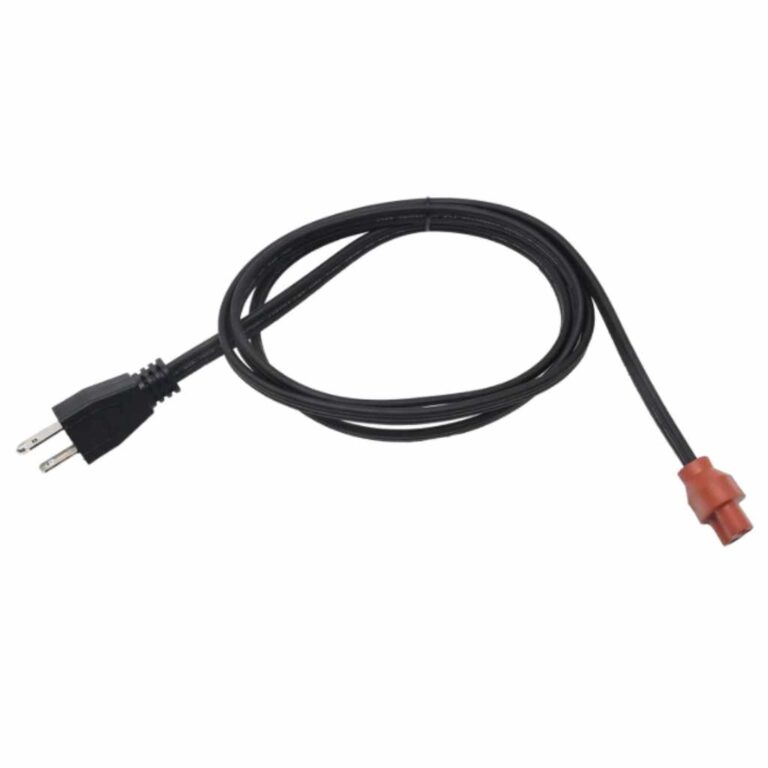
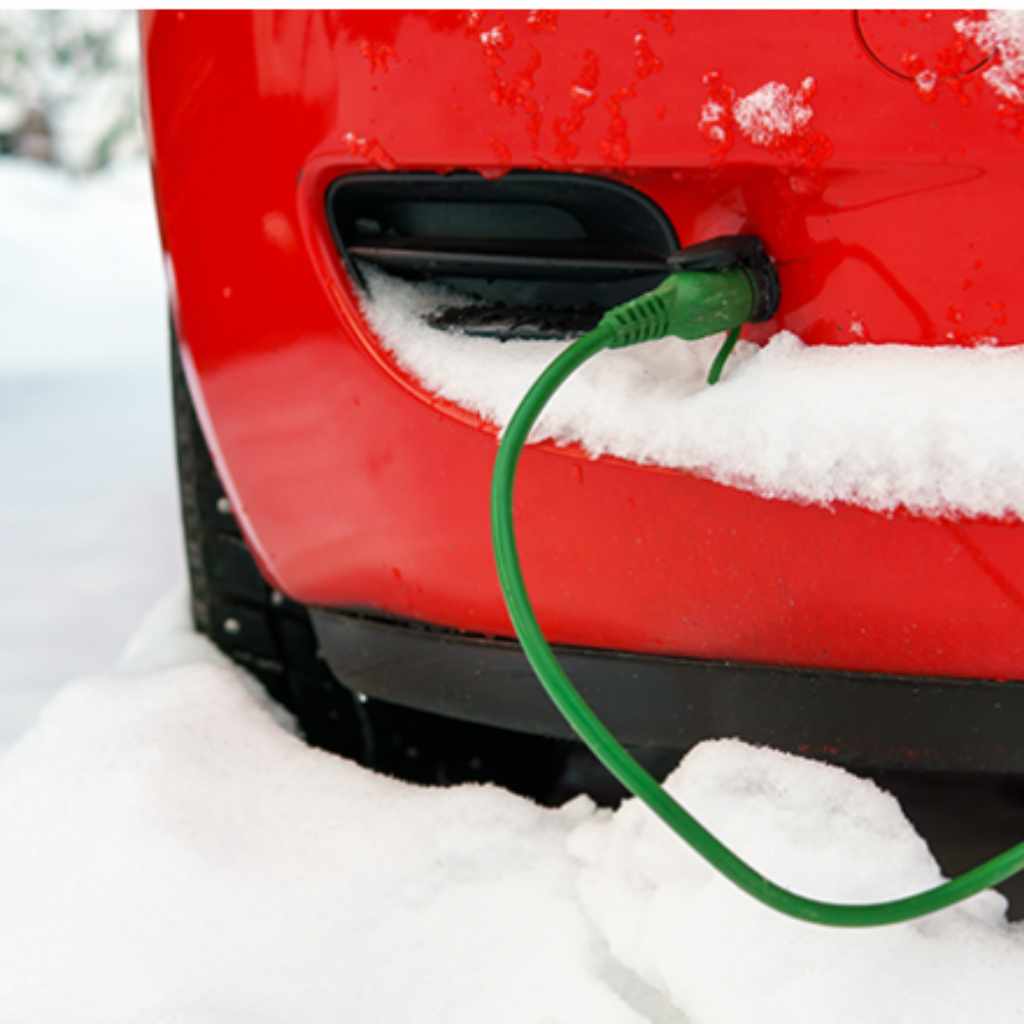
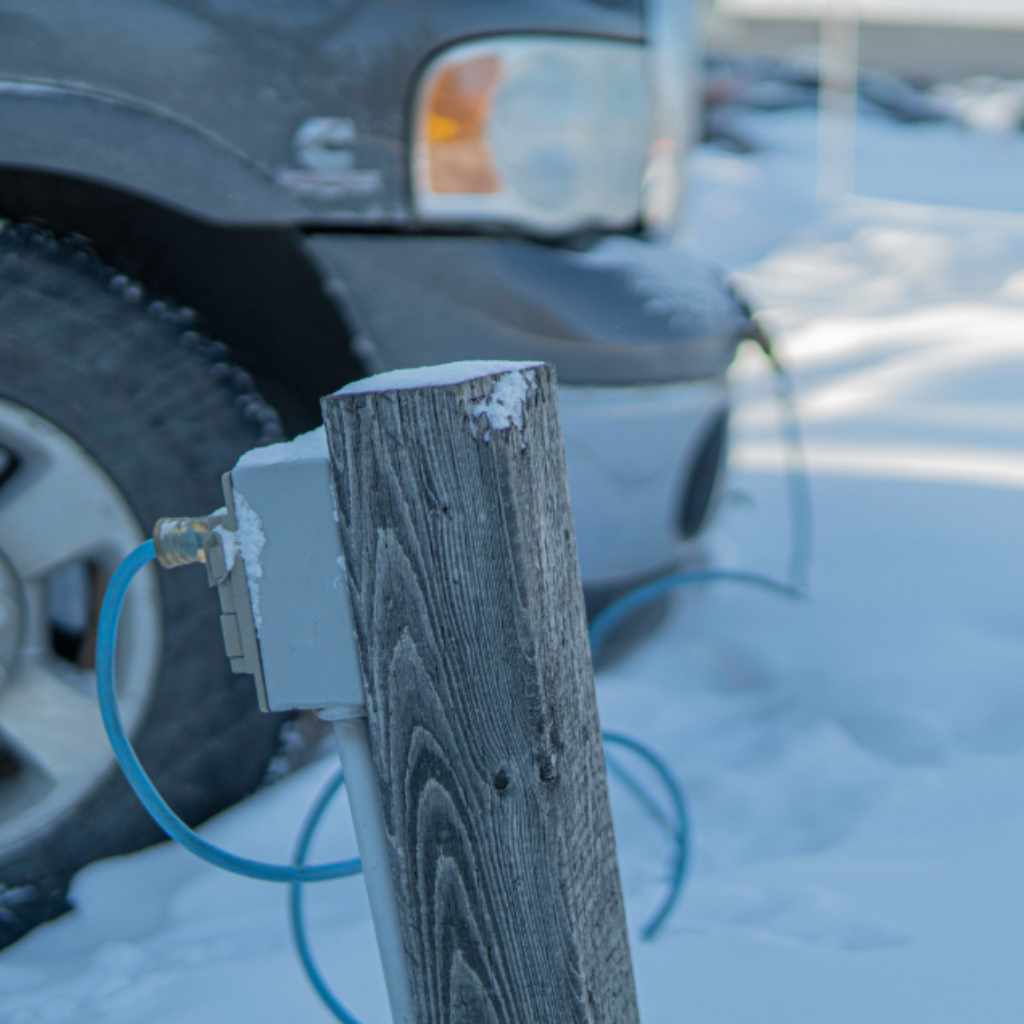
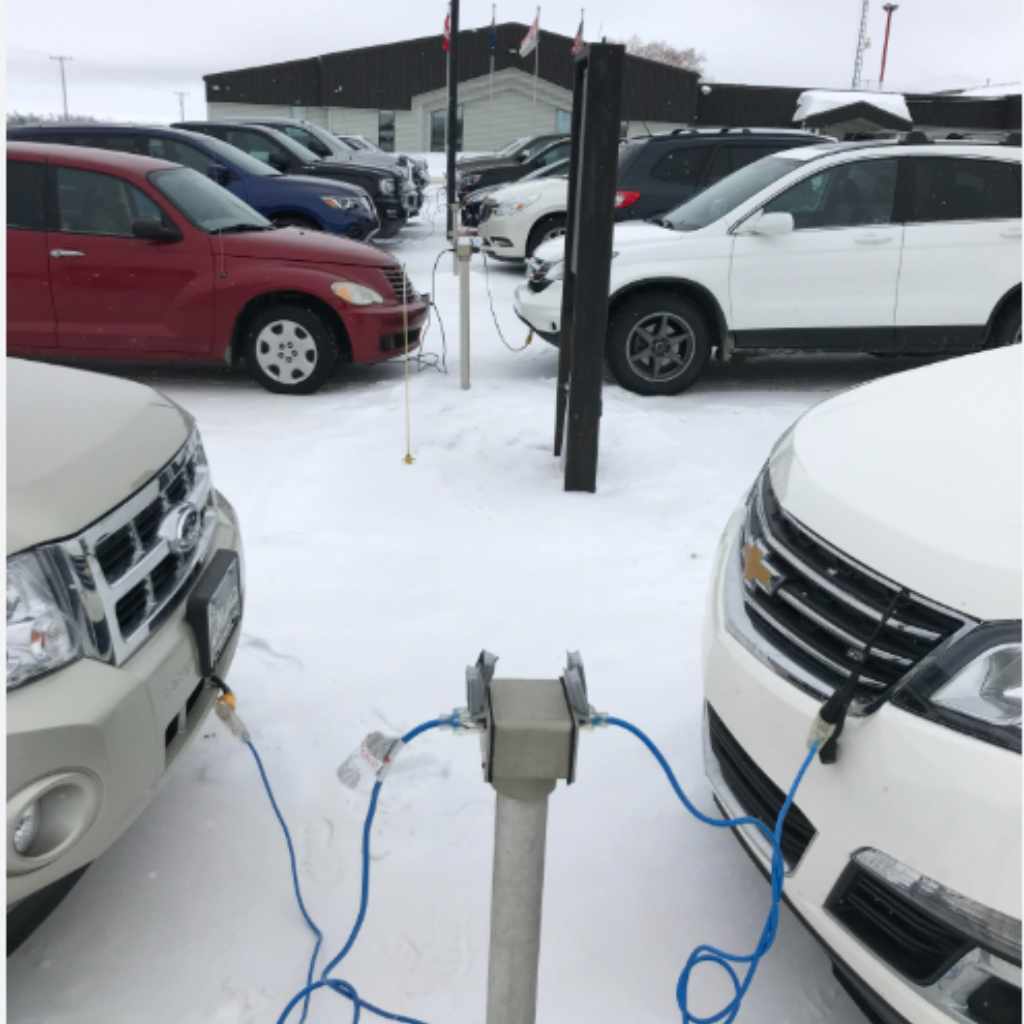
A block heater plugs into an electric outlet. It heats the engine block or oil pan directly. The warmth spreads through the engine parts. This makes starting the car easier in freezing weather. Most block heaters run for a few hours before driving.
Prevalence Of Block Heaters
Block heaters help cars start easily in cold weather. They warm the engine before starting. This reduces wear and saves fuel. In Canada, block heaters are common, but not every car has one. The use depends on many factors, including the car’s age and location.
Commonality In New Vehicles
Many new cars sold in Canada come with block heaters. Automakers add them to meet cold weather needs. Especially trucks and SUVs often have built-in block heaters. Smaller cars may not have them as standard. Some manufacturers offer block heaters as optional extras. This choice depends on the model and customer demand.
Regional Differences Across Canada
Block heater use varies widely by region. In northern Canada, block heaters are almost a must. Temperatures often drop far below freezing. Southern regions have milder winters. Here, fewer drivers use block heaters. Local climate greatly influences block heater prevalence. Also, urban areas see less use compared to rural zones.
Types Of Block Heaters
Block heaters help cars start easier in cold weather. They keep engine parts warm before you turn the key. Different types of block heaters serve various parts of the engine. Each type has a unique way to prevent freezing and reduce wear. Understanding these types can help you choose the right one for your car.
Engine Block Heaters
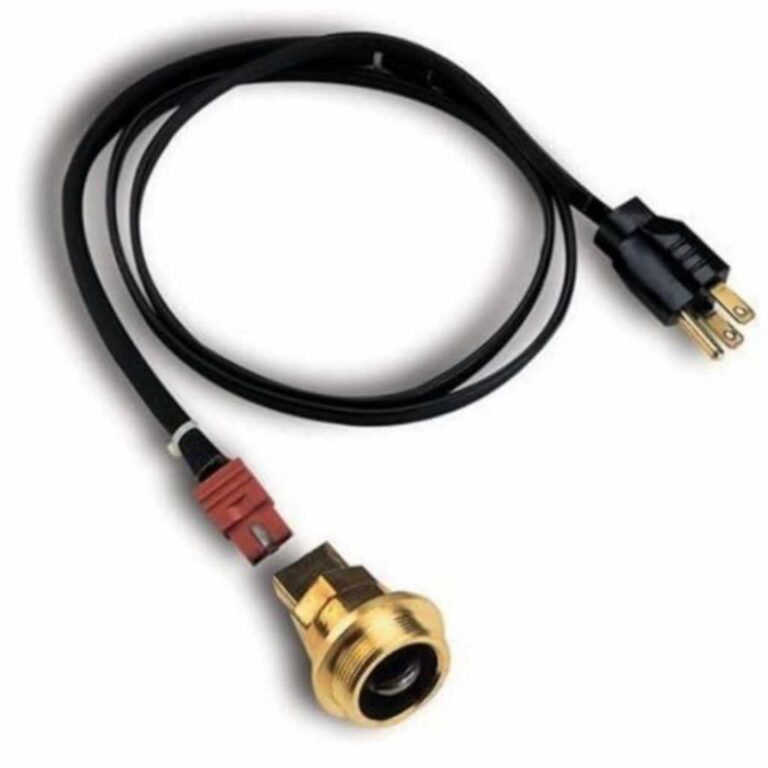
Engine block heaters warm the engine’s main block. They fit into a freeze plug hole or bolt onto the engine. This heater keeps the engine metal warm. It helps oil flow better during cold starts. Engine block heaters are the most common type in Canadian cars.
Oil Pan Heaters
Oil pan heaters attach to the bottom of the oil pan. They warm the engine oil directly. Warm oil moves faster and lubricates engine parts well. This reduces engine wear and makes starting easier. Oil pan heaters are simple to install and very effective.
Coolant Heaters
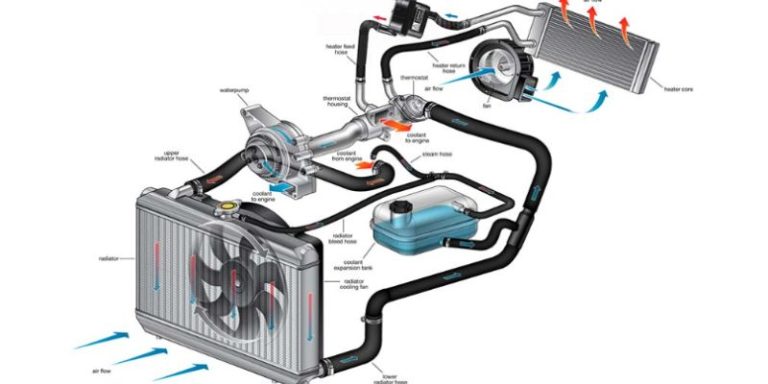
Coolant heaters warm the engine’s coolant before starting. They connect to the cooling system and heat the fluid. Warm coolant helps the engine reach operating temperature faster. It also prevents freezing inside the engine. Coolant heaters improve overall engine performance in cold weather.
Benefits Of Using Block Heaters
Block heaters offer many advantages for vehicles in cold climates. They warm the engine before starting. This makes a big difference on freezing mornings. Using a block heater helps protect the engine and improves performance. It also supports cleaner air and saves fuel.
Improved Engine Start
Cold engines struggle to start. Block heaters warm the engine coolant and oil. This makes the engine parts move smoothly. The engine starts faster and with less effort. Starting the engine easily reduces wear and tear. This leads to fewer repairs and longer engine life.
Reduced Emissions
Cold engines produce more harmful gases. Block heaters lower engine temperature before starting. This helps the engine burn fuel cleaner. Using a block heater cuts down harmful emissions. Cleaner air benefits both people and the environment. It also helps meet pollution rules.
Fuel Efficiency
Cold engines use more fuel. Warm engines burn fuel more efficiently. Block heaters reduce the fuel needed to start and run the car. Saving fuel means spending less money. It also lowers the car’s carbon footprint. Block heaters help keep your car running well and save fuel.
Installation And Usage Tips
Block heaters help cars start easily in cold weather. Proper installation and usage keep them safe and effective. This section offers clear tips to install and use block heaters correctly.
When To Use Block Heaters
Use block heaters before very cold days. Plug them in when temperatures drop below -15°C (5°F). Start the heater 2 to 4 hours before driving. This warms the engine and oil. It makes starting easier and reduces engine wear.
Proper Installation Methods
Install block heaters carefully for best results. Find the heater near the engine block. Usually, a mechanic can install it quickly. Use the right size and type for your car. Connect the cord to a safe power source. Make sure the cord does not touch hot parts or moving pieces.
Safety Precautions
Safety is important when using block heaters. Use outdoor-rated extension cords only. Avoid overloading electrical outlets. Unplug the heater when the engine starts. Do not run the heater all day. Check cables for damage before use. Keep cords away from snow and water to prevent shocks.
Alternatives To Block Heaters
Block heaters help cars start in cold Canadian winters. Some cars do not have block heaters. Other options keep engines warm and ready to start. These alternatives protect your car from cold damage. They also make starting easier.
Battery Warmers
Battery warmers wrap around your car battery. They use low power to keep the battery warm. Warm batteries hold charge better in cold weather. This helps your car start faster. Battery warmers are easy to install and use.
Remote Starters
Remote starters let you start your car from inside. They warm the engine and inside of the car. You do not need to go outside in cold weather. The car is ready when you get in. Remote starters also save time on cold mornings.
Engine Warm-up Techniques
Some drivers warm the engine by idling for a few minutes. This helps oil flow and protects engine parts. It uses fuel, so keep warm-up time short. Another method is driving gently at first. This warms the engine evenly and reduces wear.
Legal And Environmental Considerations
Block heaters are common in many Canadian vehicles. Their use helps engines start in cold weather. There are legal rules and environmental concerns to consider. These rules vary by region. Understanding them helps drivers use block heaters safely and responsibly.
Regulations On Block Heater Use
Some Canadian provinces have rules about block heater use. These rules often focus on time limits. For example, heaters should only run for a few hours before driving. This prevents wasting electricity and reduces pollution. Certain cities may also have bylaws about block heater cords outside homes. Drivers should check local laws before using block heaters.
Environmental Impact
Block heaters use electricity to warm engines. Using them too long increases power consumption. This can raise carbon emissions indirectly if the electricity comes from fossil fuels. Short, timed use of block heaters reduces this impact. Newer block heaters are more energy-efficient. Using a timer or smart plug helps save energy and lower emissions.
Frequently Asked Questions
Do All Canadian Cars Come With Block Heaters?
No, not all Canadian cars have block heaters installed. They are common in colder regions but optional in milder areas. Many vehicles have them as aftermarket additions to help with cold starts in winter.
Why Are Block Heaters Important In Canada?
Block heaters warm the engine before starting in freezing temperatures. This reduces engine wear, improves fuel efficiency, and ensures faster vehicle warm-up during harsh Canadian winters.
Are Block Heaters Mandatory In Canada?
Block heaters are not legally mandatory across Canada. However, some provinces recommend or require them for commercial vehicles in extreme cold areas to prevent engine damage and improve safety.
Can I Install A Block Heater On Any Car?
Yes, most vehicles can have block heaters installed. Installation depends on the engine type and design, but many aftermarket options are available for Canadian winters.
Conclusion
Not all Canadian cars have block heaters installed. Some vehicles come with them, especially in colder regions. Others may need an aftermarket block heater for winter use. Block heaters help engines start more easily in freezing weather. They also reduce engine wear and improve fuel efficiency.
Knowing your car’s needs can save time and money. Consider local climate and your driving habits before choosing. Staying warm and safe on cold mornings matters most.