
Have you ever wondered how a portable heater warms up your space so quickly? Whether you’re trying to stay cozy during a chilly night or need extra warmth in a small room, understanding how your portable heater works can help you use it more safely and efficiently.
You’ll discover the simple yet clever ways these heaters turn electricity or fuel into comforting heat. Keep reading, and you’ll learn tips that make your heater more effective while saving energy and money. Your perfect warm spot is just a few paragraphs away!
Types Of Portable Heaters
Portable heaters come in several types. Each type uses a different method to warm your space. Knowing these types helps you pick the right heater for your needs.
Electric Heaters
Electric heaters use electricity to create heat. They are safe and easy to use. These heaters warm the air quickly. Many models have a fan to spread heat faster. They work best in small rooms or offices.
Gas Heaters
Gas heaters burn fuel like propane or natural gas. They produce strong heat and warm large spaces well. These heaters need ventilation to avoid harmful gases. They work great where electricity is not available.
Oil-filled Radiators
Oil-filled radiators use hot oil inside metal fins. The oil heats up and stays warm for a long time. These heaters give gentle, steady heat. They are quiet and good for bedrooms or living rooms.
Infrared Heaters
Infrared heaters send heat directly to objects and people. They do not warm the air but the surfaces in a room. These heaters save energy and work fast. They are ideal for outdoor spaces or drafty rooms.

Core Components
Portable heaters have a few key parts that make them work well. These core components work together to create warmth safely and efficiently. Understanding these parts helps you see how the heater warms your space.
Each part has a special role. Some create heat, others control temperature, and some keep you safe. Let’s look at the main pieces inside a portable heater.
Heating Element
The heating element is the part that makes heat. It changes electricity into warmth. Common materials include metal coils or ceramic plates. These get hot quickly and spread heat around the room.
The element’s design affects how fast the heater warms the air. It must be strong to handle high temperatures safely.
Thermostat
The thermostat controls the room temperature. It senses the air temperature and turns the heater on or off. This keeps the room at the right warmth without wasting energy.
You can set the thermostat to your preferred temperature. It helps the heater run only when needed.
Fan Or Blower
The fan or blower moves warm air into the room. It pushes air across the heating element and spreads heat quickly. Without the fan, heat would stay near the heater and not warm the room well.
Many portable heaters use small, quiet fans to keep the air moving smoothly.
Safety Features
Safety features protect you and your home. Many heaters have tip-over switches. These shut the heater off if it falls. Overheat protection stops the heater if it gets too hot.
These features reduce fire risks and make the heater safer to use around children and pets.
Heat Generation Process
Portable heaters warm up a space through different methods. Each type uses a unique process to generate heat. Understanding these processes helps you choose the right heater for your needs.
Electric Resistance Heating
Electric resistance heating is common in portable heaters. It works by passing electric current through a wire or coil. The wire resists the electric flow, creating heat. This heat then warms the air around the heater. It is safe and does not produce fumes. Many small heaters use this simple and effective method.
Combustion Heating
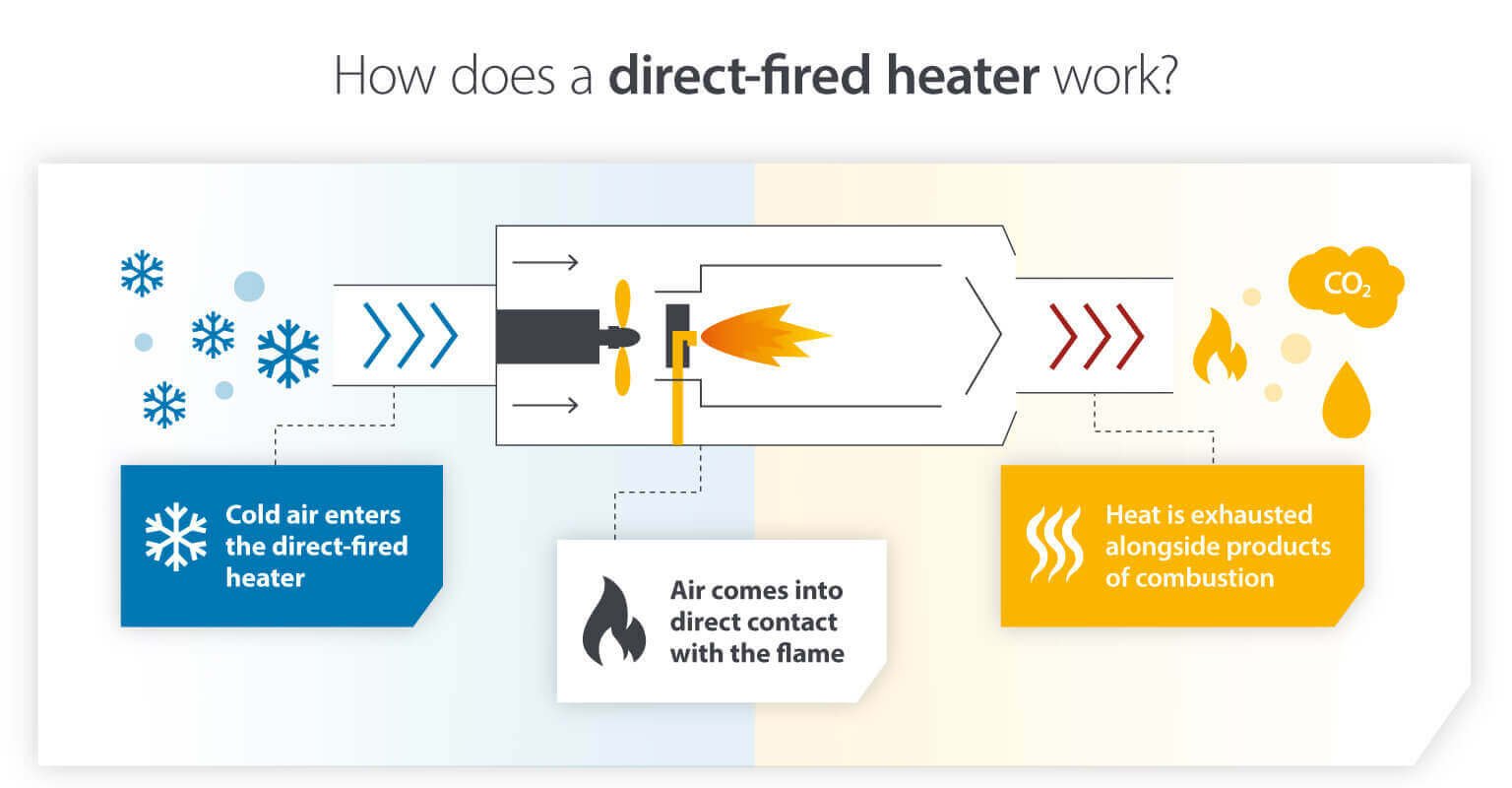
Combustion heating uses fuel like propane, kerosene, or natural gas. The fuel burns inside the heater, producing heat. This process releases hot gases and warmth into the room. Proper ventilation is important to avoid harmful fumes. These heaters are powerful and good for larger spaces.
Radiant Heat Emission
Radiant heat emission warms objects directly, not the air. The heater sends out infrared rays that heat people and objects nearby. This method works quickly and feels very warm. It is energy-efficient because heat does not get lost in the air. Perfect for spot heating or small areas.

Heat Distribution Methods
Portable heaters use different ways to spread heat in a room. These methods affect how fast and evenly the warmth reaches you. Understanding heat distribution helps you choose the right heater for your needs.
Convection
Convection moves warm air naturally. The heater warms the air near it. Warm air rises and cooler air moves in to take its place. This cycle keeps going and spreads heat around the room. Convection heaters work quietly and are good for steady warmth.
Radiation
Radiation sends heat directly to objects and people. It works like the sun’s warmth. The heater releases infrared rays that warm surfaces without heating the air first. This method heats quickly and feels warm right away. Radiant heaters are great for small spaces or spot heating.
Forced Air
Forced air heaters use a fan to push warm air into the room. The fan speeds up heat spread and cools the heater parts. These heaters warm a room faster than convection alone. Fans can make a little noise but help heat large areas quickly.
Energy Efficiency Factors
Energy efficiency is key to getting the most from a portable heater. It helps save electricity and keeps your bills low. Small changes in how you use the heater can make a big difference. Understanding these factors helps you heat your space smartly.
Insulation Impact
Good insulation keeps warm air inside. Walls, doors, and windows that block drafts reduce heat loss. Less heat escapes, so the heater works less. This saves energy and keeps the room warm longer.
Thermostat Settings
Setting the thermostat right controls energy use. A lower setting uses less power but still warms the space. Avoid setting it too high. The heater turns off once the room reaches the set temperature.
Heater Placement
Where you place the heater affects efficiency. Place it near the room’s center or where you sit. Avoid blocking it with furniture or curtains. Clear space helps heat spread evenly and faster.
Safety Tips For Use
Using a portable heater can warm up any space quickly. Safety is very important while using these heaters. Following safety tips helps avoid accidents and keeps your home safe. Always pay attention to how you use and place the heater.
Proper Ventilation
Place the heater in a room with good air flow. Proper ventilation stops harmful gases from building up. Keep windows or doors slightly open to let fresh air in. Never block vents or air openings on the heater. This helps the heater work safely and well.
Avoiding Overheating
Do not leave the heater on for too long. Turn it off when you leave the room or sleep. Keep the heater away from curtains, furniture, and paper. These items can catch fire if too close. Use heaters with automatic shut-off features to prevent overheating.
Regular Maintenance
Check the heater regularly for dust and dirt. Clean the filter and vents to keep air flowing. Look for damaged cords or plugs and replace them. Follow the manufacturer’s instructions for care and repair. Proper maintenance helps your heater last longer and stay safe.
Choosing The Right Heater
Choosing the right portable heater is important for comfort and safety. Different heaters suit different needs and spaces. Picking the best one helps save energy and keeps your room warm.
Room Size Considerations
Measure the room before choosing a heater. Small heaters work well in small rooms. Large rooms need heaters with higher power. A heater too small will not warm the space enough. Too large can waste electricity.
Power Source Availability
Check which power sources are available nearby. Some heaters use electricity, others use gas or fuel. Electric heaters are common and easy to use. Gas heaters need proper ventilation for safety. Choose a heater that fits your power setup.
Portability And Design
Think about how easy it is to move the heater. Lightweight and compact heaters are easier to carry. Some have handles or wheels for simple transport. Design also matters for your room’s style. Pick a heater that fits your space and moves with you.
Frequently Asked Questions
How Does A Portable Heater Generate Heat?
A portable heater converts electrical energy into heat using a heating element. The element warms up and transfers heat to the air. Some models use fans to circulate warm air quickly. Others rely on infrared or convection methods to distribute heat efficiently.
Are Portable Heaters Energy Efficient?
Modern portable heaters are designed to be energy efficient. They use thermostats and timers to minimize power use. Many models target small spaces, reducing wasted heat. Choosing the right heater size for your room improves efficiency and lowers energy bills.
What Safety Features Do Portable Heaters Have?
Most portable heaters include safety features like tip-over switches and overheat protection. These features automatically shut the heater off if it falls or gets too hot. This helps prevent fires and accidents, making portable heaters safer for home use.
Can Portable Heaters Heat Large Rooms Effectively?
Portable heaters are best suited for small to medium-sized rooms. Larger spaces may require multiple units or a more powerful heating system. Portable heaters provide supplemental heat rather than replacing central heating in big areas.
Conclusion
Portable heaters turn electricity or fuel into warm air quickly. They use fans or natural heat to spread warmth. Many types exist, like ceramic, oil-filled, or infrared heaters. Each works in a simple, clear way to keep rooms cozy. Choosing the right heater depends on your space and needs.
Understanding how they work helps you use them safely and well. Stay warm and comfortable during cold days with the right portable heater. Simple technology, effective heat.