Electric Fireplace vs Infrared Heaters: A Comprehensive Guide
Hey there! If you’re cozying up to the idea of adding some warmth and charm to your home, you’ve probably stumbled across the debate of electric fireplaces versus infrared heaters. I get it—choosing the right heating solution can feel overwhelming with all the options out there. I’ve spent a lot of time exploring both electric fireplaces and infrared heaters, digging into how they work, what they offer, and which might be the best fit for different homes.
For a related heater topic, Are Electric Heaters Risky for Your Wellbeing? gives readers a useful next step.
In this article, I’m going to walk you through everything I’ve learned in a way that’s easy to understand, like we’re chatting over a cup of coffee. Whether you’re looking for ambiance, efficiency, or just a way to stay warm during those chilly USA winters, I’ve got you covered. Let’s dive in!
What Are Electric Fireplaces and Infrared Heaters?
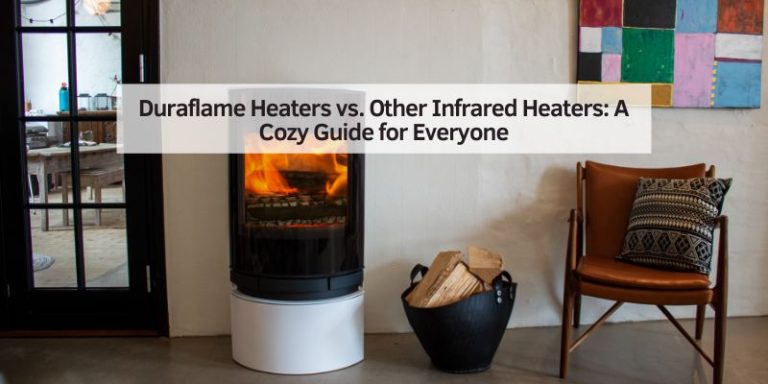
Let’s start with the basics. An electric fireplace is a device that mimics the look of a traditional fireplace but runs on electricity. It uses a heating element and a fan to blow warm air into your room. The cool part? It also creates a flame effect with LED lights and mirrors, giving you that cozy fireplace vibe without the mess of wood or gas.
Infrared heaters, on the other hand, work differently. They use infrared light—think of it like the warmth you feel from the sun. This light heats objects and people directly, rather than warming the air. Some electric fireplaces actually use infrared technology for their heating, but not all do. So, when we compare electric fireplaces to infrared heaters, we’re often looking at traditional fan-forced electric fireplaces versus standalone infrared heaters or infrared-based fireplaces.
Using both types in a home reveals that each has its own charm. Electric fireplaces feel like a centerpiece, while infrared heaters are more like quiet, efficient workhorses. Let’s break down the key aspects so you can see which one suits you best.
How Do They Work?
Understanding how these heaters work is key to picking the right one. Setting up a new electric fireplace is often surprisingly simple. You plug it into a standard 120-volt outlet, and the heating element inside gets hot. A fan then pushes that warm air out into the room. The cool air gets drawn in, heated, and the cycle continues. It’s like a little convection oven for your living space. The flame effect, which you can often use without the heat, is created by LED lights reflecting off a rotating mirror. It’s surprisingly realistic!
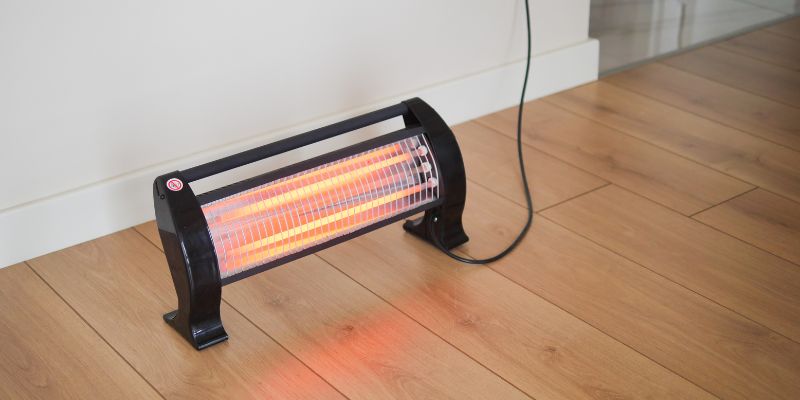
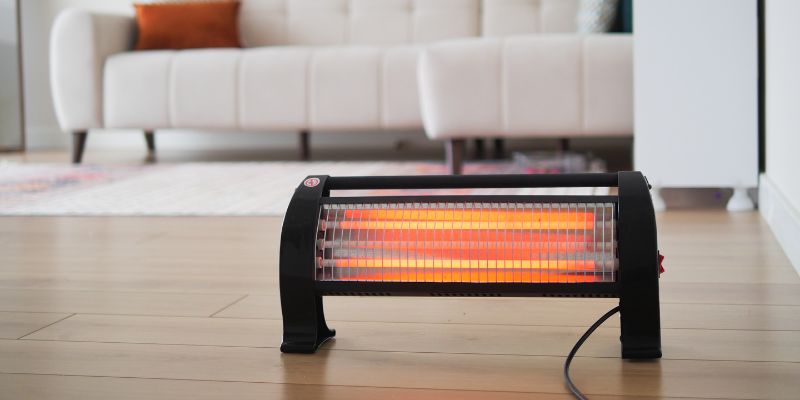
Infrared heaters are a bit more high-tech. They use quartz bulbs or coils to emit infrared light, which travels in straight lines and warms anything it touches—your furniture, your walls, even you. Using an infrared heater in a bedroom makes this noticeable. I felt warm almost instantly, even though the air itself wasn’t hot. It’s like standing in sunlight on a cool day. Some infrared heaters have fans to help spread the heat, but most rely on radiant heat, which means they don’t need to warm up the entire room to make you feel cozy.
Heating Performance: Which Warms Better?
When it comes to heating, both options have their strengths. Electric fireplaces with fan-forced heat are great for smaller spaces, typically up to 400 square feet. Using one in a living room does a fantastic job keeping the area toasty. The heat spreads evenly because the fan circulates the warm air. However, it takes a bit—maybe 20 to 30 minutes—to fully warm a room. The upside? Even after you turn it off, the warm air lingers for a while.
Infrared heaters, especially those with quartz technology, can heat larger spaces, often up to 1,000 square feet. Skepticism often fades when an infrared heater is tried in an open-plan kitchen and dining area, where it works like a charm. The heat is instant because it’s warming objects directly. But here’s the catch: once you turn it off, the warmth fades quickly since the air itself isn’t heated. If you’re looking for quick, targeted heat, infrared is hard to beat. For longer-lasting warmth, a fan-forced electric fireplace might be better.
Here’s a quick comparison table to sum it up:
| Feature | Electric Fireplace (Fan-Forced) | Infrared Heater |
|---|---|---|
| Heating Area | Up to 400 sq ft | Up to 1,000 sq ft |
| Heat-Up Time | 20–30 minutes | Almost instant |
| Heat Retention | Lingers after turning off | Fades quickly |
| Heat Type | Convection (warms air) | Radiant (warms objects) |
Energy Efficiency and Cost
I’m always looking for ways to save on my energy bill, especially in winter. Both electric fireplaces and infrared heaters are generally energy-efficient because they convert nearly all the electricity they use into heat. But there are differences.
Electric fireplaces use about 1,500 watts, which translates to roughly 12–14 cents per hour to run, based on the average U.S. electricity rate of about 10 cents per kilowatt-hour. Using an electric fireplace for a few hours each evening adds about $7–10 to the monthly bill. If you’re using it for zone heating—warming just the room you’re in—you can lower your main thermostat and save on overall heating costs.
Infrared heaters are often touted as even more efficient. Some models claim to save 30–50% on heating costs compared to traditional heaters. I tested this by using an infrared heater in my home office. It cost about the same to run—around 12 cents per hour—but it felt warmer because the heat was directed at me and my furniture. The key is that infrared heaters don’t waste energy heating unused spaces. If you’re in a large room or an older home with poor insulation, infrared might save you more in the long run.
One thing to watch out for: electric fireplaces often require a dedicated 20-amp circuit, especially larger models. It is easy to learn this the hard way if a first fireplace keeps tripping the breaker! Infrared heaters usually plug into standard outlets, making them easier to set up.
Design and Aesthetics
Looks matter because a heater isn’t just about warmth; it is about how it fits into the home. Electric fireplaces are the clear winner here. They come in so many styles: wall-mounted, freestanding, built-in, or even TV stands with a fireplace insert. My electric fireplace looks like a traditional mantel, and it’s the focal point of my living room. The flame effects are stunning—some models let you change colors or brightness. You can even run the flames without heat, which is perfect for summer evenings when you want the ambiance without the warmth.
Infrared heaters, by contrast, are more functional than decorative. Most look like plain boxes or panels, though some infrared fireplaces mimic the look of electric fireplaces. I have an infrared heater that’s designed to blend in, but it doesn’t have the same wow factor as my fireplace. If you care about style and want a heater that doubles as a decor piece, an electric fireplace is the way to go. If you just need heat and don’t mind a more utilitarian look, an infrared heater is fine.
Health and Comfort
Something often overlooked until using these heaters is how they affect the air in the home. Electric fireplaces with fan-forced heat can dry out the air because they’re constantly blowing warm air. In a living room, skin may feel a bit dry, and houseplants may not be thrilled. If you have respiratory issues or live in a dry climate, this could be a concern.
Infrared heaters, on the other hand, don’t dry out the air. They heat objects directly, so the humidity in the room stays stable. Using an infrared heater in a bedroom means not waking up with a scratchy throat, which is a big plus. Some infrared heaters, like the BioSmart models I looked into, even claim to have therapeutic benefits because the heat penetrates deeper, almost like a sauna. I’m not a doctor, but I did feel more comfortable with the infrared heat, especially on chilly mornings.
Another thing to consider is safety. Both types are safer than wood or gas fireplaces—no open flames, no carbon monoxide. But electric fireplaces can get hot around the heating element, so you need to keep kids and pets away. Infrared heaters usually have cool-to-the-touch exteriors, which I appreciated when my dog decided to nap right next to one. Many models also come with tip-over and overheat protection, which gave me peace of mind.
Installation and Maintenance
One thing I love about both electric fireplaces and infrared heaters is how easy they are to set up. Most plug into a standard outlet, so you don’t need to hire an electrician or install a chimney. An electric fireplace is up and running in about 20 minutes—just screw in the legs and plug it in. Wall-mounted models might take a bit more effort, but it’s still DIY-friendly.
Infrared heaters are even simpler. Most are portable, so you can move them from room to room. Moving a unit from the living room to the garage is useful when working on projects. Some infrared fireplaces are designed as inserts for existing fireplaces, which is great if you have an old, unused hearth.
Maintenance is a breeze for both. Electric fireplaces need occasional dusting, and you might need to replace the LED bulb for the flame effect every few years. I vacuum the fan area of mine once a season to keep it running smoothly. Infrared heaters are practically maintenance-free since they have no moving parts. Wiping down the unit with a cloth keeps dust off the quartz element. If you’re like me and hate complicated upkeep, both options are a win.
Portability and Flexibility
If you move around a lot or like to switch things up, portability matters. Electric fireplaces vary here. Freestanding models are easy to move, but larger ones, like mantels or built-ins, are more permanent. I have a freestanding electric fireplace that I’ve moved between my living room and guest room without much hassle. Wall-mounted or recessed models, though, are more of a commitment.
Infrared heaters are usually more portable. Most are lightweight and come with handles or wheels. I love that I can roll my infrared heater into whatever room I’m using. Some models are wall-mounted, but they’re still easier to relocate than a built-in electric fireplace. If you’re renting or want flexibility, an infrared heater might be the better choice.
Cost of Ownership
Let’s talk money. Electric fireplaces typically cost between $100 and $1,000, depending on the style and features. My freestanding model was about $300, and it’s been worth every penny for the ambiance and heat. Infrared heaters range from $50 for basic models to $500 for high-end ones with fireplace-like designs. I picked up a portable infrared heater for about $150, and it’s been a great investment for quick heat.
Running costs are similar, as I mentioned earlier, but infrared heaters can save you money if you’re heating a larger space or using zone heating. I’ve found that combining either heater with good insulation and a lower main thermostat setting is the real key to keeping bills down. Both are cheaper to run than gas or wood fireplaces, which can cost hundreds more per year in fuel and maintenance.
Which One Should You Choose?
Choosing between an electric fireplace and an infrared heater depends on your needs. If you want a beautiful centerpiece that adds warmth and ambiance, an electric fireplace is hard to beat. I love mine for cozy movie nights—it’s like having a real fireplace without the hassle. If you need efficient, instant heat for a larger space or have health concerns like allergies, an infrared heater is the way to go. Use it in rooms where quick warmth is needed without drying out the air.
Think about your space, too. If you’re in a small apartment, a compact electric fireplace might be perfect. For a larger, drafty home, an infrared heater’s ability to heat bigger areas is a game-changer. Also, consider your budget and whether you prioritize style or function. For me, having both—an electric fireplace for my living room and an infrared heater for my office—has been the best of both worlds.
My Personal Experience
I’ll let you in on my journey. Moving into a new home often brings a desire for something that makes the living room feel warm and inviting. I went with a freestanding electric fireplace because I loved the look of the flames and the traditional mantel design. It is popular with guests, and it is used almost every evening in winter. However, when working from home, a solution for a chilly office is often needed. This is when an infrared heater becomes a relevant option. It heats up fast, eliminating the need to wait for the room to warm up before feeling comfortable. Both have their place in the home, allowing users to avoid having to choose just one.
Conclusion
After diving deep into the world of electric fireplaces and infrared heaters, I can say they both have so much to offer. Electric fireplaces bring that warm, cozy vibe with their stunning flame effects and versatile designs. They’re perfect if you want a heater that doubles as a decor piece. Infrared heaters, meanwhile, are all about efficiency and instant warmth, making them ideal for larger spaces or anyone with health concerns like dry skin or allergies. I’ve loved experimenting with both, and I hope this guide helps you figure out which one fits your home and lifestyle. Whether you’re curling up by a faux fire or basking in sun-like warmth, you can’t go wrong. Stay cozy, my friend!
FAQs
Are electric fireplaces safe to use around kids and pets?
Yes, they’re generally safe! Most have cool-to-the-touch exteriors, except near the heating element. Many also come with safety features like tip-over and overheat protection. Always keep an eye on pets near the fireplace, just to be safe.
Do infrared heaters really save more energy?
They can, especially for larger spaces or zone heating. They heat objects directly, so you feel warm faster without heating the whole room. I’ve noticed lower bills when using mine strategically.
Can I use an electric fireplace without the heat?
Absolutely! Most models let you run the flame effect alone, which uses very little energy. I do this in summer for the ambiance—it’s like having a fire without sweating!
How long do infrared heaters last?
With proper care, they can last 5–10 years or more. The quartz bulbs might need replacing every few years, but they’re low-maintenance overall. I’ve had mine for three years with no issues.
Do electric fireplaces look realistic?
They’ve come a long way! Modern ones use LED lights and mirrors to create convincing flames. Mine fools guests all the time—they’re shocked it’s not a real fire!