
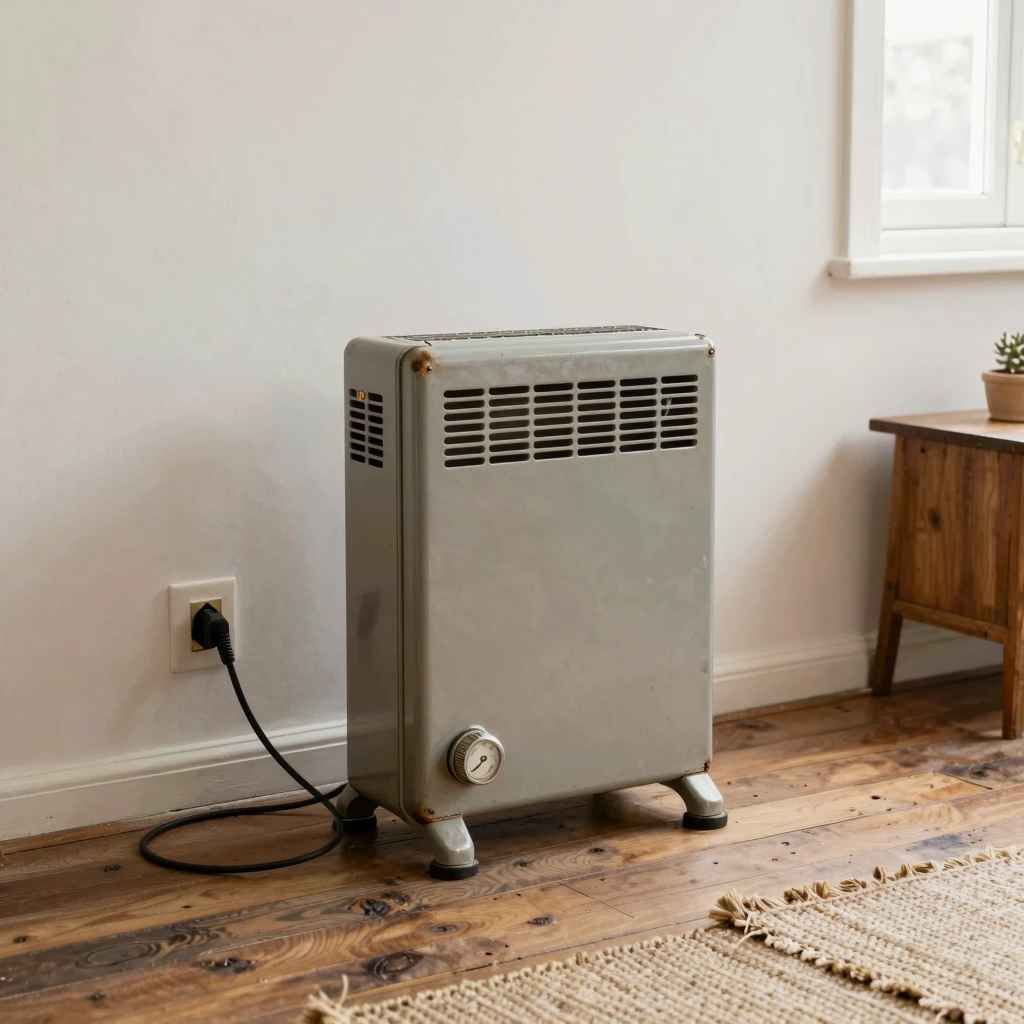
It’s easy to want to keep using your old room heater when the weather gets cold. Sometimes, these heaters just sit in a corner for a year or two. You might wonder, “How to Get Old Room Heaters Working Safely?” It can seem tricky for beginners.
But don’t worry, it’s simpler than you think. This guide will show you exactly what to do, step by step. We’ll cover everything you need to know to make sure your old heater is safe to use again.
Checking Your Old Room Heater
Before you even think about plugging in an old room heater, a good check is super important. This part is all about making sure the heater itself is sound and hasn’t developed any problems while it was stored away. You want to catch any issues early.
This helps prevent bad things from happening later. We will look at the outside, the cord, and what’s inside.
Visual Inspection Outside
Start by looking closely at the heater’s outside. See if there are any cracks in the plastic or metal casing. Look for any dents that seem unusual.
Make sure nothing looks bent out of shape.
- Cracks or Damage: Small cracks can let in dust or moisture. This can cause problems with the electrical parts. Large cracks mean the heater’s shell is compromised, which is a safety risk. Always check the entire body for any signs of wear and tear. A damaged casing is a clear sign to be extra careful or to consider replacing the unit.
- Loose Parts: Wiggle any parts that look like they might be loose. If the grille that covers the heating element feels wobbly, it’s not good. This grille is there to protect you from touching the hot parts. If it’s loose, it might fall off or not do its job.
- Rust or Corrosion: Some older heaters might have a bit of rust. A little bit on the outside might be okay if it’s just cosmetic. But if you see rust on electrical connections or on parts that move, that’s a bigger concern. Rust can weaken parts and interfere with how electricity flows.
Examining the Power Cord
The power cord is one of the most important parts to check. It’s the lifeline to electricity. A damaged cord can be a fire hazard.
- Fraying or Nicks: Look carefully at the entire length of the cord. Are there any spots where the rubbery outer layer is worn away? Do you see any thin, shiny wires sticking out? This is called fraying. Even small nicks in the cord can expose the wires inside.
- Kinks or Bends: Has the cord been bent sharply or kinked over time? While not always dangerous, severe kinks can stress the wires inside. This can lead to breaks or damage over time. Try to gently straighten out any bad kinks if you can.
- Plug Condition: Check the plug at the end of the cord. Are the prongs bent or damaged? Is the plastic around the prongs cracked? A damaged plug won’t fit well into the wall socket. This can cause a poor connection and heat buildup, which is dangerous.
Checking Internal Components (Visual Only)
If you’re comfortable and the heater has a removable panel, you can peek inside. But only do this if the heater is UNPLUGGED. You’re looking for obvious problems.
- Dust Buildup: Old heaters can collect a lot of dust inside. This dust can block airflow. It can also become a fire hazard if it gets too close to the heating element. If you see a thick layer of dust, it needs to be cleaned.
- Burn Marks or Smells: Look for any signs of scorching or burn marks on the internal wires or components. If you see any dark spots that look like they’ve been burnt, this is a big red flag. Also, if you remember it having a strange smell when you last used it, that’s worth noting.
- Loose Connections: With the heater UNPLUGGED and if you can safely access them, look at the wire connections. Do they look secure? Are any wires loose or detached? Loose wires can cause arcing, which is sparks that can start a fire.
Cleaning Your Old Room Heater
Cleaning an old room heater is not just about making it look nicer. It’s a critical safety step. Dust and debris can clog vents, reduce efficiency, and even become a fire hazard.
This section will guide you through how to safely clean your heater.
Safety First Unplug Everything
This is the absolute first step for any cleaning. You must ensure the heater is completely disconnected from power.
- Always Unplug: Before you touch any part of the heater for cleaning, unplug it from the wall socket. Don’t just turn it off with its switch. Pull the plug itself.
- Let it Cool Down: If the heater was recently used, it will be hot. Let it cool down completely. This might take an hour or more. Touching hot parts can cause burns.
- Stable Surface: Place the heater on a stable, flat surface where it won’t tip over while you’re cleaning it.
Dust Removal Techniques
Dust is the biggest enemy of old heaters. It insulates the heating elements, making them work harder, and can ignite.
- Vacuum Cleaner with Brush Attachment: This is your best tool for removing dust. Use the brush attachment to gently get dust out of vents, grilles, and any other openings. Go slowly and try to get as much dust out as possible. This helps improve airflow.
- Compressed Air: For hard-to-reach spots, a can of compressed air can be very useful. Use short bursts to blow dust out of the heater’s nooks and crannies. Be careful not to blow dust deeper into the unit if you can avoid it. Hold the can upright.
- Soft Brush or Cloth: For the exterior surfaces, a soft brush or a slightly damp (not wet) microfiber cloth works well. Wipe down the casing. Make sure no moisture gets into any electrical parts.
Cleaning Specific Parts
Different parts of the heater may need slightly different cleaning methods.
- Grilles and Vents: These are where dust collects the most. Use your vacuum’s brush attachment and compressed air to clean them thoroughly. If the grilles are removable, you might be able to clean them more easily outside.
- Heating Elements (If Accessible): For some heaters, the heating elements are visible. Never touch them with your fingers. If they have a lot of dust on them, you can try very gently using compressed air to blow it off. If there’s residue, it might be best left alone unless you are very experienced, as some residues can be toxic if burned.
- Base and Feet: Make sure the base is clean and free of debris. This ensures the heater sits stably. Check the feet to ensure they are all present and secure.
Drying Thoroughly
If you used any damp cloths, ensure the heater is completely dry before plugging it back in.
- Air Dry Completely: Leave the heater to air dry for at least 24 hours in a warm, dry place. Do not try to speed this up with a hairdryer on a hot setting, as this can damage plastic parts.
- Double Check for Moisture: Before plugging it in, visually inspect again to make sure no water or dampness remains, especially around any openings.
Testing Your Old Room Heater Safely
After cleaning and inspecting, it’s time to test your old room heater. This phase is about gradually introducing power and checking for any signs of trouble. It’s done cautiously.
Initial Power-Up Test
The first time you plug it in, do it in a safe place where you can easily unplug it if needed.
- Plug into a Wall Outlet: Use a direct wall outlet. Avoid using extension cords or power strips for the initial test, as they can sometimes cause issues or hide problems.
- Turn On Low Setting: Turn the heater on to its lowest heat setting. Listen for any strange noises like buzzing, crackling, or grinding.
- Smell Test: Pay close attention to any smells. A faint, new-appliance smell is sometimes normal as dust burns off. But any strong, burning plastic, acrid, or chemical smell is a danger sign.
Monitoring for Overheating and Smells
Watch the heater closely for the first few minutes of operation.
- Check for Hot Spots: Feel the exterior casing gently (be careful not to touch hot parts). It should get warm, but no single spot should feel excessively hot or be glowing red.
- Watch the Heating Element: If you can see the heating element, check that it glows evenly. If it sparks or glows an inconsistent color, turn it off immediately.
- Continuous Smell Check: Keep sniffing. If that burning smell returns or gets stronger, unplug the heater right away.
Testing All Settings
If the initial test goes well, try the other settings.
- Cycle Through Heat Levels: Turn the heater up to its medium and high settings. Make sure it heats up as expected on each level.
- Test Fan (If Applicable): If your heater has a fan, test that it runs properly on all speed settings. Ensure it blows air consistently.
- Thermostat Check: If it has a thermostat, test if it cycles on and off as it should. Set it to a lower temperature to see if it turns off, and a higher temperature to see if it turns back on.
Safety Features Check
Many heaters have safety features. Test them if possible.
- Tip-Over Switch: If your heater has a tip-over switch, carefully tilt it slightly while it’s running. It should automatically shut off. (Do this briefly and gently).
- Overheat Protection: While harder to test directly, if you notice the heater gets extremely hot very quickly, this might be a sign the overheat protection isn’t working.
Tips for Using Old Room Heaters Safely
Even after a thorough check, using old heaters requires constant attention to safety. These devices, while useful, carry inherent risks if not managed carefully. Implementing good habits is key to preventing accidents.
Placement Is Key
Where you put your heater makes a big difference to safety.
- Clearance Zone: Always keep heaters at least three feet away from anything flammable. This includes curtains, furniture, bedding, paper, and clothing. Think of it as a safety bubble around the heater.
- Stable Surface: Place the heater on a hard, level, non-flammable surface. Never put it on carpet, rugs, or soft furnishings. These materials can easily catch fire.
- Away from Water: Keep heaters away from bathrooms, kitchens, or any damp areas. Water and electricity are a dangerous mix. Even a small splash can cause a short circuit.
- Not Near Doors or Walkways: Don’t place heaters where they can be easily bumped into or where they might block an exit. This reduces the risk of it being knocked over or someone tripping on the cord.
Supervision and Usage Habits
Never leave a heater running unattended. This is one of the most important rules.
- Never Leave Unattended: Always stay in the room with a portable heater when it is on. If you have to leave, even for a few minutes, turn it off and unplug it.
- Don’t Sleep with It On: Never use a portable room heater in your bedroom while you are sleeping. This is a common cause of fires. The risk of things falling onto it or it malfunctioning while you sleep is too high.
- Children and Pets: Keep children and pets away from the heater. They might touch it, knock it over, or pull on the cord. Ensure they know it’s not a toy.
- Limit Usage Time: Avoid running a heater for extremely long periods without checking it. Frequent, short bursts of heating can be safer than constant running.
Regular Maintenance
Even after the initial check, ongoing care is needed.
- Monthly Checks: Once a month during the heating season, give your heater a quick visual check. Look for any new damage to the cord or casing.
- Annual Deep Clean: At least once a year, give your heater a more thorough cleaning, similar to the steps outlined earlier. This prevents dust buildup.
- Storage: When not in use, store the heater in a clean, dry place. Make sure the cord is not tangled or stressed. Wrap it loosely.
When to Replace Your Heater
Sometimes, even with the best care, an old heater is just too risky to keep using.
- Persistent Issues: If your heater continues to make strange noises, smell odd, or has recurring electrical problems, it’s time to let it go.
- Visible Damage: If the cord is severely damaged and cannot be safely repaired, or if the casing is significantly broken, replacement is the safest option.
- Lack of Modern Safety Features: Newer heaters often have advanced safety features like better overheat protection, automatic shut-offs, and cool-touch exteriors. If your old heater lacks these, consider an upgrade for peace of mind.
Understanding Your Heater’s Specifics
Every heater is a bit different. Knowing your specific model helps you use it right and safely. This means looking at what type of heater it is and what its specific warnings might be.
Types of Old Room Heaters
Understanding the type of heater you have helps you know its unique needs.
- Radiant Heaters: These heat objects directly in their path, like a mini sunbeam. They often have exposed elements. Safety means keeping them aimed correctly and not blocking the “beam.”
- Convection Heaters: These warm the air, which then circulates. They have vents that can get dusty. Keeping vents clear is vital for them.
- Fan Heaters (Ceramic or Coil): These use a fan to blow air over a hot element. The fan needs to work well to prevent the element from getting too hot. Dust on the element or fan can cause problems.
- Oil-Filled Radiators: These contain oil that heats up. They are generally safer as the outer surfaces don’t get as hot, but they still need clear space.
For example, a common issue with older fan heaters is dust buildup on the fan blades. This can make the fan spin slower, reducing airflow. When airflow is reduced, the heating element can overheat.
This can trip a safety switch or, in worse cases, become a fire hazard. A simple cleaning can often fix this.
Reading the Manual and Labels
Most appliances come with instructions. Finding and reading them is important.
- Manufacturer’s Instructions: Look for a model number on the heater. Then, try searching online for the manual. It will have specific advice for your heater. It might mention cleaning frequency or specific warning signs.
- Warning Labels: Check the heater itself for any stickers or plates. These often have safety symbols and crucial warnings. For instance, a symbol might show a flame with a line through it, meaning “keep away from flames.” Or it might show a warning about not covering the heater.
- Understanding Symbols: Familiarize yourself with common safety symbols. A symbol of a triangle with an exclamation mark often means “read instructions.” A symbol of a crossed-out electrical plug means “do not immerse in water.”
A statistic from fire safety experts indicates that a significant portion of home heating fires start with portable heaters. Often, these fires are due to improper use or lack of maintenance, such as not cleaning dust from the unit. For instance, one study found that nearly half of all home fires involving portable heating equipment occur in January, February, and December, highlighting the importance of safe usage during peak cold months.
Common Failure Points in Older Models
Older heaters have components that wear out over time.
- Thermostat Accuracy: Older thermostats might become less accurate. They may not shut off the heater at the correct temperature, leading to overheating. They could also fail to turn on when needed, making the heater seem broken.
- Cord Insulation Degradation: The rubber or plastic insulation around power cords can become brittle and crack over time, especially if exposed to heat or sunlight. This makes them more prone to fraying and electrical shorts.
- Internal Wiring Brittleness: Like the cord, internal wiring can also become brittle. Connections might loosen, leading to arcing or intermittent operation.
- Motor Wear (for Fan Heaters): The fan motor can wear out. This can lead to reduced speed, increased noise, or complete failure. Reduced fan speed is a major safety concern as it can cause overheating.
Frequently Asked Questions
Question: How often should I clean my old room heater?
Answer: You should give your old room heater a quick visual check monthly and a thorough cleaning at least once a year, ideally before the heating season begins.
Question: Can I use an extension cord with an old room heater?
Answer: It’s best to avoid extension cords, especially for older heaters. Plug directly into a wall outlet to ensure a safe and stable power connection.
Question: What should I do if my old heater smells like burning plastic?
Answer: If you smell burning plastic, unplug the heater immediately. This is a serious safety hazard, and you should not use it again until it has been inspected by a professional or replaced.
Question: Is it safe to leave an old heater on overnight while sleeping?
Answer: No, it is never safe to leave any portable room heater unattended, especially while sleeping. Always turn it off and unplug it before going to bed.
Question: My old heater has a frayed cord. Can I fix it myself?
Answer: If the power cord is frayed or damaged, it is not safe to use. It’s best to replace the heater rather than attempt to repair the cord yourself, as this is a significant electrical hazard.
Summary
Getting your old room heater working safely involves careful inspection, thorough cleaning, and cautious testing. Always check for cord damage, clean out dust, and monitor for strange smells or sounds during use. Proper placement and never leaving it unattended are essential habits.
If any issues persist, it’s safer to replace the unit.