
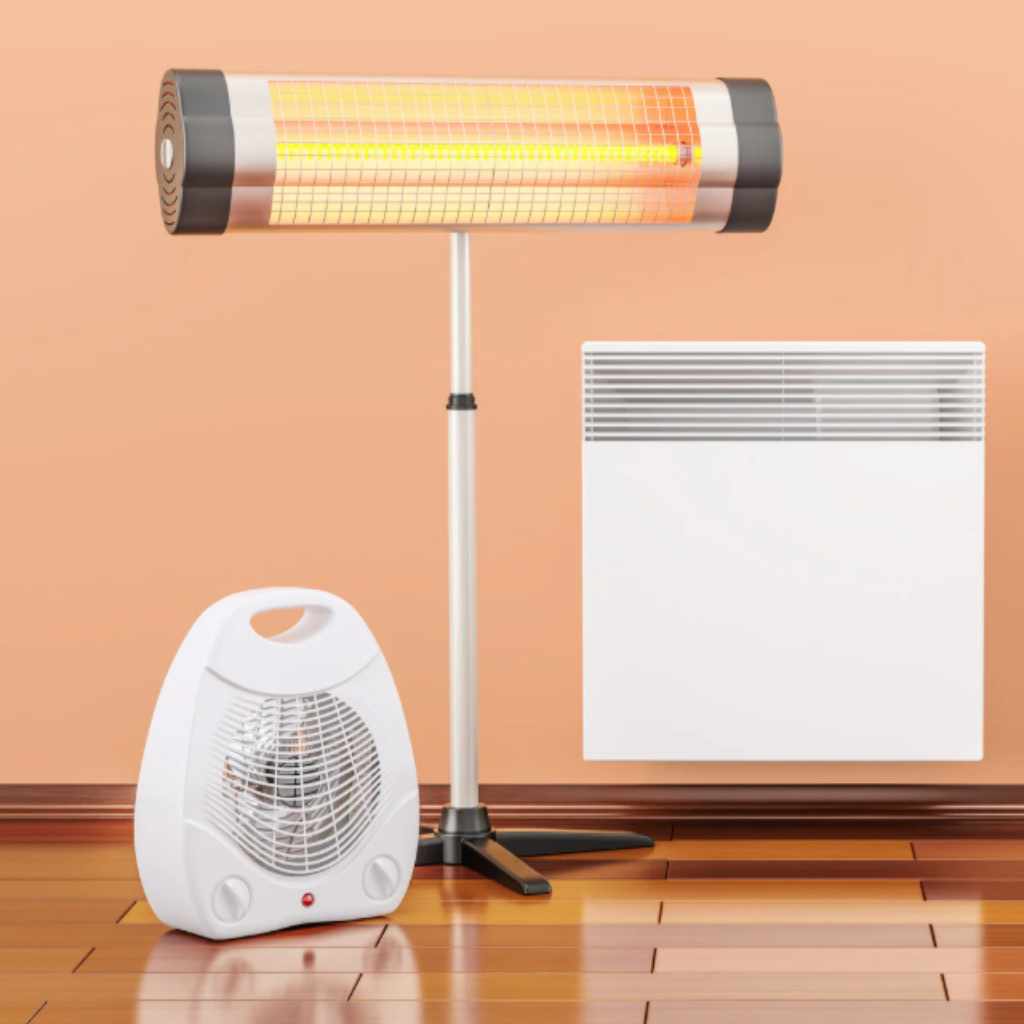
Infrared vs. electric heaters: Both warm spaces, but infrared heats objects directly, offering instant coziness and potential energy savings. Electric heaters warm the air. Understanding their unique strengths helps you choose the best fit for your home’s comfort and budget.
Feeling a chill in your home and wondering about the best way to warm up? You’re not alone! Choosing the right heater can seem a bit confusing with so many options out there. Two popular choices are infrared and electric heaters, and it’s easy to mix them up. But don’t worry, I’m here to help you sort it all out. We’ll break down exactly how they work, their amazing benefits, and where each one shines brightest. Think of me as your cozy home heating guide, making this simple and stress-free.
Infrared Vs Electric Heaters: What’s the Big Difference?
It all comes down to how they create warmth. Imagine the sun: it warms you directly, right? That’s similar to infrared. Electric heaters, on the other hand, heat the air around them, much like a furnace in your home.
Let’s break down their unique ways of working:
How Infrared Heaters Work: The Direct Warmth Approach
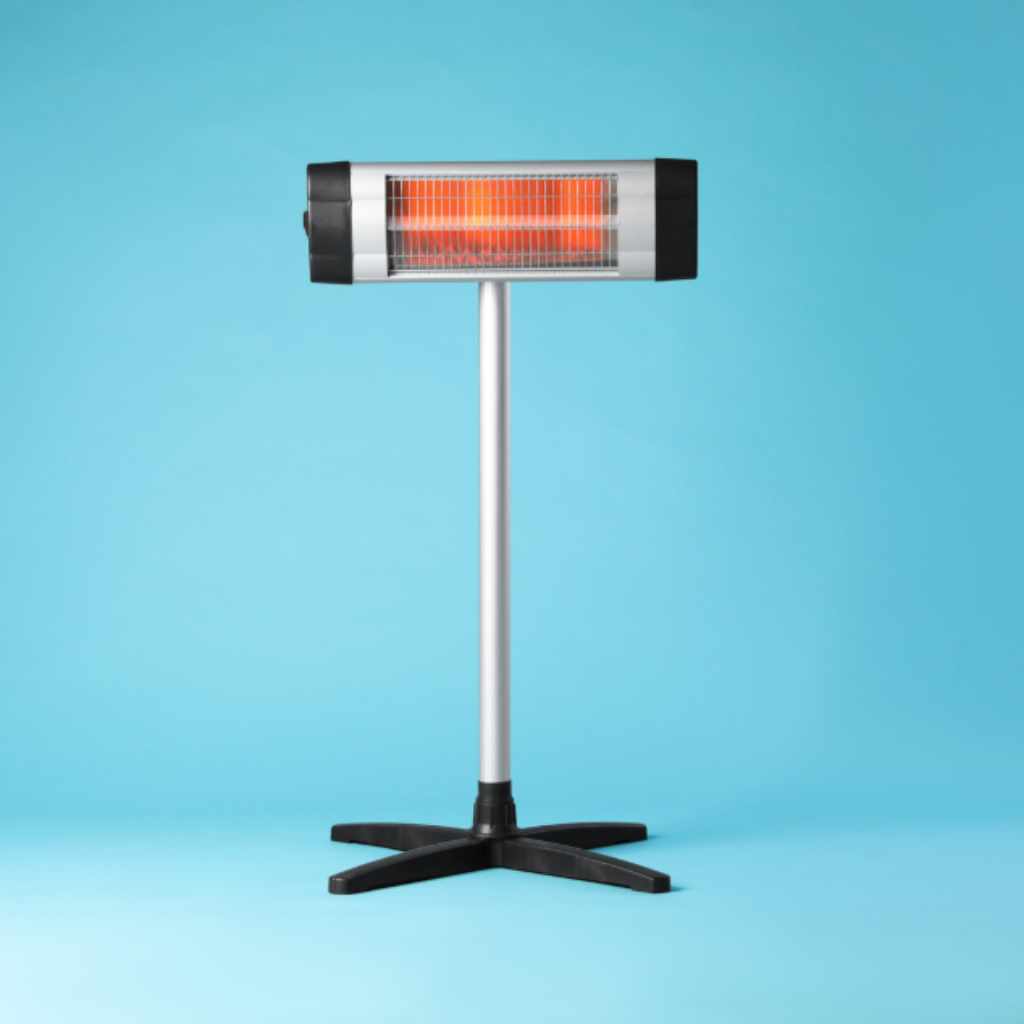
Infrared heaters are like mini suns for your home. They produce invisible beams of infrared radiation. When these rays hit objects and people in a room – like your furniture, walls, or even you – they absorb the energy and heat up directly. It’s a bit like feeling the warmth of a campfire; you feel its heat even if the air isn’t super hot.
Key characteristics of infrared heaters:
- Direct Heating: They warm objects and people, not just the air.
- Instant Warmth: You feel the heat almost immediately after turning them on.
- No Air Movement: They don’t blow air, which means no dust or allergens are stirred up.
- Zone Heating: Excellent for warming specific areas or people without heating the entire room unnecessarily.
- Quiet Operation: They are typically very quiet since there are no fans involved.
How Electric Heaters Work: The Conventional Air Heating Method
Traditional electric heaters, also known as convection or radiant heaters, work by heating the air. They typically have a heating element that gets hot. This heat warms the air around it, which then rises and circulates throughout the room. This process can take a little longer to feel noticeable warmth compared to infrared.
Key characteristics of electric heaters:
- Air Heating: They warm the air in the space.
- Slower to Heat: It takes time for the warmed air to circulate and make the room comfortable.
- Can Circulate Air: Some models use fans to help distribute the warm air.
- Whole Room Heating: Good for evenly warming an entire enclosed space.
- Variety of Types: Includes radiant, convection, ceramic, and oil-filled radiators, each with slight variations.

Infrared Vs Electric Heaters: A Genius Comparison Table
To make it super clear, let’s put their features side-by-side. This table highlights the key differences to help you see which might be a better match for your needs.
| Feature | Infrared Heaters | Electric Heaters (Convection/Radiant) |
|---|---|---|
| Heating Method | Infrared radiation warms objects and people directly. | Heats the air, which then circulates to warm the room. |
| Speed of Warmth | Almost immediate. You feel the direct heat quickly. | Takes time for air to circulate and warm the room. |
| Energy Efficiency | Often more efficient for spot heating or open spaces as it heats where it’s directed. Doesn’t waste energy heating unused air. | Can be less efficient for spot heating. Energy used to heat air that may escape or go unused. |
| Air Quality Impact | Does not circulate air, so no dust or allergens are stirred up. Good for allergy sufferers. | Some types (especially fan-forced) can circulate dust and allergens. |
| Noise Level | Very quiet (no fans). | Variable; some are silent, while fan-forced models can be noisy. |
| Best For | Spot heating, workshops, garages, patios, bathrooms (when placed safely away from water), areas with drafts, or when you want instant personal warmth. | Enclosing and evenly heating smaller, well-insulated rooms, offices, bedrooms. |
| Feel of Warmth | More like natural warmth, direct and comforting. | Gentle, ambient warmth that fills the room. |
The Pros and Cons: Helping You Decide
Every heater type has its shining moments and situations where it might not be the perfect fit. Understanding the advantages and disadvantages will really help you make a confident choice.
Infrared Heater Advantages
- Energy Savings: Because they heat objects directly, you can often feel comfortable at a lower thermostat setting, saving on electricity bills. They’re great for partially enclosed spaces or where you need heat only when you are present. For more on energy-efficient heating, check out the U.S. Department of Energy’s tips on home heating.
- Instant Gratification: No more waiting for the room to warm up! You step into a warm zone immediately.
- Improved Air Quality: Since they don’t rely on air circulation, they don’t kick up dust, pollen, or other allergens, making them ideal for people with respiratory issues.
- Silent Operation: Perfect for bedrooms, offices, or any space where you value peace and quiet.
- Outdoor Use: Many infrared heaters are designed for patios and outdoor spaces, extending your comfort zone beyond the house.
Infrared Heater Disadvantages
- Spot Heating: They are best at heating a specific area. If you need to warm an entire large, open-plan house evenly, they might not be the most practical primary solution.
- Object Dependence: If nothing is in the path of the infrared rays, there’s no object to absorb the heat, so the room air temperature may not rise significantly.
- Initial Cost: Some higher-quality infrared heaters can have a higher upfront purchase price compared to basic electric heaters.
Electric Heater Advantages
- Even Room Heating: Excellent for heating entirely enclosed and well-insulated rooms, providing a consistent, comfortable temperature throughout.
- Affordable Entry Cost: Many basic electric heaters are inexpensive to buy, making them an accessible option for many.
- Simple to Use: Generally very straightforward – plug them in, set the thermostat, and they do their job.
- Variety: Available in many forms (radiant, convection, ceramic, oil-filled radiators), allowing for different preferences in how heat is delivered.
Electric Heater Disadvantages
- Energy Consumption: They can consume a significant amount of electricity to heat a whole room, especially if the space is large, drafty, or poorly insulated.
- Slower Warm-Up: You have to wait for the air to heat up and circulate, which can feel slow on very cold days.
- Air Circulation Issues: Fan-forced models can blow dust and allergens around, which is not ideal for allergy sufferers.
- Can Dry Out Air: Some types of electric heaters can make the air feel dry.
Where Should You Use Each Type?
Choosing the right heater really depends on your specific needs and the space you’re trying to heat. Here’s a guide to help you place them wisely:
Best Spots for Infrared Heaters
- Workshops and Garages: These spaces are often large and not always well-insulated. Infrared heaters can provide targeted warmth for you while you work, without wasting energy heating the whole volume.
- Patios and Outdoor Seating Areas: Extend your enjoyment of the outdoors even when it’s chilly. Infrared patio heaters are designed for this purpose.
- Drafty Rooms: If you have a room with windows or doors that let in cold air, infrared can provide immediate comfort directly to where you are sitting or standing.
- Bathrooms: A small infrared panel heater mounted safely on the wall (well away from any water sources like showers or sinks) can provide quick warmth when you step out of the shower. Always follow manufacturer guidelines for bathroom safety. According to the Consumer Product Safety Commission, electric heaters can present fire hazards if misused, so always follow safety directions.
- Home Offices: If you only spend a few hours in your office or find one specific spot cold, an infrared heater can efficiently warm you without heating the entire room while you’re away from your desk.
Best Spots for Electric Heaters
- Small, Well-Insulated Bedrooms: An oil-filled radiator or a quiet convection heater can gently warm the entire room overnight, providing a cozy and consistent temperature.
- Home Offices (Enclosed): If your office is a small, fully enclosed space that you occupy for long periods, an electric heater can provide even, all-around warmth.
- Living Rooms (Smaller): For a smaller, sealed living area, a radiant or convection heater can help maintain a comfortable ambient temperature.
- Apartments or Dorm Rooms: Often used as supplementary heat or for spaces that don’t have central heating, where even warmth is desired.
- Areas Needing General Background Heat: If you’re looking to take the edge off the cold across an entire small room, electric heaters are a go-to.
Safety First! Essential Tips for Using Any Heater
No matter which type of heater you choose, safety should always be your top priority. Think of these as simple rules to keep your home and family safe and warm.
General Safety Guidelines
- Keep Clearances: Always maintain a safe distance between the heater and any flammable materials like curtains, furniture, bedding, and paper. A good rule of thumb is at least three feet (about one meter).
- Never Leave Unattended: Do not leave portable heaters on when you are sleeping or leave the house.
- Stable Surface: Place heaters on a flat, stable, and hard surface. Never place them on soft surfaces like carpets or beds, as this can block vents and increase fire risk.
- Inspect Cords: Regularly check the power cord for any damage. If the cord is frayed or damaged, stop using the heater immediately and have it repaired or replaced.
- Avoid Water: Keep electric and infrared heaters away from water sources, especially in bathrooms, kitchens, or laundry rooms, unless they are specifically designed for damp environments.
- Children and Pets: Keep curious children and pets away from heaters. Some heaters get very hot to the touch. Consider safety gates or barriers if needed.
- Proper Ventilation: Ensure that the room has some ventilation, especially if using older types of heaters.
- Follow Manufacturer Instructions: Every heater is different. Always read and follow the specific safety and operating instructions provided by the manufacturer.
Specific Safety Notes
Infrared Heaters: While they don’t circulate air, the heating elements can still get very hot. Be mindful of direct exposure to the glowing elements in some models, as intense heat directly on uncovered skin for prolonged periods can cause discomfort or a mild burn. Always follow the recommended distance guidelines.
Electric Heaters: For convection and fan-forced heaters, ensure that air vents are not blocked. For radiant heaters, be aware of the hot surfaces and the direct heat they emit. If you have a very old electric heater, consider upgrading to a modern one with better safety features like tip-over protection and automatic shut-off. For more detailed information on appliance safety, the FEMA website offers valuable safety resources.
Installation & Usage: Making it Simple
One of the best things about most infrared and electric heaters is how easy they are to get going. You don’t need an HVAC technician or a complicated setup!
Getting Your Infrared Heater Ready
- Unbox Carefully: Remove all packaging materials.
- Pick the Spot: Choose a location where you want direct warmth, keeping safety clearances in mind.
- Placement: Some are portable and sit on the floor, while others can be mounted on walls or ceilings. If mounting, ensure it’s securely attached according to the instructions.
- Plug It In: Connect the heater to a suitable electrical outlet. Make sure the outlet can handle the heater’s wattage.
- Power On: Use the controls on the unit or the remote to turn it on and adjust the temperature or power settings.
Getting Your Electric Heater Ready
- Unbox: Remove all packaging.
- Find a Safe Spot: Place it on a level floor, away from anything flammable and where it won’t be easily bumped.
- Plug It In: Connect to a grounded electrical outlet. Avoid using extension cords if possible, especially for high-wattage heaters, as they can overheat.
- Set Your Comfort: Use the thermostat or dial to set your desired temperature. If it has different heat settings (low, medium, high), choose the one that suits your needs.
- Give it Time: Allow a few minutes for the warm air to begin circulating and heating the room.
Tip: For both types, it’s a good idea to let them run for a bit in an unoccupied space the very first time you use them. This helps dissipate any manufacturing smells and ensures everything is working correctly.
Frequently Asked Questions (FAQ)
Here are some common questions beginners have about infrared and electric heaters.
1. Are infrared heaters more energy-efficient than electric heaters?
Generally, yes, for spot heating. Infrared heaters warm objects and people directly, so you feel warm quickly without needing to heat all the air in a room. This means they can use less energy to achieve personal comfort, leading to potential cost savings, especially in larger or drafty spaces.
2. Can I use an infrared heater to heat my whole house?
While you can use multiple infrared heaters to target different zones in your house, they are best suited for heating specific areas or people rather than providing uniform heat throughout an entire large home. For whole-house heating, a central system is usually more effective and practical.
3. Are electric heaters safe to leave on overnight?
It depends on the type and its safety features. Many modern electric heaters have safety mechanisms like tip-over switches and automatic shut-off. However, it’s always recommended to check the manufacturer’s manual and exercise caution. Never use a heater that looks damaged or has exposed wiring, and ensure adequate ventilation.
4. Which type of heater is better for allergies?
Infrared heaters are generally better for allergy sufferers because they don’t circulate air. This means they don’t kick up dust, pollen, pet dander, or other allergens that can be present in the room. Traditional electric heaters, especially those with fans, can stir up these particles.
5. How far away should I stand from an infrared heater?
The ideal distance varies by the heater’s power and design, but generally, you should feel comfortable warmth at a distance of about 3-6 feet (1-2 meters). Avoid standing too close for extended periods, as the direct radiation can feel intense and potentially cause discomfort, similar to standing too close to a strong light bulb.
6. Do infrared heaters get as hot as electric heaters?
The heating elements in infrared heaters can get very hot, similar to electric heaters. However, the feeling of heat is different. Infrared directly warms objects it hits, providing an immediate sensation of warmth. Electric heaters warm the air around them, which then provides a more ambient, less direct warmth that takes longer to feel. Both require safe handling and clearance from flammable materials.
7. What’s the difference between radiant and convection electric heaters?
Radiant electric heaters emit infrared radiation, similar to infrared heaters but often on a smaller scale, to directly heat objects and people in their path. Convection electric heaters heat the air, which then rises and circulates through the room to warm it. Both are electric, but their heat distribution methods differ.