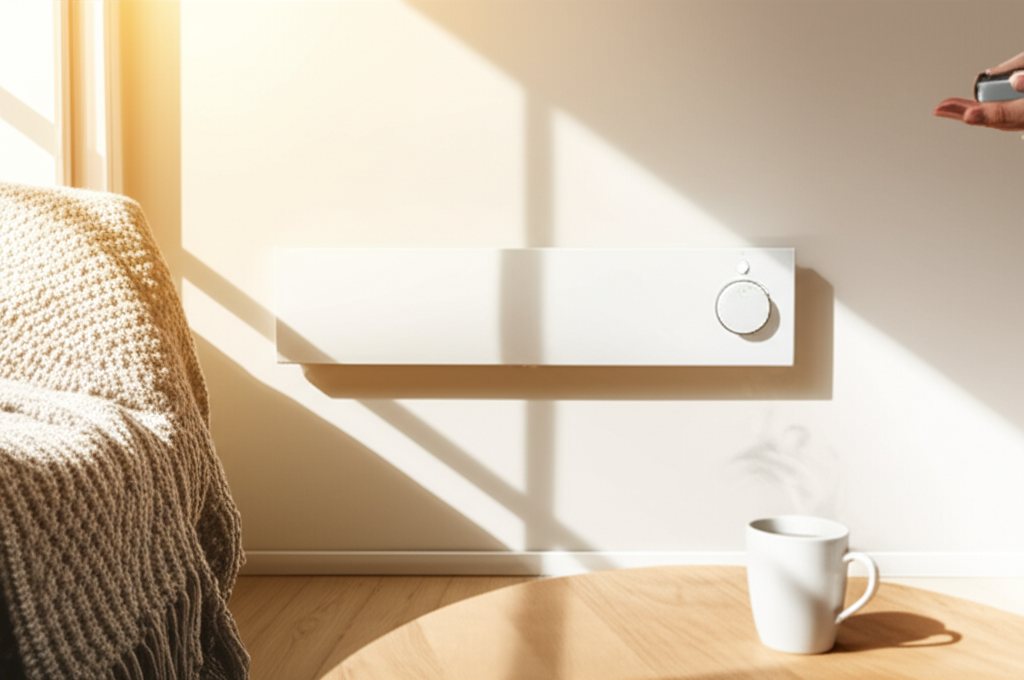
Are Cadet Wall Heaters Efficient for Small Rooms?
Cadet wall heaters can be a highly efficient heating solution for targeted areas, offering cost-effective warmth when used correctly. Their efficiency often comes down to proper sizing, thermostat control, and understanding their specific applications. Let’s explore how they deliver proven savings for your home.
For a related heater topic, Are Plug In Wall Heaters Any Good: The ? gives readers a useful next step.
Are Cadet Wall Heaters Efficient: Proven Savings
Finding the right heater for your home can feel a bit overwhelming. You want to stay warm and cozy, but you also don’t want your energy bills to skyrocket. Many people wonder about Cadet wall heaters: are they truly efficient? The good news is, with a little understanding, Cadet wall heaters can be a very smart choice for saving energy and money. They’re fantastic for heating specific rooms or areas, making your home more comfortable without heating unused spaces.
This guide is here to make things simple. We’ll break down exactly how Cadet wall heaters work, what makes them efficient, and how you can get the most savings from them. You’ll learn easy tips to keep your home toasty and your wallet happy. Let’s dive into how these heaters can bring warmth and savings to your home in a way that’s easy to understand and manage.
Understanding Cadet Wall Heaters: What Makes Them Tick?
Cadet wall heaters are designed to provide supplemental heat or to warm specific living spaces efficiently. They are typically electric resistance heaters, meaning they convert electrical energy directly into heat. While electric resistance heating can be more expensive per unit of heat than natural gas, the efficiency of Cadet wall heaters comes from their targeted application and smart controls.
Think of them as efficient problem-solvers for chilly spots. Instead of heating your entire house when you only need warmth in one room, a Cadet wall heater focuses its energy where you need it most. This direct approach means less wasted energy.
Types of Cadet Wall Heaters and Their Efficiency
Cadet offers a few types of wall heaters, each with its own strengths for efficiency:
- Convection Heaters: These are very common. They draw cool air from the floor, heat it with an element, and then release warm air out the top. This creates a natural circulation of warm air throughout the room. They are great for consistent, even heating.
- Fan-Forced Heaters (or Kickspace Heaters): Often installed under cabinets or in small spaces, these use a fan to push heated air out. They provide quicker bursts of heat and can be good for small bathrooms or under desks.
- Radiant Heaters: While less common in the Cadet wall-mounted range for whole-room heating, some models might incorporate radiant elements, which heat objects and people directly rather than just the air.
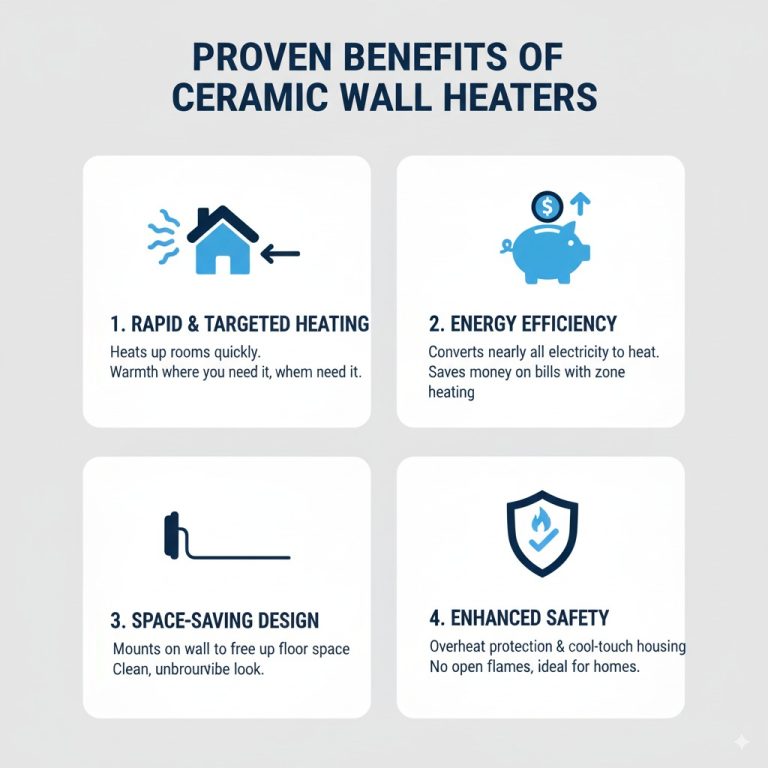
The core technology for most Cadet wall heaters is electric resistance. The primary measure of their efficiency in converting electricity to heat is often referred to as 100% efficient. This means that for every unit of electricity used, nearly all of it is converted into heat within the unit. However, true system efficiency, and therefore cost savings, depends less on this direct conversion and more on how wisely the heat is delivered and controlled.
How Cadet Wall Heaters Deliver Proven Savings
The savings you achieve with Cadet wall heaters aren’t just about how much heat they produce per watt of electricity. It’s about smart usage and application. Here’s how they offer proven savings:
1. Zonal Heating: Only Heat Where You Need It
This is the biggest win for Cadet wall heaters. Instead of turning up your central heating system to warm an entire house, you can use a Cadet wall heater to warm just the room you’re in. This is especially beneficial for:
- Guest rooms that aren’t used often.
- Basement rec rooms or workshops.
- Bathrooms that need quick, targeted warmth.
- Home offices where you spend most of your day.
By heating only occupied spaces, you significantly reduce overall energy consumption compared to heating an entire dwelling. This is a fundamental principle of energy saving in any home.
2. Precise Temperature Control
Most Cadet wall heaters come with built-in thermostats or are compatible with wall thermostats. This allows you to set a specific temperature for the room. Unlike a whole-house system that might cycle on and off, a zonal heater can maintain a comfortable temperature precisely where you want it, without overheating other areas. This prevents the wasteful practice of turning up the main thermostat too high just to make one room comfortable.
3. Programmable Thermostats and Smart Controls
For even greater savings, many modern Cadet wall heaters can be paired with programmable or smart thermostats. These devices can:
- Automatically lower the temperature when you’re asleep or away.
- Allow you to schedule heating times for specific rooms.
- Be controlled remotely via smartphone, so you only heat when needed.
According to the U.S. Department of Energy, using a programmable thermostat can save homeowners about 10% a year on heating and cooling costs.
4. Faster Warm-Up Times
For smaller spaces or temporary heating needs, Cadet wall heaters can warm up a room much faster than a central system. This means you get comfortable quickly, and the heater doesn’t need to run for long periods, contributing to energy efficiency.
5. Reduced Heat Loss from Ducts
Central heating systems can lose a significant amount of heat through ductwork, especially if it’s not well-insulated or is leaky. This loss can be as high as 30% of the energy used, according to the ENERGY STAR program. By using Cadet wall heaters, you bypass the duct system altogether, ensuring the heat generated is delivered directly to the space you want to warm.
Calculating Potential Savings: A Simple Approach
Let’s look at how to estimate savings. Efficiency in this sense means getting the most comfort for the least cost. Since electric resistance heating has a cost per kWh, the savings come from reducing the hours the heater runs and avoiding heating unused areas.
Consider this scenario:
| Scenario | Estimated Energy Use (kWh) | Estimated Cost ($) (Assuming $0.15/kWh) |
|---|---|---|
| Heating an entire 1500 sq ft home with central heat for 6 hours a day, equivalent to 30 kWh/day. | 30 kWh | $4.50 |
| Using a 1500W Cadet wall heater for 6 hours in a single occupied room (1.5 kWh). For a week, that’s 10.5 kWh. | 1.5 kWh | $0.225 |
| Heating a basement area using a Cadet wall heater for 6 hours daily (1.5 kWh). For a week: 10.5 kWh. | 1.5 kWh | $0.225 |
This simplified example shows the drastic difference. If you use two Cadet wall heaters for 6 hours each in occupied rooms, your daily cost is $0.45 compared to $4.50 for the whole house. Over a week, that’s $3.15 for targeted warmth versus $31.50 for a central system, demonstrating significant potential savings ($28.35). The actual savings will vary based on your home’s insulation, thermostat settings, local electricity rates, and how you use your heating systems.
Tips for Maximizing Cadet Wall Heater Efficiency and Savings
To ensure your Cadet wall heaters work as efficiently and cost-effectively as possible, follow these practical tips:
- Proper Sizing is Crucial: A heater that’s too small will run constantly without adequately warming the space, wasting energy. A heater that’s too large will cycle on and off too frequently, potentially using more energy than necessary and not providing consistent comfort. Consult the manufacturer’s guidelines or a professional to determine the right wattage for the room size.
- Install Thermostats Wisely: Ensure thermostats are placed away from drafts, direct sunlight, or heat sources (like lamps or vents from other systems) that could give them inaccurate readings. This helps the heater cycle on and off at the correct times to maintain your desired temperature without overworking.
- Seal Air Leaks: Drafty windows and doors are Kryptonite to any heating system. Before relying on your Cadet heater, seal up any air leaks around windows, doors, and electrical outlets. This prevents warm air from escaping and cold air from entering, making your heater’s job much easier and more efficient. You can find great resources on sealing air leaks from organizations like the Building Science Corporation.
- Insulate Properly: Good insulation in walls and attics is essential. It acts like a blanket for your home, keeping the heat generated by your Cadet heater inside where it belongs.
- Use Doors and Curtains to Your Advantage: Close the doors to unused rooms to keep the heat contained. In rooms with Cadet heaters, consider using heavy curtains to hold in warmth, especially at night.
- Regular Maintenance: Keep the heater’s vents and intake areas clean and free of dust and debris. This ensures proper airflow, allowing the heater to operate efficiently. Check the manufacturer’s manual for specific cleaning instructions.
- Combine with Companion Products: For maximum smart control, consider Cadet heaters that work with wall-mounted thermostats or smart home systems. This allows for advanced scheduling and remote adjustments, preventing unnecessary heating.
When Are Cadet Wall Heaters the Most Efficient Choice?
Cadet wall heaters shine in specific situations:
- Supplemental Heat: In homes with a primary heating system that struggles to keep certain rooms, like an addition or a room over a garage, at a comfortable temperature.
- Heating Unoccupied Spaces (When Needed): If you have a basement, spare bedroom, or home office you use intermittently, a Cadet heater allows you to heat only that space when you are using it, rather than the entire house year-round.
- Frost Protection: In basements or garages, they can be used at a very low setting to prevent pipes from freezing during extreme cold snaps, using minimal energy.
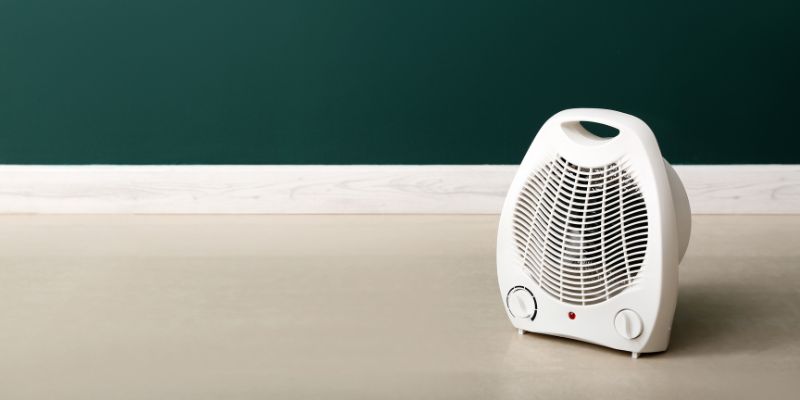
- Replacing Inefficient Portable Heaters: For a more permanent and safer solution than many portable heaters, wall-mounted units offer better heat distribution and are typically hardwired for safety.
It’s important to note that electric resistance heating, including Cadet wall heaters, is generally more expensive per BTU to operate than natural gas or heat pump systems if you were heating your entire home. However, their efficiency and cost-effectiveness are realized through their precise, zonal application.
Frequently Asked Questions About Cadet Wall Heater Efficiency
Q1: Are Cadet wall heaters expensive to run?
They can be if used to heat a whole house or left on unnecessarily. However, they are cost-effective when used for heating specific rooms or zones. Their running cost depends on their wattage, how long they are on, and your local electricity rates. Using them wisely for targeted comfort is key to managing costs.
Q2: Can I use a Cadet wall heater as my primary heat source?
While possible, it’s generally not the most cost-effective solution for heating an entire home, especially in very cold climates. They are best suited as supplemental heat for individual rooms or to provide warmth in areas not adequately covered by a central system.
Q3: How do I know if my Cadet wall heater is efficient?
An efficient Cadet wall heater will heat the intended space effectively and cycle off once the desired temperature is reached. If it runs constantly without reaching temperature, or if you feel it’s heating excessively, its efficiency might be compromised by improper sizing, poor insulation, or faulty controls.
Q4: What’s the best way to set the thermostat for a Cadet wall heater?
For maximum efficiency, set your thermostat to the lowest comfortable temperature. Avoid drastic temperature changes. For occupied rooms, aim for a steady temperature. For unoccupied rooms, set it lower (e.g., 50-55°F or 10-13°C) to prevent over-cooling and potential moisture issues, but avoid letting it get too cold.
Q5: How often should I clean my Cadet wall heater for it to remain efficient?
It’s recommended to clean air intake and outlet grilles at least once a year, or more often if you live in a dusty environment. Dust buildup can restrict airflow, reducing heating efficiency and potentially posing a fire hazard. Always unplug the heater before cleaning.
Q6: Will using a smart thermostat with my Cadet heater really save money?
Yes, significantly. Smart thermostats allow for programmable schedules, temperature setbacks when no one is home, and even usage monitoring. This prevents wasted energy by ensuring the heater only operates when and where it’s needed, leading to substantial savings over manual thermostat control.
Conclusion
So, are Cadet wall heaters efficient? Absolutely, when and where they are used strategically. Their strength lies in their ability to provide targeted warmth, making them an excellent choice for heating specific zones in your home. By focusing heat only where and when it’s needed, you can drastically cut down on energy waste and see real savings on your utility bills.
Remember to prioritize proper sizing, install thermostats wisely, and take steps to improve your home’s insulation and seal air leaks. When you combine these practices with smart controls like programmable or smart thermostats, your Cadet wall heaters can become a powerful tool for maintaining a comfortable home and keeping your energy expenses in check. Embrace these tips, and you’ll be well on your way to enjoying proven savings and cozy warmth all season long!