
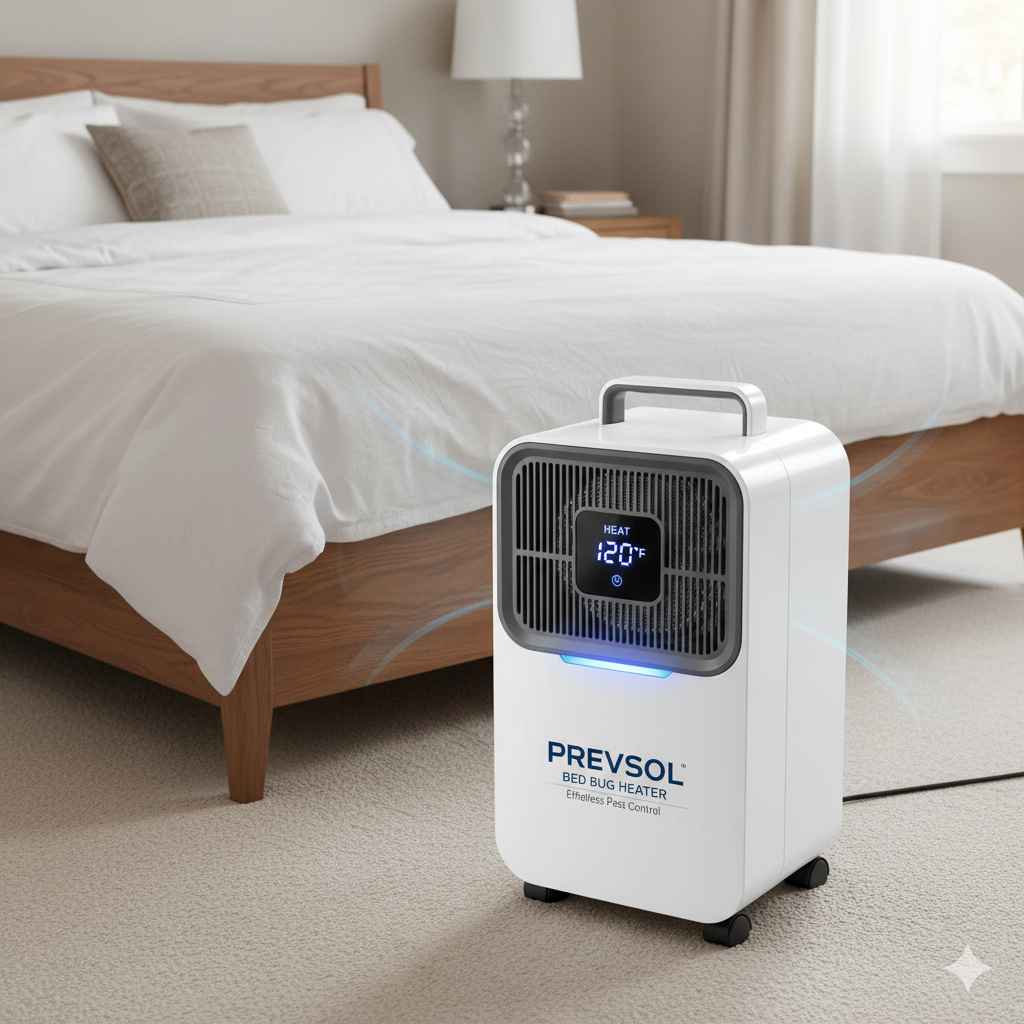
Struggling with bed bugs? The Prevsol Bed Bug Heater offers a powerful, yet simple, way to eliminate these persistent pests. This guide shows you how easy it is to use this effective heating solution for a pest-free home. Get ready to reclaim your comfort!
Discovering bed bugs can be a real headache. These tiny invaders can make your home feel less like a sanctuary and more like a battleground. If you’re looking for a way to tackle them head-on without harsh chemicals or complicated treatments, you’re in the right place. We’ll walk through exactly how the Prevsol Bed Bug Heater makes pest control manageable and effective, even for beginners. Let’s get your home feeling comfortable and bug-free again!
Understanding the Prevsol Bed Bug Heater System
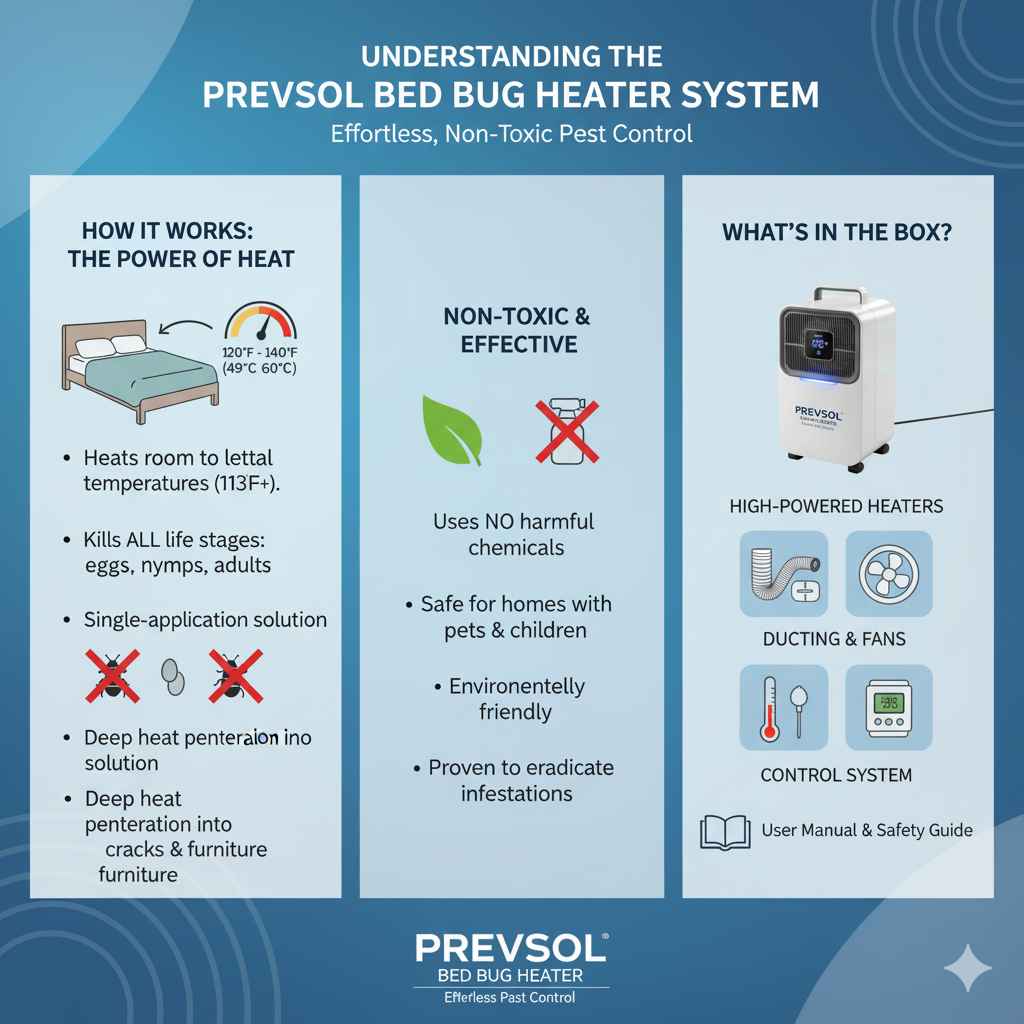
The Prevsol Bed Bug Heater is designed with homeowners in mind, making it an accessible tool for pest control. Unlike traditional methods that might involve spraying chemicals or fumigating, this system uses heat to create an environment that bed bugs and their eggs cannot survive in. This approach is not only effective but also often preferred for its non-toxic nature.
At its core, the Prevsol system is about raising the temperature of your infested space to a level that is lethal to bed bugs. This is achieved through specially designed heaters that can safely and effectively heat entire rooms or specific areas.
How Heat Treatment Works Against Bed Bugs
Bed bugs are surprisingly vulnerable to heat. When exposed to temperatures consistently above 113°F (45°C), they begin to die. The Prevsol system aims to reach and maintain temperatures significantly higher than this, often between 120°F and 140°F (49°C to 60°C), ensuring that all life stages of the bed bug – eggs, nymphs, and adults – are eradicated. This method is a single-application solution, meaning it can resolve an infestation in one go if applied correctly, which is a major advantage over treatments that require multiple visits.
The warmth needs to penetrate all the nooks and crannies where bed bugs like to hide, such as within mattresses, furniture seams, electrical outlets, and even behind baseboards. The Prevsol heaters are engineered to achieve this deep penetration of heat, making them a thorough solution.
What’s Inside the Prevsol Bed Bug Heater Package?
When you get a Prevsol Bed Bug Heater system, it typically includes everything you need to get started. While specific packages might vary slightly, you can generally expect:
- High-Powered Electric Heaters: These are the workhorses of the system, designed to generate significant heat output.
- Ducting and Fans: To help circulate the hot air evenly throughout the treatment area, ensuring no cool spots are missed.
- Temperature Monitoring Devices: Crucial sensors that help you monitor the temperature of the space throughout the treatment to ensure it reaches and stays at lethal levels.
- Control System: A unit that allows you to manage the heaters and monitor the temperature readings.
- User Manual and Safety Guidelines: Essential for understanding how to operate the equipment safely and effectively.
Having all these components together makes setting up and running the system much more straightforward for a homeowner. You don’t need to source individual parts; it’s designed as a complete solution.
Setting Up Your Prevsol Bed Bug Heater: A Step-by-Step Guide
Getting your Prevsol system ready for action is simpler than you might think. We’ll break down the process into easy steps. Remember, safety and thoroughness are key to a successful treatment.
Step 1: Prepare the Treatment Area
Before you turn on the heaters, it’s important to get the room or area ready. This makes the heat treatment more effective by allowing the hot air to circulate freely and penetrate all potential hiding spots.
- Declutter: Remove as much clutter as possible from the room. This includes clothes, books, toys, and anything else that creates piles. Items that need to be treated should be placed in the treatment area, not removed.
- Pull Furniture Away: If possible, pull furniture a few inches away from the walls. This allows hot air to get behind them.
- Open Drawers and Doors: Open all drawers, closets, and cabinet doors. This helps the hot air reach inside.
- Remove Heat-Sensitive Items: Take out anything that could be damaged by high heat. This includes aerosols, flammable liquids, certain electronics, medications, food items, and plants. Check your Prevsol manual for a comprehensive list.
- Seal Off the Area: Close doors and windows to the treatment area. Seal any gaps with towels or tape to keep the heat contained.
Step 2: Position the Heaters and Fans
The placement of your heaters and fans is critical for ensuring even heating. Good air circulation is just as important as the heat itself.
Place the Prevsol heaters strategically within the room. Often, placing them in a way that directs heat towards cooler areas or common bed bug hiding spots is recommended. Use the included ducting to help direct the airflow. Position fans to create a gentle, continuous air current that moves the hot air around the room. Avoid pointing fans directly at thermometers initially, as this can give inaccurate readings.
Step 3: Connect and Activate the System
Once everything is in place, connect the equipment according to the manufacturer’s instructions. Ensure all electrical connections are secure and that the heaters are plugged into appropriate outlets. Prevsol heaters often require dedicated circuits due to their high power draw, so be mindful of your home’s electrical capacity. You may need to consult an electrician if you are unsure about your power supply.
Turn on the control system and begin operating the heaters. Start with a lower setting if possible, and gradually increase the temperature.
For reference on electrical needs, the U.S. Department of Energy’s Energy Saver website provides helpful information on understanding home heating systems and electrical loads.
Step 4: Monitor Temperature and Humidity
This is where your temperature monitoring devices come into play. Place sensors in various locations throughout the room, especially in areas where bed bugs are most likely to hide (e.g., inside mattresses, under furniture, near electrical outlets). Pay close attention to colder spots.
The goal is to achieve and maintain a temperature of at least 120°F (49°C) throughout the entire treatment area for a specific period, typically several hours. The Prevsol system’s control unit will help you track these readings. Adjust fan speeds or heater output as needed to ensure uniform heating. Humidity levels are also important; high humidity can hinder the effectiveness of heat treatment, so monitor and manage it if possible.
A typical recommended temperature and time chart might look something like this:
| Temperature (°F) | Temperature (°C) | Minimum Treatment Time | Target Organisms |
|---|---|---|---|
| 113°F | 45°C | 30 minutes | Adults and Nymphs |
| 120°F | 49°C | 15 minutes | Adults, Nymphs, and Eggs |
| 130°F | 54°C | Instantaneous or very short duration | All life stages |
It’s crucial to consult your specific Prevsol manual for exact temperature and time requirements, as these can vary slightly based on the model and infestation severity.
Step 5: Post-Treatment and Monitoring
Once the target temperature has been maintained for the recommended duration, turn off the heaters and allow the area to cool down gradually. Do not immediately reintroduce heat-sensitive items until the room has returned to a safe temperature.
After the treatment, monitor the area closely for any signs of bed bug activity. Bed bugs are notoriously resilient, so a follow-up inspection a week or two later is a good idea. If you notice any residual activity, you might need to repeat the treatment or consult with a pest control professional.
Benefits of Using the Prevsol Bed Bug Heater
Choosing the Prevsol Bed Bug Heater comes with a host of advantages that make it an attractive option for tackling infestations effectively and conveniently.
Effectiveness
The primary benefit is its high success rate. Heat treatment is proven to kill all life stages of bed bugs, including eggs, which are often resistant to chemical treatments. This means a single, properly executed treatment can resolve an infestation.
Non-Toxic Solution
Unlike many chemical treatments, heat treatment is eco-friendly and leaves no harmful chemical residues behind. This makes it a safer option for homes with children, pets, or individuals with sensitivities. According to the U.S. Environmental Protection Agency (EPA), heat is an effective method for bed bug control.
Minimizes Disruption
While the treatment area needs to be vacated during the heating process, it’s often a one-time event with no need for furniture disposal or extensive re-application, which can be a significant burden with other methods.
Saves Money in the Long Run
Although the initial investment in a Prevsol system might seem significant, it can be more cost-effective than repeated professional treatments, especially for recurring infestations.
Potential Challenges and How to Overcome Them
While the Prevsol system is designed for ease of use, like any advanced tool, understanding potential challenges can help you achieve the best results.
Ensuring Even Heat Distribution
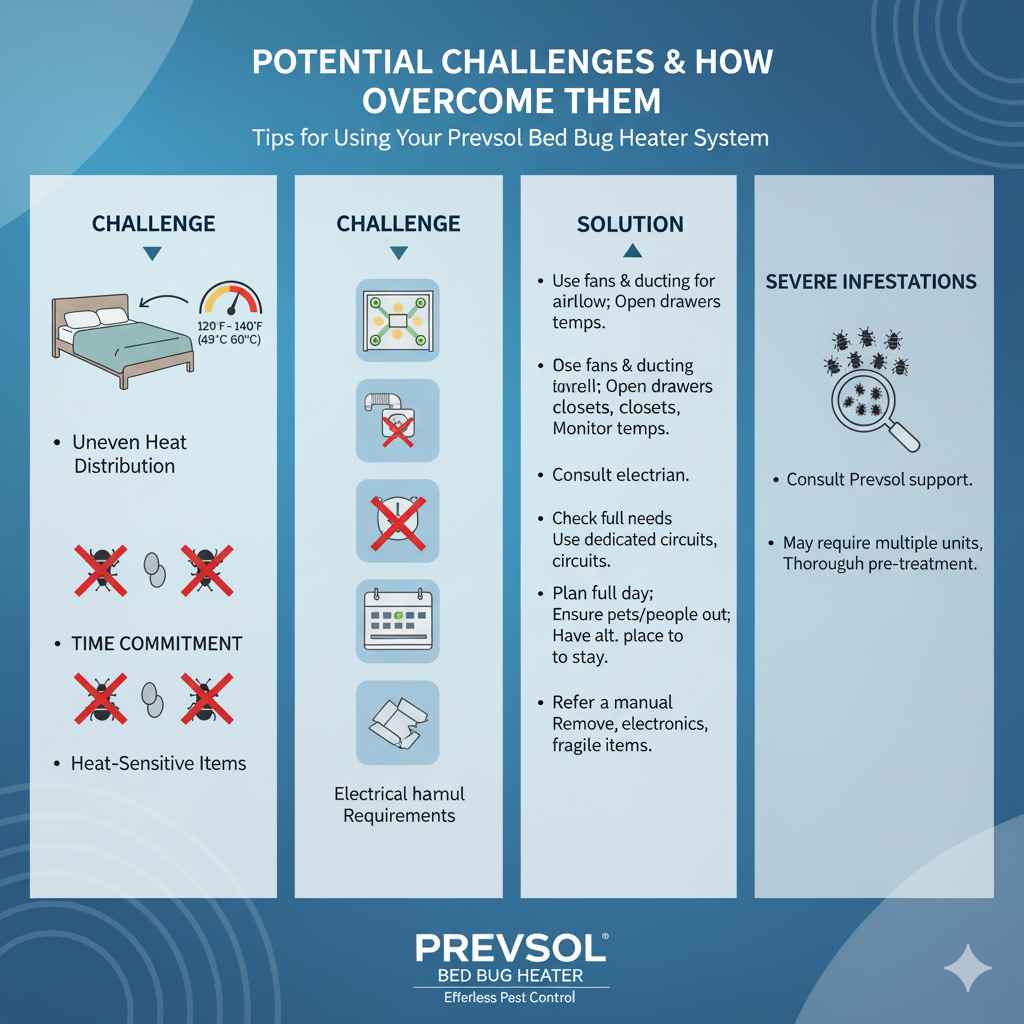
Challenge: Bed bugs can hide in cooler spots if the heat isn’t distributed evenly throughout the room. Areas behind walls, inside furniture, or in dense clutter can remain too cool.
Solution: Proper setup is key. Use the fans and ducting effectively to create airflow in all directions. Open items like drawers and closets. Pull furniture slightly away from walls. Monitor multiple temperature points, especially in known hiding spots, and adjust heater placement or fan speed as needed.
Electrical Requirements
Challenge: Prevsol heaters are powerful and require significant electricity, potentially overloading standard household circuits.
Solution: Always check the power requirements of your Prevsol unit. You may need to use dedicated circuits or heavy-duty extension cords. If your home’s electrical system is older or cannot support the high wattage, consult with a qualified electrician to ensure safe operation and prevent flickering lights or tripped breakers.
Time Commitment
Challenge: The treatment process, including setup, heating, and cool-down, can take several hours to a full day, depending on the size of the area and the infestation level.
Solution: Plan your treatment for a day when you can dedicate the necessary time. Ensure everyone and all pets are out of the treatment area for the duration and that you have a comfortable place to stay while the process is underway. Advance planning minimizes stress.
Heat-Sensitive Items
Challenge: Some items can be damaged by high temperatures, including certain plastics, electronics, and even some types of furniture finishes.
Solution: Always refer to your Prevsol manual for a detailed list of items to remove. It’s better to be cautious and remove anything that might be fragile. If in doubt, remove it.
Dealing with Severe Infestations
Challenge: Extremely dense or widespread infestations might require careful planning and potentially multipleheater units to ensure lethal temperatures are reached everywhere.
Solution: For severe cases, consult the Prevsol documentation or their support team. They may recommend specific configurations or suggest professional assistance for initial assessment. Thorough pre-treatment inspection is vital.
Frequently Asked Questions About Prevsol Bed Bug Heaters
Here are some common questions beginner users have about using the Prevsol Bed Bug Heater.
Q1: How long does a Prevsol bed bug treatment typically take?
A1: The actual heating phase usually takes several hours, often between 4 to 12 hours, depending on the size of the room, the amount of contents, and the starting temperature. This time is needed to ensure the entire space reaches lethal temperatures.
Q2: Do I need special electrical outlets for the Prevsol heater?
A2: Prevsol heaters are high-wattage appliances. They often require dedicated circuits to prevent overloading your home’s electrical system. Ensure you have access to appropriate outlets, or consult with an electrician if you’re unsure.
Q3: Can I stay in the house while the Prevsol heater is running?
A3: No, it is not safe to stay in the area being treated while the heaters are operating. The temperatures can exceed safe human body limits very quickly. You and any pets must vacate the premises until the treatment is complete and the area has cooled down sufficiently.
Q4: What items in my home should I remove before treatment?
A4: You should remove items that can be damaged by high heat, such as aerosols, flammable liquids, certain electronics, medications, food, and plants. Always check the Prevsol user manual for a comprehensive list of items to remove.
Q5: How do I know if the Prevsol treatment was successful?
A5: Success is measured by the absence of bed bug activity after treatment. Conduct thorough inspections of common hiding spots (mattresses, furniture, baseboards) for about two weeks post-treatment. Seeing no signs of live bugs or fecal spots indicates successful eradication.
Q6: Can the Prevsol heater damage my furniture or belongings?
A6: While heat is effective, it can damage heat-sensitive items. By removing these items and following the operating guidelines for temperature and duration, the risk of damage to most household items is minimized. Delicate plastics, some electronics, and certain finishes are most at risk.
Q7: What if I see bed bugs after the treatment?
A7: A small number of survivors are rare but possible if some areas didn’t reach lethal temperatures. It’s crucial to inspect thoroughly. If you find significant activity, you may need to repeat the treatment or consult a professional pest control service.
Maintaining a Bed Bug-Free Home After Treatment
Successfully treating your home with the Prevsol Bed Bug Heater is a significant achievement. To keep those unwanted guests from returning, a little ongoing vigilance goes a long way.
Regular Inspections: Even after a thorough heat treatment, it’s wise to perform occasional inspections. Pay attention to areas where bed bugs often reappear, like the seams of your mattress and box spring, behind headboards, and around clustered furniture. Early detection is your best defense.
Travel Smart: Bed bugs are notorious hitchhikers. When you return from trips, inspect your luggage before bringing it inside your home. Wash clothing from your trip immediately in hot water and dry on a high heat setting. Consider storing clean luggage away from your bedroom.
Be Cautious with Second-Hand Items: Inspect any used furniture, clothing, or other items very carefully before bringing them into your home. Infested second-hand items are a common way bed bugs re-enter dwellings.
Seal Entry Points: While not as common for bed bugs as for other pests, sealing cracks and crevices in walls and around baseboards can help limit their hiding places and travel routes.
Educate Household Members: Ensure everyone in your home understands the importance of vigilance and knows what signs to look for (live bugs, small blood spots, fecal spots, or shed skins).
By combining the power of your Prevsol Bed Bug Heater with these preventative measures, you can significantly reduce the risk of future infestations and enjoy peace of mind in your comfortable, pest-free home.
Conclusion
Taking control of a bed bug infestation can feel daunting, but with the right tools, it’s entirely manageable. The Prevsol Bed Bug Heater system offers a powerful, effective, and non-toxic solution that empowers homeowners to reclaim their living spaces. By understanding how it works, following the straightforward setup and operation steps, and staying vigilant, you can achieve lasting results.
We’ve covered how the heat treatment eradicates bed bugs at all life stages and guided you through setting up and running the Prevsol system. You’ve learned about its key benefits and how to navigate common challenges. Plus, with the FAQs and post-treatment tips, you’re well-equipped to maintain a pest-free environment.
Your comfort and peace of mind are paramount. The Prevsol Bed Bug Heater is designed to deliver just that. By investing a little time in understanding and using the system correctly, you’re investing in a healthier, more restful home. You’ve got this!