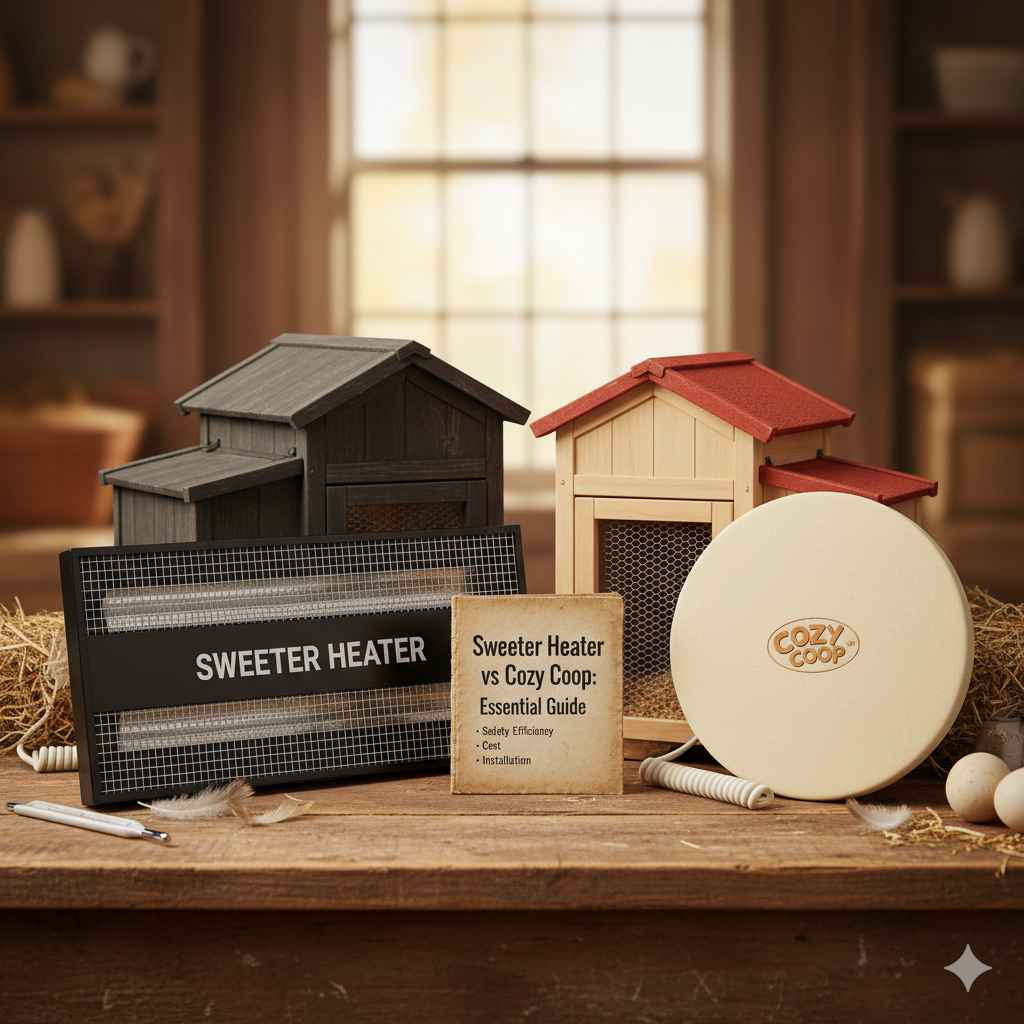
Sweeter Heater vs Cozy Coop: Essential Guide
Choosing between a Sweeter Heater and a Cozy Coop for your flock is easier than you think. We’ll break down their features, benefits, and what makes each a great choice for keeping your chickens toasty warm all winter. Get ready to make the best decision for your feathered friends’ comfort and your peace of mind!
Keeping your backyard chickens warm and safe during the colder months is super important. It can feel a bit overwhelming when you first start thinking about it, and choosing the right heater for their coop is a big part of that. Don’t worry, though! This guide is here to help you understand your options clearly. We’ll make it simple to pick the best heating solution so everyone stays cozy and chirp-happy. Let’s dive in and discover how to make your coop the warmest place on the block!
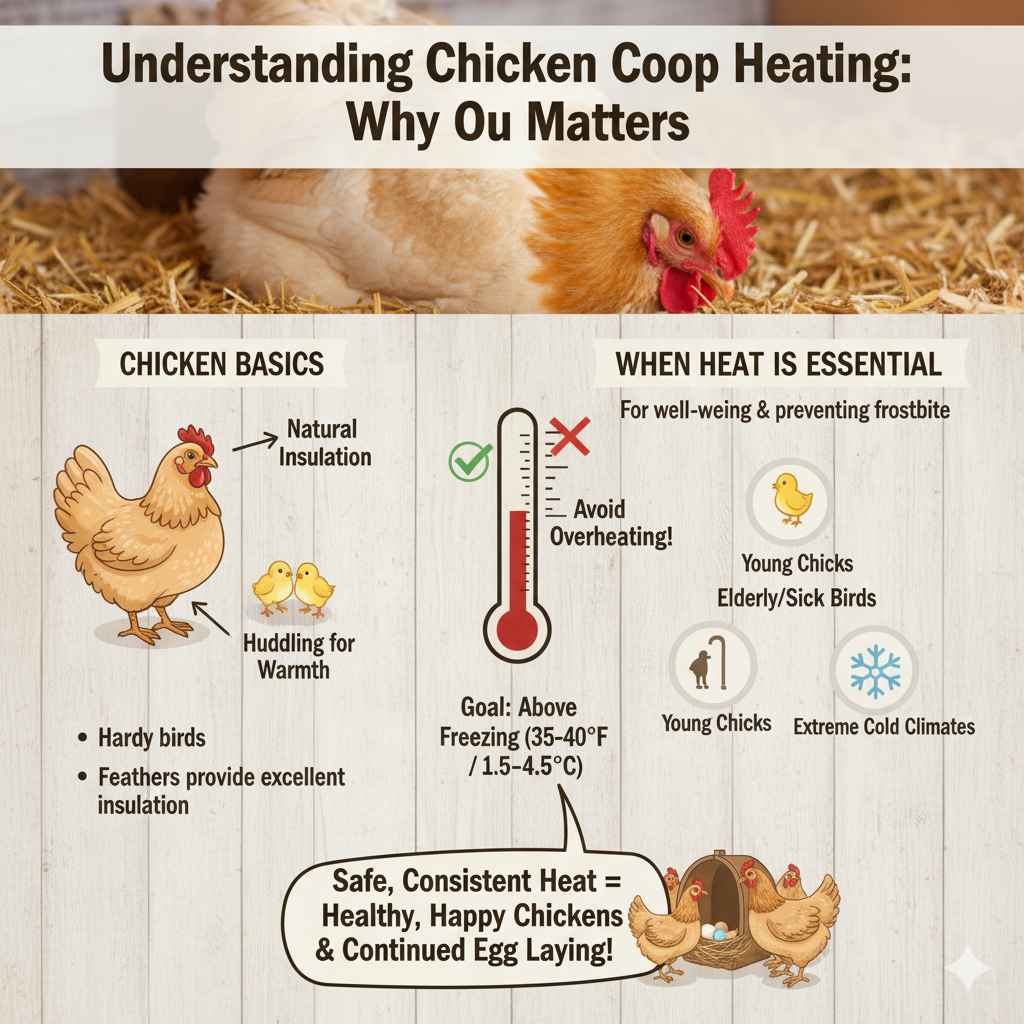
Understanding Chicken Coop Heating: Why It Matters
Chickens, thankfully, are quite hardy birds. Their feathers provide excellent insulation, and they can huddle together for warmth. However, in very cold climates, or for young chicks, the elderly, or sick birds, supplementary heat is essential for their well-being and to prevent frostbite or worse. Overheating can be just as dangerous as freezing, so finding the right balance is key. Providing a safe and consistent heat source ensures your flock stays healthy, happy, and continues to lay eggs, even when the temperature drops.
Introducing the Contenders: Sweeter Heater vs. Cozy Coop
When we talk about keeping chicken coops warm, two popular options often come up: the Sweeter Heater and the Cozy Coop. Both aim to provide a safe and efficient heat source for your feathered friends, but they do it in different ways. Understanding these differences will help you decide which is the best fit for your specific coop and climate.
The Sweeter Heater: A Closer Look
The Sweeter Heater is a unique, low-wattage radiant heater designed specifically for animal shelters, including chicken coops. It works by emitting gentle, radiant heat from a panel, much like the sun warms objects. This means it heats objects and living beings directly, rather than heating the air in the coop.
How it Works
The Sweeter Heater uses a safe, low-voltage system to heat a panel. This panel then radiates a gentle warmth. Because it heats objects, it creates a warm pocket for your chickens to gather in, rather than trying to warm the entire air volume of the coop. This is often more energy-efficient and safer as there’s no open flame or high-temperature surface to accidentally burn a chicken.
Key Features and Benefits
- Energy Efficiency: Low wattage means it’s generally more cost-effective to run compared to traditional space heaters.
- Safety: No open elements or flames reduce the risk of fire and burns. The surface tends to get warm, not dangerously hot.
- Gentle Heat: Provides consistent, gentle warmth that chickens can move in and out of as needed.
- Durability: Often built with robust materials to withstand coop conditions.
- Designed for Animals: Specifically engineered with animal safety in mind.
Potential Downsides
- Coverage Area: It heats a specific area or “pocket” of warmth. If your coop is very large or your chickens don’t naturally gather in the heated zone, it might not heat the entire coop effectively.
- Initial Cost: Can sometimes have a higher upfront purchase price than simpler heating solutions.
- Placement Sensitivity: Needs to be positioned correctly so chickens can access the warmth.
The Cozy Coop: An Alternative Approach
Cozy Coop is a brand that offers a range of chicken coop heating solutions, often focusing on radiant heat or heated pads designed to warm the coop from below or within. While “Cozy Coop” can sometimes refer to general coop heating strategies, as a product, it often implies specific warming devices. Common Cozy Coop products might include heated mats or panels.
How it Works
Cozy Coop products typically utilize radiant heat, similar to the Sweeter Heater, or they might provide a heated surface. Heated mats are placed on the coop floor (often under bedding) to create a warm area. Heated panels might mount to walls or ceilings. The goal is to create a comfortable temperature without resorting to air-blowing heaters.
Key Features and Benefits
- Even Warmth: Heated mats can distribute warmth across a larger floor area.
- Low Profile: Mats are unobtrusive and can be installed under bedding, making them less visible.
- Safe Surfaces: Designed to be touch-safe for chickens.
- Brand Specialization: Cozy Coop focuses on the needs of poultry owners, so their products are often tailored for coop environments.
Potential Downsides
- Durability Concerns: Depending on the model, they might be more susceptible to damage from scratching or dust if not adequately protected.
- Specific Installation: Mats require careful placement and often need to be secured to prevent shifting.
- Energy Consumption: While generally efficient, some models might consume slightly more power than a Sweeter Heater, depending on the wattage.
Sweeter Heater vs. Cozy Coop: A Feature Comparison
To make the decision even clearer, let’s lay out the key features side-by-side. This comparison can help you see which option aligns better with your needs.
| Feature | Sweeter Heater | Cozy Coop (Typical Products) |
|---|---|---|
| Heating Method | Radiant heat directed from a panel. Heats objects and animals. | Radiant heat (panels) or surface heating (mats). |
| Energy Efficiency | Generally very high (low wattage). | Good to very good, depending on model. |
| Safety Record | Excellent; no open elements, low surface temp. | Excellent; designed to be touch-safe. |
| Coverage Style | Creates a concentrated “warm pocket.” | Can provide broader floor warming (mats) or directed heat (panels). |
| Installation | Mounting bracket usually included; simple setup. | Mats placed under bedding; panels need mounting. |
| Durability | Typically very robust. | Good, but mats can be subject to wear under bedding. |
| Ideal For | Targeted warmth in a specific roosting area; energy-conscious owners; smaller to medium coops. | Even floor warmth; larger coops or areas; owners seeking integrated solutions. |
Choosing the Right Heater for Your Coop
Deciding between the Sweeter Heater and a Cozy Coop product isn’t just about the device itself; it’s about understanding your specific flock and coop environment. Here are some factors to consider:
1. Coop Size and Layout
Small to Medium Coops: A Sweeter Heater can be highly effective here, creating a perfect warm spot for your chickens to gather at night.
Larger Coops: If you have a very spacious coop, a broader heating solution like a Cozy Coop heated mat might distribute warmth more evenly across the floor. Alternatively, multiple Sweeter Heaters could be used.
Roosting Areas: Chickens typically roost together at night. A Sweeter Heater placed near or above their primary roost can ensure the entire flock benefits from the radiant heat.
2. Climate and Temperature Extremes
Mild Winters: For areas with only light frosts, a low-wattage option like the Sweeter Heater is usually sufficient.
Harsh Winters: In regions experiencing prolonged periods of very cold temperatures, you might need to ensure your chosen heater is rated for those conditions or consider a combination of solutions or a slightly higher wattage device. Always check the product’s specifications for its effective temperature range.
3. Your Flock’s Needs
Chicks: Young chicks need a more consistently warm environment. A Sweeter Heater can provide a safe, adjustable heat zone, and is often preferred over heat lamps which can be a fire hazard.
Elderly or Sick Birds: While not a replacement for veterinary care, a warm spot can help birds that are struggling with the cold.
Egg Production: Maintaining a comfortable temperature can help prevent a drop in egg-laying during winter.
4. Safety First!
Both the Sweeter Heater and most Cozy Coop products are designed with safety as a top priority, a significant advantage over old-fashioned heat lamps.
No Open Flames: This dramatically reduces fire risk.
Low Surface Temperature: They are engineered so chickens won’t get burned if they touch them.
Proper Installation: Always follow the manufacturer’s instructions for mounting and wiring to ensure safe operation.
Check for Damage: Regularly inspect the heater and cord for any signs of wear or damage.
5. Energy Consumption and Operating Costs
The Sweeter Heater is renowned for its low wattage and energy efficiency. If electricity costs are a major concern, this is a significant advantage. Cozy Coop products are also designed to be efficient, but it’s always wise to compare the wattage of specific models you’re considering. For example, a typical Sweeter Heater might draw only 100-250 watts, which is comparable to a light bulb, making it very economical to run all night.
What to Look For in a Quality Coop Heater
UL Certification: Ensures the product has met rigorous safety standards. You can often find this information listed on the product or its packaging.
Durable Construction: Look for materials that can withstand coop conditions (dust, moisture, chicken activity).
Easy to Clean: A heated panel that can be wiped down is a huge plus.
Adjustable Thermostat (Optional but Recommended): While many heaters are low-wattage and designed to simply provide background warmth, some advanced models or systems might offer thermostat control for more precise temperature management. This is especially useful in areas with fluctuating winter temperatures.
Proper Mounting Hardware: The heater should come with secure mounting options to keep it stable and safely positioned.
Installation Guide: Tips for Both Sweeter Heaters and Cozy Coops
Proper installation is crucial for both the effectiveness and safety of your chosen heater. Always refer to the manufacturer’s specific instructions, but here are some general guidelines.
For Sweeter Heaters
1. Choose the Location: Identify the primary roosting area for your chickens. The heater should be positioned to create a warm zone there. Common placements are on the wall above the roost or on the ceiling, angled to direct heat downwards towards the roosting bar. Ensure it is out of direct reach of the birds – typically at least 2-3 feet above them.
2. Mount Securely: Use the provided mounting bracket and hardware. Ensure it’s screwed into sturdy framing of the coop wall or ceiling. A wobbly heater is a safety hazard.
3. Secure the Cord: Route the power cord safely. Use cord protectors or staple it securely along walls and joists, ensuring no part of it is accessible to be pecked at or chewed by chickens. Keep it away from water sources.
4. Test It: Plug it in and let it run for a while. Feel the radiated warmth and check that the panel surface isn’t excessively hot to the touch (it should be warm, not burning hot).
For Cozy Coop Heated Mats/Panels
1. For Heated Mats:
Placement: Determine the area where your chickens spend the most time on the floor or in their bedding.
Under Bedding: Most mats are designed to be placed directly on the coop floor and then covered with a few inches of bedding (like pine shavings or straw). This allows the heat to warm the bedding from below.
Secure Edges: Ensure the mat is lying flat and the edges are not curled up. Some may come with clips or instructions for securing them.
Cord Management: Similar to the Sweeter Heater, ensure the power cord is safely routed and protected.
2. For Heated Panels:
Mounting: These typically mount to a wall or ceiling like a Sweeter Heater. Follow the same secure mounting and cord management principles.
Coverage: Ensure the panel is positioned to provide warmth to a comfortable area for your birds.
General Installation Safety Tips
Electrical Connection: Use a GFCI (Ground Fault Circuit Interrupter) protected outlet if possible. This is an important safety feature that can help prevent electrical shock. You can learn more about GFCI outlets from the U.S. Consumer Product Safety Commission at CPSC.gov.
Avoid Overheating: Never use heaters that can overheat the coop. The goal is to keep it above freezing, not to create a tropical environment. Overheating can be dangerous for chickens and is also a fire risk.
Ventilation: While you want to keep the coop warm, it’s still vital to have some ventilation. This helps prevent moisture buildup and stale air, which can lead to respiratory issues. Don’t seal the coop completely!
Backup Plan: Consider a backup plan for extreme cold snaps, such as extra bedding or temporarily moving birds to a more sheltered area if your primary heating fails.
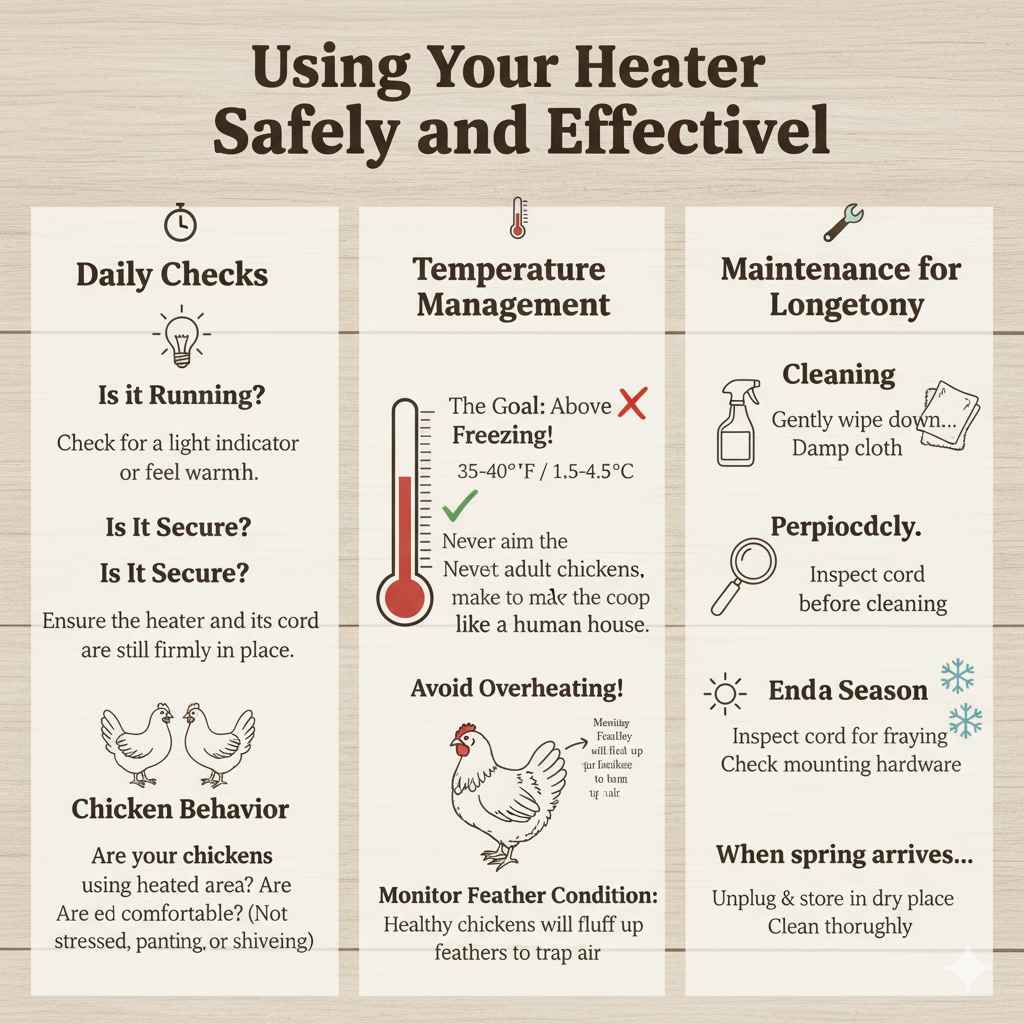
Using Your Heater Safely and Effectively
Once your heater is installed, knowing how to use it properly will maximize its benefits and ensure your chickens remain safe and comfortable.
Daily Checks
Make it a habit to do a quick check each day, especially when the weather is cold:
Is it Running? Check for a light indicator or feel for warmth.
Is It Secure? Ensure the heater and its cord are still firmly in place.
Chicken Behavior: Are your chickens using the heated area? Are they comfortable? They should not appear stressed, panting (too hot), or shivering (too cold).
Temperature Management
The Goal: Above Freezing! For most adult chickens, the ideal temperature range is just above freezing (around 35-40°F or 1.5-4.5°C). They can tolerate colder temperatures if they are healthy and have proper shelter.
Avoid Overheating: Never aim to make the coop feel like a human house. Chickens are adapted to cold, and a significantly overheated coop can be more dangerous than cold air when they have to go outside. It can shock their systems.
Monitor Feather Condition: Healthy chickens will fluff up their feathers to trap air. This is normal and helps them stay warm.
Maintenance for Longevity
Cleaning: Gently wipe down the heating panel or mat with a damp cloth as needed. Avoid harsh chemicals. Ensure the unit is unplugged before cleaning.
Inspection: Periodically (e.g., monthly during use), inspect the cord for any fraying or damage. Check mounting hardware to ensure it remains tight.
End of Season:** When spring arrives and the temps rise, unplug and store your heater in a dry place. Clean it thoroughly before storage.
Frequently Asked Questions (FAQ)
Q1: Do chickens really need a heater in the winter?
Adult chickens are surprisingly resilient and can tolerate cold temperatures, often staying warm through their feathers and by huddling together. However, heaters are recommended for very young chicks, elderly or sick birds, and in climates with extreme, prolonged cold to prevent frostbite and ensure well-being. It’s more about preventing health issues than keeping them “cozy” like we might be!
Q2: Are heat lamps safe for chicken coops?
Traditional heat lamps, especially those with ceramic bulbs, are a significant fire hazard in a coop due to their high surface temperature and the risk of flammable bedding igniting. While they provide heat, they are generally not recommended. Options like the Sweeter Heater or Cozy Coop products offer much safer alternatives for supplemental heat.
Q3: How much electricity does a chicken coop heater use?
This varies by model. The Sweeter Heater is known for its very low wattage (often between 100-250 watts), similar to a light bulb, making it quite economical to run. Heated mats or panels from Cozy Coop or other brands will have their wattage listed, which you can use to estimate electricity costs. Always check the product specifications.
Q4: How close should a Sweeter Heater be to my chickens?
The general recommendation is to mount it out of direct reach, at least 2-3 feet above their roosting bars. The radiant heat will warm them without them needing to touch the panel, which should only be warm, not hot. This distance also reduces the risk of feathers accidentally brushing against it.
Q5: Can I use a regular space heater in my coop?
It is strongly advised against using typical indoor space heaters in a chicken coop. They are not designed for the dusty, potentially moist environment of a coop and often pose a significant fire risk due to exposed heating elements or fans that can spread dust. Specialized, animal-safe heaters are the way to go.