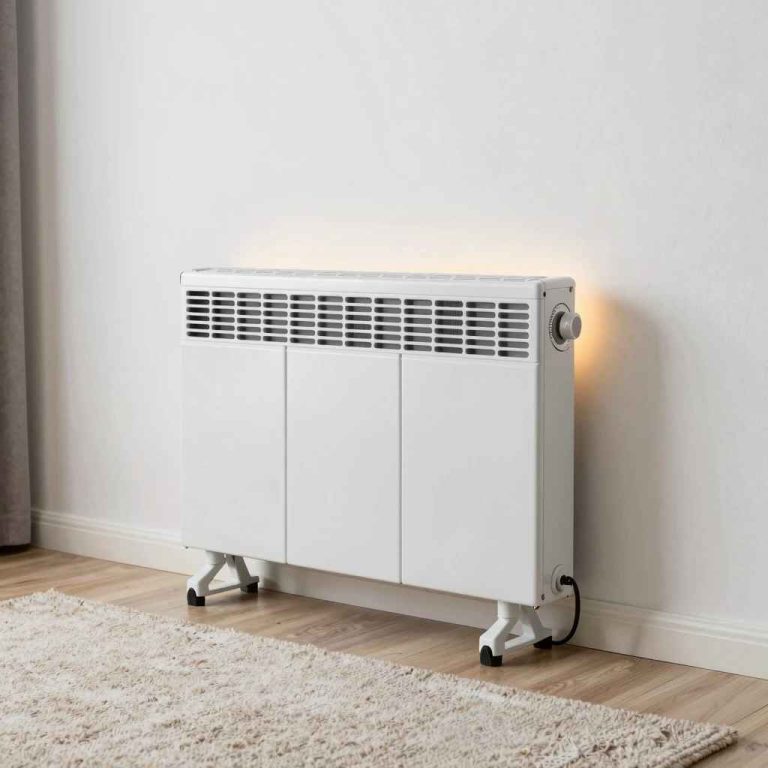
How to Figure BTU for Your Shop Heater
Figuring out the right heating power, measured in BTU, for your shop can be a bit tricky. Many people wonder How to Figure BTU for Your Shop Heater because they don’t want to buy one that’s too small and won’t warm things up, or too big and wastes energy. It might seem complicated at first glance, but it’s actually a pretty simple process.
We’ll walk you through it step-by-step so you can find the perfect heater for your workspace.
Understanding BTU and Shop Heating Needs
BTU stands for British Thermal Unit. It’s a standard way to measure heat energy. One BTU is the amount of energy needed to raise the temperature of one pound of water by one degree Fahrenheit.
When we talk about heaters, BTU tells us how much heat that heater can put out. Choosing the right BTU for your shop is super important for comfort and saving money. A heater with too few BTUs won’t be able to warm the space effectively, leaving you cold and unproductive.
On the other hand, a heater with too many BTUs will cycle on and off too frequently, wasting energy and potentially making the space uncomfortably hot.
What is a British Thermal Unit BTU
A British Thermal Unit, or BTU, is a unit of energy. It’s like the building block for measuring how much heat something can produce or how much heat is needed to change the temperature of something else. Think of it like gallons for liquids or pounds for weight; BTU is the standard measure for heat.
For heating systems, the BTU rating tells you the heater’s power. The higher the BTU number, the more heat it can generate. This is a key piece of information when you’re looking for a heater because it directly relates to the heater’s ability to warm a specific area.
For example, a small portable propane heater might put out 10,000 BTUs, which is enough for a small enclosed area like a tent or a very small workshop. A larger, more powerful heater designed for a two-car garage might output 50,000 BTUs or more. Understanding this unit helps you compare different heaters and make an informed choice based on your shop’s size and heating requirements.
Why Shop Heating is Different
Shops are often different from homes when it comes to heating. Many shops are not as well-insulated as houses. They might have concrete floors, large doors that are opened frequently, and higher ceilings.
These factors mean that shops lose heat much faster than a well-insulated home. Because of this, you typically need a heater with a higher BTU output for a shop of the same size compared to a living space. The air volume in a shop is also usually much greater, and the materials used in construction, like metal or uninsulated wood, don’t hold heat as well as drywall and insulation.
Also, the purpose of heating a shop can be different. You might need to keep it warm enough for tools to function properly, prevent materials from freezing, or simply maintain a comfortable working temperature. Sometimes, you might only need to heat a specific zone within a larger shop, which can influence your BTU calculation.
Recognizing these unique characteristics is the first step in figuring out the correct BTU rating for your shop heater.
Key Factors for Calculating Shop Heater BTU
When you’re trying to figure out how to calculate the BTU needed for your shop heater, a few things really matter. The size of your shop is the biggest one, of course. Bigger spaces need more heat.
But just knowing the square footage isn’t enough. You also need to think about how well your shop is insulated. A drafty old building will lose heat much faster than a newer, well-sealed one.
The climate you live in also plays a big role. If you get really cold winters, you’ll need a stronger heater than someone in a milder climate.
Don’t forget about ceiling height either. A shop with 15-foot ceilings has a lot more air to heat than one with 8-foot ceilings, even if the floor space is the same. The type of doors and windows, and how often they’re opened, also affect heat loss.
We’ll break down each of these elements so you can get a precise number for your shop.
Shop Size Square Footage
The most fundamental factor in calculating your shop’s heating needs is its size in square footage. To find this, you’ll need to measure the length and width of your shop. Then, multiply these two numbers together.
For example, if your shop is 20 feet long and 30 feet wide, its square footage is 20 x 30 = 600 square feet. This measurement gives you a baseline for how much space the heater needs to warm.
A general rule of thumb used for home heating, which can be a starting point for shops, is around 20 BTUs per square foot. So, for a 600-square-foot shop, you might initially think you need 600 x 20 = 12,000 BTUs. However, this is a very basic calculation and doesn’t account for the unique challenges of heating a workshop.
It’s crucial to remember this is just the first step and other factors will significantly adjust this number upwards.
Let’s consider another example. If your garage is 24 feet by 24 feet, that’s 576 square feet. Using the 20 BTUs per square foot rule, you’d get 576 x 20 = 11,520 BTUs.
This seems like a moderate amount. But as we’ll see, insulation and climate can drastically change this requirement.
Insulation Levels
Insulation is one of the most critical elements that influences how much heat your shop retains. A poorly insulated shop is like a sieve for heat, allowing it to escape quickly into the outside environment. This means your heater has to work overtime just to keep up with the constant loss.
If your shop has no insulation in the walls or ceiling, you’ll need a significantly higher BTU output compared to a shop with some or good insulation.
To gauge insulation levels, consider the construction of your shop. Metal buildings often have very little to no insulation. Older wooden sheds or garages might have some fiberglass batts, but these can degrade over time.
Concrete block buildings can also have poor thermal performance if not properly insulated. For a basic estimate, you can assign a multiplier based on insulation quality. No insulation might mean a multiplier of 1.5 or more, while average insulation might be 1.2, and good insulation closer to 1.0 or even less.
Here’s a simple breakdown:
- No Insulation: Expect to add 50% or more to your base BTU calculation.
- Average Insulation (some fiberglass, but gaps or older): Add about 20-30% to your base BTU calculation.
- Good Insulation (well-sealed, modern materials): Add only 10-15% to your base BTU calculation.
This adjustment is vital because it directly impacts how much heat your heater needs to generate to overcome heat loss. A well-insulated shop will require a smaller, more efficient heater, saving you money on both purchase and operating costs.
Climate Zone and Outdoor Temperature
The climate where you live plays a huge part in how much heating power you’ll need. If you’re in a region that experiences very cold winters with sub-zero temperatures, your shop heater will have to work much harder to maintain a comfortable indoor temperature. In contrast, if you live in a milder climate, you can get away with a less powerful heater.
A common way to account for climate is to look at the average low temperature during the coldest month. For instance, if your average winter low is -10°F (-23°C), you’ll need significantly more BTUs than if your average low is 20°F (-7°C). This is because the temperature difference between the inside of your shop and the outside is much greater in colder climates, leading to more rapid heat loss.
Consider these general adjustments:
- Very Cold Climates (Average winter lows below 0°F / -18°C): You may need to increase your BTU requirement by 20-30% or more.
- Cold Climates (Average winter lows between 0°F and 20°F / -18°C to -7°C): Increase your BTU requirement by 10-20%.
- Mild Climates (Average winter lows above 20°F / -7°C): You may not need to add a significant percentage, or even none at all, unless other factors are extreme.
Knowing your local climate helps tailor the heater’s output to your specific environmental challenges, ensuring your shop stays warm when you need it most.
Ceiling Height and Air Volume
When calculating heating needs, we often think in terms of square footage, but the volume of air in a space is what actually needs to be heated. Shops, especially garages or workshops, often have much higher ceilings than standard residential rooms. A higher ceiling means a much larger volume of air that the heater must warm.
This is a critical factor often overlooked in simple calculations.
For every foot of ceiling height above the standard 8 feet, you’ll need to increase your BTU requirement. A good rule of thumb is to add an additional 10% to your BTU calculation for every 2 feet of ceiling height beyond 8 feet. So, if your shop has 10-foot ceilings, you’re dealing with 25% more air volume than an 8-foot ceiling for the same floor area.
If you have 12-foot ceilings, that’s a 50% increase. This adds up quickly, especially in larger shops.
For example, if your shop is 600 square feet and has 8-foot ceilings, and you’ve calculated a base need of 12,000 BTUs. If the ceiling is raised to 12 feet, that’s 4 feet above the 8-foot baseline. This would mean adding 20% (for 4 feet) to your BTU requirement, bringing it up to 14,400 BTUs.
This multiplier ensures you account for the significant amount of additional air that needs heating.
Other Considerations Drafts and Usage
Beyond the basic measurements, several other factors can influence your shop’s heating needs. Drafts are a major culprit in heat loss. If your shop has leaky windows, poorly sealed doors, or gaps in the walls, heat will escape quickly, making your heater work harder.
You might notice cold spots or feel air moving even when doors and windows are closed.
The intended use of your shop also matters. Are you just trying to keep the frost off, or do you need a consistent temperature for detailed work? If you’re frequently opening the large garage door to bring in equipment or vehicles, you’ll experience significant heat loss each time.
In such cases, you might need a heater with a higher BTU output or one that can heat up the space very quickly after the door is closed.
Here are some points to consider:
- Frequent Door Openings: If you open a large door multiple times a day, add an extra 10-20% to your BTU calculation.
- Workshop Use: For precise work needing consistent temperature, aim for the higher end of your calculated BTU range.
- Unfinished Spaces: Unfinished concrete or dirt floors can also contribute to heat loss from below.
- Air Exchange Rate: Buildings with poor air sealing can have high air exchange rates, meaning indoor air is replaced by outdoor air rapidly.
These elements, while sometimes harder to quantify precisely, are important for fine-tuning your BTU needs and ensuring your shop is comfortable and efficient to heat.
Putting It All Together How to Calculate Your BTU
Now that we’ve looked at all the factors, let’s put them together to figure out how to calculate the BTU for your shop heater. We’ll use a step-by-step approach. First, we start with the basic square footage.
Then, we’ll apply multipliers for insulation, climate, ceiling height, and any other unique situations. This will give you a much more accurate estimate than just a simple guess. It’s important to do this before you shop for a heater.
Remember, it’s generally better to have a heater that’s slightly larger than too small. A slightly oversized heater can often be run on a lower setting, providing more consistent heat without constant on-off cycles. However, a massively oversized heater can be inefficient and may cycle too quickly, not effectively dehumidifying or distributing heat.
Step-by-Step BTU Calculation Method
Here’s a straightforward method to calculate the BTU requirement for your shop heater:
- Calculate your shop’s square footage. Measure the length and width of your shop and multiply them together. (e.g., 20 ft x 30 ft = 600 sq ft).
- Determine your base BTU need. A common starting point for workshops is 40-50 BTUs per square foot because they are often less insulated and have higher ceilings than homes. Let’s use 50 BTUs per sq ft for a more robust estimate. (e.g., 600 sq ft x 50 BTUs/sq ft = 30,000 BTUs).
- Adjust for Insulation. If your shop has poor insulation, multiply the base BTU by 1.5. For average insulation, use 1.2. For good insulation, use 1.1. (e.g., 30,000 BTUs x 1.2 (average insulation) = 36,000 BTUs).
- Adjust for Climate. For very cold climates, multiply by 1.3. For cold climates, by 1.2. For mild climates, by 1.0 or 1.1 if there are still chilly periods. (e.g., 36,000 BTUs x 1.25 (cold climate adjustment) = 45,000 BTUs).
- Adjust for Ceiling Height. For every 2 feet of ceiling height above 8 feet, add 10% of the current BTU total. If your ceilings are 12 feet, that’s 4 feet above 8, so add 20%. (e.g., 45,000 BTUs x 1.20 (12 ft ceiling) = 54,000 BTUs).
- Factor in Other Considerations. Add an extra 10-15% if you frequently open large doors or if the shop is particularly drafty. (e.g., 54,000 BTUs x 1.15 (drafty and frequent door use) = 62,100 BTUs).
This final number, around 62,100 BTUs in our example, is your target BTU output. You should look for a heater rated at or slightly above this number.
Example Calculation One A Single Car Garage
Let’s walk through a practical example for a single-car garage. Imagine a garage that measures 12 feet wide by 20 feet long. This gives us 240 square feet.
The garage has uninsulated metal walls and no ceiling insulation. The climate is moderately cold, with average winter lows around 15°F (-9°C). The ceiling height is 9 feet.
The owner uses the garage frequently, often opening the door for 5-10 minutes at a time.
Here’s how we’d calculate the BTUs:
- Square Footage: 12 ft x 20 ft = 240 sq ft.
- Base BTU (using 50 BTU/sq ft): 240 sq ft x 50 BTU/sq ft = 12,000 BTUs.
- Insulation Adjustment (No insulation): 12,000 BTUs x 1.5 (for no insulation) = 18,000 BTUs.
- Climate Adjustment (Moderately cold): 18,000 BTUs x 1.1 (for moderately cold) = 19,800 BTUs.
- Ceiling Height Adjustment (9 ft ceiling is 1 ft above 8 ft): We’ll add approximately 5% for this single foot. 19,800 BTUs x 1.05 = 20,790 BTUs.
- Other Considerations (Frequent door use): 20,790 BTUs x 1.15 (for frequent door use) = 23,908 BTUs.
So, for this single-car garage, the recommended BTU output would be around 24,000 BTUs. The owner should look for a heater in the 25,000-30,000 BTU range to ensure sufficient warmth.
Example Calculation Two A Large Workshop
Now, let’s consider a larger workshop, say 30 feet long by 40 feet wide. This gives us 1,200 square feet of floor space.
This workshop has basic insulation in the walls and ceiling, but it’s not high-performance. The climate is cold, with average winter lows around 5°F (-15°C). The ceiling height is 12 feet.
The workshop is used for woodworking, so consistent temperatures are important, and the large bay door is opened a few times a day.
Let’s calculate the required BTUs:
- Square Footage: 30 ft x 40 ft = 1,200 sq ft.
- Base BTU (using 50 BTU/sq ft): 1,200 sq ft x 50 BTU/sq ft = 60,000 BTUs.
- Insulation Adjustment (Basic insulation): 60,000 BTUs x 1.2 (for basic insulation) = 72,000 BTUs.
- Climate Adjustment (Cold climate): 72,000 BTUs x 1.2 (for cold climate) = 86,400 BTUs.
- Ceiling Height Adjustment (12 ft ceiling is 4 ft above 8 ft): Add 20%. 86,400 BTUs x 1.20 = 103,680 BTUs.
- Other Considerations (Consistent temp needed, few door openings): Add 10% for consistent temp needs. 103,680 BTUs x 1.10 = 114,048 BTUs.
For this large workshop, the calculated BTU requirement is approximately 114,000 BTUs. It would be wise to look for a heater in the 120,000-130,000 BTU range to comfortably manage the heating demands.
Types of Shop Heaters and Their BTU Output
Once you know your target BTU, you can start looking at different types of heaters. The type of heater you choose will depend on your power source (propane, natural gas, electric) and the specific features you need. Some heaters are portable, while others are designed for more permanent installation.
Knowing the BTU output for each type will help you match it to your calculated needs. It’s important to understand that not all heaters are created equal, and some types are more efficient than others.
When you’re looking at heaters, you’ll see the BTU rating clearly marked. For example, a small portable propane heater might be rated at 30,000 BTUs, while a larger forced-air unit might be 100,000 BTUs or more. Electric heaters typically have lower BTU outputs per unit of power consumption compared to gas heaters, but they can be very convenient for smaller spaces or supplemental heat.
We will explore some common types.
Propane and Natural Gas Heaters
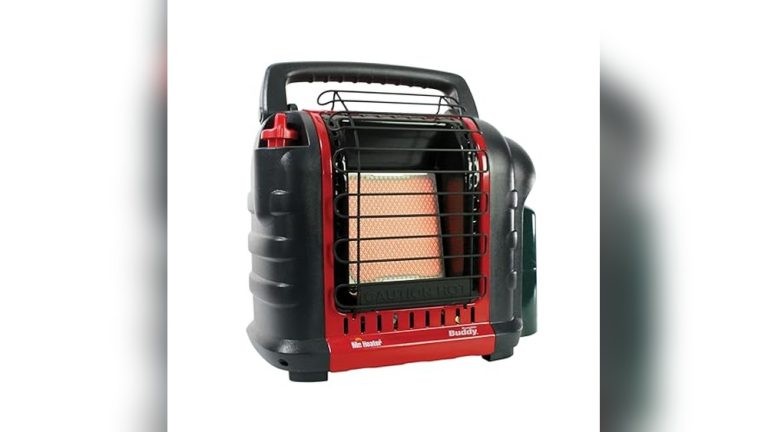
Propane and natural gas heaters are very popular for workshops and garages because they can provide high heat output and are relatively cost-effective to run, especially natural gas. These heaters convert fuel into heat, and their BTU rating indicates the maximum heat output they can achieve. They come in various forms, including radiant heaters, convection heaters, and forced-air heaters.
Radiant heaters, like infrared propane heaters, directly heat objects and people in their path, making them efficient for spot heating or in drafty areas where heating the entire air volume is difficult. Forced-air heaters, on the other hand, use a fan to blow heated air into the space, which is effective for quickly raising the overall temperature of larger areas. The BTU output of these heaters can range widely, from 10,000 BTUs for small portable units to over 200,000 BTUs for large industrial models.
One significant advantage of gas heaters is their ability to produce a lot of heat from a compact unit. However, they require proper ventilation to prevent the buildup of carbon monoxide and other combustion byproducts. This is a critical safety consideration for any workshop heating setup.
Electric Heaters for Shops
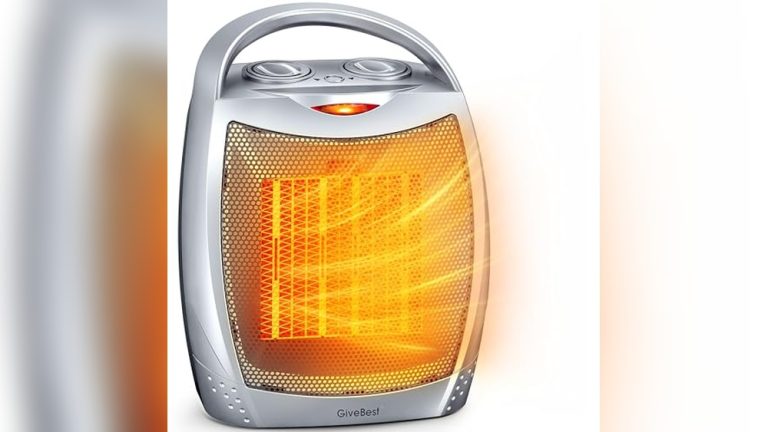
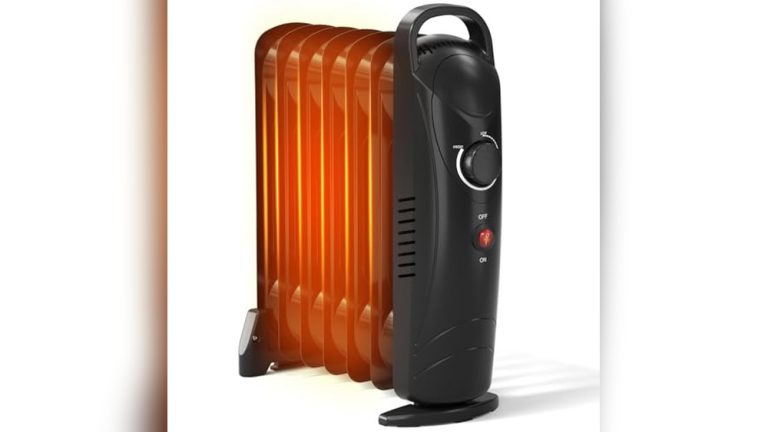
Electric heaters are a convenient option, especially for smaller workshops or if you don’t have access to gas lines. They are generally safer than gas heaters as they don’t produce combustion byproducts, and they don’t require external fuel tanks. However, electric heaters can be more expensive to run than gas heaters, particularly in colder climates where they need to operate for longer periods.
The BTU output of electric heaters is directly related to their wattage. Generally, 1 watt of electricity produces about 3.41 BTUs of heat per hour. So, a 1500-watt electric heater, a common size for portable units, would produce approximately 5,115 BTUs (1500 x 3.41).
This means electric heaters are typically best suited for smaller shops or for supplemental heating rather than for large, poorly insulated spaces.
For example, to achieve the 60,000 BTUs we calculated for a larger workshop in a previous example, you would need an electric heater with a wattage of around 17,500 watts (60,000 BTUs / 3.41 BTUs/watt). This is a very high wattage and would likely require a dedicated high-voltage circuit, making it impractical for most typical shop setups. Therefore, electric heaters are often best for maintaining a specific area or for intermittent use in larger spaces.
Infrared and Radiant Heaters
Infrared and radiant heaters work by emitting heat waves that directly warm objects and people, rather than heating the air. This makes them very effective in situations where traditional convection heaters might struggle. For instance, in a large, open workshop with a high ceiling, a radiant heater can provide comfortable warmth to workers in its direct line of sight without wasting energy heating the entire volume of air up to the ceiling.
These heaters are often powered by propane, natural gas, or electricity. Their BTU output can vary, but they are often appreciated for their efficiency in targeted heating. For example, a 30,000 BTU propane radiant heater might feel much warmer to someone standing in front of it than a 30,000 BTU forced-air heater that warms the whole room more slowly.
The key advantage here is that the heat is not easily lost to drafts or high ceilings because it’s directed at what you want to warm. This can be a significant benefit for efficiency in certain shop environments. However, they do not heat the air itself, so if your goal is to warm the entire room uniformly, a different type of heater might be more suitable.
They are excellent for workstations or specific zones within a larger space.
Forced-Air Heaters
Forced-air heaters are very common for heating larger spaces like garages and workshops. They work by drawing in air, heating it, and then blowing it back into the space using a fan. This method is effective for raising the ambient temperature of an entire room relatively quickly.
They are often powered by propane, kerosene, or electricity.
Portable forced-air heaters, often called “torpedo” heaters when powered by kerosene or propane, can provide a substantial amount of BTUs. These are great for temporary heating needs or for very large spaces. Larger, stationary forced-air units are also available, often plumbed into a natural gas line, which are more permanent solutions.
The BTU output of forced-air heaters can range from around 30,000 BTUs for smaller portable units up to several hundred thousand BTUs for industrial-grade models. They are a good choice when you need to heat the entire volume of your shop evenly and quickly.
It’s important to ensure that any forced-air heater used in a workshop has adequate ventilation. Propane and kerosene models produce exhaust fumes that must be safely vented outside. Electric forced-air heaters don’t have this issue but still consume significant electricity.
Tips for Efficient Shop Heating
Once you’ve figured out the right BTU and chosen a heater, there are several things you can do to make sure your shop stays warm without wasting energy. Good insulation and sealing up drafts are the first and most important steps. Think of it as keeping the heat you pay for inside your workshop.
Even small improvements can make a big difference in comfort and your energy bills.
Regular maintenance of your heating system is also key. A clean filter or a properly adjusted burner can ensure your heater is running at its peak efficiency. Simple strategies can maximize the effectiveness of your chosen heater and keep your workspace comfortable all winter long.
Sealing Drafts and Improving Insulation
The single most effective way to improve shop heating efficiency is to address drafts and improve insulation. Drafts are openings where warm air can escape and cold air can enter. Common culprits include gaps around doors and windows, cracks in the walls, and openings where pipes or electrical conduits enter the building.
Use caulk or weatherstripping to seal these areas. Pay special attention to the large garage door, as it’s often the biggest source of heat loss.
Adding insulation to your shop’s walls, ceiling, and even floor can dramatically reduce the amount of heat needed. Even a modest amount of insulation can make a significant difference. For metal buildings, spray foam insulation can be an excellent option as it seals and insulates simultaneously.
For wood-framed structures, fiberglass batts or rigid foam boards are effective. Remember that better insulation means you can potentially use a smaller, less expensive heater and reduce your energy costs.
Proper Ventilation for Safety
When using any fuel-burning heater, proper ventilation is non-negotiable for safety. Propane, natural gas, and kerosene heaters produce carbon monoxide, an odorless and colorless gas that can be deadly. Ensure your heater is rated for indoor use if applicable and follow the manufacturer’s recommendations for ventilation.
This might involve opening a window slightly, using a dedicated vent, or ensuring sufficient air exchange within the space.
A carbon monoxide detector should be installed in any shop where fuel-burning heaters are used. Regular inspection of exhaust vents and connections is also crucial to ensure they are not blocked or damaged. Safety first is paramount when dealing with heating systems that involve combustion.
Even electric heaters should be used according to instructions and kept clear of flammable materials.
Thermostat Use and Zoning
Using a thermostat with your shop heater can significantly improve efficiency and comfort. Instead of running the heater constantly, a thermostat allows you to set a desired temperature and have the heater cycle on and off as needed. This prevents overheating and saves energy.
For larger shops, consider zoning your heating. This means using multiple smaller heaters or a system that can direct heat to specific areas where you spend most of your time, rather than trying to heat the entire space uniformly.
For example, if you primarily work at a workbench, you might use a smaller radiant heater focused on that area, even if the rest of the shop is slightly cooler. This targeted approach can be much more energy-efficient than trying to heat a vast, open space to a high temperature. Smart thermostats or programmable thermostats can offer even greater control and savings by allowing you to set different temperatures for different times of the day or week.
| Factor | Impact on BTU Needs | Explanation |
|---|---|---|
| Shop Size | High | Larger square footage requires more heat. |
| Insulation | High | Poor insulation leads to significant heat loss, increasing BTU needs. |
| Climate | High | Colder climates require much higher BTU output. |
| Ceiling Height | Medium | Higher ceilings mean more air volume to heat, increasing BTU needs. |
| Drafts/Door Openings | Medium | Frequent openings and drafts accelerate heat loss. |
Frequently Asked Questions
Question: How do I know if my shop is too cold for a heater?
Answer: If the temperature inside your shop consistently stays below a comfortable working level, or if tools are experiencing issues due to cold (like paint not drying properly or batteries draining quickly), it’s too cold. This indicates your current heating setup, or lack thereof, is insufficient for your needs.
Question: Can I use a home furnace in my shop?
Answer: Typically, home furnaces are designed for well-insulated, enclosed residential spaces and may not be powerful enough or suitable for the environment of a shop. Specialized shop heaters are generally a better choice.
Question: What is the difference between BTU and wattage?
Answer: BTU (British Thermal Unit) is a measure of heat energy, often used for gas or oil heaters. Wattage is a measure of electrical power, and it’s used to estimate the heat output of electric heaters. Approximately 3.41 BTUs are produced per watt of electrical power.
Question: Do I need a permit for a shop heater?
Answer: Permitting requirements vary by local building codes and the type of heater you install. It’s always best to check with your local building department before purchasing or installing a new heating system.
Question: How often should I service my shop heater?
Answer: It’s recommended to have your shop heater serviced annually by a qualified technician, especially before the heating season begins. This ensures it operates safely and efficiently.
Summary
You can figure out how to calculate the BTU for your shop heater by considering its size, insulation, climate, and ceiling height. Apply simple multipliers to a base calculation for a precise estimate. Choose a heater type that matches your power source and needs.
Always prioritize safety with proper ventilation and consider efficiency tips like sealing drafts and using a thermostat. Getting the right BTU means a warmer, more productive workspace.