My Journey to Automate Old Heaters in My Apartment
I moved into an old apartment with clunky radiators that hissed and groaned. They kept me warm, but I wanted control without getting up every hour. That’s when I learned how to automate old heaters in apartments. This article will show you easy ways to make your heaters smart, save money, and stay cozy. I’ll share simple steps, tips, and tricks to help you, whether you’re new to this or a tech pro.
For a closely related heater topic, How to Get Old School Heaters Working Again gives readers a useful next step.
What Does It Mean to Automate Old Heaters?
Automating old heaters means adding smart devices to control them. You can turn them on, off, or adjust them from your phone or automatically.
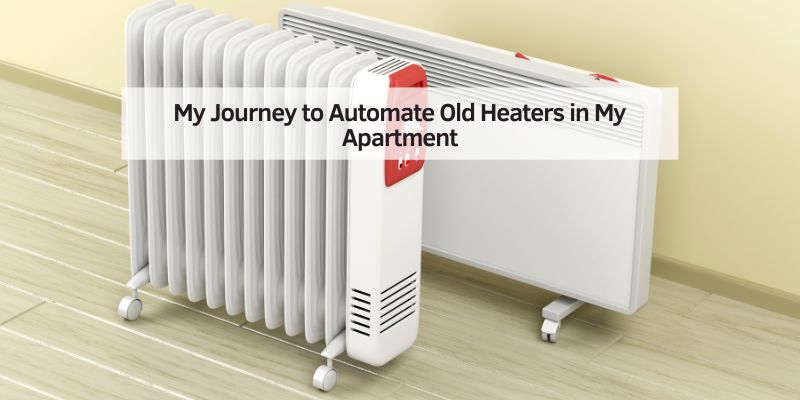
Old apartments often have radiators or baseboard heaters. These don’t have smart features. Adding devices like smart thermostats or plugs makes them modern. It saves energy and keeps you comfy.
Why Automate Your Apartment’s Heaters?
Automation makes life easier. You set a schedule, and your heater follows it.
It also cuts energy bills. I saved $20 a month by automating my radiator! Plus, you can control it from anywhere, even bed.
Tools You Need to Get Started
You don’t need fancy tools to automate old heaters. Here’s what I used:
- Smart Thermostat: Controls your heater’s temperature.
- Smart Plug: Turns electric heaters on or off.
- Wi-Fi Router: Connects your devices to the internet.
You might also need a screwdriver or adhesive strips. Check your heater type first. Radiators and electric baseboards need different setups.
Step-by-Step Guide: How to Automate Old Heaters in Apartments
Let’s walk through automating an old radiator or baseboard heater. I’ll keep it simple, like explaining to a friend.
Step 1: Check Your Heater Type
Look at your heater. Is it a steam radiator, hot water radiator, or electric baseboard?
Radiators need a smart thermostat valve. Electric heaters work with smart plugs. I have a steam radiator, so I used a smart valve.
Step 2: Pick the Right Smart Device
Choose a device that fits your heater. Here are my favorites:
- For Radiators: A smart radiator valve like the Netatmo Smart Radiator Valve.
- For Electric Heaters: A smart plug like the TP-Link Kasa Smart Plug.
- For Whole Systems: A smart thermostat like the Google Nest.
I bought a Netatmo valve for $80. It was easy to install and works great.
Step 3: Install the Device
Installation is simple. For a smart valve, turn off your radiator, remove the old valve, and screw on the new one. For a smart plug, just plug it in.
Always follow the device’s manual. I watched a YouTube video for my Netatmo valve. It took 20 minutes!
Step 4: Connect to Wi-Fi and Set Up the App
Download the device’s app. Connect it to your Wi-Fi.
The app lets you set schedules or control the heater remotely. I set my radiator to warm up at 7 a.m. and cool down at night.
Step 5: Test and Adjust
Turn on your heater. Check if the app controls it.
I had to tweak my schedule to save more energy. It’s fun to experiment!
Benefits of Automating Old Heaters
Automating heaters has big perks:
- Saves Money: Lower energy bills.
- Comfort: Your apartment stays the perfect temperature.
- Convenience: Control it from your phone or voice assistant.
I love telling Alexa to warm my apartment before I get home!
Drawbacks to Consider
It’s not all perfect. Here are some downsides:
- Cost: Smart devices can cost $50-$200.
- Setup Time: It takes an hour or two to install.
- Compatibility: Not all heaters work with smart devices.
My radiator valve didn’t fit at first. I had to buy an adapter for $10.
Other Ways to Control Old Heaters
If automation feels too tricky, try these:
- Manual Thermostats: Adjust temperature by hand.
- Timer Plugs: Turn heaters on/off at set times.
- Insulation: Add window film to keep heat in.
I used a timer plug before going fully smart. It worked okay but wasn’t as fun.
My Top Tips for Success
Here’s what I learned from automating my heaters:
- Start Small: Try a smart plug for one heater first.
- Check Compatibility: Make sure your device fits your heater.
- Use Schedules: Set times to save energy.
- Ask for Help: Watch tutorials or call customer support.
These tips saved me time and money.
Comparing Smart Devices for Heaters
Here’s a table to help you choose the right device:
| Device | Price | Heater Type | Features |
|---|---|---|---|
| Netatmo Smart Radiator Valve | $80 | Radiators | App control, schedules |
| TP-Link Kasa Smart Plug | $20 | Electric heaters | Voice control, easy setup |
| Google Nest Thermostat | $130 | Whole systems | Learning mode, energy reports |
Caption: Compare popular devices to automate your heater.
Cost Breakdown of Automating Heaters
Here’s what you might spend:
| Item | Cost | Notes |
|---|---|---|
| Smart Plug | $20-$40 | Great for electric heaters |
| Smart Radiator Valve | $80-$100 | Fits most radiators |
| Wi-Fi Router (if needed) | $50 | Needed for app control |
| Installation (optional) | $50-$100 | If you hire a professional |
Caption: Budget for automating your apartment’s heaters.
Common Mistakes to Avoid
Don’t make these errors I did:
- Buying the Wrong Device: Check your heater type first.
- Skipping Instructions: Read the manual to avoid mistakes.
- Ignoring Safety: Turn off power before installing devices.
I almost fried a smart plug by plugging it into a bad outlet!
Safety Tips for Automating Heaters
Safety is key when working with heaters. Follow these:
- Turn Off Power: Unplug or shut off heaters before installing.
- Check for Leaks: Radiators can leak if valves are loose.
- Use Trusted Brands: Buy from companies like Nest or TP-Link.
I always double-check my radiator for leaks after installing a valve.
Visual Ideas to Help You
Pictures make things clearer. Here are ideas for visuals:
- Diagram of a Smart Valve Installation: Shows how to attach it to a radiator.
- Smart Plug Setup: A sketch of plugging in an electric heater.
- App Screenshot: Example of setting a heating schedule.
These would make the steps easier to follow.
Energy-Saving Ideas
Automating heaters saves energy. Try these:
- Set your heater to 68°F when home and 60°F when away.
- Use a smart thermostat’s energy reports to track usage.
- Add weather stripping to windows to keep heat in.
I cut my bill by 15% with these tricks!
Comparing Manual vs. Automated Heaters
Here’s how they stack up:
| Feature | Manual Heater | Automated Heater |
|---|---|---|
| Control | By hand | Phone or schedule |
| Energy Savings | Low | High |
| Cost | Free | $20-$200 |
| Convenience | Low | High |
Caption: See why automated heaters are worth it.
Conclusion
Automating old heaters in apartments is easy and fun. You can save money, stay cozy, and control your heat from anywhere. Start with a smart plug or valve, follow simple steps, and enjoy a warmer home. Try it this weekend! Share your results or ask questions in the comments. Stay warm and happy!
Frequently Asked Questions
What is a smart thermostat?
A smart thermostat controls your heater with an app. It lets you set schedules or adjust heat remotely. I use one to warm my apartment before I wake up. It’s easy to install and saves energy.
Can I automate any old heater?
Most old heaters can be automated. Radiators need smart valves, and electric heaters use smart plugs. Check your heater’s type first. My radiator worked with a Netatmo valve after I got an adapter.
How much does it cost to automate a heater?
Costs range from $20 for a smart plug to $200 for a full thermostat. I spent $80 on a smart valve and saved $20 a month. Check the table above for details.
Is it safe to automate old heaters?
Yes, if you follow safety tips. Turn off power before installing devices. Use trusted brands like TP-Link or Nest. I always check for leaks after installing radiator valves.
How do I know if my heater is compatible?
Look at your heater’s manual or type (radiator, electric, etc.). Smart plugs work with most electric heaters. Radiator valves need specific fittings. I called customer support to confirm mine.
Can I automate heaters without Wi-Fi?
You can use timer plugs for basic automation without Wi-Fi. They turn heaters on/off at set times. Smart devices need Wi-Fi for app control. I used a timer before getting Wi-Fi.
How much energy can I save?
You can save 10-20% on energy bills with automation. Smart devices adjust heat when you’re away. I saved 15% by setting my radiator to cool down at night.