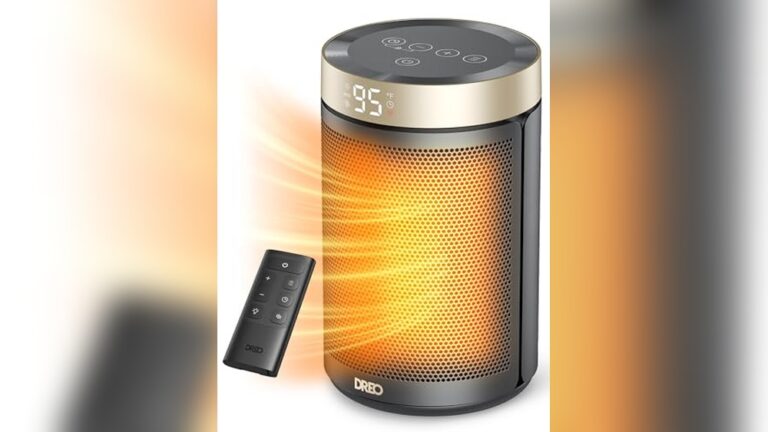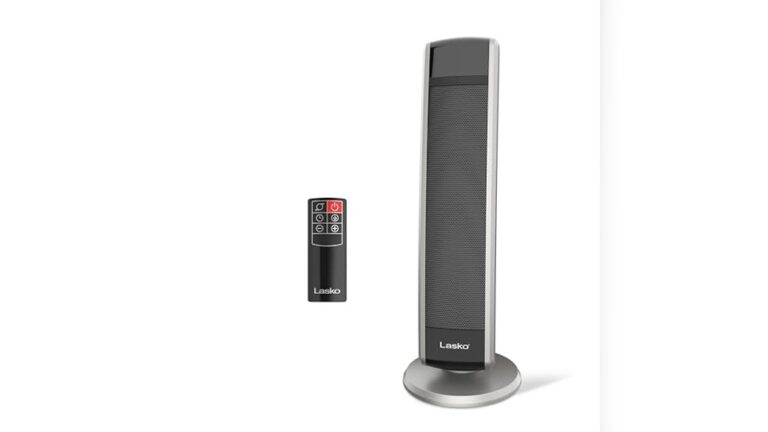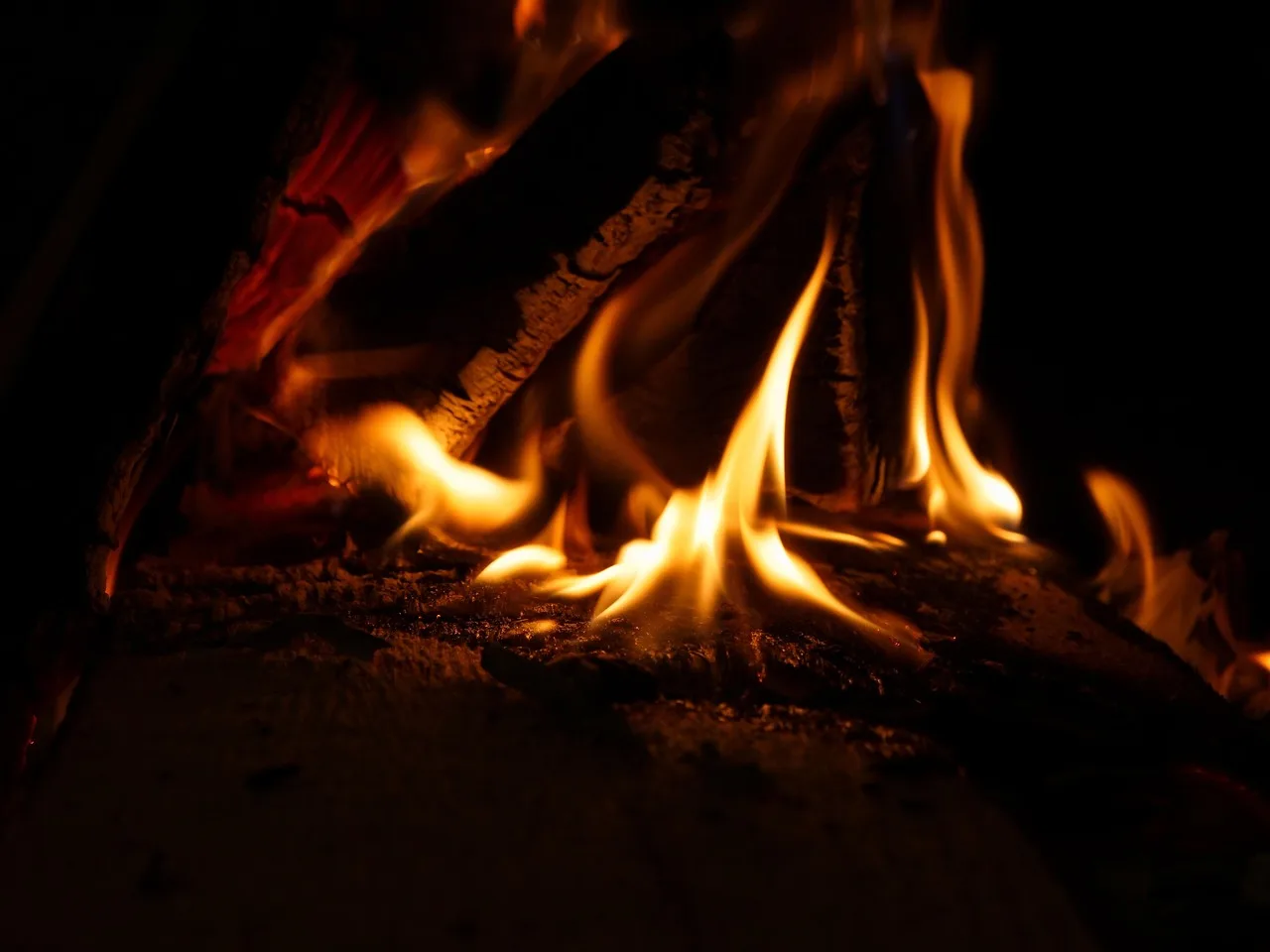
Gas fireplace vs electric fireplace: Which heats better?
Gas fireplaces usually heat a room better than electric fireplaces. Many gas units are often described as producing roughly 20,000 to 40,000 BTU/h or more, while most electric fireplaces are usually in a much lower range, around 4,000 to 5,000 BTU/h. For a small bedroom or office, electric can be enough; for a larger living room, open layout, or drafty space, gas is the stronger heater. Pick the wrong type and you can waste fuel, overheat a room, or still need another heat source. This guide compares heat output, room size fit, venting, and operating conditions so you can choose the better heater for your space.
| Factor | Gas fireplace | electric fireplace: Which gives better heat | Winner |
|---|---|---|---|
| Heat output | Usually heats a room better; often about 20,000 to 40,000+ BTU/h, with a sample insert producing 30,000 BTUs of heat. | Usually around 4,000 to 5,000 BTU/h; may heat up to 400 square feet. | Gas fireplace |
| Efficiency | High-quality inserts can reach 70 to 90 percent efficiency. | Converts 100 percent of electricity into heat. | electric fireplace: Which gives better heat |
| Installation burden | Requires a gas line or propane supply, often venting, and professional installation. | Most plug into a standard 110-volt outlet; larger models may need a dedicated circuit. | electric fireplace: Which gives better heat |
| Running cost | Average annual operating cost: $412 to $2,708. | Average annual operating cost: $80 to $131. | electric fireplace: Which gives better heat |
| Maintenance | Needs yearly professional servicing, plus burner cleaning and vent checks. | Simple to install and does not have the same annual service requirement described for gas. | electric fireplace: Which gives better heat |
| Outage usefulness | Can still provide heat if it does not rely on electric blowers or ignition. | Loses usefulness in a power outage. | Gas fireplace |
| Best-fit use | Better for larger rooms, open layouts, drafty spaces, and as a primary room heater. | Better for small rooms, bedrooms, offices, and supplemental zone heating. | Tie |
| Venting and usable warmth | Often needs venting to the outside, which can reduce how much heat stays in the room. | Does not require venting in the same way and is described as simpler to install. | electric fireplace: Which gives better heat |
| Performance in drafty or open spaces | Higher output gives more margin for heat loss and is more likely to keep large or leaky rooms comfortable. | May struggle in open layouts or leakier spaces and is mainly for supplemental heat. | Gas fireplace |
Gas fireplace vs electric fireplace: which gives better heat?
Gas usually wins on raw room heat, while electric wins on easier installation and lower running cost. The right choice depends on room size, heat loss, and whether you want a primary room heater or a supplemental zone heater.
The short answer by room size
For a small room, an electric fireplace can do the job. For a main living room, open layout, or a space that leaks heat, gas usually delivers more usable warmth because its output is higher and the room loses less of it before you feel it.
Picture a 250-square-foot den that only needs evening heat. An electric unit may cover that space well. Now picture a large family room with older windows and a ceiling fan moving air. A gas insert with stronger output is more likely to keep the room comfortable.
📊 Most electric fireplaces plug into a standard 110-volt outlet. Source: Gas vs. Electric Fireplace: Which Is Right for Your Home?.
How much heat does each type actually deliver?
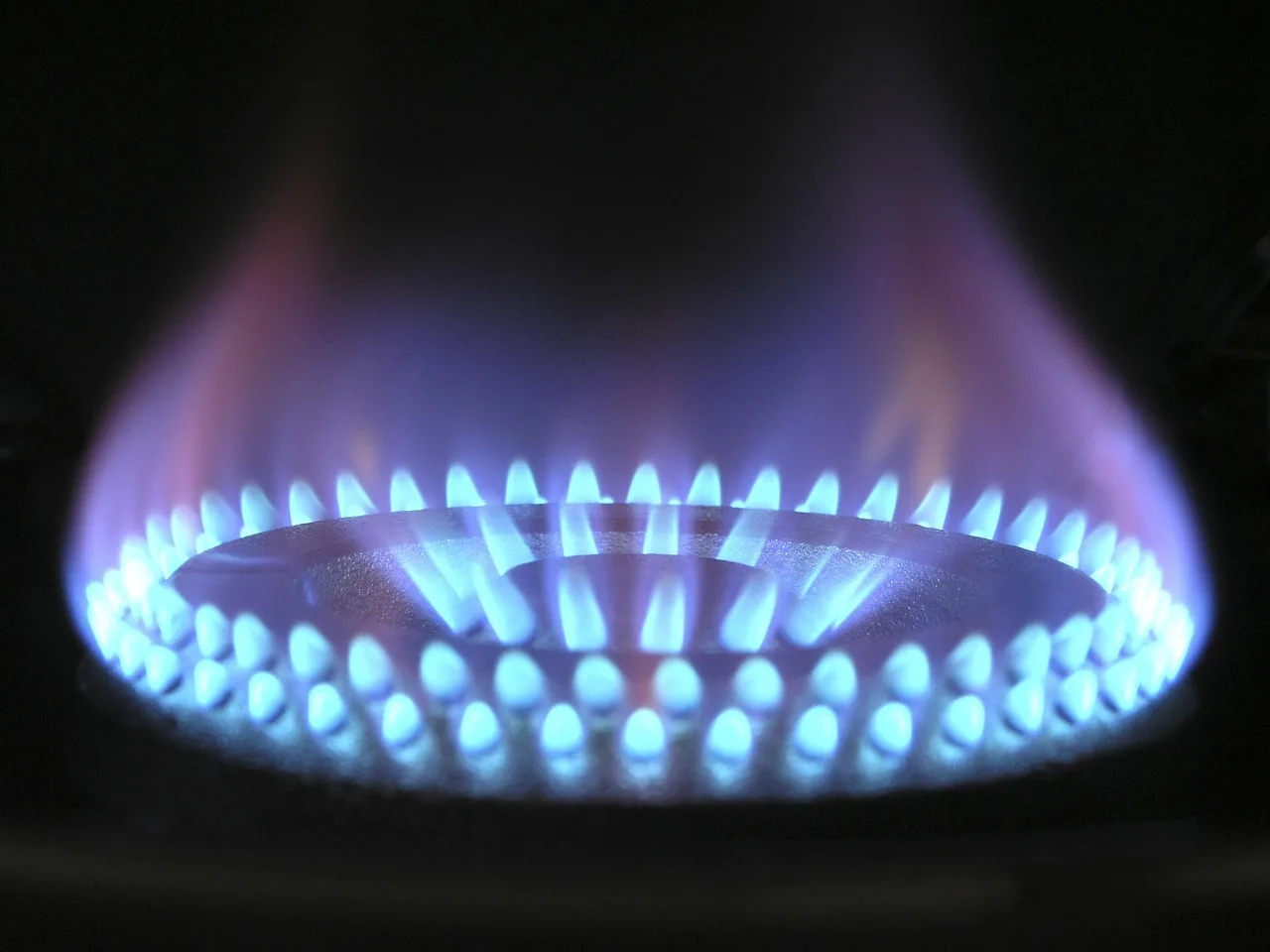
Gas fireplaces usually deliver more heat to the room, while electric fireplaces deliver less total heat but do so with very high conversion efficiency. The main comparison metric is BTU output for gas, because that tells you the heater’s capacity. Electric units are usually discussed by wattage and room coverage instead.
BTUs and what they mean for gas fireplaces
BTU output is the clearest way to compare gas fireplace heating strength. A sample gas insert can produce 30,000 BTUs of heat, which is enough for many medium-to-large rooms when the unit is sized and vented correctly.
That said, BTU number alone does not guarantee comfort. If the fireplace is oversized for the room, it can create hot spots. If it is undersized, it may run constantly and still leave cold corners.
Why electric heat is capped by the unit’s heater size
Electric fireplaces are limited by the size of the heating element and the airflow moving warm air into the room. They may be fully efficient, but 100 percent efficient does not mean unlimited output. It only means nearly all electrical energy becomes heat.
Most electric fireplaces plug into a standard 110-volt outlet, and larger electric models may need a dedicated circuit. Even then, they are still built for supplemental heat rather than whole-home heating.
Why real-room warmth is not the same as flame realism
Gas fireplaces create real flames and stronger heat output, but usable warmth can drop if venting carries heat outdoors or if room airflow pulls warm air away from the seating area. Electric fireplaces can feel weaker visually and physically, yet they may heat a small enclosed room very effectively.
A common first-timer mistake is choosing by flame look alone. The more useful question is simple: how many square feet need heat, and how much of that heat must stay in the room after venting, airflow, and heat loss?

Which fireplace heats which room best?
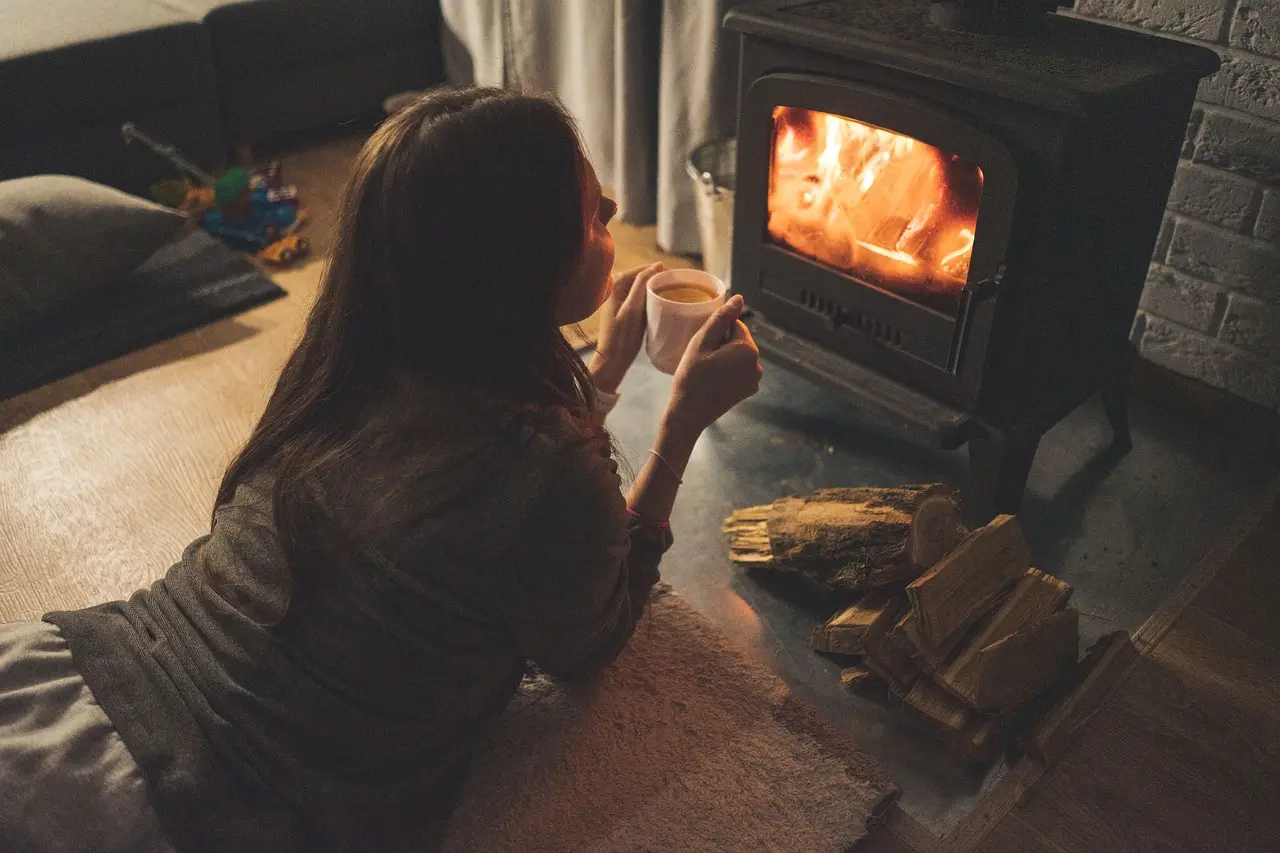
The best heater depends on the room and the job. Electric fits small, enclosed spaces and simple zone heating. Gas fits larger rooms, colder rooms, and homes that need more heat than ambiance alone can provide.
Small rooms and zone heating
Electric fireplaces are often the better match for bedrooms, offices, and small dens. Their output is usually enough for a limited area, and models may heat up to 400 square feet.
If you want heat in one room without major installation work, electric is the cleaner fit. It is especially useful where you do not want to add gas piping, venting, or an annual service requirement.
Primary living rooms and open layouts
Gas usually fits a main living area better because it can move more heat into a larger space. A 30,000 BTU insert is a better match for a central room than most electric units, especially if the fireplace is expected to reduce the load on another heater.
Open layouts spread warm air quickly. In that setting, a higher-output gas fireplace is more likely to feel like a room heater instead of a decorative heater with warm air near the unit.
Drafty spaces and older homes
Gas is usually the stronger pick in drafty homes because the higher output gives you more margin for heat loss. Still, venting and airflow matter. Some of the generated heat is tied to exhaust and room movement, so usable warmth is not identical to rated output.
If the room leaks air around windows, doors, or attic access points, an electric unit may run all the time and still struggle. Gas gives you more headroom when the space is hard to heat.
Outage-prone homes
Gas can be the more practical heat source during outages if the fireplace does not depend on electric blowers or ignition. Electric fireplaces stop when the power stops, so they are less useful as backup heat.
If outages are common and heat continuity matters, gas has a clear advantage. That advantage matters most in winter, when even a short loss of heat can make a room uncomfortable quickly.
Gas fireplace heat: output, venting, and upkeep
Gas fireplaces heat better in larger spaces, but they come with more installation steps and more upkeep. You need a gas line or propane supply, and many units also need venting to the outside. Those requirements add cost and complexity, but they are tied to how the system moves heat safely.
Gas line or propane requirements
Gas fireplaces require a gas line or propane supply. That alone can make them a poor fit in homes where running fuel service would be expensive or disruptive. Professional installation is also standard, and permits or inspections may apply depending on local code.
Venting, airflow, and how they affect usable heat
Gas fireplaces often need venting to the outside. That helps with combustion byproducts, but it also affects how much heat stays in the room. If a unit moves air poorly or the room has strong drafts, the delivered warmth can feel lower than the nameplate rating suggests.
Sealed gas models do better here. High-quality gas fireplace inserts can reach 70 to 90 percent efficiency, which is strong for a combustion appliance, but it is still not the same as electric’s direct conversion of power into heat.
Annual servicing, burner cleaning, and vent checks
Gas fireplaces need yearly professional servicing, plus burner cleaning and vent checks. That routine is part of the cost of getting higher output and real flames. It also helps maintain safe operation and stable heat delivery over time.
If the fireplace is used often, skipping maintenance can reduce performance and create avoidable problems. Heat output may fall, ignition may become less reliable, and venting issues may go unnoticed.
Electric fireplace heat: efficiency, power, and limits
Electric fireplaces are simple to install and highly efficient at converting electricity into heat, but they are not built for the same kind of heat delivery as gas. They work best as supplemental heat, especially in smaller rooms or single-use zones.
Why electric is 100% efficient at turning electricity into heat
Electric fireplaces convert 100 percent of electricity into heat. That makes them easy to understand on paper: nearly every watt you pay for becomes warmth in the room. The catch is that the total heat output is still limited by the appliance size.
So yes, electric can be more efficient than gas in conversion terms. But a 100 percent efficient heater with low output still may not warm a large room well enough.
Standard outlet vs dedicated circuit
Most electric fireplaces plug into a standard 110-volt outlet. That makes them easy to place in many rooms without major electrical work. Larger electric models may need a dedicated circuit, which adds some installation cost and planning.
Even with harder-wired models, the installation burden is still usually lower than gas because there is no fuel line to run and no venting path to build.
Where electric heat works well and where it falls short
Electric works well when you want focused heat in a bedroom, office, or small living room. It falls short when the room is large, open, or leaky. In those spaces, the heater may run, but the room may never feel fully warm.
If your goal is to take the chill off one area rather than heat the whole level of a house, electric can be the better tool. If your goal is to replace a stronger heat source, gas is usually the safer bet.
What do installation and operating costs mean for heat choices?
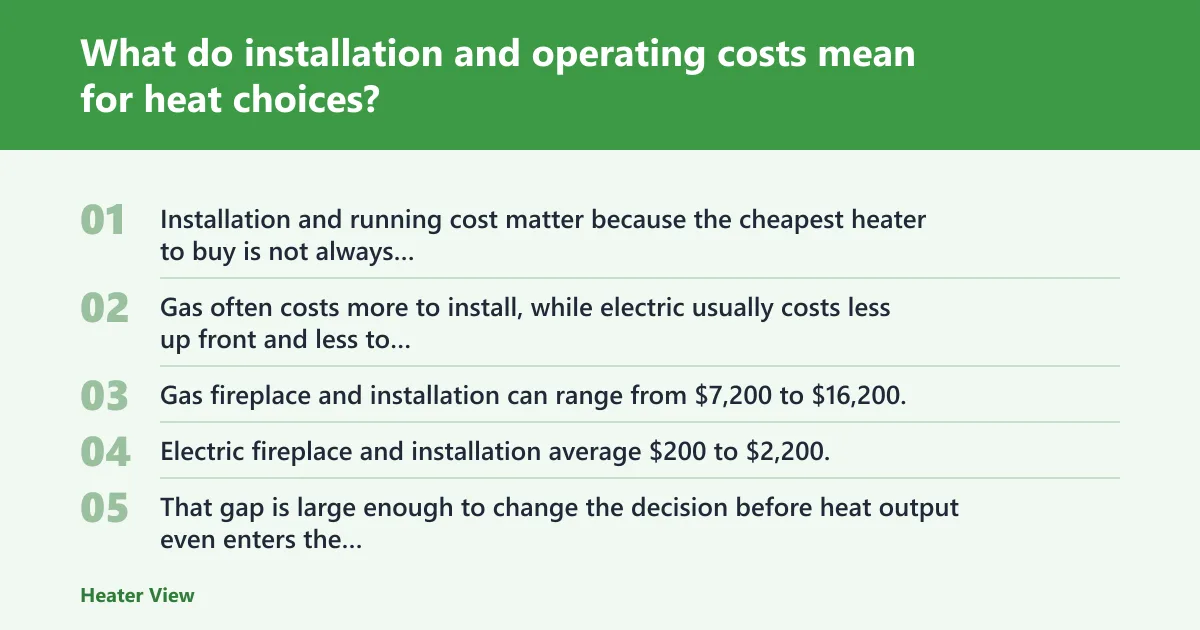
Installation and running cost matter because the cheapest heater to buy is not always the best heater to heat with. Gas often costs more to install, while electric usually costs less up front and less to run on an annual basis.
Upfront installation differences
Gas fireplace and installation can range from $7,200 to $16,200. Electric fireplace and installation average $200 to $2,200. That gap is large enough to change the decision before heat output even enters the picture.
Gas carries the cost of fuel service, venting, and professional labor. Electric can be as simple as plugging in a unit, though hardwired models and dedicated circuits can push the price higher.
Yearly operating cost and local utility rates
Electric fireplace operating costs are usually $80 to $131 annually, while gas fireplace operating costs average $412 to $2,708 annually. Those ranges depend heavily on local utility rates, fuel prices, how often the fireplace runs, and whether it is used as a main heat source or just for short bursts.
For long daily use, those differences matter. A fireplace that seems affordable per month can become costly over a full heating season if it is the main source of warmth in a drafty room.
Permits, inspections, and service calls
Gas work often triggers permits and inspections. That adds time and can add cost, but it is part of the installation path for many fuel-burning appliances. Electric installations are simpler in many cases, though a higher-output unit may still require electrical work by a licensed pro.
Service calls also differ. Gas needs annual inspection and maintenance; electric usually needs less routine service, which lowers the long-term burden.
Proof table: which fireplace fits each heat scenario?
Use this table as a room-by-room checklist. It separates raw output from practical fit, which is the part most buyers miss when comparing gas and electric fireplaces.
| Heat scenario | Gas fireplace fit | Electric fireplace fit | Best if |
|---|---|---|---|
| Small room, about 200 to 400 square feet | Works, but may be more heat than needed | Usually enough, especially for zone heat | Electric fireplace |
| Primary living room or open layout | Stronger fit because output can support larger space | May feel underpowered as the main heater | Gas fireplace |
| Drafty space or older home with heat loss | Better margin for cold air and larger losses | Can struggle once air moves and leaks increase | Gas fireplace |
| Outage-prone home | Can still provide heat if ignition and blowers do not need electricity | Stops when the power fails | Gas fireplace |
BTU and coverage checklist
- For a small room, match the unit to the space without overshooting it.
- For larger rooms, compare gas BTU output first, not flame appearance.
- Use 30,000 BTUs as a realistic gas example when you need stronger room heating.
- Remember that electric fireplaces may heat up to 400 square feet, but that is still supplemental-scale heat.
- Account for drafts, open floor plans, and venting losses before choosing a model.
Choose gas fireplace if… / choose electric fireplace if…
Choose gas fireplace if heat output is the top priority, the room is medium to large, the home is drafty, or you want backup heat during outages. Choose electric fireplace if the room is small, the install path needs to stay simple, or you want lower annual operating cost with less maintenance.
Choose gas fireplace if heat matters most
Gas is the better pick when you need stronger room delivery, not just a warm visual effect. It is the right choice for primary living rooms, open plans, and homes where the fireplace needs to do real heating work.
It is also the better fit if outages are a real concern and you want a heat source that may still work without household power.
Choose electric fireplace if simple supplemental heat is enough
Electric is the better pick when you want quick installation, lower upfront cost, and modest heat for a smaller room. It is also the better choice if you want predictable operating cost and minimal maintenance.
If the fireplace is mainly for a bedroom, office, or occasional zone heat, electric usually gives the cleaner result.
Frequently asked questions
Does a gas fireplace heat better than an electric fireplace?
Yes, in most room-heating situations gas heats better because it usually delivers far more BTUs. Electric fireplaces can still warm small rooms effectively, but they are usually better for supplemental heat than for heating a larger living area.
How many BTUs does a gas fireplace produce compared with electric?
Gas fireplaces often produce 20,000 to 40,000+ BTU/h, and a sample insert can produce 30,000 BTUs of heat. Electric fireplaces are usually much lower in output and may heat up to 400 square feet rather than competing on BTU numbers.
Are electric fireplaces actually 100% efficient?
Yes. Electric fireplaces convert 100 percent of electricity into heat, so nearly all the electrical energy becomes warmth. That does not mean they heat every room well, only that they waste very little of the power they draw.
Which fireplace costs less to install, gas or electric?
Electric almost always costs less to install. Electric fireplace and installation average $200 to $2,200, while gas fireplace and installation can range from $7,200 to $16,200 because gas line work, venting, permits, and professional labor are often involved.
Which fireplace is cheaper to run every year?
Electric is usually cheaper to run every year. Electric fireplace operating costs are usually $80 to $131 annually, compared with gas fireplace operating costs that average $412 to $2,708 annually. Your actual cost depends on utility rates, fuel prices, and usage.
Do gas fireplaces need venting?
Yes, gas fireplaces often need venting to the outside. Venting helps handle combustion byproducts, but it also affects usable heat because some warmth leaves the room with the exhaust path. That is one reason room size and airflow matter so much.