Electric Heater vs. Gas Heater: Which One Warms Your Home Best?
When winter hits, my home feels like an icebox, and I’m on a mission to stay cozy without breaking the bank. A few years ago, I stood in a chilly hardware store aisle, staring at electric and gas heaters, totally confused about which one to pick. Sound familiar? In this article, I’ll break down the electric heater vs. gas heater debate in a way that’s easy to understand, even for a 10-year-old. You’ll get clear comparisons, practical tips, and simple examples to help you choose the right heater for your home. From costs to safety, I’ve got you covered with real-world advice and a few laughs along the way. Let’s dive in and warm up!
For portable or electric heater comparisons, Electric Baseboard Heaters Vs Gas Heat: , Affordable gives readers another helpful angle before buying or using one.
For space-specific heating decisions, Are Pool Heaters Electric or Gas gives readers another practical setup to compare.
What Are Electric and Gas Heaters?
Electric heaters plug into a wall outlet and use electricity to make heat. They’re like big toasters, warming up a room fast. Gas heaters, on the other hand, burn natural gas or propane to create heat. Think of them like a campfire, but safer and indoors! Both keep you warm, but they work differently, cost different amounts, and fit different homes. Choosing one depends on your budget, home setup, and how much heat you need.
Why Compare Electric Heater vs. Gas Heater?
Picking the right heater is a big deal. A bad choice can leave you cold or cost you a fortune. I once bought a cheap electric heater that barely warmed my toes! Comparing electric heater vs. gas heater helps you find what’s best for your home. You’ll want to think about cost, safety, and how easy they are to use. Let’s break it down with simple examples.
How Electric Heaters Work
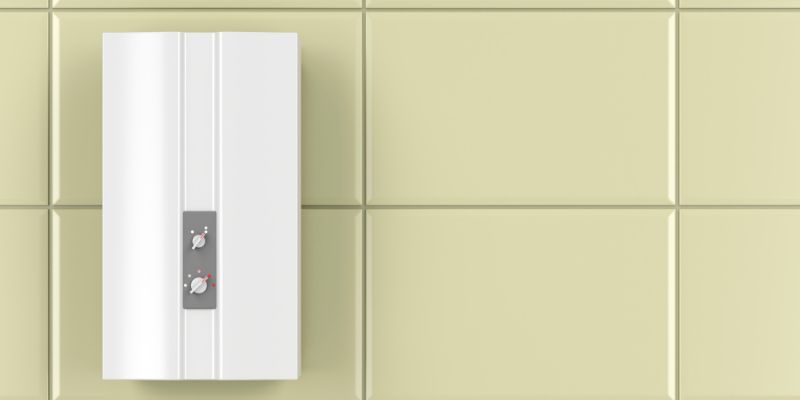
Electric heaters turn electricity into heat using a metal coil or ceramic element. Plug them in, flip a switch, and boom—warm air! They come in types like fan heaters, oil-filled radiators, or infrared models. I use a small fan heater in my bedroom because it’s quick and easy. They’re great for small spaces but can raise your electric bill if you overuse them.

How Gas Heaters Work
Gas heaters burn natural gas or propane to make heat. They need a gas line or a propane tank outside. Some have a flue to vent fumes outside, while portable ones don’t. My neighbor swears by his gas heater for his big living room—it’s powerful! But they need proper setup to stay safe.
Comparing Costs: Electric vs. Gas
Cost is a big factor. Electric heaters are cheaper to buy, starting at $20 for a small one. Gas heaters can cost $100 or more, plus installation. But gas heaters are often cheaper to run. I did some math to compare:
Table 1: Cost Comparison of Electric and Gas Heaters
| Heater Type | Purchase Cost | Installation Cost | Running Cost (6 hrs/day, 90 days) |
|---|---|---|---|
| Electric | $20–$100 | $0 (plug-in) | $97.20 (at 30¢/kWh, 2400W) |
| Gas | $100–$500 | $700–$12,000 | $29.16 (at 3¢/MJ, 10MJ/h) |
Caption: Based on average prices and energy rates in the USA, 2025. Costs vary by model and energy provider.
Running a gas heater is usually cheaper, but the upfront cost is higher. If you’re on a tight budget, an electric heater is a quick fix. For long-term savings, gas might be better if you have a gas line.
Benefits of Electric Heaters
Electric heaters are super easy to use. Here’s why they rock:
- No installation hassle: Just plug it in, and you’re good to go.
- Portable: Move them from room to room. I carry mine to the bathroom for cozy showers!
- Safe for small spaces: No fumes, so they’re great for bedrooms.
But they’re not perfect. They can spike your electric bill, and they’re not great for big rooms. My first electric heater was a flop for my living room—it just couldn’t keep up.
Benefits of Gas Heaters
Gas heaters are powerful and cost less to run. Check out their perks:
- Strong heat: They warm up big rooms fast, perfect for family spaces.
- Lower running costs: Gas is often cheaper than electricity per hour.
- Reliable: They work even during power outages.
The downside? They need proper venting to avoid harmful fumes. Installation can be pricey, and you’ll need a pro to set it up safely.
Safety Tips for Both Heaters
Safety is huge when using heaters. I learned this the hard way when I left an electric heater too close to a curtain—yikes! Here are some tips:
- Keep space clear: Place heaters 3 feet from curtains, furniture, or walls.
- Check for tip-over switches: Many electric heaters shut off if they fall.
- Vent gas heaters: Always use a flue or ensure good airflow for portable models.
- Turn off when not in use: Saves energy and reduces risks.
For more safety tips, check out the U.S. Consumer Product Safety Commission for heater guidelines.
Step-by-Step Guide: Choosing Your Heater
Picking a heater is like choosing a new toy—it’s gotta fit your needs! Here’s a simple guide:
- Check your home setup: Got a gas line? Go for gas. No gas? Electric’s your friend.
- Measure your room: Small rooms (under 20 sqm) love electric heaters. Big rooms (over 40 sqm) need gas power.
- Set a budget: Electric is cheap upfront; gas saves money over time.
- Think safety: Kids or pets? Pick a heater with safety features like auto shut-off.
- Test it out: Buy from a store with a return policy in case it’s a dud.
Visual Idea: A diagram showing a small room with an electric heater vs. a big room with a gas heater, with labels for heat spread and safety zones.
Common Mistakes to Avoid
I’ve made some heater blunders, so learn from my goofs:
- Buying too small: A tiny electric heater won’t warm a big room. Check the wattage (2400W is good for most homes).
- Skipping maintenance: Gas heaters need yearly checks to stay safe. Don’t ignore this!
- Ignoring energy costs: Electric heaters can sneakily hike your bill. Use a timer to save cash.
My Personal Tips from Experience
After years of trial and error, here’s what I’ve learned:
- Use a timer: I set my electric heater to turn on 30 minutes before I wake up. It’s like a warm hug in the morning!
- Insulate first: Add weather stripping to windows to trap heat. It’s a game-changer.
- Try a hybrid approach: I use an electric heater for my bedroom and a gas heater for the living room. Best of both worlds!
For more energy-saving ideas, visit Energy Star for certified heaters.
Comparison Table: Electric vs. Gas at a Glance
Table 2: Electric vs. Gas Heater Features
| Feature | Electric Heater | Gas Heater |
|---|---|---|
| Best For | Small rooms | Large rooms |
| Upfront Cost | Low ($20–$100) | High ($100–$500+) |
| Running Cost | Higher | Lower |
| Installation | None (plug-in) | Needs pro setup |
| Safety Concerns | Fire risk if misused | Fumes if not vented |
Caption: A quick look at key differences to help you decide.
Visual Idea: A side-by-side infographic comparing electric and gas heaters, showing size, cost, and heat output with colorful icons.
Alternative Options
Not sold on electric or gas? Try these:
- Reverse-cycle air conditioners: They heat and cool, great for big rooms. They cost more but save energy.
- Heat pumps: Super efficient but pricey. Perfect if you want green energy.
- Wood stoves: Cozy and cheap to run, but they need a chimney and more work.
Frequently Asked Questions
What’s the Cheapest Heater to Run?
Gas heaters are usually cheaper to run, costing about 3¢ per MJ compared to 30¢ per kWh for electric heaters. For small spaces, an energy-efficient electric model with a timer can save money.
Are Electric Heaters Safer Than Gas?
Electric heaters are safer for small spaces since they don’t produce fumes. Gas heaters need proper venting to avoid carbon monoxide risks. Always use safety features like tip-over switches.
Can I Use a Gas Heater Indoors?
Yes, but only with proper venting. Flued gas heaters send fumes outside, while portable ones need good airflow. Check local codes and get a pro to install.
How Much Space Can Each Heater Warm?
Electric heaters work best for rooms under 20 square meters. Gas heaters can handle larger spaces, up to 40 square meters or more, depending on the model.
Do Electric Heaters Use a Lot of Electricity?
Yes, they can. A 2400W electric heater used 6 hours a day for 90 days costs about $97.20 at 30¢/kWh. Use a timer to cut costs.
How Long Do Heaters Last?
Electric heaters last about 10–15 years with care. Gas heaters last 15–20 years but need regular maintenance to stay safe and efficient.
Can I Move My Heater Easily?
Electric heaters are portable and easy to move. Gas heaters, especially flued ones, are fixed in place. Portable gas models need a gas outlet nearby.
Conclusion
Choosing between an electric heater vs. gas heater is all about what fits your home and wallet. Electric heaters are easy, portable, and great for small spaces, while gas heaters pack a punch for bigger rooms and save money over time. Try starting with a small electric heater for your bedroom or a gas model for your living room. Play around with timers to save cash! Got a heater tip or a cozy winter story? Share it with friends or on social media. Stay warm and have fun picking your perfect heater!