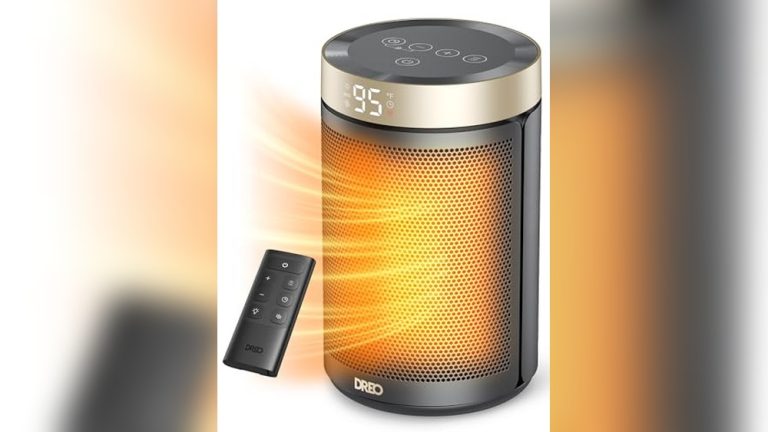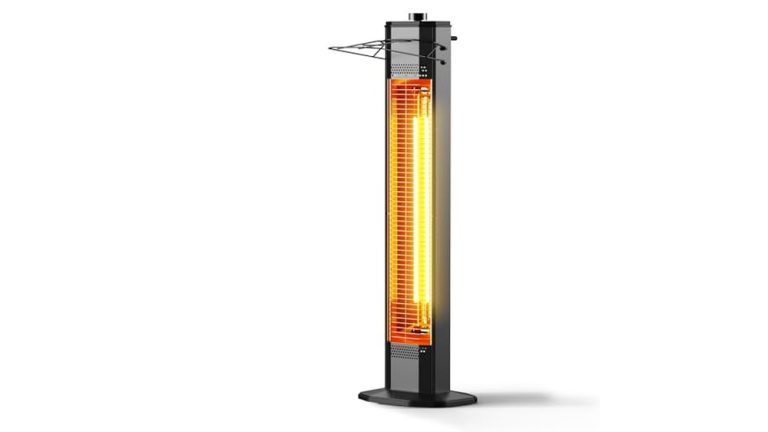
Electric Patio Heater vs Propane Patio Heater: Which Is Better?
Electric patio heaters work best on covered, breezy, or condo-style patios because they install easily and cost less to run during short sessions. Propane fits open, drafty spaces that need stronger output. Pick the wrong type and you spend more for less comfort. This guide compares cost, heat delivery, safety, placement, and maintenance so you can choose the right heater for your patio.
| Decision factor | Electric patio heater | propane patio heater | Winner |
|---|---|---|---|
| Operating cost | At about $0.16 per kWh, a 1,500 W heater costs about $0.24 per hour. | At about $18 for a 20 lb refill, a 40,000 BTU heater costs about $2.13 per hour. | Electric patio heater |
| Heat delivery | Typically 4,000 to 5,100 BTU equivalent from 1,500 W to 1,500 W infrared units, with directed radiant heat. | Typically 30,000 to 50,000 BTU from a standing unit, with a wider heat plume. | propane patio heater |
| Wind performance | Better when the heater faces people closely, but output is still easy to carry away in open air. | More raw output, yet wind strips away heat around the burner and body. | propane patio heater |
| Placement limits | Needs a suitable outdoor-rated cord, outlet access, and clearance from ceilings and walls. | Needs ventilation, level ground, and safe tank placement away from ignition sources. | Electric patio heater |
| Maintenance | Mostly keep vents clean and check the cord, plug, and element. | Clean the burner, inspect the igniter, check corrosion, and store the tank correctly. | Electric patio heater |
Which costs less to run?
Electric patio heater is usually cheaper at modest use, especially if you run it for an hour or two at a time. Propane can work for larger open spaces, but a 20 lb tank gets expensive per hour once you divide the refill price by runtime.
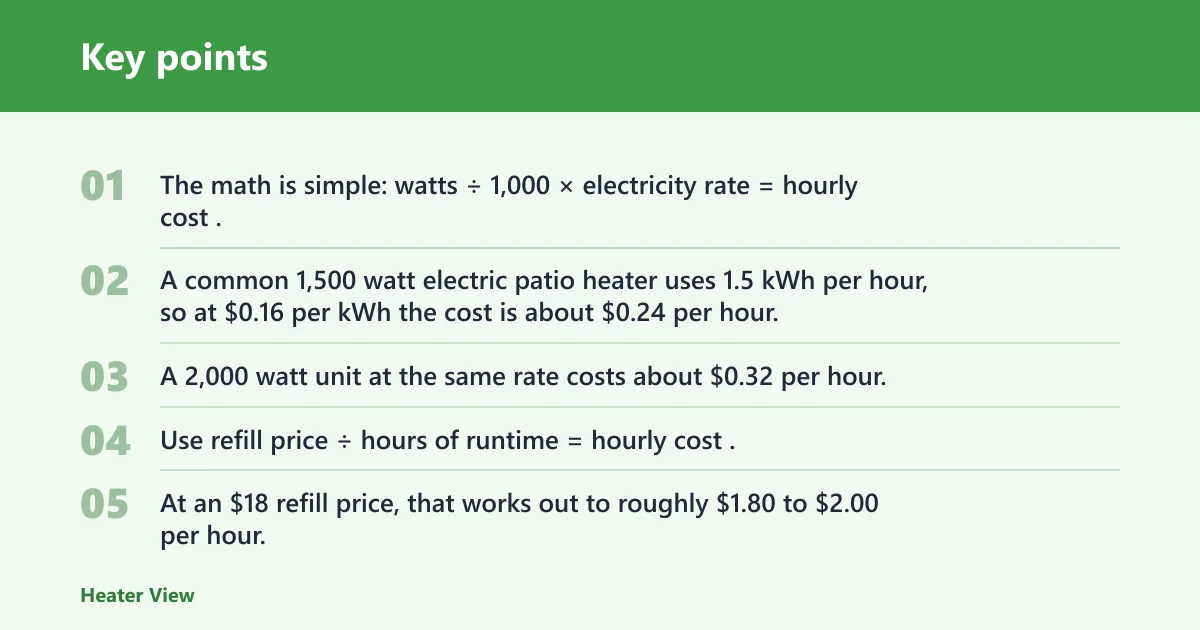
Electric hourly cost formula
The math is simple: watts ÷ 1,000 × electricity rate = hourly cost. A common 1,500 watt electric patio heater uses 1.5 kWh per hour, so at $0.16 per kWh the cost is about $0.24 per hour. A 2,000 watt unit at the same rate costs about $0.32 per hour.
Propane hourly cost formula
Use refill price ÷ hours of runtime = hourly cost. A 20 lb propane tank holds about 4.7 gallons and is commonly reported to support a 40,000 BTU patio heater for roughly 9 to 10 hours, depending on the model and valve setting. At an $18 refill price, that works out to roughly $1.80 to $2.00 per hour.
What seasonal use changes
The gap widens with regular use. If you need heat three evenings a week for 3 months, the electric unit can stay in the low tens of dollars if you use a 1,500 watt model for short sessions, while propane can move into triple-digit fuel spend quickly.
Say your patio needs heat for 2 hours after dinner, 4 nights a week. An electric 1,500 watt heater at $0.16 per kWh costs about $1.92 for those eight hours. The propane version at about $2.13 per hour would cost about $17.04 for the same week.
Which heats better in real weather?
Propane patio heater gives off more raw heat, but electric patio heater often feels more controlled at close range. The better choice depends on whether you need broad output for open air or focused radiant warmth for a seated area under some shelter.
Heat output and coverage
Most electric patio heaters draw 1,500 watts on a standard 120V circuit, though some hardwired or plug-in 240V models run higher. That usually translates to about 4,000 to 5,100 BTU equivalent and coverage for a small seating zone rather than a whole yard.
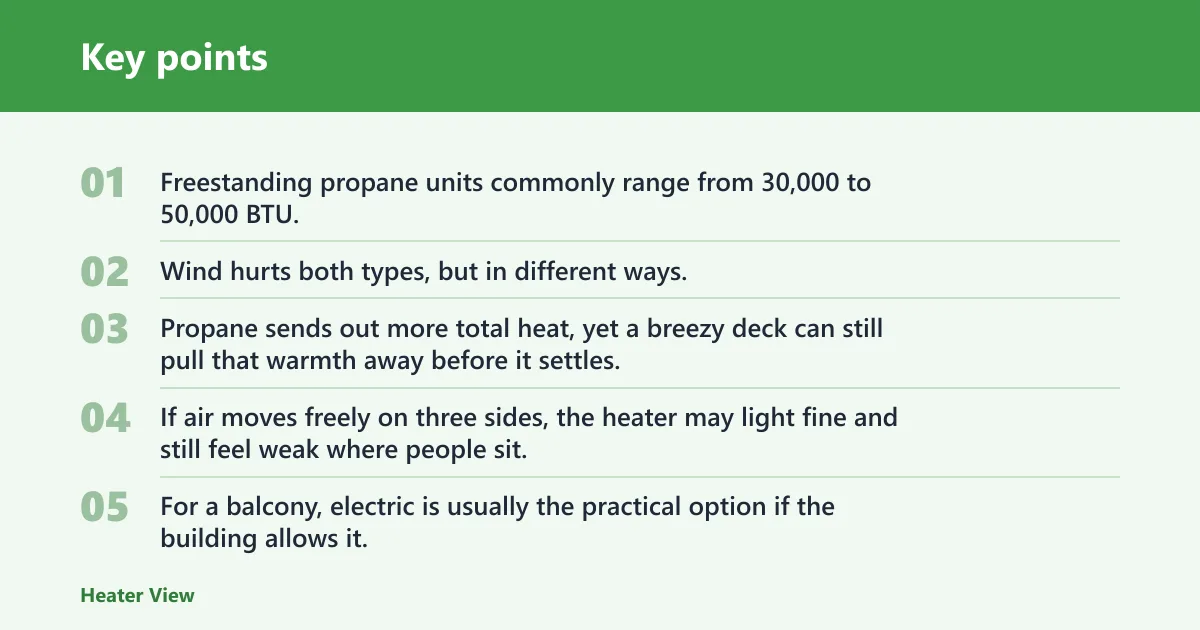
Freestanding propane units commonly range from 30,000 to 50,000 BTU. They can warm a larger circle, often roughly 100 to 200 square feet in calm conditions, but the heat drops off fast once you move away from the burner or the wind picks up.
Wind exposure and heat loss
Wind hurts both types, but in different ways. Electric infrared heat is directional, so it holds up better when pointed at the people and placed close to the seating area. Propane sends out more total heat, yet a breezy deck can still pull that warmth away before it settles.
A common first-timer mistake is putting a propane heater at the edge of an open deck and expecting it to warm the whole space. If air moves freely on three sides, the heater may light fine and still feel weak where people sit.
Open, covered, screened spaces
Open patios favor propane if you need stronger heat and have room for the tank, but electric works well for smaller seating zones near an outlet. Covered patios often favor electric because ceiling height, smoke-free operation, and cleaner clearance planning matter more than raw BTU.
Screened porches usually fit electric better than propane because the space is partly enclosed but still needs safe ventilation and a heater that does not depend on combustion air. For a balcony, electric is usually the practical option if the building allows it.
Safety and placement rules
Both heater types need clearances, but propane adds ventilation and fuel-handling rules. Check the rating plate and manual before buying, because the minimum distance to ceilings, walls, fabric, and rails can change by model and mounting style.
Clearance and mounting limits
Wall-mounted electric models often need a specific ceiling height and a clear zone below and around the element. Freestanding electric units still need enough open space so the radiant beam is not blocked by railings, umbrellas, or hanging lights.
Freestanding propane heaters need a level surface and enough overhead space to keep the burner and reflector away from low ceilings, awnings, and tree branches. Many manufacturers call for several feet of overhead clearance and a wide clear radius around the body.
Ventilation and listing checks
Look for a UL or ETL listing, and treat that as a baseline, not a bonus. Electric patio heaters still need weather rating language suitable for outdoor exposure. Propane heaters need stable ignition, a tip-over shutoff, and overheat protection where the design includes them.
Propane units must run in open or at least well-ventilated settings. Do not use them in a space that traps exhaust or combustion byproducts, and do not place a tank where it can overheat or be struck during foot traffic.
Balcony and apartment rules
Most apartment and condo balconies are easier to equip with electric because there is no fuel storage and no open flame, but building rules still control what is allowed. Propane is often restricted on balconies because of tank storage, flame clearance, and ventilation concerns.
- Check the outlet and circuit. Make sure the patio outlet is outdoor rated and on a circuit that can handle the heater load, especially for a 1,500 watt or 2,000 watt unit. Avoid long, undersized extension cords because voltage drop can reduce performance and increase heat at the cord.
- Measure the clearance. Confirm ceiling height, wall distance, and overhead obstructions before buying. If the heater sits under an awning, measure from the element to the nearest combustible surface, not from the floor.
- Confirm fuel placement. For propane, keep the 20 lb tank upright, secure, and away from doors, vents, and direct traffic. For electric, route the cord so it cannot be pinched by furniture or soaked where water collects.
Patio heater decision matrix
| Scenario | Electric hourly cost | Propane hourly cost | Clearance and placement note | Best pick |
|---|---|---|---|---|
| Open patio | About $0.24 to $0.32 at 1,500 to 2,000 watts | About $1.80 to $2.00 at a 20 lb tank refill of $18 | Open air lowers retention; propane needs wide clearance and level placement | propane patio heater |
| Covered patio | About $0.24 at 1,500 watts | About $1.80 to $2.00 | Electric fits better under a roofed area if ceiling height and cord routing are safe | Electric patio heater |
| Screened porch | About $0.24 at 1,500 watts | About $1.80 to $2.00 | Screened spaces need good airflow control and no fuel exhaust buildup | Electric patio heater |
| Windy deck | About $0.24 at 1,500 watts | About $1.80 to $2.00 | Wind cuts both, but propane’s larger heat plume usually wins | propane patio heater |
| Balcony | About $0.24 at 1,500 watts | Usually not appropriate for many apartment rules | Electric is easier to place if the outlet and building rules allow it | Electric patio heater |
| Frequent use | Lowest running cost for regular short sessions | Higher fuel cost over repeated evenings | Frequent use magnifies fuel spend more than setup cost | Electric patio heater |
| Occasional use | Low cost for one-off sessions | May be acceptable if you already keep propane on hand | Storage and refill trips matter less when use is rare | Electric patio heater |
| Portable entertaining | Needs an outlet and cord path | Can move where the tank can travel safely | Freestanding propane is more flexible for changing layouts | propane patio heater |
Choose Electric patio heater if… / Choose propane patio heater if…
Choose Electric patio heater if you have a covered patio, screened porch, balcony, or a small seating area with outlet access. It also makes sense if you want the lower hourly cost, the simpler setup, and the least maintenance.
Choose propane patio heater if your space is open, drafty, or far from power, and you need stronger heat for a larger area. It is also the better pick when you want maximum portability and can handle tank storage, refills, and ventilation rules.


Which is easier to maintain?
Electric patio heater is easier to maintain because it has fewer moving parts and no fuel system. Propane patio heater needs more regular attention, especially around the burner, igniter, tank fittings, and corrosion points.
Electric upkeep
Keep the reflector or element area free of dust, spider webs, and grime. Check the cord, plug, and mounting hardware before each season, and replace any damaged cord or loose bracket right away.
Propane upkeep
Clean the burner ports, inspect the igniter, and check the hose and regulator for wear. Rust on the burner head or reflector can reduce performance, and a weak igniter can turn a quick start into repeated clicking and delayed ignition.
Storage and parts
Electric units are usually simpler to store because the main concern is dry, protected placement. Propane units need the tank stored upright in the right location for your local rules, and parts like thermocouples, regulators, or igniters may need replacement sooner on heavily used models.
Frequently asked questions
Is an electric patio heater cheaper to run than a propane patio heater?
Yes, for most modest-use cases. The gap is large enough to matter with regular use.
Which patio heater gives off more heat: electric or propane?
Propane patio heater usually gives off more raw heat. That extra output helps in open air, though it is not always the more efficient choice.
Are electric patio heaters safe to use on covered patios?
Often yes, if the model is rated for outdoor use and the clearance requirements are met. Check the manufacturer’s minimum ceiling and wall distances, keep the cord routed safely, and make sure the outlet is suitable for outdoor exposure. The cover does not remove the need for clearance.
How long does a propane tank last on a patio heater?
A 20 lb tank is commonly reported to run a standard freestanding propane patio heater for about 9 to 10 hours, depending on the BTU setting and weather. Higher output shortens runtime quickly. A 30,000 BTU setting lasts longer than a 50,000 BTU setting on the same tank.
Do electric patio heaters work in windy weather?
They work, but wind still reduces comfort. Electric infrared heat is directional, so it performs best when aimed at seated people and placed close to the space being warmed. In a fully open, breezy area, output can feel weak because the heated zone is small.
Are patio heaters allowed on apartments or condo balconies?
Electric is more likely to be allowed, but building rules control the final answer. Propane is often restricted on balconies because of tank storage, flame clearance, and ventilation concerns. Check the lease, HOA rules, and local fire code before buying either type.