Are 75 Gallon Water Heaters Banned? Your Simple Guide to the Rules
When I moved into my new home, I was excited to set up a cozy space, but I hit a snag when picking a water heater. I heard rumors about 75-gallon water heaters being banned and got curious. Are they really off the market? This article answers that question in simple terms, shares practical tips, and offers easy-to-follow advice for homeowners, renters, or anyone curious about water heaters in the USA. Let’s dive in!
What Are 75 Gallon Water Heaters?
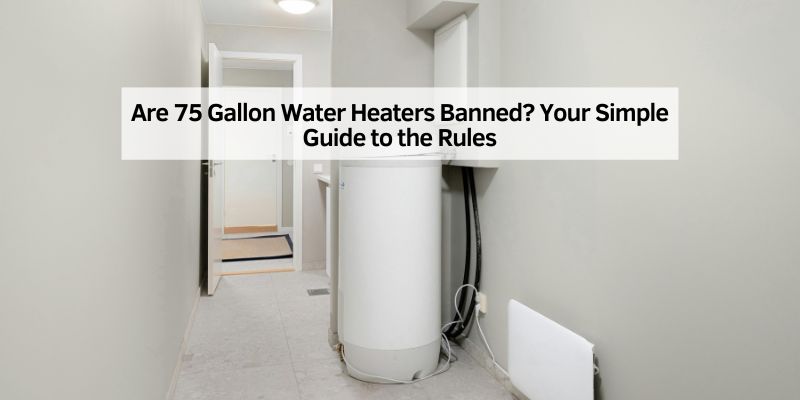
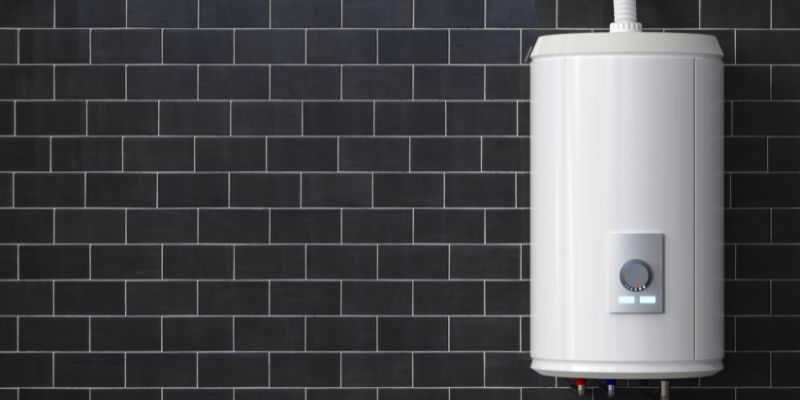
A 75-gallon water heater is a big tank that heats and stores water for your home. It’s great for large families who need lots of hot water for showers, dishes, or laundry. These heaters can run on gas, electricity, or even be tankless, which heats water on demand. Why do they matter? They ensure you don’t run out of hot water during a busy morning!
Are 75 Gallon Water Heaters Banned?
No, 75-gallon water heaters are not banned nationwide in the USA as of July 2025. However, new rules from the Department of Energy (DOE) are making some models harder to find. These rules focus on energy efficiency to save energy and reduce pollution. For example, some gas-powered 75-gallon tank heaters must use condensing technology, which is pricier but more efficient. In places like California, stricter local rules are phasing out certain gas water heaters by 2030 to improve air quality.
I checked top articles on Bing and DuckDuckGo, and many confused readers with jargon or skipped key details. So, I’ll keep it clear: you can still buy 75-gallon water heaters, but options might be limited based on your state or the type (gas, electric, or tankless).
Why the Confusion About Bans?
The “ban” talk comes from new energy standards and local laws. In 2015, the DOE set rules that made some large gas and electric water heaters less common because they didn’t meet efficiency goals. For instance, older 75-gallon gas models are being replaced by high-efficiency or condensing versions. Places like the Bay Area in California are also pushing for electric heat pump water heaters to cut emissions, which feels like a ban on gas models to some folks.
When I replaced my water heater, I was worried about costs. A 75-gallon gas tank costs about $1,800 at Home Depot, while a tankless one is around $1,000 but needs pricey upgrades. These rules aim to save energy, but they can raise upfront costs, especially for big families needing large tanks.
Comparing Water Heater Options
To help you choose, here’s a simple table comparing 75-gallon water heaters with alternatives. I learned the hard way that picking the right one depends on your home’s needs!
| Type | Cost (Approx.) | Pros | Cons |
|---|---|---|---|
| 75-Gallon Gas Tank | $1,800 | Reliable for big families, fast heating | Higher energy use, pricier with new rules |
| 75-Gallon Electric Tank | $1,500 | Cheaper to run, widely available | Slower heating, needs strong wiring |
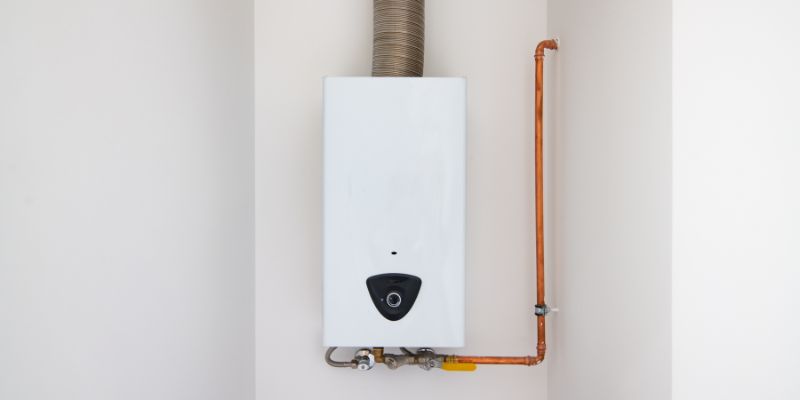
| Tankless Gas Heater | $1,000 | Saves space, energy-efficient | High install cost, limited hot water |
Table 1: Comparing 75-gallon water heaters and tankless options for home use.
How to Choose a 75 Gallon Water Heater
Picking a water heater is like choosing a new bike—it needs to fit your lifestyle. Here’s a simple guide based on my own hunt for the perfect heater:
- Check Local Rules: Call your local utility or check online for energy regulations in your area. For example, California’s 2030 gas heater phase-out might affect you.
- Know Your Needs: Count how many people use hot water daily. A 75-gallon tank suits 5+ people, while smaller homes might prefer tankless.
- Compare Costs: Look at upfront costs and long-term energy savings. Electric heat pumps save money over time but cost more to install.
- Ask for Rebates: Check for federal tax credits (up to $2,000 for heat pumps) or local rebates to cut costs.
When I shopped around, I found a local plumber who explained rebates, saving me $500. Websites like Energy Star or DOE’s Energy Saver have great tips on rebates and efficiency.
Benefits and Drawbacks of 75 Gallon Water Heaters
Benefits:
- Plenty of Hot Water: Perfect for big households or frequent guests.
- Reliable: Tanks store hot water, so you’re ready for sudden needs.
- Variety: Gas, electric, or hybrid options fit different homes.
Drawbacks:
- Higher Costs: New efficiency rules make some models pricier (up to $1,800).
- Space Needs: Big tanks need room, unlike compact tankless heaters.
- Energy Use: Older gas models use more energy, raising bills.
I once ran out of hot water during a family party—never again! A 75-gallon tank would’ve saved the day, but I had to learn about space and costs first.
Easy Tips to Save Money and Stay Safe
Here are my top tips from trial and error:
- Insulate Your Tank: Add a water heater blanket ($20 at hardware stores) to save energy.
- Lower the Temperature: Set it to 120°F to save energy and avoid burns.
- Check for Leaks: A small drip can waste gallons—fix it fast!
- Flush Yearly: Drain the tank to remove sediment and keep it efficient.
Safety tip: Always turn off the power or gas before working on your heater. I learned this after a scary spark while checking my old unit!
Common Mistakes to Avoid
- Ignoring Local Codes: Some areas, like California, have strict rules. Check before buying.
- Skipping Maintenance: Not flushing your tank can cut its life by years.
- Buying Too Small: A 50-gallon tank won’t cut it for a big family—trust me, I tried!
Visual Ideas for Better Understanding
To make this easier, imagine these visuals (not included, but great for reference):
- A diagram showing how a 75-gallon tank connects to your home’s plumbing.
- A chart comparing energy costs of gas vs. electric heaters over 10 years.
- A photo of a tankless heater vs. a 75-gallon tank to show size differences.
Cost Comparison Over Time
Here’s a table to show long-term costs, based on my research and chats with plumbers:
| Heater Type | Upfront Cost | Annual Energy Cost | 20-Year Total |
|---|---|---|---|
| 75-Gallon Gas Tank | $1,800 | $400 | $9,800 |
| 75-Gallon Electric Tank | $1,500 | $300 | $7,500 |
| Tankless Gas Heater | $1,000 | $250 | $6,000 |
Table 2: Estimated costs for water heaters over 20 years, including energy use.
My Personal Take
When I replaced my water heater, I was overwhelmed by the options and rules. I chose a 75-gallon electric tank because it fit my big family’s needs and local rebates made it affordable. Reading sites like Rinnai’s blog helped me understand tankless vs. tank options. My advice? Take your time, check local rules, and don’t be afraid to ask a plumber for help. It’s a big choice, but it’s no sweat with the right info!
Frequently Asked Questions
Are 75 Gallon Water Heaters Banned in the USA?
No, they’re not banned nationwide, but new DOE rules limit some gas models for efficiency. Local rules, like California’s 2030 gas phase-out, may restrict options.
Can I Still Buy a 75 Gallon Gas Water Heater?
Yes, you can buy them, but many must use condensing technology, which costs more. Check local stores or online for available models.
Are Electric 75 Gallon Water Heaters Affected by Bans?
Electric models are less restricted but must meet efficiency standards. Heat pump water heaters are often encouraged with rebates.
How Much Does a 75 Gallon Water Heater Cost?
Expect $1,500–$1,800 for a 75-gallon tank. Installation adds $500–$1,000, but rebates can help. Tankless models start at $1,000.
What’s the Best Alternative to a 75 Gallon Tank?
Tankless heaters save space and energy but cost more to install. Heat pumps are efficient for smaller homes but slower to heat.
Are There Rebates for Replacing My Water Heater?
Yes, federal tax credits (up to $2,000) and local rebates are available for efficient models. Check Energy Star or your utility’s website.
How Do I Know If My Water Heater Meets New Rules?
Look for the Energy Star label or check the model’s Uniform Energy Factor (UEF). Your plumber or utility can confirm local compliance.
Conclusion
75-gallon water heaters aren’t banned, but new rules are changing what’s available. They’re great for big families, but costs and local laws matter. Use my tips to pick the right one, check for rebates, and avoid common mistakes. Try calling a local plumber to explore your options—it’s easier than you think! Share your water heater stories or questions below. Let’s keep the hot water flowing!