I remember my first winter in a tiny apartment. I was freezing and didn’t know whether an electric heater or an air conditioner with heating would keep me cozy without breaking the bank. The choice between an air conditioner vs electric heater can be tricky! In this article, I’ll explain both options in simple words, share tips from my experience, and help you pick the best one for your home. You’ll learn what each does, how they work, and ways to save money while staying comfortable.
What Is an Air Conditioner vs Electric Heater?
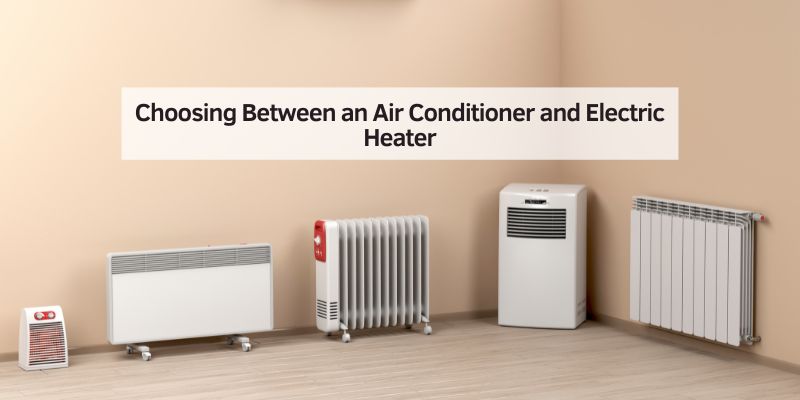
An air conditioner cools your home by pulling hot air out and blowing cool air in. Some models, called reverse-cycle air conditioners, can also heat your home by moving warm air inside. An electric heater, on the other hand, only heats. It uses electricity to warm up a room, like a cozy campfire indoors. Both are great for different needs, but they work differently and cost different amounts to run.
Why This Choice Matters
Picking between an air conditioner vs electric heater depends on your home, budget, and weather. If you live in a hot place like Texas, you might need cooling more. In colder areas like Minnesota, heating is key. Knowing the difference helps you stay comfortable without high bills. I learned this the hard way when my first heater spiked my electric bill!
How Do They Work?
Let’s break it down simply. An air conditioner uses a refrigerant to move heat. In cooling mode, it takes hot air from your room and sends it outside. In heating mode (if it’s a reverse-cycle model), it pulls warm air from outside to heat your home. Electric heaters are simpler. They turn electricity into heat using coils or ceramic parts, warming the air around them.
Air Conditioner Basics
- Cooling: Pulls hot air out, cools it, and blows it back.
- Heating: Moves warm air from outside to inside (reverse-cycle models only).
- Example: A window air conditioner can cool a bedroom in 30 minutes.
Electric Heater Basics
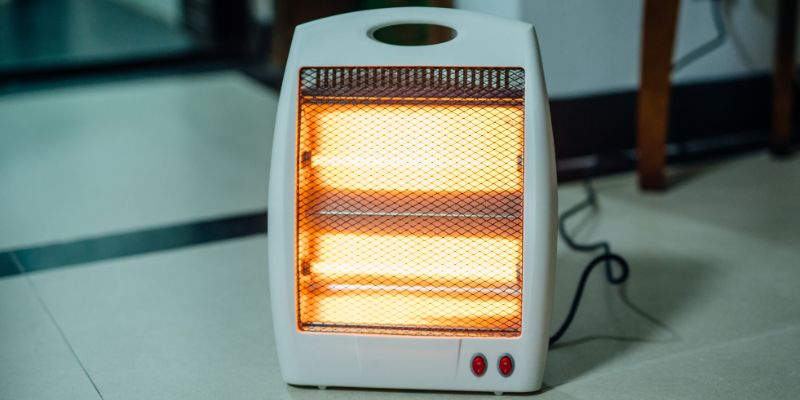
- Heating Only: Uses electricity to warm coils or ceramic plates.
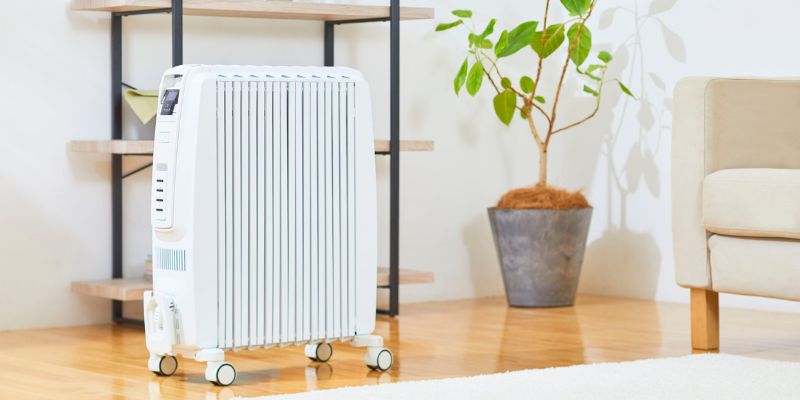
- Types: Portable heaters, wall heaters, or oil-filled radiators.
- Example: A small heater can warm a living room in 15 minutes.
Comparing Air Conditioner vs Electric Heater
Let’s look at how these two stack up. I’ve made a simple table to show the differences based on my experience and research.
| Feature | Air Conditioner (Reverse-Cycle) | Electric Heater |
|---|---|---|
| Function | Cools and heats | Heats only |
| Cost to Buy | $300-$800 | $20-$200 |
| Running Cost | Lower (uses less energy) | Higher (uses more energy) |
| Best For | Year-round use | Winter only |
Table 1: Comparing air conditioner vs electric heater for home use.
Energy Efficiency
Air conditioners, especially reverse-cycle ones, are more energy-efficient. They move heat instead of making it, using less electricity. For example, a heat pump in an air conditioner might use 30% of the energy an electric heater needs for the same warmth. I noticed this when I switched to a reverse-cycle unit and my bills dropped! Electric heaters turn all electricity into heat, which can get expensive.
Benefits and Drawbacks
Each option has pros and cons. Here’s what I’ve learned from using both.
Air Conditioner Benefits
- Year-Round Use: Cools in summer, heats in winter.
- Energy-Saving: Uses less electricity for heating than heaters.
- Even Heating: Spreads warm air evenly in a room.
Air Conditioner Drawbacks
- Higher Cost: More expensive to buy and install.
- Complex Setup: May need professional installation.
- Not Portable: Window or split units stay in place.
Electric Heater Benefits
- Cheap to Buy: Small heaters cost as little as $20.
- Portable: Move them from room to room easily.
- Simple: Plug in and use, no installation needed.
Electric Heater Drawbacks
- High Running Cost: Uses more electricity, raising bills.
- Spot Heating: Only warms areas close to the heater.
- Safety Risks: Can be a fire hazard if misused.
Another Option: Heat Pumps
A heat pump is like a super-efficient air conditioner. It moves heat for both cooling and heating, using even less energy. They cost more upfront ($1,000-$3,000), but they save money over time. I wish I’d known about heat pumps when I moved to a chilly apartment! They’re great for big homes or year-round use. Check out Energy Star for certified models.
How to Choose the Right One
Choosing between an air conditioner and electric heater depends on your needs. Here’s a simple guide based on my trial and error.
- Check Your Climate: Hot summers? Get an air conditioner. Cold winters? A heater or reverse-cycle unit works.
- Look at Your Budget: Heaters are cheaper upfront, but air conditioners save money long-term.
- Think About Space: Small rooms love portable heaters; big homes need air conditioners or heat pumps.
- Plan for Use: Need year-round comfort? Go for a reverse-cycle air conditioner.
Visual Idea: A flowchart showing “Hot climate? → Air Conditioner” and “Cold climate? → Heater or Heat Pump.”
My Top Tips for Saving Money
After years of testing both, here are my favorite ways to keep costs low:
- Clean Filters: Dirty air conditioner filters make it work harder, using more energy. Clean them monthly.
- Use a Thermostat: Set your air conditioner to turn off when the room is warm enough.
- Place Heaters Wisely: Keep heaters away from furniture to avoid fire risks and save energy.
- Insulate Your Home: Seal windows and doors to keep heat in or out. This saved me $50 last winter!
Common Mistakes to Avoid
I’ve made plenty of mistakes with both options. Here’s what to watch out for:
- Buying Too Small: A tiny air conditioner won’t cool a big room. Check the BTU rating.
- Leaving Heaters On: Unplug heaters when not in use to avoid fires and high bills.
- Skipping Maintenance: Clean both units regularly to keep them efficient. I forgot once, and my bill doubled!
Visual Idea: A table showing “Do This” (e.g., clean filters) vs. “Don’t Do This” (e.g., block heater vents).
Cost Comparison Table
Here’s a table to compare running costs based on my research and bills.
| Device | Energy Use (kWh) | Cost for 8 Hours |
|---|---|---|
| Reverse-Cycle AC | 0.4 kWh/hour | $0.51 |
| Electric Heater | 1.5 kWh/hour | $1.92 |
Table 2: Estimated running costs at 40 cents per kWh.
Safety Tips for Electric Heaters
Electric heaters can be risky if not used right. I once left a heater too close to a curtain—scary lesson! Here’s how to stay safe:
- Keep Space Clear: Place heaters 3 feet from furniture or curtains.
- Use a Timer: Set heaters to turn off after a few hours.
- Check Cords: Don’t use heaters with frayed wires to avoid fires.
Visual Idea: A diagram showing a heater with a clear 3-foot zone around it.
Why I Prefer Reverse-Cycle Air Conditioners
After trying both, I lean toward reverse-cycle air conditioners. They’re pricier upfront, but they save money and work all year. My current unit cools my living room in summer and keeps it cozy in winter. Plus, it’s quieter than my old heater, which sounded like a jet engine! For small spaces or tight budgets, though, a heater is a quick fix. Learn more about efficient models at Consumer Reports.
Conclusion
Choosing between an air conditioner vs electric heater is about your home, budget, and comfort needs. Air conditioners are great for year-round use and save energy, while heaters are cheap and portable but cost more to run. Try my tips, like cleaning filters or insulating your home, to save money. Pick what fits your life, and share your choice in the comments—I’d love to hear! Stay cozy and cool!
Frequently Asked Questions
What’s the main difference between an air conditioner and an electric heater?
An air conditioner can cool and heat (if reverse-cycle), using less energy by moving heat. An electric heater only heats, turning electricity into warmth. Air conditioners are better for year-round use, while heaters are simpler and cheaper upfront but cost more to run.
Which is cheaper to buy?
Electric heaters are cheaper, starting at $20-$200. Air conditioners, especially reverse-cycle models, cost $300-$800. If you’re on a tight budget, a heater is easier to afford, but air conditioners save money over time.
Which uses less electricity?
Reverse-cycle air conditioners use less electricity because they move heat instead of making it. An electric heater uses about 1.5 kWh per hour, while an air conditioner might use 0.4 kWh. This makes air conditioners cheaper to run.
Can I use an air conditioner in winter?
Yes, if it’s a reverse-cycle air conditioner! It pulls warm air from outside to heat your home. I use mine in winter, and it’s super efficient. Regular air conditioners only cool, so check the model before buying.
Are electric heaters safe?
Electric heaters are safe if used carefully. Keep them 3 feet from furniture, unplug when not in use, and check for damaged cords. I learned to set a timer to avoid accidents. Follow these tips to stay safe
What’s a heat pump, and is it better?
A heat pump is like an air conditioner but super efficient. It heats and cools using less energy. It’s pricier ($1,000-$3,000), but it saves money long-term. Check Department of Energy for details.
How do I save money with either option?
Clean air conditioner filters monthly to keep it efficient. For heaters, use a thermostat and don’t leave them on all night. Insulate your home to trap heat or cool air. These tricks cut my bills by $50