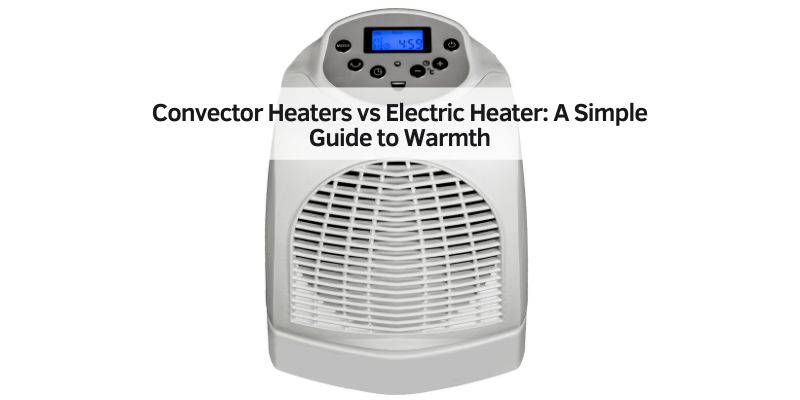
Convector Heaters vs Electric Heater: A Simple Guide to Warmth
Last winter, my old apartment felt like an icebox, and I was tired of piling on blankets. I decided to find a heater but got lost in the jargon—convector, radiant, oh my! After some trial and error, I learned the difference between convector heaters vs electric heater options. This article breaks it all down for beginners, enthusiasts, and pros in the USA. I’ll share easy tips, fun examples, and simple comparisons to keep your home cozy without breaking the bank. Let’s dive in!
What Are Convector Heaters and Electric Heaters?
Convector Heaters
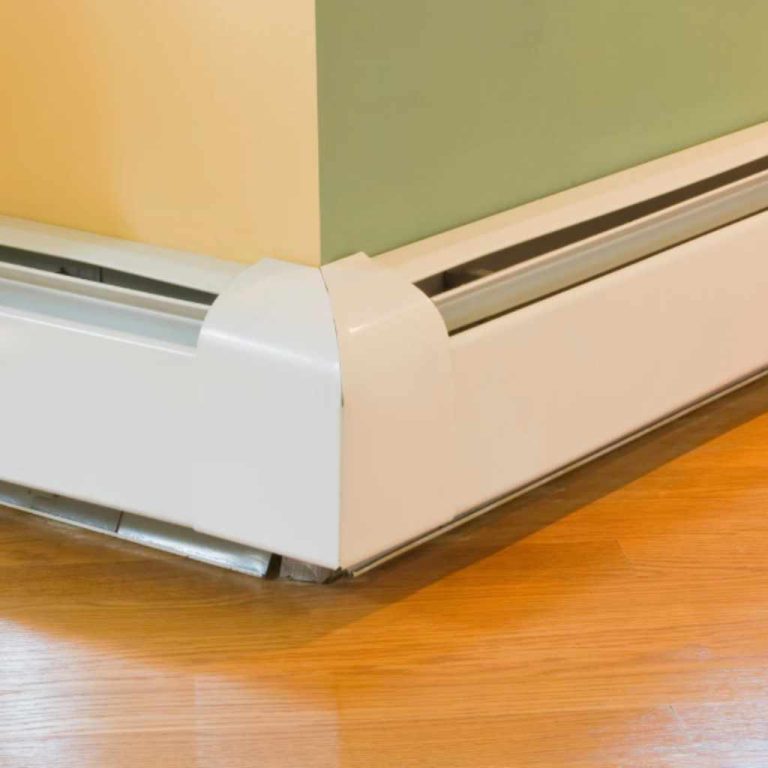
Convector heaters warm a room by moving air. They pull in cool air, heat it with a metal coil, and push warm air out. Some have fans to speed things up. Think of it like a gentle breeze of warmth spreading evenly. They’re great for bigger rooms or long-term heating.
Electric Heaters
Electric heaters is a broad term. It includes convector heaters, radiant heaters, and fan heaters. They all use electricity to make heat but work differently. Radiant heaters warm objects directly, like the sun on your skin. Fan heaters blow hot air fast. Convector heaters focus on air circulation.
Why It Matters
Choosing between convector heaters vs electric heater types depends on your needs. Want quick heat? A fan heater (a type of electric heater) might work. Need to warm a whole room? Convector heaters are better. Understanding these helps you save money and stay comfy.
How Do Convector Heaters Work?
Convector heaters are like mini air circulators. Cool air enters the bottom, gets warmed by a heating element, and rises out the top. This creates a cycle that heats the room evenly. Some models, like wall-mounted panels, are super quiet. Others, like tower convectors, use small fans for faster heating.
Here’s a simple example: I placed a convector heater in my living room. In 20 minutes, the whole room felt snug, not just the spot near the heater. It’s perfect for family movie nights!
Step-by-Step: Using a Convector Heater
- Pick a Spot: Place it on a flat surface or mount it on a wall. Keep it away from curtains.
- Plug It In: Use a standard outlet. Check the cord for damage.
- Set the Temp: Use the thermostat to pick a cozy temperature (68°F is a good start).
- Wait a Bit: Give it 10-20 minutes to warm the room evenly.
- Stay Safe: Don’t cover it or leave it on all night.

How Do Other Electric Heaters Work?
Electric heaters come in three main types:
- Radiant Heaters: These heat objects directly, like warming your hands by a fire. Great for small spaces but uneven for big rooms.
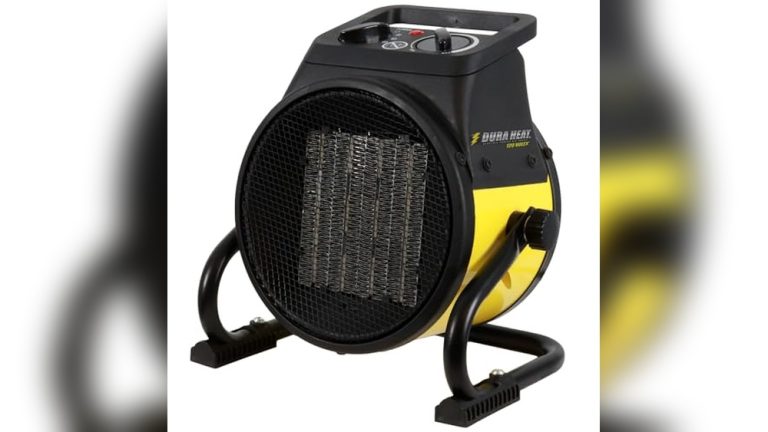
- Fan Heaters: They blow hot air fast. Perfect for quick warmth but can be noisy.
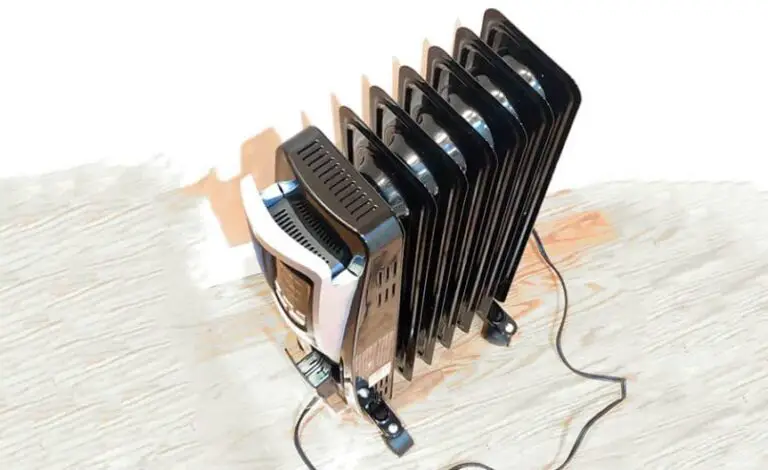
- Oil-Filled Radiators: These heat oil inside, which releases warmth slowly. They’re quiet but take longer to heat up.
For example, I used a fan heater in my bathroom. It warmed up in 5 minutes, but the noise was like a tiny jet engine!
Comparing Convector Heaters vs Electric Heater Types
Let’s break down the differences with two simple tables to help you choose.
Table 1: Convector Heaters vs Other Electric Heaters
| Feature | Convector Heater | Radiant Heater | Fan Heater | Oil-Filled Radiator |
|---|---|---|---|---|
| Heat Speed | Medium (10-20 min) | Fast (5-10 min) | Very Fast (3-5 min) | Slow (20-30 min) |
| Room Size | Medium to Large | Small | Small to Medium | Medium to Large |
| Noise Level | Quiet (or silent) | Silent | Noisy | Silent |
| Energy Use | Moderate (1-2 kW) | Moderate (1-1.5 kW) | High (1.5-2 kW) | Moderate (1-2 kW) |
| Cost to Run (1 hr) | ~$0.26 (at 25.73¢/kWh) | ~$0.26 | ~$0.39 | ~$0.26 |
Caption: Comparing key features of convector heaters vs electric heater types for a 1,500W model at 25.73¢/kWh (2025 US average).
Table 2: Best Uses for Each Heater
| Heater Type | Best For | Not Great For |
|---|---|---|
| Convector Heater | Living rooms, offices | Tiny spaces, quick bursts |
| Radiant Heater | Small desks, spot heating | Large rooms |
| Fan Heater | Bathrooms, small rooms | Quiet spaces |
| Oil-Filled Radiator | Bedrooms, long-term heating | Fast heating needs |
Caption: Matching heater types to your space and needs.
Benefits and Drawbacks
Convector Heaters
Benefits: Even heating, quiet, energy-efficient for larger rooms. Many have thermostats to save power.
Drawbacks: Slower to heat than fan heaters. Not ideal for tiny spaces
Other Electric Heaters
Benefits: Radiant heaters are great for spot heating. Fan heaters are fast and cheap. Oil-filled radiators keep heat longer.
Drawbacks: Radiant heaters don’t heat big rooms well. Fan heaters are noisy. Oil-filled radiators are slow and bulky.
My Top Tips for Choosing and Using Heaters
Here are three tips from my heater adventures:
- Check Wattage: A 1,500W heater is enough for most rooms. Higher watts mean higher bills!
- Use a Timer: Set a timer to turn off the heater when you don’t need it. Saves money!
- Keep It Clear: Don’t put clothes or blankets on heaters. It’s a fire risk.
Safety Tip: Always unplug heaters when not in use. I once left a fan heater plugged in, and my cat knocked it over—yikes!
Common Mistakes to Avoid
- Buying the Wrong Size: A tiny heater won’t warm a big room. Check square footage on the box.
- Ignoring Thermostats: Heaters with thermostats save energy. Don’t skip this feature!
- Blocking Airflow: Keep space around heaters for safety and better heating.
Visual Ideas for Better Understanding
To make this easier, here are visual ideas (not included):
- Diagram 1: A simple sketch showing how convector heaters circulate air vs radiant heaters warming objects.
- Diagram 2: A room layout with ideal heater placement (e.g., convector in a corner, radiant near a desk).
- Chart 3: A bar graph comparing heat-up times for each heater type.

Cost-Saving Ideas
- Use in One Room: Heat only the room you’re in, not the whole house. Saves big on bills!
- Shop Smart: Check sales on sites like Energy Star for efficient models.
- Insulate: Add weather stripping to windows. It keeps heat in, so your heater works less.
My Personal Heater Story
When I moved to a chilly Chicago apartment, I bought a cheap fan heater. It was fast but so loud I couldn’t hear my TV! Then I tried a convector heater. It was quieter and warmed my whole living room. Now, I use a convector for daily use and a small radiant heater when I’m at my desk. It’s like having a warm hug on demand!
Frequently Asked Questions
What’s the Difference Between Convector and Electric Heaters?
Convector heaters are a type of electric heater that warm air and circulate it. Other electric heaters, like radiant or fan heaters, heat objects directly or blow hot air. Convector heaters are best for even, whole-room heating.
Are Convector Heaters Cheaper to Run?
Convector heaters cost about 26¢ per hour for a 1,500W model at 25.73¢/kWh. They’re cheaper than fan heaters but similar to radiant or oil-filled radiators. Thermostats help save energy.
Can I Use a Convector Heater in a Small Room?
Yes, but they’re better for medium to large rooms. For small spaces, a radiant or fan heater might be more efficient since they heat faster.
Are Electric Heaters Safe?
Most electric heaters are safe with features like tip-over switches and overheat protection. Always keep them clear of objects and unplug when not in use.
How Do I Choose the Right Heater?
Think about room size, noise, and speed. Convector heaters are great for quiet, even heating. Radiant heaters work for spot heating, and fan heaters are fast but noisy.
Do Convector Heaters Dry Out the Air?
Yes, they can make air feel dry, like most electric heaters. A humidifier helps, especially in winter. Oil-filled radiators dry air less but heat slower.
Where Can I Buy a Good Heater?
Check trusted sites like Home Depot or Consumer Reports for reviews. Look for energy-efficient models with safety features.
Conclusion
Choosing between convector heaters vs electric heater types is easier when you know your needs. Convector heaters are champs for even, quiet warmth in bigger rooms. Radiant heaters are great for quick spot heating, while fan heaters are fast but noisy. Try placing a convector in your living room or a radiant heater by your desk—it’s a game-changer! Share your heater tips or ask questions below. Stay warm and cozy!