Aircon vs Electric Heater: Which Is Right for Your Home?
Hey there! If you’re sitting at home wondering how to keep your space cozy in winter or cool in summer, you’ve probably thought about air conditioners and electric heaters. I’ve been there too, flipping through options, trying to figure out what’s best for my home. It’s not just about comfort—it’s about saving money, staying energy-efficient, and picking something that fits your lifestyle. Today, I’m diving deep into the “aircon vs electric heater” debate to help you decide which one suits your needs. I’ve explored both options, weighed their pros and cons, and I’m excited to share what I’ve learned. Let’s break it down together, so you can make the best choice for your home!
What Is an Air Conditioner and How Does It Work?
Let’s start with air conditioners, or aircons, as they’re often called. I remember the first time I got an aircon installed in my home—it was a game-changer during those scorching summer days. An air conditioner cools your space by pulling warm air from your room, removing the heat, and blowing cool air back in. It’s like having a mini fridge for your entire house! The system uses a refrigerant that absorbs heat and releases it outside. Most modern aircons also dehumidify the air, making your home feel less sticky.
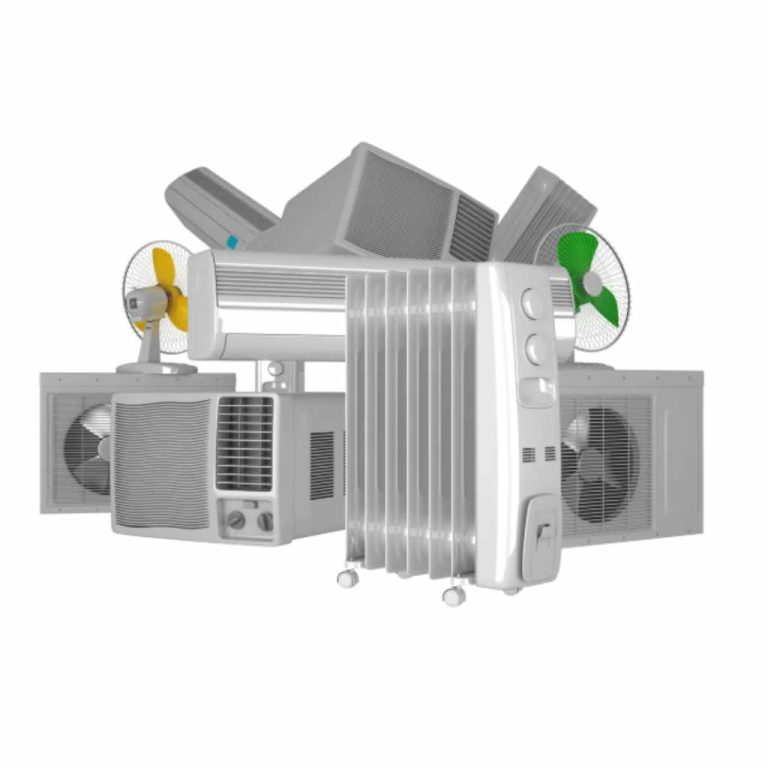
Aircons come in different types: window units, split systems, portable units, and central air systems. Each has its perks. For example, I used a portable aircon in my small apartment before upgrading to a split system for better efficiency. Aircons are amazing for cooling, but some models also have a heating function, which makes them versatile. However, they’re not always the best for heating, and that’s where electric heaters come in. Let’s talk about those next.
What Is an Electric Heater and How Does It Work?
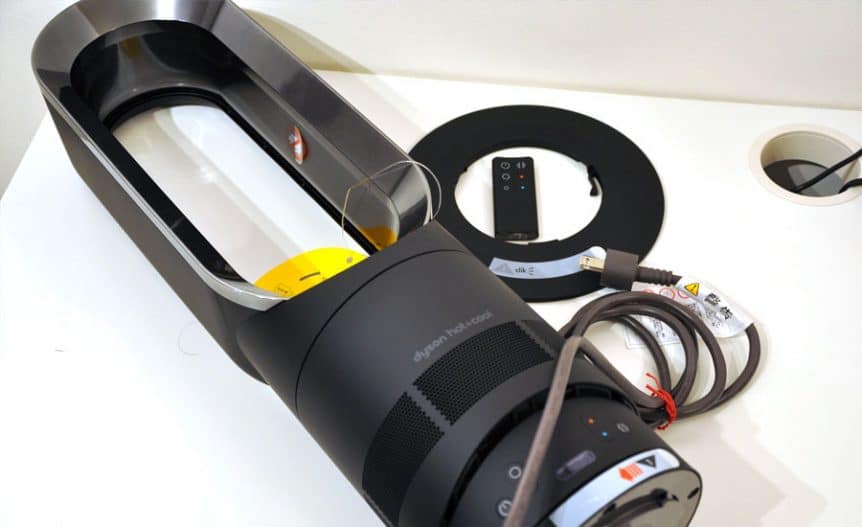
Electric heaters are my go-to when the winter chill hits. I’ve used a few over the years, from small space heaters to larger ones for my living room. These devices work by converting electricity into heat. They use elements like metal coils or ceramic plates that heat up when electricity passes through them. A fan or natural convection then spreads the warm air around your room.
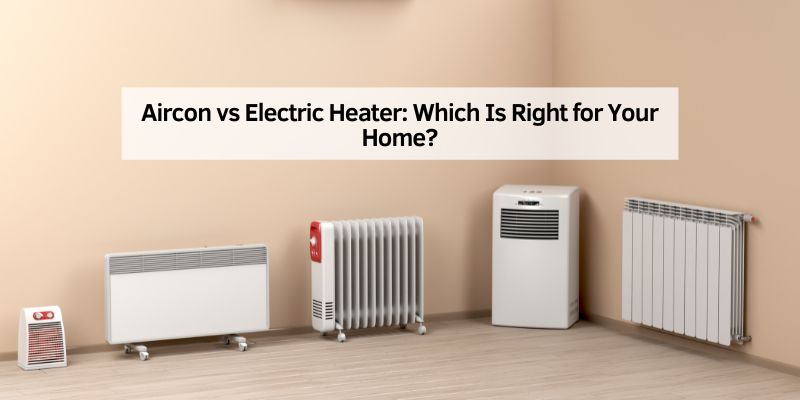
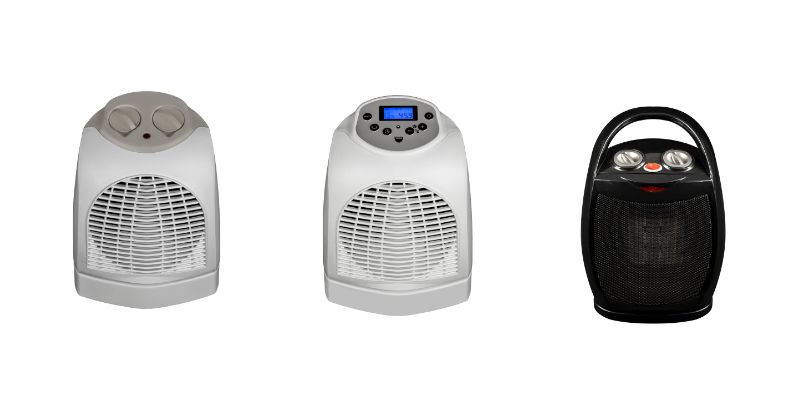
There are several types of electric heaters: fan heaters, ceramic heaters, oil-filled radiators, and infrared heaters. Each has a unique way of warming your space. For instance, I love my ceramic heater for quick warmth in my bedroom, but my oil-filled radiator is perfect for keeping the living room cozy for hours. Electric heaters are simple to use—just plug them in, and you’re good to go. But how do they stack up against aircons? Let’s dive into the key differences.

Key Differences Between Aircon and Electric Heater
When I was choosing between an aircon and an electric heater, I found it helpful to compare them side by side. Both have their strengths, but they serve different purposes. Here’s a breakdown of the main differences:
| Feature | Air Conditioner | Electric Heater |
|---|---|---|
| Primary Function | Cools (some models heat) | Heats only |
| Seasonal Use | Best for summer, some models for winter | Best for winter |
| Energy Efficiency | Varies (look for high SEER ratings) | Varies (ceramic and infrared are efficient) |
| Installation | Often requires professional installation | Plug-and-play, no installation needed |
| Cost Upfront | Higher (especially for central or split systems) | Lower (portable units are budget-friendly) |
| Portability | Limited (portable units exist but bulky) | Highly portable (especially space heaters) |
| Maintenance | Regular filter cleaning and servicing | Minimal maintenance |
Aircons are fantastic for cooling and can be a lifesaver in hot climates. Some models, like reverse-cycle aircons, can also heat your home. But they’re pricier upfront and often need professional installation. Electric heaters, on the other hand, are affordable and easy to use. I’ve moved my space heater from room to room without any hassle. However, they’re only good for heating, so they’re less versatile. Let’s explore the pros and cons of each to get a clearer picture.
Pros and Cons of Air Conditioners
I’ve had my fair share of experiences with aircons, and they’re not perfect. Here’s what I’ve found:
Pros
- Cooling Powerhouse: Aircons are unbeatable for cooling large spaces. My split system keeps my entire living room comfortable even on the hottest days.
- Versatility: Many aircons, like reverse-cycle models, can heat and cool. This makes them a year-round solution.
- Dehumidification: They reduce humidity, which is a blessing in muggy climates.
- Air Quality: Some units have filters that trap dust and allergens, improving indoor air quality.
Cons
- High Initial Cost: Installing a central or split aircon can cost thousands. I remember saving up for months to afford mine.
- Energy Usage: Aircons can be power-hungry, especially older models. My electricity bill spiked until I upgraded to a high-efficiency unit.
- Installation Hassle: Unless you go for a portable unit, installation can be a pain. I had to hire a pro to set up my split system.
- Maintenance: Filters need regular cleaning, and you might need annual servicing to keep it running smoothly.
Aircons are great if you need a dual-purpose system or live in a hot climate. But if you’re only worried about staying warm, electric heaters might be a better fit. Let’s look at their pros and cons.
Pros and Cons of Electric Heaters
I’ve relied on electric heaters for years, especially in rentals where I couldn’t install an aircon. Here’s what I love and don’t love about them:
Pros
- Affordable Upfront: You can grab a decent space heater for under $50. I bought my first one on a tight budget, and it worked like a charm.
- Portable: Most electric heaters are lightweight and easy to move. I carry mine from my bedroom to my home office without breaking a sweat.
- Quick Heating: They warm up a room fast. My ceramic heater makes my space cozy in minutes.
- Low Maintenance: Unlike aircons, they don’t need much upkeep. I just dust mine occasionally.
Cons
- Heating Only: Electric heaters can’t cool your space, so they’re useless in summer.
- Limited Range: They’re best for small spaces. I tried using a space heater in my open-plan living area, and it struggled to keep up.
- Energy Costs: Running a heater for hours can add up. I noticed a jump in my bill during a cold snap.
- Safety Concerns: Some heaters get hot to the touch. I always make Begin sure mine has a tip-over switch for safety.
Electric heaters are perfect for quick, affordable warmth, but they’re not a one-size-fits-all solution. Next, let’s talk about energy efficiency, because that’s a big factor for me and probably for you too.
Energy Efficiency: Which One Saves More?
When I started comparing aircons and electric heaters, energy efficiency was a huge concern. I didn’t want my utility bills to skyrocket. Air conditioners, especially newer models, are rated by their Seasonal Energy Efficiency Ratio (SEER). The higher the SEER, the more efficient the unit. My split system has a SEER of 18, and it’s been a game-changer for keeping costs down.
Electric heaters vary in efficiency. Ceramic and infrared heaters are generally more efficient than older fan heaters because they convert more electricity into heat. I’ve found that my oil-filled radiator uses less energy for long-term heating, but it takes longer to warm up. Here’s a quick comparison:
- Aircon: A high-efficiency reverse-cycle aircon can heat or cool using less energy than older models. For example, my unit uses about 1-2 kWh per hour for heating, depending on the settings.
- Electric Heater: A typical 1500-watt heater uses about 1.5 kWh per hour. If you run it for hours, it can add up.
To save energy, I set my aircon to a moderate temperature (around 68°F for heating) and use a timer on my electric heater. If you’re eco-conscious, look for Energy Star-certified aircons or heaters with eco modes. Let’s move on to cost, because that’s another big factor.
Cost Comparison: Upfront and Long-Term
Money talks, right? When I was choosing between an aircon and an electric heater, cost was a major deciding factor. Here’s what I’ve learned about the upfront and long-term costs:
Air Conditioners
- Upfront Cost: Window units can cost $150-$500, while split systems range from $1,000-$5,000. Central air? That’s $3,000-$10,000 with installation. I went with a split system because it was a middle ground.
- Long-Term Cost: Energy bills depend on usage and efficiency. My high-SEER aircon keeps costs manageable, but older units can be pricey to run. Maintenance (like filter cleaning or servicing) adds about $100-$200 per year.
Electric Heaters
- Upfront Cost: You can find a good space heater for $30-$150. Even high-end oil-filled radiators rarely exceed $200. I snagged my ceramic heater for $60, and it’s lasted years.
- Long-Term Cost: Electricity costs depend on how often you use it. Running a 1500-watt heater for 5 hours a day at $0.15 per kWh costs about $33 a month. No major maintenance is needed, which is a plus.
If you’re on a budget, electric heaters are easier on your wallet upfront. But if you need year-round climate control, an aircon might save you money in the long run. Let’s talk about which one suits different climates.
Which Is Better for Your Climate?
Where you live plays a big role in this decision. I’ve lived in both hot and cold climates, so I’ve seen how aircons and heaters perform in different settings.
- Hot Climates: If you’re in a place like Florida or Texas, an aircon is a must. I couldn’t survive summer without mine. A reverse-cycle aircon can also handle mild winters, so you might not need a heater at all.
- Cold Climates: In colder states like Minnesota or Maine, electric heaters shine. My space heater was a lifesaver during a freezing winter in a poorly insulated apartment.
- Mixed Climates: If you’re in a place with hot summers and cold winters (like much of the Midwest), a reverse-cycle aircon might be the best investment. I use my aircon for cooling in summer and heating in early winter, but I keep a heater for extra-cold days.
Think about your local weather. If you only need heating for a few months, a portable electric heater might be enough. But if you’re battling heat and cold year-round, an aircon could be more practical. Next, let’s look at installation and maintenance.
Installation and Maintenance Needs
I’m not a handyman, so ease of use matters to me. Here’s what I’ve experienced with installation and maintenance for both:
Air Conditioners
- Installation: Window units are DIY-friendly, but split and central systems need pros. My split system took a day to install, and I had to rearrange my schedule to be home.
- Maintenance: I clean my aircon’s filters every month to keep it running efficiently. I also schedule a professional check-up once a year, which costs about $150. Neglecting maintenance can lead to breakdowns, so I stay on top of it.
Electric Heaters
- Installation: There’s no installation! Just plug it in. I love how I can take my heater anywhere without hassle.
- Maintenance: I dust my heater occasionally and check the cord for wear. That’s it. No pricey service calls needed.
If you’re renting or don’t want to deal with installation, electric heaters are the way to go. But if you own your home and want a permanent solution, an aircon might be worth the effort. Let’s talk about safety next, because that’s super important.
Safety Considerations
Safety is a big deal, especially if you have kids or pets. I’ve had a few close calls with heaters, so here’s what I’ve learned:
- Air Conditioners: Aircons are generally safe. The main risks are improper installation (like a window unit falling) or electrical issues. I always make sure my unit is installed securely and checked by a pro.
- Electric Heaters: Heaters can get hot, posing burn or fire risks. I once left a space heater too close to a curtain—scary mistake! Now, I only buy heaters with safety features like tip-over switches and overheat protection. Never leave them unattended.
Both devices are safe if used correctly, but heaters need more caution. Always follow the manufacturer’s guidelines. Let’s wrap up with some practical tips for choosing the right option.
Tips for Choosing Between Aircon and Electric Heater
After years of using both, here are my top tips for picking the right one:
- Assess Your Needs: Do you need cooling, heating, or both? If you need both, a reverse-cycle aircon might be best. If it’s just heat, go for a heater.
- Consider Your Budget: Electric heaters are cheaper upfront, but aircons can save money long-term if you need year-round climate control.
- Check Your Space: Small rooms? A portable heater or window aircon works great. Larger spaces? Consider a split or central aircon.
- Think About Portability: If you move often or rent, electric heaters are easier to manage.
- Prioritize Efficiency: Look for high-SEER aircons or energy-efficient heaters to save on bills.
- Safety First: Choose devices with safety features, especially if you have kids or pets.
I’ve found that a combination works best for me: an aircon for summer and a heater for quick warmth in winter. Your needs might be different, so take your time to decide.
Conclusion
Choosing between an aircon and an electric heater doesn’t have to be overwhelming. I’ve been through this decision myself, and it all comes down to your needs, budget, and climate. Air conditioners are fantastic for cooling and can double as heaters in some cases, making them a versatile choice for year-round comfort. Electric heaters, on the other hand, are affordable, portable, and perfect for quick warmth in smaller spaces. Both have their strengths, and neither is inherently “better”—it’s about what fits your life.
I hope my experiences and insights have made this choice clearer for you. Whether you’re sweating through summer or shivering in winter, there’s a solution out there to keep you comfortable. Take a moment to think about your home, your budget, and your climate. Then, pick the option that feels right. You’ve got this! If you have more questions, check out the FAQs below—they cover some common concerns I’ve come across.
FAQs
Can I Use an Air Conditioner to Heat My Home?
Yes, some air conditioners, like reverse-cycle models, can heat your home. I use mine in early winter, and it works well for mild cold. However, in very low temperatures, electric heaters might be more effective.
Are Electric Heaters Safe to Run Overnight?
I’m cautious about this. Most modern heaters have safety features like overheat protection, but I never leave mine on overnight unattended. If you must, choose one with a timer and tip-over switch, and keep it away from flammable items.
Which Is Cheaper to Run: Aircon or Electric Heater?
It depends. My high-efficiency aircon is cheaper to run for long periods, especially for cooling. But for short bursts of heat in a small room, my electric heater is more cost-effective. Check your device’s wattage and local electricity rates.
Do I Need Professional Installation for an Air Conditioner?
For window or portable aircons, you can often do it yourself. But for split or central systems, I recommend a professional. My split system needed proper wiring and mounting, and I didn’t want to risk a bad setup.
Can an Electric Heater Cool a Room?
No, electric heaters are designed only for heating. If you need cooling, you’ll need an air conditioner. I learned this the hard way when I hoped my heater could “multitask” during a hot spell!