Electric vs Kerosene Heaters: Which Is Right for Your Home?
Hey there! If you’re trying to decide between electric heaters and kerosene heaters to keep your home warm, you’re in the right place. I’ve spent a lot of time researching and using both types of heaters, and I’m excited to share what I’ve learned. Choosing the right heater can make a big difference in comfort, cost, and safety. Let’s dive into the details to help you pick the best option for your needs.
Understanding Electric Heaters
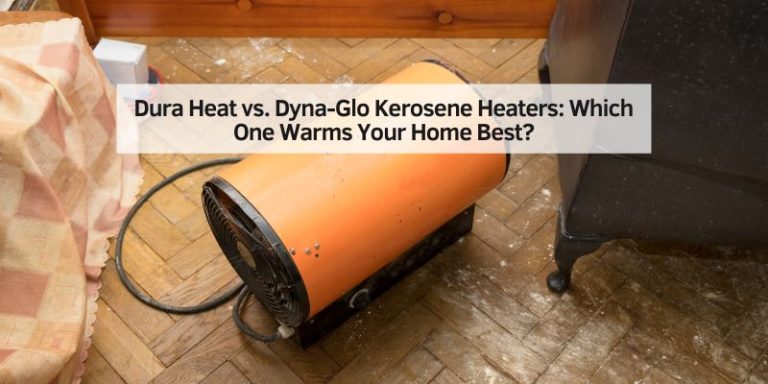
I remember the first time I plugged in an electric heater during a chilly winter night. It was so easy to use—just plug it in, flip a switch, and warm air filled the room. Electric heaters work by converting electricity into heat, usually through a heating element like a ceramic coil or metal filament. They’re super convenient, especially if you have a reliable power source.
There are a few types of electric heaters to know about. Ceramic heaters are great for quick warmth in small spaces, like a bedroom or office. Oil-filled radiators, on the other hand, take a bit longer to heat up but keep a room warm for hours. I’ve used a ceramic heater in my living room, and it’s perfect for those quick bursts of heat when I’m watching TV. Electric heaters are also portable, so you can move them from room to room without much hassle.
One thing I love about electric heaters is how clean they are. There’s no fuel to spill, no fumes to worry about, and no need to store anything messy. Plus, many modern models come with cool features like thermostats, timers, and even remote controls. But they do rely on electricity, so your power bill might creep up if you use them a lot. And if the power goes out, you’re left in the cold—literally!
Exploring Kerosene Heaters
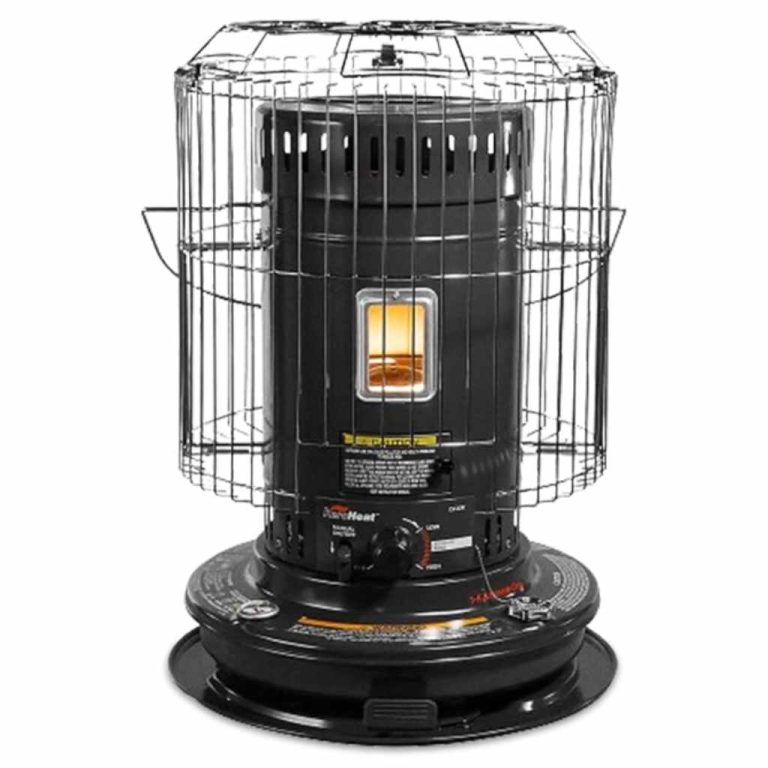
Now, let’s talk about kerosene heaters. I first saw one in action at my uncle’s cabin, where there was no electricity. That thing was a lifesaver! Kerosene heaters burn kerosene, a liquid fuel, to produce heat. They’re known for their ability to warm up large spaces quickly, like garages, workshops, or even outdoor areas.
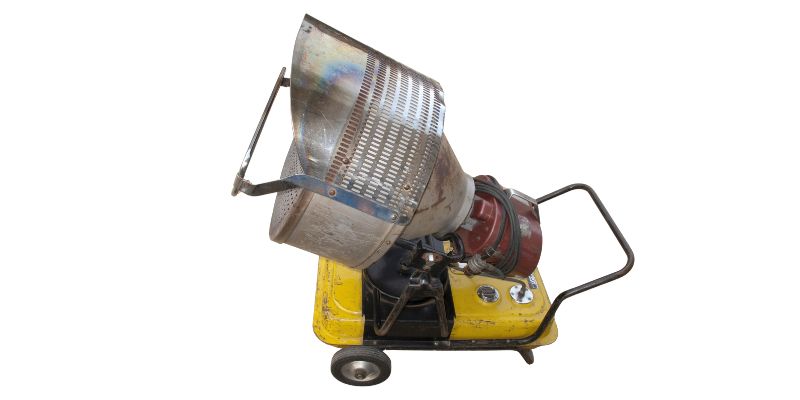
Kerosene heaters come in two main types: wick and forced-air. Wick heaters are simpler and don’t need electricity, which makes them great for off-grid situations. Forced-air kerosene heaters, though, use a fan to spread heat faster, but they need a power source for the fan. I’ve noticed that kerosene heaters can heat a room faster than most electric ones, especially in bigger spaces.
But here’s the thing: kerosene heaters require more work. You need to buy, store, and handle kerosene safely. I learned the hard way that spilling even a little kerosene can make a room smell for days. They also produce fumes, so ventilation is a must. I always crack a window when using one, just to be safe. Maintenance is another factor—you’ll need to clean the wick or burner regularly to keep it running smoothly.
Comparing Costs: Electric vs Kerosene
Let’s get to the nitty-gritty: cost. When I first started comparing electric heaters and kerosene heaters, I thought electric would be cheaper because it’s so easy to use. But it’s not that simple. The cost depends on a few things, like how often you use the heater, the price of electricity or kerosene in your area, and the size of the space you’re heating.
Electric heaters run on your home’s electricity, so your cost is tied to your electric bill. In the USA, the average cost of electricity is about 13-15 cents per kilowatt-hour. A typical 1500-watt electric heater running for 8 hours a day could add $1.50-$2 to your daily bill. Over a month, that’s $45-$60. Ouch! But if you’re only heating a small room for a few hours, the cost stays manageable.
Kerosene heaters, on the other hand, depend on the price of kerosene, which varies but is usually around $3-$5 per gallon in the USA. A standard kerosene heater burns about 0.1 to 0.2 gallons per hour. If you run it for 8 hours, you’re using about 1 gallon, so that’s $3-$5 a day. Over a month, you’re looking at $90-$150 for fuel alone, plus the upfront cost of the heater. But if you’re heating a large space, kerosene can be more cost-effective than running multiple electric heaters.
Here’s a quick comparison table to break it down:
| Feature | Electric Heater | Kerosene Heater |
|---|---|---|
| Upfront Cost | $20-$200 (varies by type and features) | $100-$500 (depends on size and type) |
| Fuel Cost | $0.19-$0.30/hour (1500W at 13-15¢/kWh) | $0.30-$1/hour (0.1-0.2 gal at $3-$5/gal) |
| Best For | Small rooms, homes with electricity | Large spaces, off-grid or emergency use |
| Maintenance | Minimal, occasional dusting | Regular wick cleaning, fuel storage |
| Portability | Very portable, lightweight | Less portable, heavier with fuel |
Safety First: What You Need to Know
Safety is a big deal when choosing a heater. I’ve had moments where I worried about leaving a heater on too long, so let’s talk about how electric heaters and kerosene heaters stack up.
Electric heaters are generally safer because they don’t involve open flames or fuel. Most modern models have safety features like tip-over protection and automatic shut-off if they overheat. I once knocked over my ceramic heater, and it turned off instantly—such a relief! But you still need to be careful. Don’t plug an electric heater into an extension cord, as it can overheat and cause a fire. And keep it away from curtains or anything flammable.
Kerosene heaters require more caution. They produce carbon monoxide, a dangerous gas you can’t see or smell. I always use a carbon monoxide detector when running a kerosene heater, and I suggest you do too. Ventilation is critical—never use one in a closed room. Also, refueling can be risky. I learned to always let the heater cool down completely before adding more kerosene to avoid burns or spills. And store kerosene in a proper container, away from heat sources.
Efficiency and Performance
When it comes to efficiency, I’ve found that both heaters have their strengths. Electric heaters are nearly 100% efficient at converting energy into heat because there’s no combustion involved. All the electricity goes straight to warming your space. But they struggle to heat large areas quickly, so you might need multiple units for a big room, which drives up costs.
Kerosene heaters are less efficient in terms of energy conversion—some heat is lost in the combustion process. But they’re powerful. I used a kerosene heater in a drafty garage, and it warmed the whole space in under 20 minutes. They’re great for big, open areas or places with poor insulation. Just keep in mind that you’re burning fuel, so you’ll need to refill often if you use it a lot.
Environmental Impact
I care about the planet, so I always think about the environmental impact of my choices. Electric heaters are cleaner at the point of use—no fumes, no emissions. But the electricity has to come from somewhere, and in the USA, a lot of it still comes from coal or gas power plants. So, your electric heater might indirectly contribute to emissions, depending on your local power grid.
Kerosene heaters burn fossil fuels directly, so they produce carbon dioxide and other pollutants. If you’re eco-conscious, this might be a downside. I try to use kerosene sparingly and only when I really need it, like during a power outage. If you’re in an area with renewable energy, an electric heater might be the greener choice.
Portability and Ease of Use
I love how easy electric heaters are to move around. Most are lightweight, and you just plug them in wherever you need heat. I’ve carried mine from my bedroom to my home office without breaking a sweat. The only limit is finding an outlet.
Kerosene heaters are heavier, especially with a full tank of fuel. Moving one around isn’t as simple, and you need a safe place to store the kerosene. Plus, refilling and lighting the heater takes a bit of effort. I usually keep my kerosene heater in one spot, like the garage, to avoid the hassle.
Best Use Cases
So, which heater is right for you? It depends on your situation. I use my electric heater when I’m working from home or relaxing in a small room. It’s perfect for daily use in a modern home with reliable electricity. If you live in an apartment or a house with good insulation, an electric heater is probably your best bet.
Kerosene heaters shine in specific scenarios. I rely on mine during power outages or when I’m working in a large, unheated space like a barn or workshop. They’re also great for emergency heat, like during a winter storm when the power goes out. If you live off-grid or in a rural area, a kerosene heater might be your go-to.
Maintenance and Longevity
Maintaining a heater is key to making it last. Electric heaters are low-maintenance. I just dust mine off now and then and make sure the cord isn’t frayed. With proper care, they can last for years. I’ve had one for over five years, and it’s still going strong.
Kerosene heaters need more attention. You’ll have to clean or replace the wick regularly, and the burner can get clogged if you use low-quality kerosene. I made that mistake once, and it was a pain to clean up. Store your kerosene properly to avoid contamination, and your heater could last a decade or more.
My Final Thoughts
After using both electric heaters and kerosene heaters, I can say they both have their place. Electric heaters are my go-to for everyday use because they’re safe, easy, and clean. But when I need serious heat in a big space or during a power outage, my kerosene heater is a champ. Think about your home, your budget, and how you’ll use the heater. If you want convenience and safety, go electric. If you need power and portability in tough conditions, kerosene is the way to go. Whatever you choose, stay safe and keep warm!
FAQs
Are electric heaters cheaper to run than kerosene heaters?
It depends on your usage and local prices. Electric heaters cost about $0.19-$0.30 per hour based on average USA electricity rates. Kerosene heaters might cost $0.30-$1 per hour, depending on kerosene prices. For small spaces, electric is often cheaper, but kerosene can be more cost-effective for large areas.
Can I use a kerosene heater indoors?
Yes, but you need proper ventilation. Kerosene heaters produce carbon monoxide, so always use them with a window cracked and a carbon monoxide detector nearby. Never leave them unattended.
Do electric heaters work during a power outage?
No, electric heaters need electricity to run. If you live in an area with frequent outages, a kerosene heater is a better backup option.
How often do I need to maintain a kerosene heater?
You should clean or replace the wick every few months, depending on use. Check the burner regularly and use high-quality kerosene to avoid clogs. Electric heaters need minimal maintenance, just occasional dusting.
Which heater is better for the environment?
Electric heaters are cleaner at the point of use, but their environmental impact depends on your local power grid. Kerosene heaters produce direct emissions, so they’re less eco-friendly unless you’re using them sparingly.