Are All Fish Tank Heaters Submersible? Uncover the Truth
Are you new to the world of fishkeeping, or perhaps a seasoned aquarist looking to upgrade your aquarium setup? Either way, you’ve probably asked yourself, “Are all fish tank heaters submersible?”
This seemingly simple question can lead you down a rabbit hole of options and features that might leave you scratching your head. But don’t worry, you’re not alone. Many people are unsure about the different types of fish tank heaters and which one is right for their aquarium.
Imagine having a perfectly balanced aquatic environment where your fish thrive, their vibrant colors popping against a backdrop of lush, green plants. The secret to this underwater harmony often lies in choosing the right equipment, starting with your fish tank heater. Selecting the wrong type could spell trouble for your aquatic friends, but choosing wisely can mean the difference between a thriving tank and one that’s struggling to maintain balance. You’ll discover the ins and outs of fish tank heaters, uncovering whether all are indeed submersible and what that means for your aquarium. Let’s dive in and unravel the mysteries that will help you create the ideal habitat for your underwater companions. Are you ready to transform your tank into a thriving ecosystem? Let’s get started.

Credit: www.amazon.com
Types Of Fish Tank Heaters
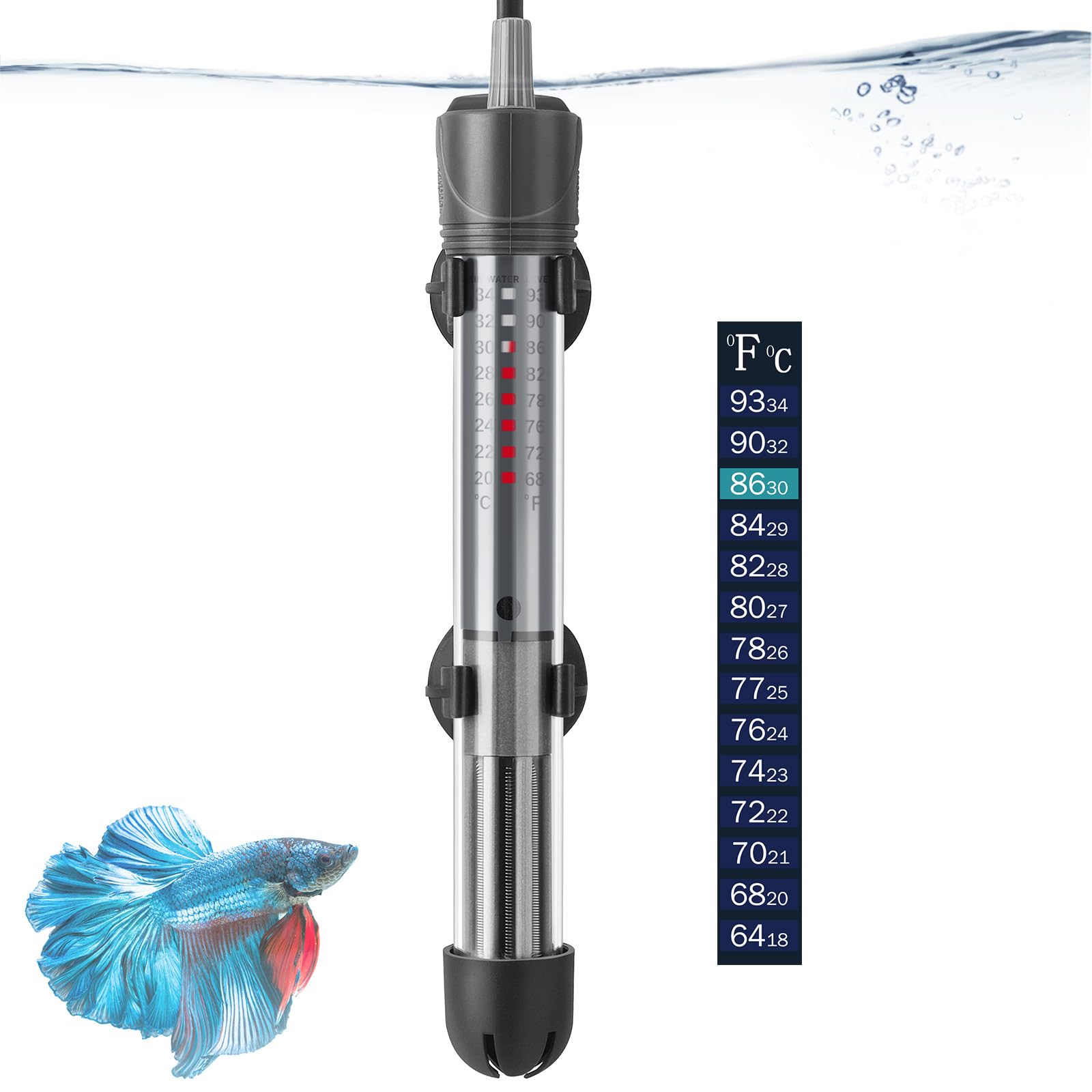
Submersible heaters go inside the water. They are easy to use. These heaters keep the water warm. Many fish need warm water. Submersible heaters are safe for fish. They stay under the water all the time. This helps keep the temperature steady.
Non-submersible heaters sit outside the tank. They warm the water from outside. These heaters are not placed in the water. Some people use them for small tanks. They are easy to clean. But, they might not heat evenly.
Immersible heaters hang on the tank’s side. Part of the heater goes in the water. They are good for many tanks. These heaters need to be partly out of the water. It’s important to check them often. Fish stay healthy with the right heat.

Credit: www.youtube.com
Features Of Submersible Heaters
Submersible heaters hide well in tanks. They offer a sleek look. Made from strong materials. Often glass or plastic. They resist heat well. Most are waterproof. This stops leaks. They have a cord. It connects to power. Easy to use and reliable.
Submersible heaters are easy to install. Place inside the tank. Attach to the side. Use suction cups. Plug into a power source. Set the temperature. It heats water evenly. A simple setup for anyone.
Safety is key. These heaters have built-in controls. Prevent overheating. Auto shut-off features. Protects fish from harm. Temperature sensors monitor heat. Alerts if too hot or cold. Peace of mind for owners.
Benefits Of Using Submersible Heaters
Submersible heaterswarm water evenly. No cold spots in the tank. Fish feel comfortable. Happy fish swim freely. Temperature stays stable. Easy to adjust settings. Water heats quickly. No waiting for warmth.
Submersible heaters fit inside tanks. They take up little space. More room for fish. No clutter outside the tank. Safe from accidental knocks. Easy to hide from view. Fish move freely without obstacles.
Place heaters where you want. Near bottom, top, or middle. Flexible positioning options. Safe for glass tanks. Great for acrylic tanks too. Easy to install and adjust. Works in big and small tanks.
Limitations Of Submersible Heaters
Submersible heaters can cause electric shocks
Heaters might also overheat. Overheating can kill fish. It’s important to check them often. Make sure they work properly. Faulty heaters can be risky. They might cause fires. Always be cautious with heaters.
Cleaning submersible heaters can be tricky. They need regular care. Algae can build up on them. This makes them less effective. You should clean them often. Keep them in good condition.
Replacing them can be hard. They can be stuck inside tanks. Removing them can disturb fish. Also, they need proper setup. Incorrect setup can harm fish. Always follow instructions carefully.
Comparing Submersible And Non-submersible Heaters
Submersible heaters heat the water evenly. They sit inside the tank. Non-submersible heaters stay outside the tank. They may heat less evenly. Submersible heaters are often more efficient. They can be more reliable. Non-submersible heaters may need more monitoring. Both have pros and cons. Choose based on your needs.
Submersible heaters can be more expensive. They offer advanced features. Non-submersible heaters are cheaper. They are often simpler. Budget can affect your choice. Think about long-term costs too. Some heaters may save energy. This can lower bills over time.
Some users prefer submersible heaters. They like their efficiency. Others choose non-submersible heaters. They find them easy to manage. User choice depends on experience. Beginners might choose simpler options. Experts may prefer advanced features. Always consider your comfort level.
Choosing The Right Heater For Your Tank
Fish tank heaters keep water warm. Submersible heaters go inside the tank. Hang-on heaters stay outside. Know your tank type. Some tanks need special heaters.
Smaller tanks need smaller heaters. Big tanks need bigger heaters. Measure your tank first. Check heater power. A heater’s power is in watts. More watts heat more water. Match watts to tank size.
Different fish need different temperatures. Tropical fish like warm water. Cold-water fish prefer cooler water. Read about your fish. Adjust heater to fish needs. Keep them happy and healthy.
Top Brands And Models
Aqueonand Fluvalare popular fish tank heater brands. They are known for quality and reliability. Eheimalso makes trusted submersible heaters. These brands are easy to find. Many fish owners use them with success. They are sold in many stores and online.
The Aqueon Proand Fluval E Seriesare top models. They have adjustable temperature settings. The Eheim Jageris another favorite. It is durable and precise. These models are great for beginners. They are easy to use and set up. Fish stay comfortable with these heaters.
Buyers like the ease of useof these heaters. Many say they are reliableand last long. Some customers report quick heating. Others mention consistent temperaturesfor their fish. Reviews often praise their build quality. Many find them worth the price. They offer peace of mind for fish owners.
Installation And Maintenance Tips
Always read the heater’s manual before starting. Place the heater near a spot with good water flow. This helps in even heating of the tank. Do not plug it in until it’s fully submerged. Use a thermometer to check the water temperature. Adjust the heater if needed. Secure the heater with suction cups if it has them. Ensure it’s not touching the tank’s decorations.
Check the heater every week. Look for signs of wear or damage. Clean the heater with a soft cloth to remove dirt. Inspect the cord for any tears or cracks. Replace the heater if it’s not working well. Always unplug it before cleaning. Keep the heater away from direct sunlight.
Is the water too cold? Check if the heater is plugged in. Adjust the setting and wait for some time. Still too cold? The heater might be broken. Sometimes, the thermostat fails. Try resetting it. If the heater makes noise, it might have air trapped. Re-submerge it to fix this. If problems persist, contact the manufacturer.

Credit: www.ebay.com
Frequently Asked Questions
Are All Fish Tank Heaters Safe To Submerge?
Not all fish tank heaters are safe to submerge. Some heaters are partially submersible, while others are fully submersible. It’s crucial to check the manufacturer’s guidelines before submerging any heater. Submersible heaters are designed to be fully immersed in water, ensuring efficient heating and safety for aquatic life.
How Do Submersible Heaters Work In Fish Tanks?
Submersible heaters work by being fully immersed in the aquarium water. They evenly distribute heat, maintaining consistent temperatures. These heaters typically have a thermostat to regulate temperature. Submersible heaters are efficient and help maintain a stable environment for fish, promoting their health and well-being.
What Are Benefits Of Using Submersible Heaters?
Submersible heaters offer several benefits for fish tanks. They provide consistent and even heat distribution. These heaters help maintain optimal water temperature, promoting a healthy environment for aquatic life. Additionally, they are easy to install and require minimal maintenance, making them a popular choice for aquarium enthusiasts.
How To Choose The Right Fish Tank Heater?
Choosing the right fish tank heater depends on tank size and type of fish. Consider wattage, heater type, and temperature settings. Submersible heaters are ideal for most aquariums. Ensure the heater is suitable for your specific fish tank requirements for optimal performance and safety.
Conclusion
Not all fish tank heaters are submersible. Some need careful handling. Check your heater type before use. Submersible heaters are popular for their ease. They provide even heating. Non-submersible heaters can be tricky. Always follow the manufacturer’s instructions. Safety should be your priority.
Proper heater choice ensures healthy fish. Understand your tank’s needs. Choose wisely for a thriving aquarium. Enjoy a balanced aquatic environment. Your fish will thank you.