Are All Aquarium Tank Heaters Submersible? Discover Now
Ever found yourself puzzled while trying to choose the right heater for your aquarium? You’re not alone.
The question of whether all aquarium tank heaters are submersible is one that many fish enthusiasts grapple with. As someone who cares deeply about the health and comfort of your aquatic friends, you want to ensure you’re making the best choice.
After all, the well-being of your fish depends on it. Imagine the peace of mind you’ll have knowing your heater is perfectly suited to your tank. Stick around, because by the end of this article, you’ll have a crystal-clear understanding of aquarium heaters and which type is ideal for your underwater haven.
Types Of Aquarium Heaters
Submersible heaters sit inside the water. They are fully waterproof. These heaters are popular because they are easy to hide. You can place them at the bottom of the tank. Many fish owners like them. They heat the water evenly. Safety is important. Always check for cracks or damage.
Immersible heaters hang on the side of the tank. Only part of them goes in the water. They are less expensive. But they can break easily. Water can damage them if not careful. Always keep the plug dry. They are not as safe as submersible heaters.
In-line heaters are outside the tank. They connect to the filter. Water passes through them and gets warm. These heaters are perfect for larger tanks. They do not take up space inside the tank. Fish have more room to swim. They are more expensive than others.
Substrate heaters are placed under the gravel. They are thin wires or pads. They warm the tank floor. This helps plants grow well. These heaters are good for planted tanks. They do not heat the water directly. But they keep the roots warm.

Credit: www.ebay.com
Features Of Submersible Heaters
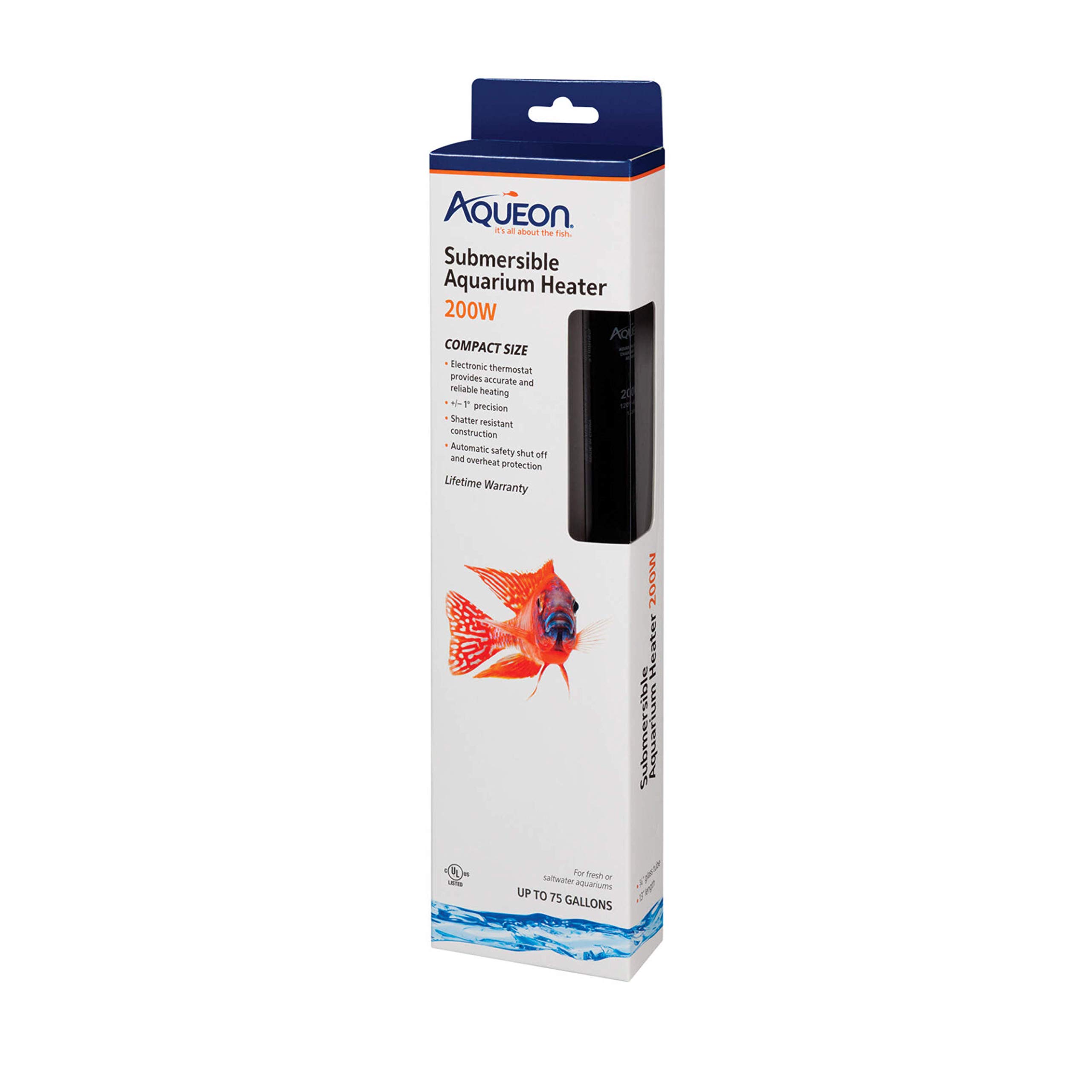
Submersible heaters are designed to be fully immersed in water, ensuring even heat distribution. They feature waterproof seals and adjustable temperature settings, making them ideal for maintaining a stable aquarium environment. Not all aquarium heaters are submersible, so it’s important to check specifications before purchase.
Design And Functionality
Submersible heaters are designed to be placed inside the aquarium. They are fully waterproof. This design helps in even heat distribution. The heater warms the water directly. Most models have a thermostat for temperature control. Some have a protective casing to prevent damage. These heaters are usually compact and easy to hide.
Installation Process
Installing a submersible heater is simple. Place the heater inside the tank. Ensure it is fully submerged. Secure it with suction cups or brackets. Check the heater’s position regularly. Adjust the thermostat to the desired temperature. Monitor the water temperature to ensure safety.
Pros And Cons
- Pros:Efficient heating, easy installation, compact design.
- Cons:Can break if not handled carefully, might affect aesthetics.
Identifying Submersible Heaters
Labels on aquarium heaters often tell if they are submersible. Check for words like “Fully Submersible” on the box. This tells you it can go underwater. Look for the waterproof symboltoo. It helps in knowing the heater’s capability.
Manufacturers give guidelines in the instructions. Read them carefully. They include important safety tips. Also, the guidelines will tell you the right way to use the heater. Always follow what the maker says. This ensures safety and efficiency.
Benefits Of Submersible Heaters
Even heat distributionis a key benefit. Submersible heaters spread warmth evenly. This keeps fish happy and healthy. No cold spots in the tank. Fish swim comfortably in every part.
Space efficiencyis another advantage. These heaters fit snugly in tanks. They don’t take up much room. More space for plants and fish. Your aquarium looks neat and tidy.
Enjoy safety featuresthat protect your fish. Many submersible heaters have safety shut-offs. They turn off if they get too hot. This keeps the tank safe for everyone.
Potential Drawbacks
Not all aquarium heaters are submersible, which can lead to potential safety issues. Non-submersible heaters may risk overheating or breaking when submerged. Always check the specifications before use to ensure compatibility with your aquarium.
Risk Of Electrical Hazards
Electricity and watercan be a dangerous mix. Some tank heaters may not be fully submersible. This increases the risk of electrical accidents. Water can seep into non-submersible parts. This can cause serious problems. Safety precautionsare vital. Always check if your heater is designed for underwater use. Look for any signs of damage before use. Safety should always come first.
Maintenance Challenges
Aquarium heaters need care. Dirt and minerals can build up over time. This can reduce the heater’s efficiency. Regular cleaning is important. It helps the heater work well. Submersible heatersmay be harder to clean. They can be hidden under rocks or plants. Take extra care when cleaning. Follow the instructions carefully.
Choosing The Right Heater
The size of your aquarium matters a lot. Bigger tanks need bigger heaters. Small tanks can use small heaters. You must know your tank’s type. Some heaters are for freshwater tanks. Others are for saltwater. Picking the right type keeps your fish happy.
Money matters when buying a heater. Some heaters are costly. Others are cheaper but might not last. Balance your budget with quality. Quality heaters save money over time. A broken heater can harm fish. So, investing wisely is crucial.
Some people like easy-to-use heaters. Others want more control. Digital heaters often have more settings. But they can be tricky. Simple heaters are easy for everyone. Choose what suits your needs best. Happy fish mean happy owners.
Installation Tips
Always place the heater near the filter. This helps distribute heat. Avoid placing it in corners. It might not heat the tank evenly. Keep it away from decorations. This ensures water can flow around it. Use suction cups to hold it in place. Make sure it’s fully submersed.
Turn off the heater when installing. This prevents electric shocks. Check for cracks or damages. A broken heater can be dangerous. Use a thermometer to check temperature. Make sure the heater is made for your tank size. It should fit your tank’s water volume.
Regularly check the water temperature. Keep it stable for fish health. Use a separate thermometer for accuracy. Adjust the heater if needed. Sudden changes can stress fish. Observe fish behavior. They can indicate temperature issues.

Credit: www.walmart.com
Troubleshooting Common Issues
Some aquarium heaters stop working. This can be frustrating. Check the power supply first. Sometimes, the plug is loose. Look at the heater’s settings. Make sure the temperature is right. If it is broken, you might need a new one.
Temperature can go up and down. Fish need steady temperatures. Check the heater’s wattage. It should match the tank size. Use a thermometer to watch the temperature. This helps keep your fish safe.
Water and electricity can be dangerous. Check for frayed wires. This is important. Unplug the heater before touching it. Water should not touch the plug. Safety first!

Credit: www.amazon.com
Frequently Asked Questions
Can All Aquarium Heaters Be Submerged?
Not all aquarium heaters are submersible. Submersible heaters are designed to be fully immersed in water. However, some heaters are only partially submersible. Always check the manufacturer’s instructions to ensure proper usage. Submersible heaters offer even heating, but partial heaters must be positioned correctly for safety.
What Types Of Aquarium Heaters Are There?
Aquarium heaters come in various types: submersible, in-line, substrate, and hanging. Submersible heaters are fully immersed. In-line heaters are installed outside the tank. Substrate heaters are buried under the gravel. Hanging heaters are partially submerged. Each type suits different tank setups and preferences.
Are Submersible Heaters Safer For Fish?
Submersible heaters are generally safe for fish when used correctly. They provide consistent heating and are often preferred for larger tanks. Proper installation and maintenance are crucial to avoid overheating or malfunctions. Always follow safety guidelines and monitor the temperature to ensure fish health.
How Do I Choose A Heater For My Tank?
Choosing a heater depends on your tank size and setup. Submersible heaters work well for most tanks. In-line heaters are great for larger systems. Consider the tank’s volume, water flow, and fish species. Research the heater’s features, reviews, and energy efficiency before purchasing.
Conclusion
Choosing the right heater for your aquarium is crucial. Not all heaters are submersible. Check the product label carefully. Submersible heaters work underwater. Non-submersible ones must stay dry. Understand your tank’s needs before buying. Safety is key. Ensure your fish thrive with the right heater.
Consider the size of your aquarium. Larger tanks may need more power. Always read user reviews. They offer real-life insights. Make informed decisions. Keep your aquarium environment stable. Happy fish mean a happy aquarium. Your choice impacts your aquatic friends.
Be mindful and attentive. Your fish depend on you.