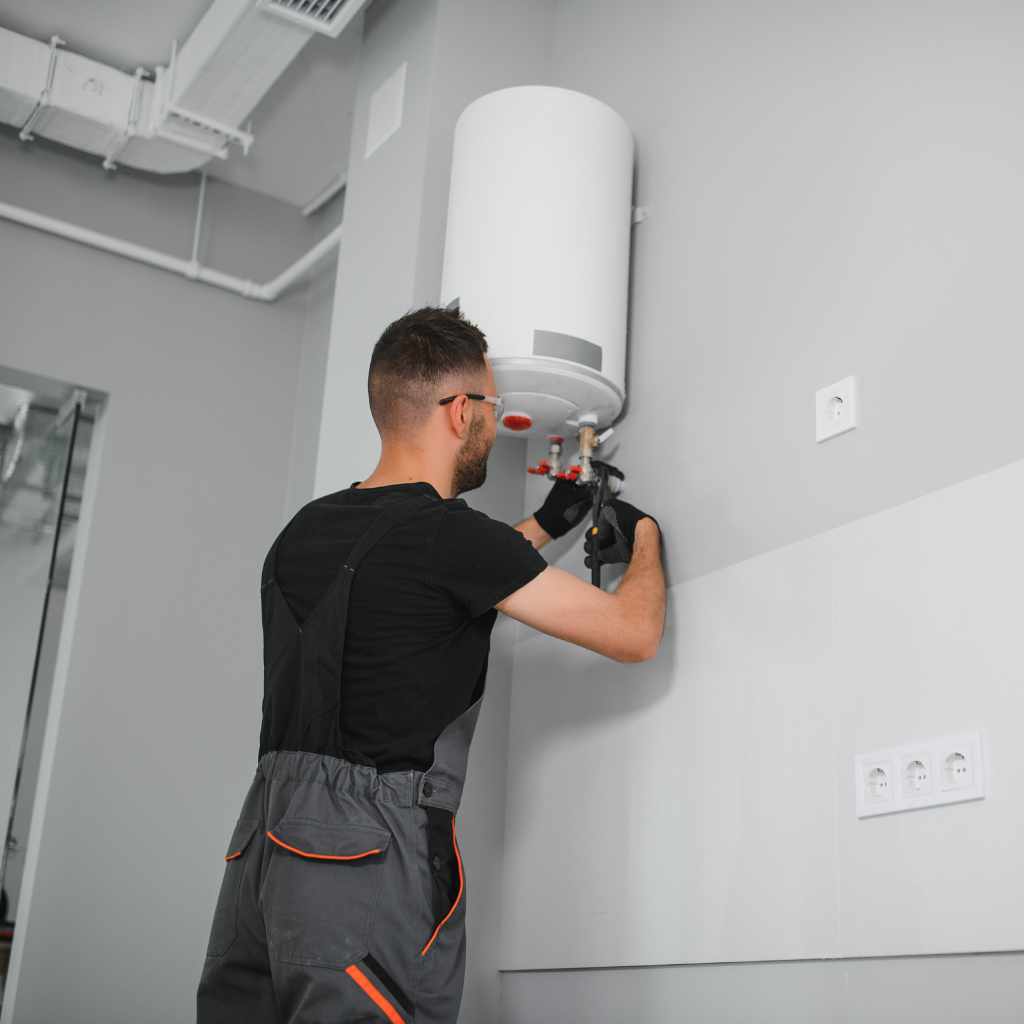
Are Boiler Heaters Good: Expert Insights You Need to Know
Are you wondering if a boiler heater is the right choice for your home or business? You’re not alone.
Choosing the best heating system can be confusing, especially with so many options available. But what if there was a heating solution that not only keeps your space warm but also saves you money and energy? You’ll discover the real benefits and potential downsides of boiler heaters.
By the end, you’ll know exactly if a boiler heater fits your needs and how it can improve your comfort. Keep reading to make a smart, confident decision about your heating system.
Benefits Of Boiler Heaters
Boiler heaters offer many benefits for heating homes and buildings. They provide a reliable and efficient way to keep spaces warm. Understanding these benefits helps in choosing the right heating system.
Boilers work by heating water and then distributing the heat throughout the space. This method brings several advantages that make boilers a popular choice.
Energy Efficiency
Boiler heaters use less fuel to produce heat compared to other systems. They convert energy into heat very effectively. This helps reduce energy bills and saves money over time. Efficient boilers also lower the impact on the environment.
Consistent Heat Distribution
Boilers provide even heat across all rooms. The warm water flows through pipes and radiators smoothly. This avoids cold spots and keeps the whole area comfortable. Consistent heat improves the overall comfort of your home.
Longevity And Durability
Boiler heaters last many years with proper care. They are built from strong materials that resist wear and tear. Regular maintenance can extend their life even more. A durable boiler means fewer repairs and less hassle.
Common Types Of Boiler Heaters
Boiler heaters come in several types, each suited for different needs and spaces. Knowing the common types helps choose the right one for your home or business. This section explains the three main types of boiler heaters and their key features.
Electric Boilers
Electric boilers use electricity to heat water. They are compact and easy to install. These boilers produce no smoke or fumes. They work well in small spaces and homes without gas lines. Electric boilers are quiet and require less maintenance. Their efficiency is high, saving energy and reducing bills.
Gas-fired Boilers
Gas-fired boilers burn natural gas to heat water. They are popular in many homes and buildings. These boilers heat up water quickly and provide strong heat output. Gas boilers need a gas supply and proper ventilation. They are cost-effective and commonly used in colder regions. Regular checks keep them safe and efficient.
Oil-fired Boilers
Oil-fired boilers use heating oil to warm water. They are common in areas without gas access. These boilers offer reliable heat and work well in large spaces. Oil boilers require a fuel tank and regular oil delivery. They produce more heat than electric boilers but need more care. Proper maintenance extends their lifespan and performance.
Cost Considerations
Cost matters a lot when choosing a boiler heater. Understanding all expenses helps you decide wisely. Costs include buying, running, and keeping the heater in good shape. Each part affects your budget differently.
Initial Investment
Boiler heaters need a good upfront payment. Prices vary by size and type. Some models cost more but last longer. Installation fees add to the start cost. Choose one that fits your budget and needs.
Operating Costs
Running a boiler heater uses fuel or electricity. Fuel prices can change over time. Efficient models save energy and lower bills. Regular use means steady operating costs. Compare these costs before buying.
Maintenance Expenses
Boiler heaters need regular check-ups to work well. Maintenance keeps them safe and efficient. Some parts may wear out and need replacing. Budgeting for repairs avoids surprises. Simple care extends the heater’s life.
Installation And Space Requirements
Installing a boiler heater requires careful planning of space and setup. Knowing the right spot and how much room you need helps avoid problems later. Boilers need some clear space around them for safety and easy maintenance. This section explains where to place your boiler and why professional help is important.
Placement Options
Boiler heaters work best in dry, well-ventilated areas. Basements, utility rooms, or garages often suit these conditions. Avoid places with high moisture or direct sunlight. Keep the boiler away from flammable materials. Make sure there is enough space around the unit. This space allows for air circulation and future repairs. A cramped spot can reduce the boiler’s efficiency and life.
Professional Installation Needs
Installing a boiler heater is not a simple DIY task. It requires technical skills and proper tools. Professionals know how to connect gas, water, and electricity safely. They follow local codes and safety rules. Mistakes in installation can cause leaks or dangerous gas buildup. Experts also test the system to ensure it works properly. Hiring a professional gives peace of mind and better performance.
Safety Features And Precautions
Boiler heaters must be safe to use in any home or building. Safety features and precautions are very important. They protect people and property from accidents. Understanding these features helps users feel confident and secure.
Boilers work with high pressure and heat. Without safety mechanisms, they can be dangerous. Precautions prevent leaks, fires, and other hazards. Regular care keeps boilers running safely for years.
Built-in Safety Mechanisms
Most boilers include built-in safety features. Pressure relief valves release extra pressure automatically. This stops explosions from too much pressure. Temperature limit controls shut off the boiler if it gets too hot. Flame failure devices stop gas flow if the flame goes out. These features protect against serious accidents.
Regular Inspection Importance
Regular inspections keep boilers working safely. Professionals check all parts for wear or damage. They clean components to prevent blockages and leaks. Inspections catch problems before they become dangerous. Scheduled checks extend the boiler’s life and save money on repairs.
Environmental Impact
Boiler heaters are common in many homes and businesses. They provide warmth by burning fuels like gas, oil, or coal. This process affects the environment in different ways. Understanding these impacts helps us make better choices for the planet.
Emission Levels
Boiler heaters release gases into the air. These include carbon dioxide, nitrogen oxides, and sometimes sulfur dioxide. Carbon dioxide is a greenhouse gas that traps heat. It contributes to global warming and climate change. Nitrogen oxides can cause smog and harm lung health. Sulfur dioxide may lead to acid rain, damaging plants and water sources. Older boilers often emit higher pollution levels. Newer models tend to be cleaner but still produce emissions.
Eco-friendly Alternatives
Some options reduce environmental harm from heating. Electric boilers use electricity instead of burning fuel. If powered by renewable energy, they lower emissions significantly. Biomass boilers burn organic material like wood pellets. They can be carbon neutral if managed well. Heat pumps transfer heat instead of creating it by burning fuel. These systems use less energy and produce fewer emissions. Choosing these alternatives helps protect air quality and reduce carbon footprints.
User Experience And Comfort
User experience and comfort are key factors in choosing a boiler heater. A comfortable environment means consistent warmth without distractions. Many users focus on how quietly the heater runs and how easily they can control the heat. These aspects shape daily comfort and satisfaction.
Noise Levels
Boiler heaters usually operate quietly. Most models produce minimal sound during heating cycles. This low noise allows users to relax or work without interruption. Quiet operation is important for bedrooms and living rooms. Loud noises can disturb sleep or concentration. Choosing a boiler with low noise levels improves home comfort.
Heat Control And Regulation
Good heat control lets users set the perfect temperature. Many boilers have easy-to-use thermostats or digital controls. This helps keep rooms warm without overheating. Precise regulation saves energy and reduces bills. Users appreciate the ability to adjust heat quickly and smoothly. Consistent warmth adds to a cozy, comfortable home.

Common Issues And Troubleshooting
Boiler heaters are common in many homes for heating water and spaces. Like all machines, they face some problems over time. Knowing common issues helps keep your boiler working well. Troubleshooting these problems early can save money and stress.
This section explains typical boiler problems and how to fix them. It also guides when to try repairs yourself and when to call a professional. Understanding these points keeps your home warm and safe.
Frequent Problems
Boilers often stop working due to pressure drops or leaks. Pressure below the recommended level stops the boiler from heating. Leaks cause water loss and can damage your home. Another common problem is a faulty thermostat. It can cause the boiler to run too much or too little.
Strange noises like banging or whistling also signal issues. These sounds mean air or sludge blocks are inside the system. Pilot light problems happen too. If the light goes out, the boiler won’t heat water. Regular maintenance reduces these problems.
DIY Fixes Vs Professional Help
Small problems like adjusting the thermostat or refilling pressure are easy to fix yourself. Bleeding radiators to remove trapped air is another simple task. These fixes save time and money.
Some problems need expert help. Gas leaks, electrical faults, or major leaks require a certified technician. Trying to fix these yourself can be dangerous. Professionals have tools and skills to fix boilers safely and correctly. Always call a pro if you feel unsure or face complex issues.
Comparing Boiler Heaters With Other Heating Systems
Choosing the right heating system is important for comfort and energy savings. Boiler heaters are one option. Comparing boilers with other heating systems helps understand their strengths and weaknesses. This guide looks at boilers versus furnaces and heat pumps.
Boilers Vs Furnaces
Boilers heat water to warm your home. Furnaces heat air and blow it through ducts. Boilers provide steady, even heat. Furnaces warm rooms quickly but can cause dry air. Boilers often use natural gas or oil. Furnaces run on gas, oil, or electricity.
Boilers tend to be quieter. Furnaces may make more noise due to fans. Boilers offer better humidity control. Furnaces can lower indoor humidity. Maintenance for boilers can be more complex. Furnaces usually need filter changes often. Boilers heat more efficiently in colder climates. Furnaces work well for fast heat in mild areas.
Boilers Vs Heat Pumps
Heat pumps move heat instead of creating it. Boilers generate heat by burning fuel or using electricity. Heat pumps cool and heat your home. Boilers only provide heat. Heat pumps use electricity and are energy efficient in mild weather. Boilers work well in very cold climates.
Heat pumps save money on energy bills in moderate temperatures. Boilers can cost less to install but use more fuel. Heat pumps need less maintenance. Boilers require regular checks for safety. Heat pumps are quieter during operation. Boilers provide more consistent heat on cold days.
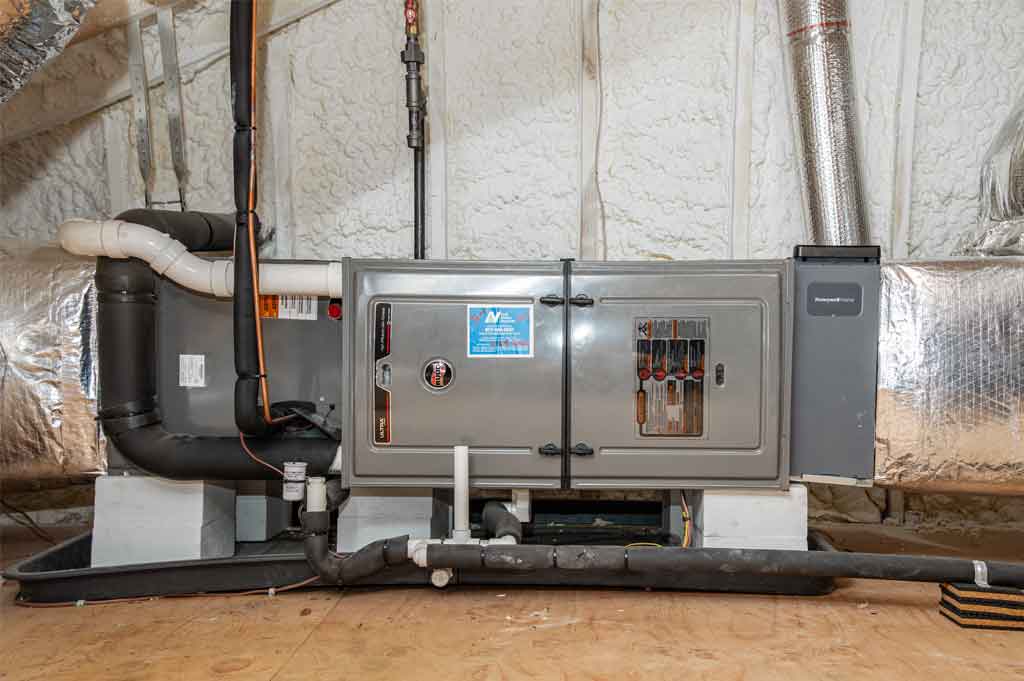
Choosing The Right Boiler Heater
Choosing the right boiler heater is important for comfort and savings. A suitable boiler keeps your home warm and reduces energy costs. It also lasts longer and needs fewer repairs. Consider your home’s size, budget, and energy type before buying. This helps you pick a boiler that fits your needs well.
Assessing Home Needs
Start by checking your home’s size and insulation. Bigger homes need more powerful boilers. Older homes may lose heat faster. Count the number of bathrooms and radiators. More water outlets need bigger heating capacity. Think about your climate too. Colder areas require stronger heating systems. Also, consider future home improvements or extensions.
Budget And Energy Source
Set a clear budget for buying and running the boiler. Some boilers cost more upfront but save energy over time. Others are cheaper but use more fuel. Choose an energy source available in your area. Options include gas, electricity, oil, or solar. Gas boilers are common and cost-effective. Electric boilers suit small homes or apartments. Check local energy prices and availability before deciding.
Frequently Asked Questions
Are Boiler Heaters Energy Efficient?
Yes, boiler heaters are energy efficient when properly maintained. They convert fuel into heat effectively, reducing energy waste and lowering utility bills.
How Long Do Boiler Heaters Typically Last?
Boiler heaters usually last 15 to 30 years, depending on usage and maintenance. Regular servicing can extend their lifespan.
Are Boiler Heaters Safe For Home Use?
Boiler heaters are safe if installed and maintained correctly. Proper ventilation and regular inspections prevent risks like carbon monoxide leaks.
What Are The Benefits Of Using Boiler Heaters?
Boiler heaters provide consistent, even heat and improve indoor comfort. They are reliable, energy-efficient, and compatible with various heating systems.
Conclusion
Boiler heaters offer reliable warmth for many homes. They work well in cold weather and save space. Maintenance is simple, and they last for years. Energy costs can be lower with the right model. Choosing a boiler heater depends on your needs.
Think about your home size and budget first. Boilers provide steady heat, making rooms cozy. They are a good choice for those who want comfort. Overall, boiler heaters can be a practical heating option. Consider all factors before making your decision.