
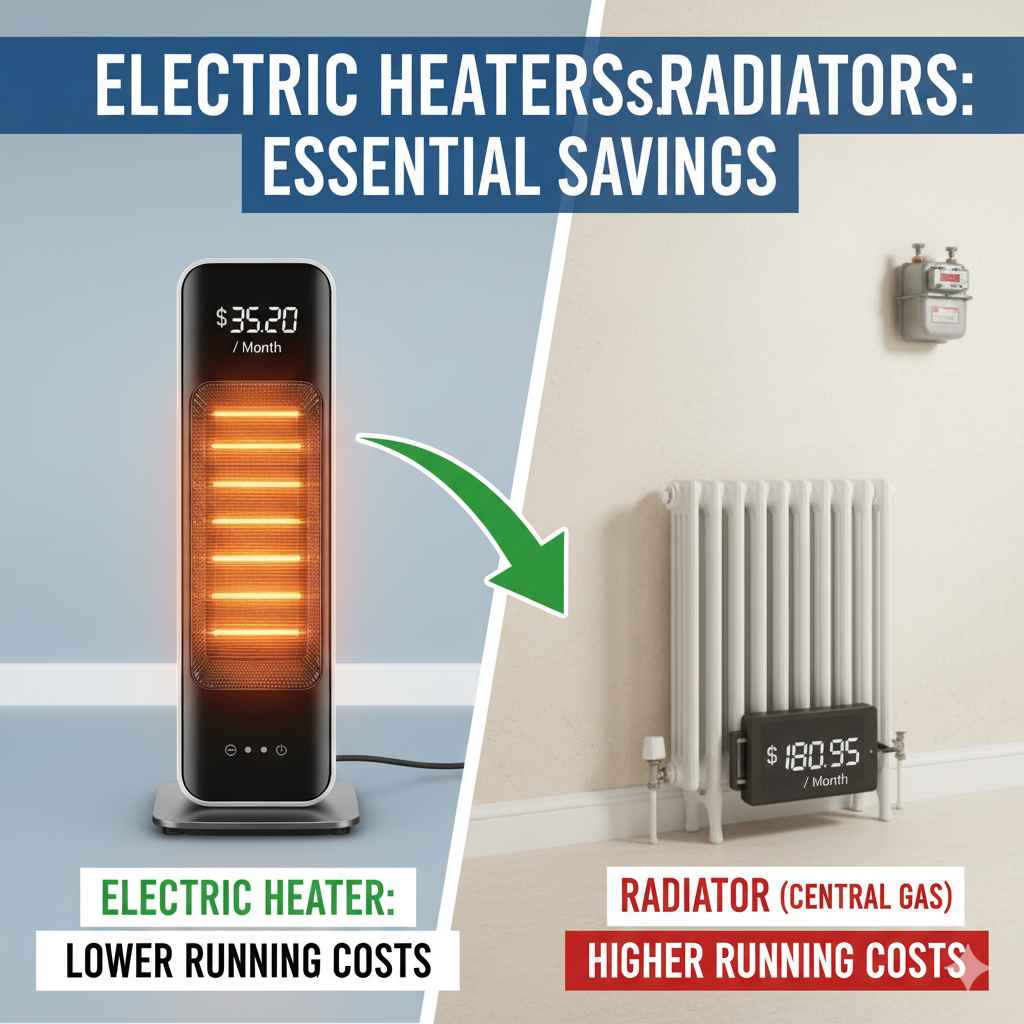
Simply put, electric heaters can be cheaper than traditional radiators to run, depending on how and when you use them. While radiators often have a higher upfront cost and rely on central systems, modern electric heaters offer targeted heating and better energy efficiency for specific needs, potentially saving you money on your energy bills.
Keeping your home cozy shouldn’t be a mystery, especially when it comes to heating costs. Many of us wonder if our trusty radiators are costing us more than a newer electric heater might. It’s a common worry, especially as energy prices change. You want a warm home without breaking the bank, and it’s completely understandable to feel a bit overwhelmed by all the options. Don’t worry, though! We’ll break down the costs and benefits of both electric heaters and traditional radiators, making it easy to understand which is the better choice for your wallet and your comfort. Let’s get started on finding your warmest, most cost-effective solution.
Understanding Your Heating Options: Electric Heaters vs. Radiators
When we talk about home heating, two main players often come to mind: radiators, usually powered by a central boiler system, and standalone electric heaters. They work in very different ways, and understanding these differences is key to figuring out which is more budget-friendly.
How Radiators Work
Think of your radiators as part of a bigger team. Most radiators are connected to a central heating system, typically a gas or oil boiler. The boiler heats water, and this hot water is then pumped through pipes to each radiator in your home. The radiator’s job is to transfer that heat to the air in the room.
Pros:
Provide consistent, even heat throughout a room.
Can heat multiple rooms from a single system.
Often considered aesthetically pleasing as part of home decor.
Cons:
High upfront installation costs if you don’t have a central system.
Can be slow to heat up and cool down.
Efficiency depends heavily on the boiler’s age and maintenance.
Heating a single room requires firing up the entire system.
Maintenance can be costly (e.g., bleeding radiators, boiler servicing).
How Electric Heaters Work
Electric heaters are much more independent. They plug directly into a wall socket and use electricity to generate heat. There are many types, each with its own heating technology:
Convection Heaters: These heat the air around them, which then circulates to warm the room. They are good for heating a space quickly.
Fan Heaters: These use a heating element and a fan to blow hot air out, providing rapid warmth. They are great for quick bursts of heat.
Oil-Filled Radiators (Electric): Despite the name, these are electric. They contain oil that heats up and then radiates warmth, similar to traditional radiators but without the central water system. They provide a steady, gentle heat.
Ceramic Heaters: These use a ceramic plate that heats up and are often combined with a fan for efficient heat distribution.
Infrared or Radiant Heaters: These heat objects and people directly, rather than the air. They provide a quick, localized warmth.
Pros:
Low upfront purchase cost for most portable models.
Easy to set up – just plug them in.
Offer targeted heating for specific rooms or areas, saving energy if you only need to heat one space.
Many come with thermostats for precise temperature control, preventing overheating.
Quick to heat up.
Cons:
Electricity can be more expensive per unit of energy (kWh) than gas.
Running multiple electric heaters simultaneously can significantly increase electricity bills.
Some models can dry out the air.
Less effective at heating very large spaces compared to a central system.

The Big Question: Are Electric Heaters Cheaper to Run?
This is where it gets interesting, and the answer isn’t a simple yes or no. It depends on several factors:
1. Energy Costs: Electricity vs. Gas (or Other Boiler Fuels)
One of the biggest factors is the price of energy. Electricity is generally more expensive per kilowatt-hour (kWh) than natural gas. This means that if an electric heater and a gas-powered radiator system use the same amount of energy, the electric heater will cost more to run.
However, this is an oversimplification. Modern electric heaters are becoming much more energy-efficient, and how you use them makes a huge difference.
Gas Costs: The price of natural gas fluctuates but is often lower than electricity. Your boiler’s efficiency also plays a role. An older, inefficient boiler can waste a lot of fuel.
Electricity Costs: Electricity prices can also vary. Smart meters and off-peak electricity tariffs can sometimes offer savings.
According to comparison sites like Ofgem, the UK’s energy regulator, understanding your unit rates for both gas and electricity is crucial for calculating running costs.
2. Efficiency: How Well is the Energy Being Used?
This is where portable electric heaters can shine, especially for targeted heating.
Radiators (Central Heating): A central heating system has to overcome heat loss from pipes and the walls, and it also heats rooms you might not be using. If you only need to warm your living room for a few hours in the evening, running your entire boiler system just for that room can be very inefficient.
Electric Heaters: A portable electric heater heats only the space you need it to. If you sit at your desk in a home office for a few hours, a small electric heater just for that room is far more efficient than heating the whole house. Modern electric heaters often have highly accurate thermostats, ensuring they only use power when needed to maintain your desired temperature. This smart use of energy can offset the higher per-kWh cost.
3. Usage Patterns: When and How You Heat Your Home
This is arguably the most significant factor in determining your savings.
Occasional Use / Boost Heating: If you only need to heat a room occasionally, or need to boost the temperature in a specific area quickly, electric heaters are often cheaper. For example, using a small fan heater to quickly warm up a bathroom before showering.
Whole-House Heating: If you need to heat your entire home consistently for long periods, a well-maintained central heating system powered by gas or another efficient fuel is usually more cost-effective in the long run, despite the higher upfront cost.
Thermostat Control: Radiators can have thermostatic radiator valves (TRVs) fitted, which allow you to control the temperature in individual rooms. These are great for preventing overheating in unused spaces and saving energy. However, the effectiveness depends on the system as a whole. Electric heaters with built-in thermostats offer a simpler, direct way to manage specific room temperatures.
4. Upfront Costs and Installation
Radiators: Installing a full central heating system with radiators can be very expensive, often several thousand pounds. Replacing existing radiators or a boiler also incurs significant costs.
Electric Heaters: Most portable electric heaters are relatively inexpensive, ranging from £20 to £150. They require no installation beyond plugging them in. This makes them a very accessible and cost-effective option if you need a heater for a single room or a temporary solution.
Calculating Potential Savings: A Comparison Table
To give you a clearer picture, let’s look at a simplified comparison of running costs. This example assumes you are heating a single medium-sized room for 4 hours a day.
Important Note: These are estimates and actual costs will vary based on your specific energy prices, the efficiency of your appliances, and room insulation.
| Feature | Traditional Radiator (Gas Central Heating) | Electric Heater (e.g., Convection or Oil-Filled) |
|---|---|---|
| Fuel Type | Natural Gas | Electricity |
| Typical Unit Cost | Lower per kWh (e.g., ~4.5p/kWh) | Higher per kWh (e.g., ~15p/kWh, lower with off-peak) |
| Appliance Efficiency | Boiler efficiency (70–90%), pipe heat loss, radiator output | 100% efficient at point of use (all electricity becomes heat) |
| Heating Area | Whole house (less efficient for single rooms) | Targeted to specific rooms |
| Heat-up Time | Slower | Faster |
| Control | Central thermostat, TRVs optional | Built-in thermostat on heater |
| Estimated Running Cost (4 hours/day, ~1.5kW equivalent) | £0.27–£0.54 (varies with boiler efficiency & heat retention) | ~£0.90 (1.5 kW × 15p/kWh × 4 hours) |
| Upfront Cost | High (£3,000–£7,000+ for a new system) | Low (£20–£150 for portable models) |
| Installation Cost | High | None (portable) |
As you can see from the estimated running costs, for heating just one room for a few hours, a traditional radiator system can appear more expensive per hour, even with a lower fuel cost, due to the need to heat the entire system. However, this is offset by the lower cost of gas and the fact that it heats multiple rooms. The electric heater at 15p/kWh is higher per hour but targets only the specific area.
A more detailed guide on calculating your specific energy costs can be found on Which?
When Electric Heaters are Cheaper: Smart Strategies
To truly make electric heaters cost-effective, you need to be strategic.
1. Targeted Heating: The Power of One Room
This is the biggest win for electric heaters. Instead of heating your entire home with your central system when you only need warmth in one area, use a targeted electric heater.
Home Office: Keep your workspace at a comfortable temperature without overheating the rest of the house.
Bedrooms: Heat your bedroom before you go to sleep, and then turn it off or set it to a low, eco-friendly temperature overnight.
Living Room/Snug: Use it for short periods when you’re relaxing in one specific spot.
Bathrooms: A quick blast from a fan heater or a small wall-mounted unit to warm up the room before and after a shower can be very efficient and a welcome comfort.
2. Use the Thermostat Wisely
Most good quality electric heaters come with an adjustable thermostat.
Set it and Forget It: Once you reach your desired temperature, the heater will cycle on and off to maintain it, rather than running continuously. This saves a lot of energy compared to older models without thermostats.
Avoid Overheating: People often set heaters too high, leading to wasted energy and discomfort. Start with a lower setting and gradually increase it until you find your ideal temperature.
3. Consider Timer Functions
Some electric heaters have built-in timers, allowing you to pre-set when they should turn on and off. This is great for waking up to a warm room or ensuring a heater doesn’t run all night.
4. Leverage Off-Peak Electricity (if available)
If you have a smart meter and an octopus tariff or similar, you might have access to very cheap or even free electricity during specific off-peak hours. You could potentially use an oil-filled electric radiator with a timer during these times to pre-warm a room. Always check the terms of your energy tariff.
5. Supplement, Don’t Replace
Think of electric heaters as a way to supplement your existing heating system, not necessarily replace it entirely, especially if you have a well-functioning central heating system. They are perfect for rooms that struggle to stay warm or for times when your main system is ‘off’ for the season.
When Radiators Might Still Be the Champion
Despite the allure of electric heaters’ low upfront cost and targeted heating potential, traditional radiators and central heating systems still hold several advantages for many households.
1. Heating Larger Spaces and Whole Homes
If you have a larger home or need to heat multiple rooms consistently, a central heating system is almost always more efficient and cost-effective in the long run. The infrastructure is already in place to distribute heat throughout your property, and the lower cost of gas or oil per kWh makes it more economical for continuous, widespread heating.
2. Consistent and Even Heat Distribution
A well-designed radiator system provides a consistent, comfortable ambient temperature throughout a room. This offers a different type of warmth than the more localized heat from some electric heaters, providing a cozy atmosphere for everyone.
3. Long-Term Cost-Effectiveness for Primary Heating
While the upfront cost of installing central heating is high, the lower running costs associated with gas or other fuels, especially for heating an entire property, make it a more economical primary heating source over many years. This is particularly true if you live in a well-insulated home.
4. Environmental Impact (Depending on Fuel)
If your central heating uses natural gas, it still burns a fossil fuel. However, the efficiency of modern condensing boilers (see Energy Saving Trust for more on boiler types) can make them a more efficient option than older forms of electric heating, depending on the electricity source. Furthermore, renewable heating technologies like heat pumps, which can also power radiators, are becoming increasingly viable and environmentally friendly.
5. Property Value and Appeal
In many markets, a property with a fully functioning central heating system is a standard expectation and adds to its resale value. While electric heaters can be a great addition, they are often seen as supplementary or temporary solutions.
Best Practices for Using Electric Heaters Safely and Efficiently
To ensure you’re getting the most out of your electric heater while staying safe, follow these essential tips:
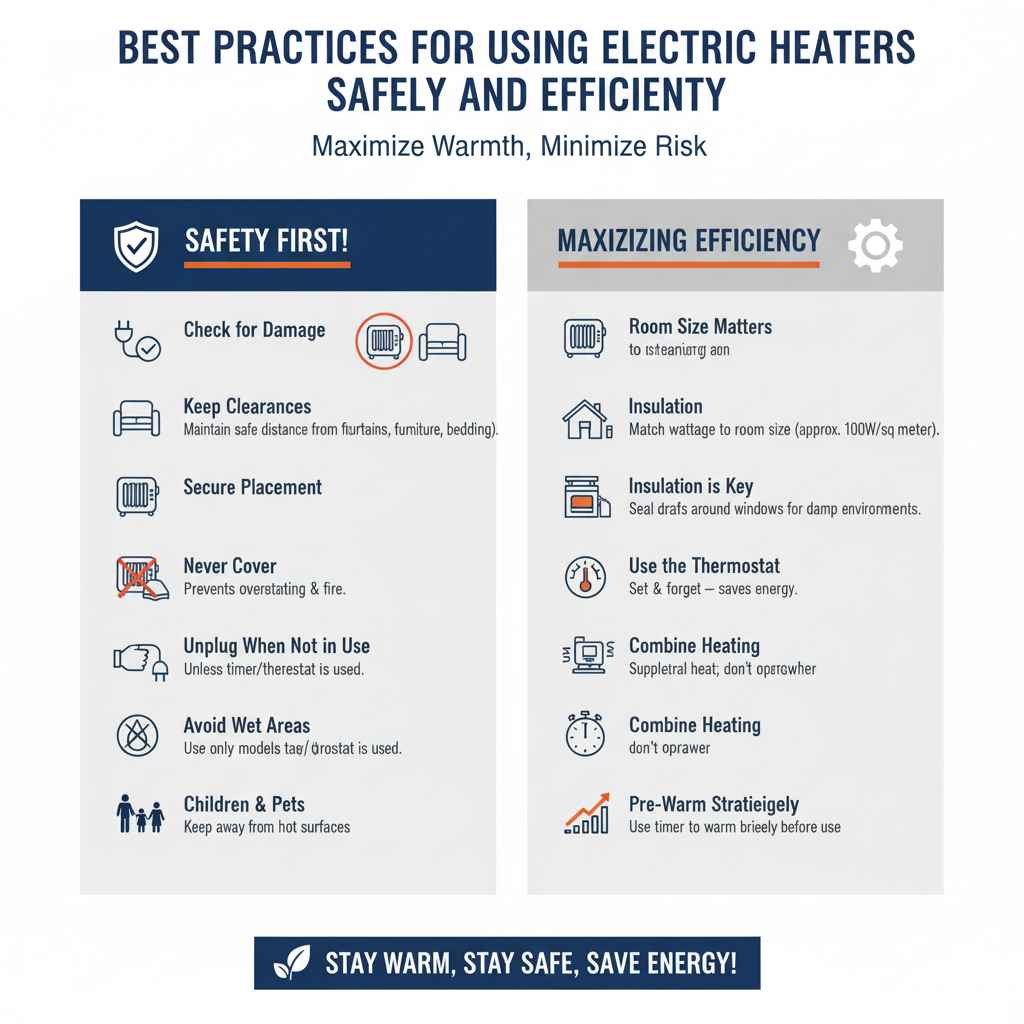
Safety First!
Check for Damage: Always inspect the heater, plug, and cord for any damage before use.
Keep Clearances: Maintain a safe distance between the heater and any flammable materials like curtains, furniture, bedding, or paper. Check the manufacturer’s instructions for specific clearance distances.
Secure Placement: Place heaters on a stable, level surface where they are unlikely to be knocked over.
Never Cover: Do not cover the heater with anything, as this can cause overheating and a fire hazard.
Unplug When Not in Use: For portable heaters, unplug them when they are not in use, especially when leaving the room or going to bed (unless it has a reliable thermostat and timer function you trust).
Avoid Wet Areas: Do not use electric heaters in bathrooms or other damp areas unless they are specifically designed and rated for such environments.
Children and Pets: Keep children and pets away from hot surfaces. Consider models with cool-touch exteriors or child-lock features.
Don’t Use Outdoors: Most indoor electric heaters are not designed for outdoor use.
Maximizing Efficiency
Room Size Matters: Choose a heater with an appropriate wattage for the size of the room you need to heat. Too small, and it will struggle; too large, and it will waste energy. As a general rule, 100 watts per square meter is a good starting point for well-insulated rooms.
Insulation is Key: Ensure your room is as well-insulated as possible. Check for drafts around windows and doors and seal them. This will help the heater maintain temperature more efficiently and reduce energy waste.
Use the Thermostat: As mentioned, your heater’s thermostat is your best friend for saving energy. Set it to your desired comfort level and let it do the work.
Combine with Other Heating: Use your electric heater to supplement your central heating, not overpower it. For example, turn down your central heating slightly and use an electric heater in the room you are currently occupying.
Pre-Warm Strategically: If you’re using a heater with a timer, set it to warm the room for a short period just before you need it, rather than running for hours.
Frequently Asked Questions (FAQ)
Q1: Are electric radiators cheaper to run than central heating radiators?
It depends. Portable electric heaters are cheaper to run for heating a single room sporadically because you only power the one unit, avoiding the need to heat your entire central system. However, if you are heating multiple rooms or your whole house consistently, a gas central heating system is generally cheaper per unit of heat delivered, especially with modern efficient boilers. The upfront cost of electric heaters is significantly lower.
Q2: How much does it cost to run a typical electric heater per hour?
The cost depends on the heater’s wattage and your electricity price. For example, a 1500-watt (1.5kW) heater running for one hour at an average UK electricity rate of 15 pence per kWh would cost 1.5kW * 15p/kWh = 22.5 pence per hour. This can vary significantly based on your energy tariff and local prices.