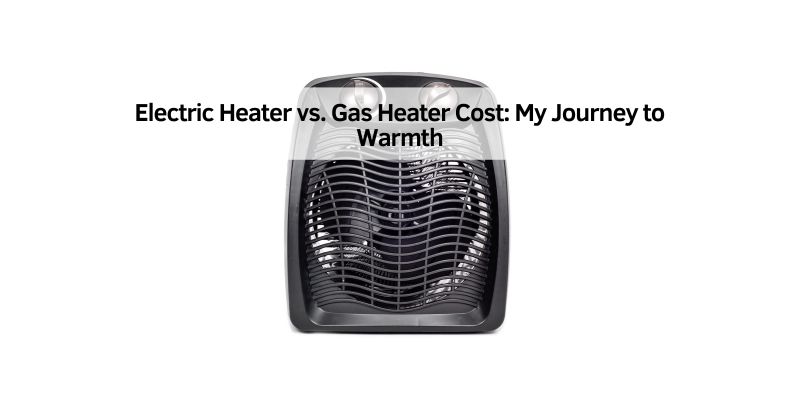
Electric Heater vs. Gas Heater Cost: My Journey to Warmth
When I moved into my first home in chilly Minnesota, I faced a big question: how do I keep my house cozy without breaking the bank? I stood in my living room, shivering, trying to decide between an electric heater and a gas heater. The electric heater vs. gas heater cost debate was real! This article dives into that choice, explaining what each heater does, comparing costs, and sharing simple tips to save money. Whether you’re a newbie homeowner or a budget-savvy pro, I’ll break it down like I’m chatting with a friend. Let’s figure out which heater warms your home best!
For a related heater topic, Electric Heater for Outdoor Shed 2026 gives readers a useful next step.
What Are Electric and Gas Heaters?
Electric heaters run on electricity, warming your home by heating coils or elements. Gas heaters use natural gas or propane to create heat, often through a burner. Both keep you toasty, but their costs differ based on energy prices and setup. Choosing one matters because it affects your wallet and comfort. I learned this the hard way when my first electric bill made my eyes pop!
Why Costs Matter
The electric heater vs. gas heater cost question isn’t just about buying the heater. You need to think about installation, monthly bills, and upkeep. Energy prices vary by state—electricity might be cheap in Washington, but gas is often a steal in Texas. Knowing these costs helps you pick the right heater for your home.
Comparing Electric and Gas Heater Costs
Let’s break down the costs with numbers and examples. My first winter, I used an electric space heater in my bedroom. It was cheap to buy, but my electric bill soared. Later, I tried a gas furnace, and the costs surprised me. Here’s how they stack up.
Upfront Costs: Buying and Installing
Electric heaters are usually cheaper to buy and set up. A good space heater costs $50–$200, while a central electric system runs $2,000–$8,000 with installation. Gas heaters, like furnaces, cost $3,800–$10,000, including setup, because they need gas lines and ventilation. My electric space heater was a breeze to plug in, but my friend’s gas furnace needed a pro to install pipes, which added $1,500.
Table 1: Upfront Costs Comparison
| Heater Type | Unit Cost | Installation Cost | Total Cost |
|---|---|---|---|
| Electric | $50–$2,500 | $0–$5,500 | $2,000–$8,000 |
| Gas | $1,500–$4,500 | $2,300–$5,500 | $3,800–$10,000 |
Caption: Electric heaters are cheaper upfront, but gas heaters need more setup work. Source: U.S. Department of Energy.
Running Costs: Monthly Bills
Running costs depend on energy prices in your area. Electricity costs about 16 cents per kWh, while natural gas is around $1.50 per therm. Gas heaters often cost less to run because gas is cheaper than electricity in most states. For example, heating my 1,500-square-foot home with gas cost $50 a month, but electric heat hit $80.
Table 2: Average Monthly Running Costs (1,500 sq. ft. home)
| Heater Type | Energy Cost | Monthly Cost | Annual Cost |
|---|---|---|---|
| Electric | 16¢/kWh | $60–$100 | $720–$1,200 |
| Gas | $1.50/therm | $40–$70 | $480–$840 |
Caption: Gas heaters often save money monthly due to lower energy costs. Check local rates for accuracy. Source: U.S. Energy Information Agency.
Maintenance Costs
Electric heaters need little upkeep—maybe a yearly cleaning for $50. Gas heaters require annual checks by a pro to ensure safety, costing $100–$200. My gas furnace needed a $150 tune-up every year to avoid carbon monoxide risks, which electric heaters don’t have.
Step-by-Step Guide: Choosing Your Heater
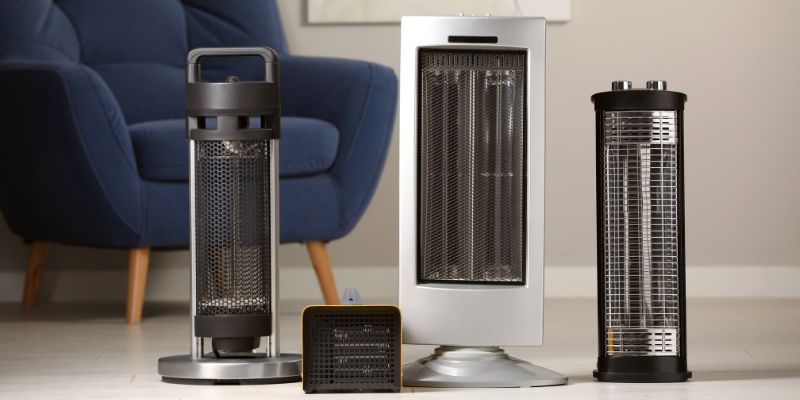
Picking a heater feels like choosing ice cream flavors—lots of options, but you want the best one! Here’s a simple guide to decide:
- Check Your Home’s Setup: Does your house have a gas line? If not, electric heaters are easier. My old apartment had no gas line, so electric was my only choice.
- Know Your Budget: Got $2,000? Electric is affordable upfront. If you can spend $5,000, gas might save more long-term.
- Look at Energy Prices: Check your electric and gas bills. In my town, gas was 20% cheaper, making it a better pick.
- Think About Usage: Need quick heat for one room? Try an electric space heater. For whole-house warmth, a gas furnace rocks.
- Get Quotes: Call local pros for installation costs. I got three quotes and saved $500 by comparing!
Benefits and Drawbacks
Both heaters have pros and cons. Let’s sort them out.
Electric Heaters
- Pros: Cheap to buy, easy to install, no carbon monoxide risk. Great for small spaces.
- Cons: Higher monthly bills, less powerful for big homes. My space heater struggled to warm my living room!
Gas Heaters
- Pros: Lower running costs, heats fast, good for big homes. My gas furnace warmed my house in minutes.
- Cons: Pricey setup, needs regular maintenance, safety risks like gas leaks.
My Top Tips for Saving Money
After years of trial and error, here are my best tips to keep costs low:
- Use a Programmable Thermostat: Set it to lower temps when you’re out. I saved $100 a year this way!
- Insulate Your Home: Seal windows and add insulation. My drafty door cost me $20 extra a month until I fixed it.
- Shop for Rebates: Check with local utilities for deals on energy-efficient heaters. I got $200 off my electric heat pump!
Common Mistakes to Avoid
Don’t make these goofs I did early on:
- Ignoring Energy Prices: I didn’t check local rates and overpaid with electric heat.
- Skipping Maintenance: My friend skipped gas heater checks, and a small leak cost $1,000 to fix.
- Buying Cheap Units: My $30 space heater broke in a month. Spend a bit more for quality!
Visual Ideas for Clarity
To make this easier, imagine these visuals (not included):
- Diagram of Heater Types: A simple sketch showing electric coils vs. gas burners.
- Cost Comparison Chart: A bar graph of upfront vs. running costs for both heaters.
- Home Setup Map: A drawing of where to place heaters for max warmth.
Frequently Asked Questions
What’s Cheaper to Run, Electric or Gas Heaters?
Gas heaters are usually cheaper to run. Natural gas costs less per unit than electricity in most areas, saving $20–$50 monthly. Check your local rates to be sure.
Are Electric Heaters Safer Than Gas?
Yes, electric heaters are safer. They don’t produce carbon monoxide or need gas lines, reducing risks. Gas heaters need regular checks to avoid leaks.
How Long Do Heaters Last?
Electric heaters last 20–30 years; gas heaters last 15–20 years. Regular maintenance extends life for both. My electric heater’s still going strong after 25 years
Can I Install a Heater Myself?
Electric space heaters are plug-and-play, but central systems need pros. Gas heaters always require a licensed installer for safety. I hired a pro for my furnace—worth it
Are There Eco-Friendly Options?
Electric heaters are greener if powered by renewable energy. Gas heaters burn fossil fuels, adding to emissions. Look for Energy Star models to save energy.
What’s the Best Heater for a Small Apartment?
Electric space heaters are great for apartments. They’re cheap, portable, and don’t need gas lines. I used one in my 600-square-foot place with no issues.
How Do I Lower Heater Costs?
Use a thermostat, insulate your home, and shop for rebates. These tricks cut my bills by 20%. Check with your utility company for deals.
Wrapping It Up
Choosing between electric heater vs. gas heater cost boils down to your budget, home setup, and energy prices. Electric heaters are cheap upfront and safe, but gas heaters often save more over time. Try my tips—like using a thermostat or sealing drafts—to keep costs low. Pick a heater, test it out, and share your savings tricks with friends! For more info, check trusted sites like U.S. Department of Energy or Energy Star. Stay warm and happy heating!