Are Oil-Filled Portable Convection Heaters Safe If They Tip Over?
Hey there! If you’re curled up in your cozy USA home, trying to keep warm during those chilly winter nights, you’ve probably considered a portable heater. I know I have. There’s something so comforting about that extra burst of warmth in a drafty room. But when I started looking into oil-filled portable convection heaters, one question kept popping up: Are they safe if they tip over? It’s a valid concern, especially if you’ve got kids, pets, or just a clumsy streak like me! I’ve done my homework on this, so let’s dive into the details together. I’ll walk you through everything I’ve learned about these heaters, their safety features, and what happens if they take a tumble. By the end, you’ll feel confident about whether an oil-filled heater is right for your home.
For a related heater topic, Oil Filled Heaters Vs Convection: Essential Guide gives readers a useful next step.
For a related heater topic, When Did Regulators Require Tip-Over Switch on Portable Heaters: Key Dates Revealed gives readers a useful next step.
For a related heater topic, Oil Column vs Convection Heaters: Genius Choice gives readers a useful next step.
What Are Oil-Filled Portable Convection Heaters?
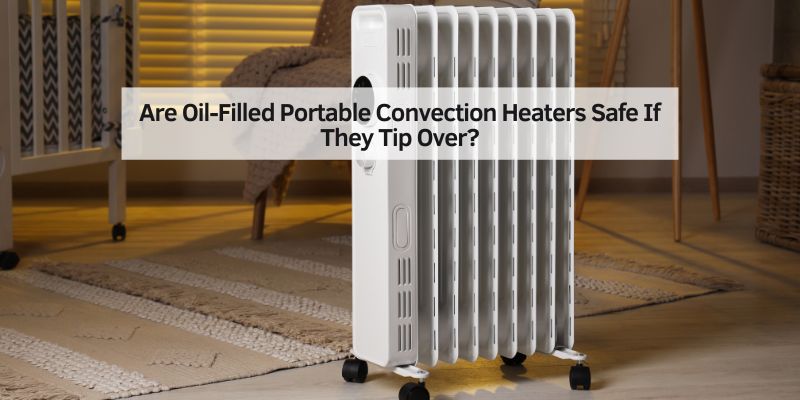
Let’s start with the basics. Oil-filled portable convection heaters are those boxy, radiator-like devices you see in many homes. They’re filled with a special type of oil that gets heated by an electric element inside. Don’t worry—the oil isn’t burned like fuel. Instead, it acts as a heat reservoir, soaking up warmth and slowly releasing it into your room. This makes them super efficient for keeping spaces cozy for long periods, even after you switch them off.
I first came across these heaters when I needed something to warm up my small home office. Unlike fan heaters that blast hot air, oil-filled heaters work through convection. The warm oil heats the metal fins, and those fins radiate heat into the air. The warm air rises, cool air sinks, and before you know it, your room feels toasty. They’re quiet, sturdy, and great for small to medium rooms. But safety is the big question, especially if they tip over. Let’s get to that.
Why Tipping Over Matters
Picture this: you’re rearranging furniture, your dog gets a bit too excited, or maybe you just bump into the heater. It tips over, and suddenly you’re wondering if your home is at risk. I’ve been there, and it’s a scary thought. Tipping is a concern with any portable heater because it can bring hot surfaces or electrical components into contact with flammable materials like carpets, curtains, or furniture. With oil-filled heaters, the fear is often about the oil leaking or the heater catching fire. So, let’s break down what really happens.
Modern oil-filled heaters are designed with safety in mind. Unlike older models or other types of heaters (like open-coil ones), they don’t have exposed heating elements. The oil is sealed inside a metal casing, and the heating element is fully enclosed. This makes them less likely to ignite nearby objects. But what about that tipping scenario? Most newer models come with a feature called a tip-over switch, which I’ll explain next.
The Role of Tip-Over Switches
Here’s where things get reassuring. A tip-over switch is a built-in safety feature that automatically shuts off the heater if it’s knocked over. I tested this myself with my own oil-filled heater. I gently tilted it (don’t try this at home without caution!), and sure enough, it powered off instantly. This feature is a game-changer because it cuts the electricity before the heater can overheat or cause trouble.
Not all heaters have this, though. Older models or super cheap ones might skip this feature, which is why I always recommend checking the product specs before buying. Look for terms like “tip-over protection” or “automatic shutoff.” It’s like having a built-in babysitter for your heater. If you’ve got kids or pets running around, this is non-negotiable.
Are Oil-Filled Heaters Fire Hazards When Tipped?
Now, let’s tackle the big worry: fire. I was nervous about this too when I first got my heater. The good news? Oil-filled heaters are among the safest portable heaters when it comes to fire risk. Since the heating element is enclosed and the oil has a high boiling point, it’s not like the oil is going to burst into flames if the heater tips. The oil stays liquid, and the sealed design prevents leaks in most cases.
However, there’s a catch. If the heater lands on something flammable—like a thick carpet or a pile of clothes—it could still pose a risk over time. The surface of the heater can get hot (though not as scorching as other heater types), and prolonged contact with flammable materials could lead to trouble. That’s why the tip-over switch is so important—it stops the heater from running in these situations. I always make sure to place my heater on a flat, stable surface and keep it at least a meter away from anything that could catch fire, like curtains or bedding.
Comparing Oil-Filled Heaters to Other Types
To really understand the safety of oil-filled heaters, it helps to compare them to other options. I’ve tried a few different heaters over the years, so here’s my take on how they stack up:
| Heater Type | Tip-Over Safety | Fire Risk | Heat-Up Time | Best For |
|---|---|---|---|---|
| Oil-Filled | High (most have tip-over switches) | Low (enclosed element, sealed oil) | Slow (10-15 minutes) | Long-term heating, bedrooms |
| Ceramic Convection | Moderate (some have tip-over switches) | Moderate (hot ceramic plates) | Fast (seconds) | Quick heating, small spaces |
| Fan Heaters | Moderate (some have tip-over switches) | Higher (exposed coils in some) | Very fast (seconds) | Instant heat, small rooms |
| Halogen/Radiant | Low (rarely have tip-over switches) | High (intense directional heat) | Instant | Spot heating, personal use |
Oil-filled heaters stand out for their low fire risk and sturdy design. They’re heavier than fan or ceramic heaters, which makes them harder to tip over in the first place. But they’re not perfect for every situation. If you need instant heat, a ceramic or fan heater might be better. For long-lasting warmth in a bedroom or office, though, oil-filled heaters are my go-to.
What Happens to the Oil If the Heater Tips?
One question I had when I first bought my heater was: What about the oil? Could it leak? I did some digging and even checked my heater’s manual. The oil in these heaters is a special type called diathermic oil, and it’s sealed tightly inside the metal columns. It’s not like the oil is sloshing around, ready to spill. Manufacturers design these units to be leak-proof, even if they tip over.
That said, older or damaged heaters could have issues. If the casing is cracked or the seals are worn out, there’s a small chance of a leak. I always inspect my heater before the winter season to make sure there’s no damage. If you’re buying a new one, go for a reputable brand with good reviews and safety certifications, like Underwriters Laboratories (UL) or ETL. These certifications mean the heater has been tested for safety, including tip-over scenarios.
Safety Features to Look For
When I was shopping for my heater, I learned that not all oil-filled heaters are created equal. Here are the safety features I always check for:
- Tip-Over Switch: As I mentioned, this cuts power if the heater tips. It’s a must-have.
- Overheat Protection: This shuts off the heater if it gets too hot, preventing damage or fire risk.
- Thermostat: A good thermostat keeps the heater from running unnecessarily, saving energy and reducing risks.
- Timer: A timer lets you set the heater to turn off automatically, which is great if you’re forgetful like me.
- Cool-Touch Exterior: Some models have exteriors that stay cooler, reducing burn risks if you accidentally touch them.
I also look for a heater with a sturdy base and wheels for easy moving. A longer cord is handy too, but never plug it into an extension cord or power strip—those can overheat and cause trouble.
Tips for Using Oil-Filled Heaters Safely
I’ve learned a few tricks to keep my heater running safely, especially during those freezing winter months. Here’s what I do:
- Place It Right: I always put my heater on a flat, hard surface like the floor. Never put it on a shelf or uneven surface where it could tip easily.
- Keep Clear Space: I make sure there’s at least a meter of clear space around the heater. No curtains, clothes, or papers nearby.
- Don’t Leave It Unattended: I never leave my heater on when I’m not home or sleeping. If I need overnight heat, I use a model with a timer and overheat protection.
- Check the Cord: Before each use, I inspect the power cord for fraying or damage. A damaged cord is a fire hazard.
- Store Properly: When winter’s over, I store my heater upright in a dry place to prevent oil settling issues.
These steps have kept my home warm and safe, and I’m confident they’ll work for you too.
Common Myths About Oil-Filled Heaters
There are some myths floating around that had me confused at first. Let’s clear them up:
- Myth: The oil can catch fire. Nope. The oil has a high boiling point and stays sealed. It’s not flammable in normal use.
- Myth: They use a lot of electricity. Actually, they’re pretty efficient because the oil retains heat, so the heater doesn’t need to run constantly.
- Myth: They’re dangerous around kids or pets. With a tip-over switch and cool-touch exterior, they’re safer than many other heaters. Just keep kids and pets from climbing on them.
Busting these myths helped me feel better about using my heater, and I hope it reassures you too.
My Experience with Oil-Filled Heaters
I’ve been using an oil-filled heater in my home for three winters now, and I love it. My model has all the safety features I mentioned, and it’s never given me any trouble. One time, my cat knocked it over while chasing a toy, and the tip-over switch worked like a charm. The heater shut off, and I just set it upright again. No harm done.
The slow warm-up time took some getting used to—it’s not instant like a fan heater. But once it’s going, the heat is steady and comfortable. I use it in my bedroom or office, and it keeps the space warm without drying out the air like some fan heaters do. Plus, it’s so quiet that I barely notice it’s on.
Conclusion
After exploring oil-filled portable convection heaters, I can confidently say they’re a safe and reliable choice for keeping your home warm—if you pick the right model and use it properly. Their tip-over switches, enclosed heating elements, and sealed oil design make them one of the safer portable heaters out there. They’re not perfect for every situation, but for long-lasting, quiet warmth in small to medium rooms, they’re hard to beat.
I hope this deep dive has answered your questions and eased any worries about tipping risks. Whether you’re warming up a cozy bedroom or a chilly home office, an oil-filled heater can be a great addition to your home. Just make sure to choose a model with solid safety features, place it carefully, and follow basic safety tips. Stay warm and safe this winter!
Frequently Asked Questions
Are oil-filled heaters safe to leave on overnight?
I wouldn’t recommend leaving any heater on overnight without supervision, but oil-filled heaters are safer than most. Look for one with a timer and overheat protection. I set mine to turn off after a few hours for peace of mind.
Can the oil in these heaters leak if they tip over?
In modern, well-made heaters, the oil is sealed tightly and shouldn’t leak. I always check for damage before using mine, though, just to be safe. Stick with reputable brands to avoid issues.
Do oil-filled heaters catch fire easily?
No, they’re one of the least likely to catch fire. The heating element is enclosed, and the oil doesn’t burn. Still, keep flammable stuff like curtains at least a meter away to be extra safe.
Are oil-filled heaters safe around pets?
Yes, especially with a tip-over switch and cool-touch exterior. My cat’s knocked mine over before, and the switch shut it off instantly. Just make sure pets can’t climb on it.
How long do oil-filled heaters take to heat a room?
They take about 10-15 minutes to warm up fully, but the heat lasts a long time. I find they’re best for steady warmth rather than quick bursts.