How to Fix a Leaking Heater Core Fast
Dealing with a leaky heater core can be a real bummer, especially when you’re not a car expert. It’s a common problem, and sometimes it feels like a big mystery to fix. But don’t worry, we’ll break it down.
For a related repair path, How to Fix a Heater Core Properly can help readers narrow down the next troubleshooting step.
This guide will show you exactly How to Fix a Leaking Heater Core Fast with simple steps. We’ll make it easy to understand and get your car’s heat back in no time.
Understanding Your Car’s Heater Core
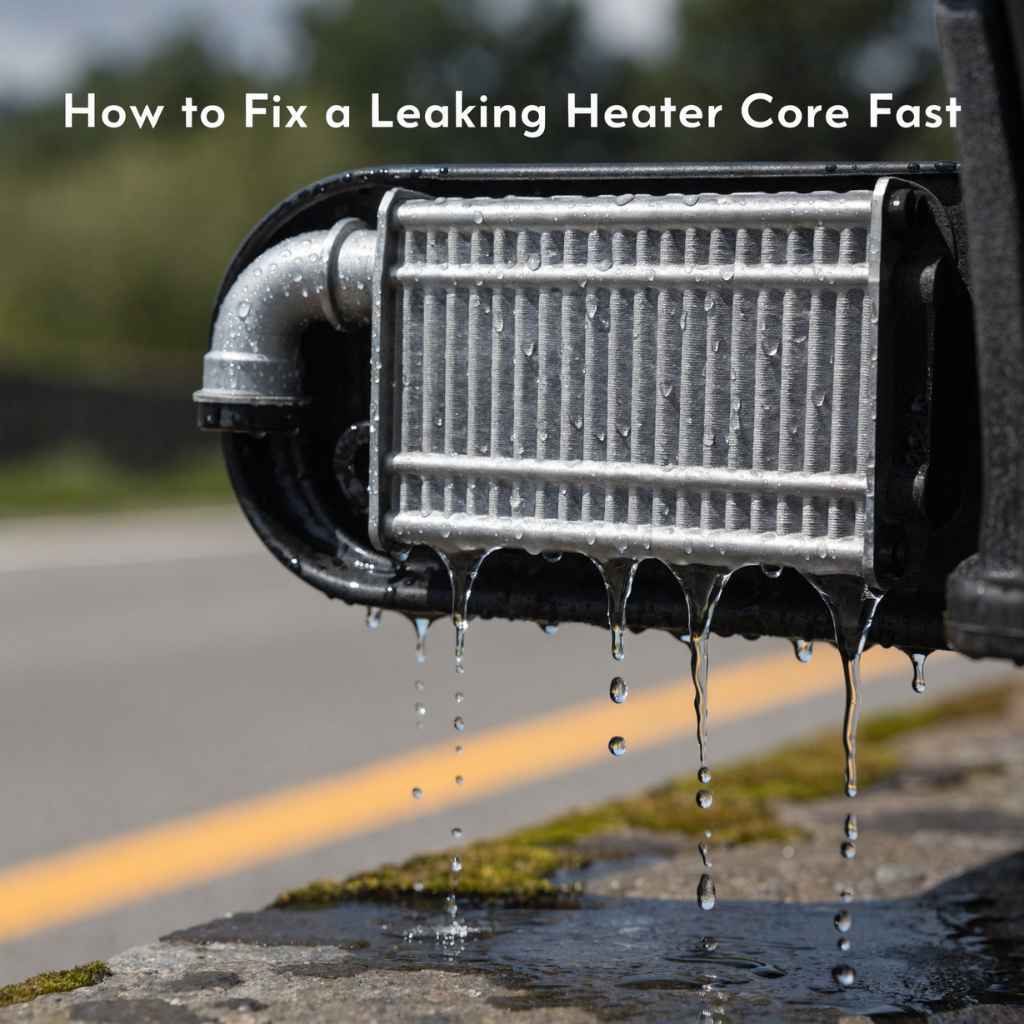
The heater core is like a mini-radiator for your car’s cabin. It’s part of the cooling system and works to warm up the air that blows into your car when you turn on the heat. Hot coolant from the engine flows through the heater core, and then the fan blows air over it, making your car cozy. When this part starts to leak, you might notice a sweet smell inside your car, a foggy windshield, or even wet spots on the passenger side floor. It’s important to fix it because a leaking heater core can cause your car to lose coolant, which is bad for the engine, and it means no warm air for you.
What Is a Heater Core
A heater core is essentially a small, compact radiator. It’s typically located behind the dashboard of your vehicle. Its main job is to transfer heat from the engine’s coolant into the cabin of your car. The coolant, which is a mixture of antifreeze and water, circulates through the engine to keep it from overheating. A portion of this hot coolant is then diverted to the heater core.
The heater core has a series of thin fins and tubes, much like a home radiator. As the hot coolant flows through these tubes, the heat is released. A blower motor, also known as a cabin fan, pushes air across these fins. This process warms the air, which is then directed into the passenger compartment through your car’s ventilation system. Without a functioning heater core, you wouldn’t have any heat coming out of your vents on a cold day. It’s a critical component for driver and passenger comfort during cooler months.
How Heater Core Leaks Happen
Heater core leaks can occur for a variety of reasons, often related to the age of the vehicle and wear and tear on its components. One of the most common causes is corrosion. Over time, the metal in the heater core can degrade, especially if the coolant is not properly maintained or if the wrong type of coolant is used. This corrosion can lead to small pinholes or cracks forming in the core.
Another frequent culprit is vibration. Cars experience constant vibrations from the engine and the road. These vibrations can put stress on the heater core and its connections, eventually causing leaks to develop, particularly at the points where the hoses connect to the core. Age is also a significant factor; like any part of a car, heater cores have a lifespan, and older ones are more prone to failure. Sometimes, a leak might not be directly in the core itself but in the rubber hoses that connect to it, which can become brittle and crack over time.
Signs of a Leaking Heater Core
Spotting a leaky heater core early can save you a lot of trouble. One of the most tell-tale signs is a persistent sweet, syrupy smell inside your car. This is the smell of hot engine coolant. You might also notice a thin film or fog on the inside of your windshield and windows, especially when you first turn on the defroster. This film is coolant vapor condensing on the glass.
Another key indicator is a damp or wet passenger-side floorboard. Coolant leaking from the heater core will often drip down and accumulate on the carpet. You might also find yourself constantly topping off your coolant reservoir, as the leak will cause coolant levels to drop. If you see colored puddles (usually green, orange, or red) under your car, especially near the firewall on the passenger side, it’s a strong sign of a heater core issue. A lack of heat or significantly reduced heat in the cabin, even when the engine is hot, can also point to a leaking heater core because coolant isn’t circulating properly.
DIY Steps to Fix a Leaking Heater Core Fast
Fixing a leaky heater core yourself might seem daunting, but by following these steps, you can tackle it. It’s important to be prepared and work safely. We’ll cover diagnosing the leak, preparing your car, and the actual repair process.
Diagnosing the Leak Source
Before you can fix the leak, you need to know exactly where it’s coming from. Sometimes the leak is obvious, but other times it can be tricky to pinpoint. The first step is usually to visually inspect the area around the heater core. This often means looking under the dashboard on the passenger side.
You’ll want to check the heater hoses that connect to the firewall. These hoses bring the hot coolant from the engine to the heater core. If they are cracked, loose, or have corroded connections, they could be the source of your leak. Feel around the connections for any dampness or coolant residue. Also, look for any signs of coolant dripping from the heater core itself. Sometimes, the leak might be coming from a small crack in the core’s casing or from its seals.
If you can’t find the leak by just looking, you might need to pressurize the cooling system. This involves using a special tool to apply a small amount of pressure to the system while the engine is off and cool. Then, you can more easily spot where the coolant is escaping. Sometimes, a mechanic might recommend a cooling system pressure test to find stubborn leaks.
Checking Heater Hoses
Heater hoses are large rubber tubes that carry coolant to and from the heater core. They are a frequent source of leaks. Start by carefully examining the entire length of each hose. Look for any visible signs of damage such as cracks, splits, bulges, or abrasions. Feel the hoses; they should be firm but pliable. If they feel brittle, spongy, or mushy, they’re likely deteriorating and should be replaced.
Pay close attention to the areas where the hoses connect to the heater core and the engine. These connection points are under constant stress. Ensure the hose clamps are tight. Sometimes, simply tightening a loose clamp can stop a minor leak. If the hose ends are swollen or cracked, you’ll need to cut off the damaged section or replace the entire hose.
Inspecting the Heater Core Itself
The heater core is usually located deep within the dashboard, making direct visual inspection difficult without significant disassembly. However, you can often get a partial view by removing lower dashboard panels or under-dash trim pieces. If you can see the heater core assembly, look for any signs of coolant residue or wetness on its surface or around its connections.
A common place for leaks on the core itself is at the solder joints where the tubes meet the tanks, or along the seams of the core’s housing. If you notice coolant pooling in the area immediately surrounding the heater core unit, it’s a strong indication that the core itself is the source of the problem. Sometimes, the leak might be so small that it’s only visible when the cooling system is under pressure.
Coolant Dye Test
A coolant dye test is a very effective way to pinpoint leaks that aren’t immediately obvious. You can purchase a specialized UV dye that you add to your car’s coolant reservoir. After adding the dye, you’ll need to run the engine for a while, allowing the coolant to circulate throughout the system, including the heater core.
Once the system has circulated, you’ll use a UV light (often sold in a kit with the dye) to inspect the engine bay and the area around the heater core. The UV dye will glow brightly under the light, making any leak points clearly visible. This method is particularly useful for finding small or slow leaks that might otherwise go unnoticed. It helps confirm if the heater core is indeed the culprit or if the leak is elsewhere in the cooling system.
Preparation and Safety Precautions
Before you start any work on your car’s cooling system, safety is paramount. Working with hot engine coolant can cause severe burns, so always ensure the engine is completely cool before you begin. It’s also a good idea to wear safety glasses to protect your eyes from any splashes.
You’ll want to gather all the necessary tools and parts before you begin. This might include wrenches, pliers, screwdrivers, a drain pan for the coolant, replacement hoses, clamps, and potentially a new heater core if yours is beyond repair. Always work in a well-ventilated area.
Coolant Drainage
The first practical step in addressing a leaking heater core, or any component of the cooling system, is to drain the existing coolant. This prevents a messy spill when you disconnect hoses or remove parts. Locate the radiator drain plug or petcock valve at the bottom of your car’s radiator. Place a large drain pan underneath it to catch the old coolant.
Carefully open the drain plug. If your vehicle has a radiator cap, you may need to remove it to allow air to enter the system, which helps the coolant flow out more freely. Be aware that coolant is toxic, so handle it with care and dispose of it properly according to your local regulations. Once the system has drained as much as possible, close the drain plug.
Disconnecting Battery
For safety, it’s always recommended to disconnect the negative terminal of your car’s battery before working on electrical components or anything near them. While a heater core repair might not directly involve electrical work, disconnecting the battery prevents any accidental shorts or electrical sparks that could be hazardous, especially if you are working in an area where fuel vapors might be present.
Use a wrench to loosen and remove the nut on the negative battery terminal clamp. Then, carefully pull the clamp off the battery post. It’s a good practice to tuck the cable away so it doesn’t accidentally make contact with the terminal. This simple step adds an extra layer of safety to your repair process.
Gathering Tools and Parts
Having the right tools and parts on hand before you begin is crucial for a smooth and efficient repair. For a heater core repair, you will likely need a set of socket wrenches and possibly a ratchet with various extensions to reach bolts in tight spaces. Pliers, including hose clamp pliers, are essential for removing and installing hose clamps. You might also need screwdrivers for trim panels and possibly a torque wrench if you need to tighten bolts to specific specifications.
If you’ve determined that your heater core needs replacing, ensure you have the correct replacement part for your specific vehicle make and model. It’s also wise to have new heater hoses and clamps ready, as these often show wear and tear alongside the heater core. Having a drain pan, rags, and a funnel for refilling coolant will also be necessary.
Replacing a Leaking Heater Core
Replacing a heater core is one of the more involved DIY repairs. It often requires significant dashboard disassembly. The exact steps vary greatly depending on the car’s make and model.
Accessing the Heater Core
Accessing the heater core is typically the most challenging part of the repair. In most vehicles, the heater core is located behind the dashboard on the passenger side. This means you will likely need to remove a substantial portion of the dashboard, including the instrument cluster, glove box, and various trim panels.
Carefully label all screws and bolts as you remove them to ensure you can put everything back together correctly. There are often many hidden clips and fasteners that need to be released gently to avoid breaking them. In some cars, the entire dashboard assembly might need to be partially or fully removed to gain access to the heater core housing.
Removing the Old Heater Core
Once you have successfully accessed the heater core housing, the next step is to disconnect it from the cooling system and remove it. You’ll need to disconnect the heater hoses that lead to it. Be prepared for some residual coolant to drain out, so have your drain pan ready.
After the hoses are detached, you’ll need to unbolt the heater core housing or the heater core itself from its mounting points. This might involve a few screws or clips. Once everything is disconnected and unbolted, carefully slide the old heater core out of its position. Inspect the surrounding area for any debris or damage.
Installing the New Heater Core
With the old heater core removed, it’s time to install the new one. Before placing the new core, it’s a good idea to clean the area where it will sit. Also, inspect the O-rings or seals that seal the heater core to the housing; if they are worn, replace them.
Carefully place the new heater core into position, ensuring it is oriented correctly. Secure it with the bolts or clips that held the old one in place. Then, reattach the heater hoses, making sure they are snugly connected and secured with new or properly tightened clamps. It’s often recommended to replace old heater hoses if they show any signs of wear, as they could leak later.
Refilling and Bleeding the Cooling System
After the new heater core is installed, you need to refill the cooling system with the correct coolant mixture and then “bleed” the system to remove any air pockets. Air trapped in the cooling system can cause overheating and prevent the heater from working effectively.
Adding New Coolant
Using a funnel, slowly pour the appropriate mixture of antifreeze and distilled water into the coolant reservoir or directly into the radiator, depending on your vehicle. Make sure you are using the correct type of coolant specified in your car’s owner’s manual. Using the wrong coolant can damage the system.
Fill the system to the recommended level. It’s best to do this gradually, allowing time for the coolant to settle. You might need to top it off as you bleed the system.
Bleeding Air from the System
Bleeding the cooling system is crucial to ensure proper coolant circulation and heat transfer. With the engine off, locate the bleed screw or valve on the cooling system, often near the thermostat housing or on one of the heater hoses. Open this screw or valve.
Start the engine and let it run. As the engine warms up, the coolant will begin to circulate. You may see air bubbles escaping from the bleed screw. Keep the bleed screw open until a steady stream of coolant flows out without any air bubbles. Close the bleed screw. Continue to monitor the coolant level in the reservoir and top it off as needed. Turn on your car’s heater to its highest setting to help draw coolant through the heater core and push out any remaining air.
Testing the Repair
Once the cooling system is refilled and bled, it’s time to test your work. Start the engine and let it reach its normal operating temperature. Keep an eye on the temperature gauge to ensure the engine isn’t overheating.
Turn on your car’s heater and check if warm air is blowing into the cabin. If the heat is now strong and consistent, it’s a good sign that your repair was successful. Also, check under the dashboard and around the heater hoses for any signs of leaks.
Checking for Leaks After Repair
After the engine has run for a while and reached operating temperature, it’s important to perform a thorough leak check. This includes visually inspecting the heater hoses and their connections to the firewall and engine. Look for any drips, dampness, or coolant residue.
Also, check the passenger-side floorboard again to make sure it remains dry. Feel around the area where the heater core is located for any signs of moisture. Running the engine with the heater on can sometimes reveal leaks that weren’t apparent when the system was cold, as the pressure increases.
Monitoring Engine Temperature and Heater Performance
Continuously monitor your engine’s temperature gauge while the engine is running. If the temperature gauge starts to climb into the red zone, shut off the engine immediately and re-check the coolant level and for any obvious leaks. A stable temperature gauge at the normal operating range indicates the cooling system is functioning correctly.
Listen to your heater. Is the air coming out warm, or even hot? If you have good airflow and the temperature is comfortable, your heater core repair has likely succeeded. If the heat is still weak or intermittent, there might be a small air pocket remaining that needs to be bled out, or a separate issue.
When to Call a Professional
While many car repairs can be done by DIY enthusiasts, some jobs are best left to experienced mechanics. Replacing a heater core can be one of those jobs. If you’re not comfortable with complex dashboard disassembly or if you encounter unexpected problems, it’s always wise to seek professional help.
Complexity of Dashboard Removal
Many modern vehicles have highly integrated dashboards with intricate wiring harnesses, sensors, and airbag components. Removing these parts requires specialized knowledge and tools. If you’re not careful, you could accidentally damage expensive components or even trigger an airbag, which can be dangerous.
The sheer number of fasteners, clips, and connectors can also be overwhelming. Without clear instructions or experience, it’s easy to miss a hidden fastener or apply too much force, leading to broken plastic parts. For many, the time and potential frustration saved by having a professional handle this part of the repair is well worth the cost.
Lack of Proper Tools or Space
Some repairs require specific tools that the average DIYer might not have in their toolbox. For instance, certain dashboard components might need specialized trim removal tools to avoid damage. Accessing certain bolts or fasteners can require a variety of socket extensions and universal joints.
Furthermore, not everyone has a suitable workspace. Working on a car, especially one requiring extensive disassembly, is much easier in a well-lit garage with ample space to lay out parts. If you’re working on the street or in a cramped driveway, the task can become significantly more difficult and potentially unsafe.
Uncertainty About the Diagnosis
If you’ve tried to diagnose the leak but are still unsure of the exact source, it’s best to consult a professional. A mechanic has the experience and diagnostic equipment to accurately pinpoint the problem. For example, a coolant smell could also be a sign of a failing head gasket, which is a much more serious and expensive repair.
Sometimes, a leak might appear to be from the heater core but is actually caused by a faulty seal or gasket elsewhere in the cooling system that’s directing coolant towards the heater core area. A professional can differentiate between these issues and ensure you’re addressing the root cause of the problem, rather than just treating a symptom.
Alternative Solutions and Temporary Fixes
If you can’t immediately replace your heater core or if you need a temporary solution, there are a few options. These are not long-term fixes but can help you manage the situation until you can perform a proper repair.
Using Radiator Stop Leak Products
There are products on the market specifically designed to stop coolant leaks. These “stop leak” additives are poured directly into the coolant reservoir. They contain sealing agents that are designed to plug small holes and cracks in the cooling system, including the heater core.
While these products can be effective for very minor leaks, they are not a permanent solution and can sometimes clog other parts of the cooling system, such as the radiator or heater core itself, potentially causing new problems down the line. It’s important to use them sparingly and according to the product’s instructions.
How Stop Leak Works
Radiator stop leak products typically contain a mixture of particles or chemical compounds that are suspended in the coolant. When the coolant flows through a leak point, the pressure drops, and the particles or compounds are supposed to precipitate out and form a plug within the crack or hole. Some formulas use a more chemical reaction to harden and seal the leak.
The effectiveness of these products can vary significantly depending on the size and location of the leak. They are generally only suitable for very small leaks, often just a few millimeters in diameter. Larger leaks will not be sealed by these additives.
Limitations of Stop Leak
It is important to understand the limitations of stop leak additives. They are a temporary fix and should not be relied upon as a permanent repair. Over time, the seal created by the stop leak can degrade, and the leak may reappear. Furthermore, these additives can sometimes cause more harm than good.
They can clog narrow passages within the cooling system, including the delicate fins of the radiator and the tubes of the heater core. This clogging can restrict coolant flow, leading to overheating and reduced heating performance. In some cases, a mechanic might find it harder to repair the system if stop leak has been used extensively.
Bypassing the Heater Core
If your heater core is leaking badly and you absolutely need to drive your car, you can bypass it. This involves rerouting the heater hoses so that coolant no longer flows through the heater core. This will stop the leak, but it also means you will have no heat in your car.
To do this, you’ll typically disconnect the two heater hoses at the firewall. Then, you’ll connect these two hoses together using a short piece of appropriate-sized hose or a bypass connector. This creates a continuous loop for the coolant, allowing the engine to cool properly without going through the heater core.
Procedure for Bypassing
To bypass the heater core, first ensure the engine is cool and drain a small amount of coolant to prevent a mess. Locate the two heater hoses that enter the firewall and connect to the heater core. Disconnect these hoses from the firewall fittings.
You will then need a section of rubber hose that fits snugly over the heater hose fittings. Connect the two disconnected heater hoses together using this short piece of hose, effectively creating a loop. Secure the connections with hose clamps. This redirects the coolant flow, bypassing the heater core entirely.
Consequences of Bypassing
The primary consequence of bypassing the heater core is the complete loss of cabin heat. This is perfectly acceptable during warm weather but can make driving in cold climates extremely uncomfortable or even dangerous. The engine’s cooling system will still function, but the heat that would normally be used to warm the cabin will simply circulate back to the engine.
Another potential, though less common, consequence is that bypassing the heater core can slightly alter the engine’s operating temperature in certain conditions. The heater core acts as a small heat exchanger, and its removal can have a minor impact on how quickly the engine reaches operating temperature or dissipates heat under very specific load conditions. However, for most modern vehicles, this effect is minimal.
Frequently Asked Questions
Question: How long does it take to fix a leaking heater core
Answer: The time it takes to fix a leaking heater core can vary greatly. If it’s a simple hose connection leak, it might take an hour or two. However, if the heater core itself needs replacement, which often involves extensive dashboard removal, it can take anywhere from 4 to 8 hours or even longer, depending on the vehicle.
Question: Can I drive my car with a leaking heater core
Answer: It is not recommended to drive your car with a leaking heater core for an extended period. A leaking heater core means you are losing coolant, which is essential for your engine’s cooling system. Driving with low coolant can lead to engine overheating and severe engine damage.
Question: What is the cost to replace a heater core
Answer: The cost to replace a heater core can range from $600 to $1,800 or more. This includes the cost of the part itself, which can vary depending on the vehicle, and the labor cost, which is often the largest portion of the expense due to the complexity of accessing the part.
Question: Will stop leak permanently fix a heater core leak
Answer: No, stop leak products are generally considered a temporary fix for very small leaks. They can seal minor pinholes, but they do not address the underlying cause of the leak and can sometimes cause new problems by clogging the cooling system.
Question: What are the first signs of a bad heater core
Answer: The first signs of a bad heater core often include a sweet smell inside the car from leaking coolant, a foggy or steamy windshield, wetness on the passenger side floor, and a noticeable decrease in cabin heat.
Summary
Fixing a leaking heater core fast is achievable with the right approach. We’ve shown you how to identify the leak, prepare safely, and the steps involved in replacing the core or using temporary measures. Remember to always prioritize safety and consult a professional if the job seems too complex for your skill level. Getting your car’s heater working again ensures comfort and prevents potential engine damage.