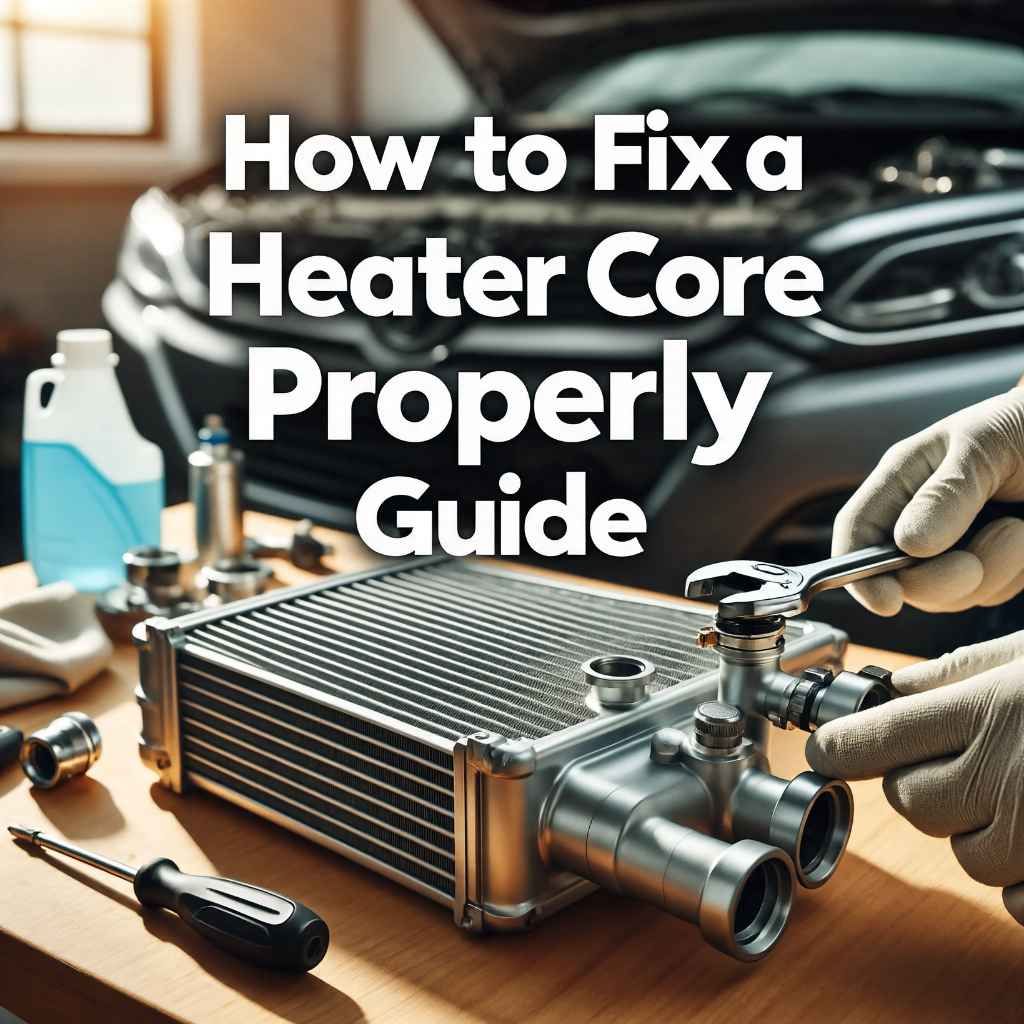
How to Fix a Heater Core Properly Guide
Fixing a heater core can seem like a big job, especially if you’re new to car repairs. You might worry about all the parts you have to take apart just to get to it. But don’t let that stop you!
It’s totally possible to tackle this yourself. We’re going to walk through How to Fix a Heater Core Properly step by step. You’ll see it’s not as scary as it sounds, and you can get your car’s heat back in no time.
Understanding the Heater Core Problem
A heater core is like a small radiator for your car’s cabin. It uses the hot coolant from your engine to warm the air that blows into the car. When it starts to fail, you’ll notice a few key signs. These include a sweet smell inside the car, foggy windows, wet floorboards on the passenger side, or simply a lack of heat. These symptoms point to a leaking or clogged heater core, which needs attention to restore comfort and prevent further damage.Common Heater Core Issues
Heater cores usually fail in one of two ways: they either leak or get clogged. A leak means coolant is escaping, often into the car’s interior. A clog means coolant can’t flow through it properly, so it can’t transfer heat. Leaking Heater Cores Leaks happen when the metal tubes or fins of the heater core corrode over time. This corrosion is often caused by old or incompatible coolant, or just the natural aging of the part. When a leak occurs, you might see puddles of coolant under your passenger side floor mat. This is a clear sign that the heater core has failed and needs to be replaced. The coolant can also leak out slowly, making it hard to spot at first, but eventually, you’ll notice the smell of sweet-smelling coolant. Clogged Heater Cores Over time, sediment and rust can build up inside the heater core, especially if the coolant hasn’t been flushed andWhy Heater Core Issues Happen
Several factors contribute to heater core problems. Age is a big one; like any part, heater cores wear out. The type and condition of the coolant are also important. Using the wrong coolant or letting it get old and dirty can cause corrosion and sludge buildup. Driving conditions and system pressure can also play a role, but for most people, it’s a combination of age and maintenance. Regular coolant flushes are the best way to prevent clogs and keep corrosion at bay, extending the life of your heater core.Gathering Tools and Preparing Your Car
Before you can start fixing your heater core, you need to get everything ready. This means gathering the right tools and making sure your car is safe to work on. Preparation is key to making the job go smoothly and preventing mistakes. Having all your supplies within reach will save you time and frustration later on.Essential Tools for the Job
You’ll need a set of basic tools for this repair. Most of these are common for car maintenance. Having good quality tools will make the work easier and safer. Socket Set and Wrenches You’ll need various sizes of sockets and wrenches to remove bolts and nuts that hold various components in place. This includes parts of the dashboard, steering column, and bracing. A ratcheting wrench can be very helpful for speeding up the process of removing multiple bolts. Screwdrivers Both Phillips head and flathead screwdrivers are necessary. You’ll use these for removing clips, screws, and prying off plastic trim pieces. Make sure you have a few different sizes to fit all the fasteners you encounter.- Pliers A good set of pliers, including needle-nose and standard pliers, is useful for gripping and manipulating small parts, hose clamps, and electrical connectors. Pliers are often essential for removing stubborn hose clamps.
- Drain Pan A Drain Pan is required to catch the coolant that will be released from the cooling system. It’s important to have a pan large enough to hold all the coolant from your system to avoid spills.
- Gloves and Eye Protection Safety first! Always wear gloves to protect your hands from grease and sharp edges, and wear safety glasses to protect your eyes from debris and coolant splashes. Coolant can be harmful if it gets in your eyes.
Safety Precautions Before You Start
Working on a car can be dangerous if you’re not careful. Taking a few safety steps ensures you stay safe throughout the repair process. This is especially important when dealing with hot fluids and electrical components.- Disconnect the Battery Always disconnect the negative terminal of your car battery before starting any work. This prevents accidental electrical shorts and makes the work area safer. It’s a simple step that can prevent a lot of potential problems.
- Let the Engine Cool Never work on a hot engine. Coolant is under pressure and extremely hot when the engine is running. Wait several hours for the engine and coolant to cool down completely before you begin draining any fluids or removing parts. This prevents severe burns.
- Work in a Well-Ventilated Area Car repair can involve fumes from fluids or cleaning agents. Always work in a well-ventilated space, like an open garage or outdoors. This helps prevent inhaling harmful vapors. Good airflow is essential for your health.
The Process: How to Fix a Heater Core Properly
Now for the main event: the actual repair. This involves gaining access to the heater core, which is often buried deep within the dashboard. Once you can reach it, you’ll remove the old one and install a new one. It’s a multi-step process that requires patience and careful attention to detail.Accessing the Heater Core
This is often the most challenging part of the job, as it requires removing significant portions of the dashboard and surrounding components. The exact steps vary greatly depending on your car’s make and model, so consulting a service manual for your specific vehicle is highly recommended.- Drain the Coolant Locate the radiator drain plug and place your drain pan underneath it. Open the plug to let the coolant drain out. You might also need to open the radiator cap to help it drain faster. Make sure you have enough coolant to refill the system afterward, or be prepared to buy more.
- Remove Dashboard Components This typically involves removing the center console, glove box, steering column cover, and sometimes even the entire dashboard. There are usually many screws, clips, and bolts holding these parts together. Take your time and keep track of all the fasteners, perhaps using labeled bags or a magnetic tray.
- Locate and Disconnect Heater Hoses The heater core is connected to the engine by two rubber hoses. These hoses carry hot coolant. They are usually located on the firewall, the metal barrier between the engine compartment and the cabin. You’ll need to carefully disconnect these hoses. Be prepared for some residual coolant to spill, even after draining the system.
- Remove the Heater Core Assembly Once the hoses are disconnected and any surrounding brackets or ductwork are removed, the heater core itself can be pulled out. It’s usually housed in a plastic or metal case. This case will need to be unbolted or unclipped to free the heater core. Be gentle when maneuvering it out to avoid damaging other components.
Replacing the Heater Core
With the old heater core out, installing the new one is the reverse process. Ensure the new part is identical to the old one before proceeding.- Install the New Heater Core Carefully place the new heater core into its housing or mounting location. Ensure it sits correctly and is properly secured. If the old core came with seals or gaskets, transfer them or use new ones to ensure a tight fit and prevent leaks.
- Reconnect Heater Hoses Attach the two heater hoses to the new heater core. Make sure the clamps are tightened securely to prevent any coolant leaks. It’s a good idea to use new hose clamps if the old ones are rusted or stretched.
- Reassemble Dashboard Components This is where you reverse all the steps you took to remove the dashboard. Carefully reattach all panels, trim pieces, and components. Ensure all screws, bolts, and clips are put back in their correct places. Double-check that everything is secure and fits properly.
- Refill and Bleed the Cooling System Once everything is reassembled, you need to refill the cooling system with the correct type and amount of coolant. After refilling, you must bleed the air out of the system. This is crucial for proper cooling and heating function. The bleeding process usually involves running the engine with the radiator cap off and the heater on high, allowing air pockets to escape.
Testing the New Heater Core
After the repair, it’s essential to test everything to make sure it works correctly and there are no leaks. This prevents you from having to do the job all over again.- Start the Engine and Check for Leaks Start the car and let it run until it reaches normal operating temperature. While it’s running, carefully inspect all connections, hoses, and the area around the new heater core for any signs of coolant leaks. Look for drips or wet spots. Also, keep an eye on the coolant level in the reservoir.
- Test Heater Performance Turn on your car’s heating system. Set the fan speed to high and the temperature to maximum heat. Feel the air coming out of the vents. It should be noticeably hot. If the air is still not hot enough or takes a long time to heat up, there might be an issue with the bleeding process or another part of the cooling system.
- Monitor Engine Temperature Keep an eye on your car’s temperature gauge. If the engine starts to overheat, it could indicate an air pocket in the cooling system that wasn’t properly bled, or a potential issue with the new heater core installation or another cooling system component. If overheating persists, shut off the engine and recheck the cooling system.
Troubleshooting Common Issues
Even after following all the steps, you might run into a few problems. It’s helpful to know what to do if things don’t go perfectly right away. Common issues usually involve leaks or the heating not working as well as expected.Dealing with Leaks After Installation
If you discover leaks after replacing the heater core, don’t panic. Most leaks are due to simple fixes that can be addressed with a bit more attention.- Loose Hose Clamps The most common cause of leaks after a heater core replacement is loose hose clamps. Go back and re-tighten all the clamps on the heater hoses. Ensure they are snug but not so tight that they damage the hose.
- Damaged Hoses Inspect the heater hoses themselves for any cracks, splits, or damage. If a hose is compromised, it will need to be replaced. Even a small crack can cause a significant leak.
- Improperly Seated Heater Core If the heater core or its housing wasn’t perfectly sealed during installation, coolant can escape. You might need to re-open the housing and ensure the seals are properly in place and the core is seated correctly.
When Heat Is Still Not Working
If you’ve replaced the heater core and still have no heat, or very little heat, several other factors could be at play. The heater core might not have been the only problem.- Air Pockets in the Cooling System Air trapped in the cooling system can prevent proper coolant circulation, leading to no heat. Thoroughly bleeding the cooling system again is essential. Sometimes, a specific bleed screw on the engine or heater hoses helps remove all air.
- Faulty Thermostat The thermostat regulates the engine’s temperature. If it’s stuck open, the engine won’t reach its optimal operating temperature, meaning there won’t be enough hot coolant to heat the cabin. Replacing a thermostat is generally a straightforward process.
- Water Pump Issues The water pump circulates coolant throughout the engine and heating system. If the water pump is failing or its impeller is damaged, coolant flow will be reduced, impacting heating performance. Signs of a bad water pump can include coolant leaks or a whining noise.
Preventive Maintenance Tips
To avoid having to deal with a heater core problem again, a little regular maintenance goes a long way. Taking care of your car’s cooling system is the best defense.- Regular Coolant Flushes Follow your car manufacturer’s recommended schedule for flushing and replacing the coolant. This removes old coolant, sediment, and rust that can clog the heater core and other parts of the cooling system. Using the correct type of coolant is also very important.
- Inspect Hoses and Clamps Periodically check the heater hoses for signs of wear, such as cracks, bulges, or softness. Also, check the hose clamps to ensure they are secure. Replacing worn hoses and tight clamps can prevent leaks and failures.
- Monitor Coolant Levels Keep an eye on your coolant reservoir level. Low coolant can mean a leak somewhere in the system, which could eventually affect the heater core. Address any coolant loss promptly.