
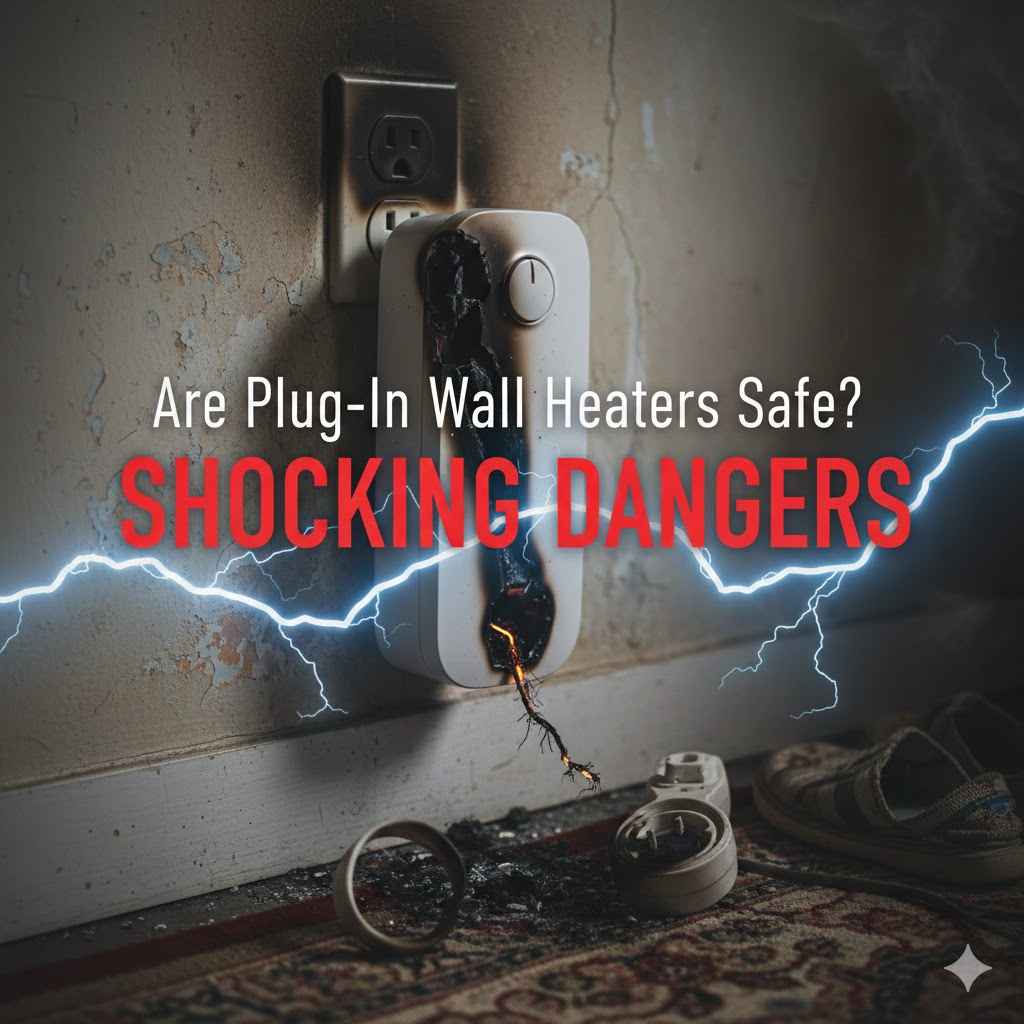
Plug-in wall heaters, often known as portable electric space heaters, can be a handy way to warm up a chilly room, but they come with significant safety risks, particularly fire and electrical hazards. Used improperly, they are a leading cause of home fires. It’s vital to understand these dangers and follow strict safety guidelines to prevent accidents and keep your home warm and secure.
Winter’s chill has a way of finding every nook and cranny in our homes, leaving us searching for a quick fix to stay cozy. Many of us turn to those trusty plug-in wall heaters, also known as portable electric space heaters. They promise instant warmth, convenience, and a quick escape from the cold, making them a popular choice for extra heat. But beneath that comforting warmth lies a surprising truth: these heaters can hide serious dangers if you’re not careful. The good news is, you don’t have to shiver through winter! I’m here to guide you through understanding the real risks and, more importantly, show you simple, step-by-step ways to keep your home safe and warm all season long.
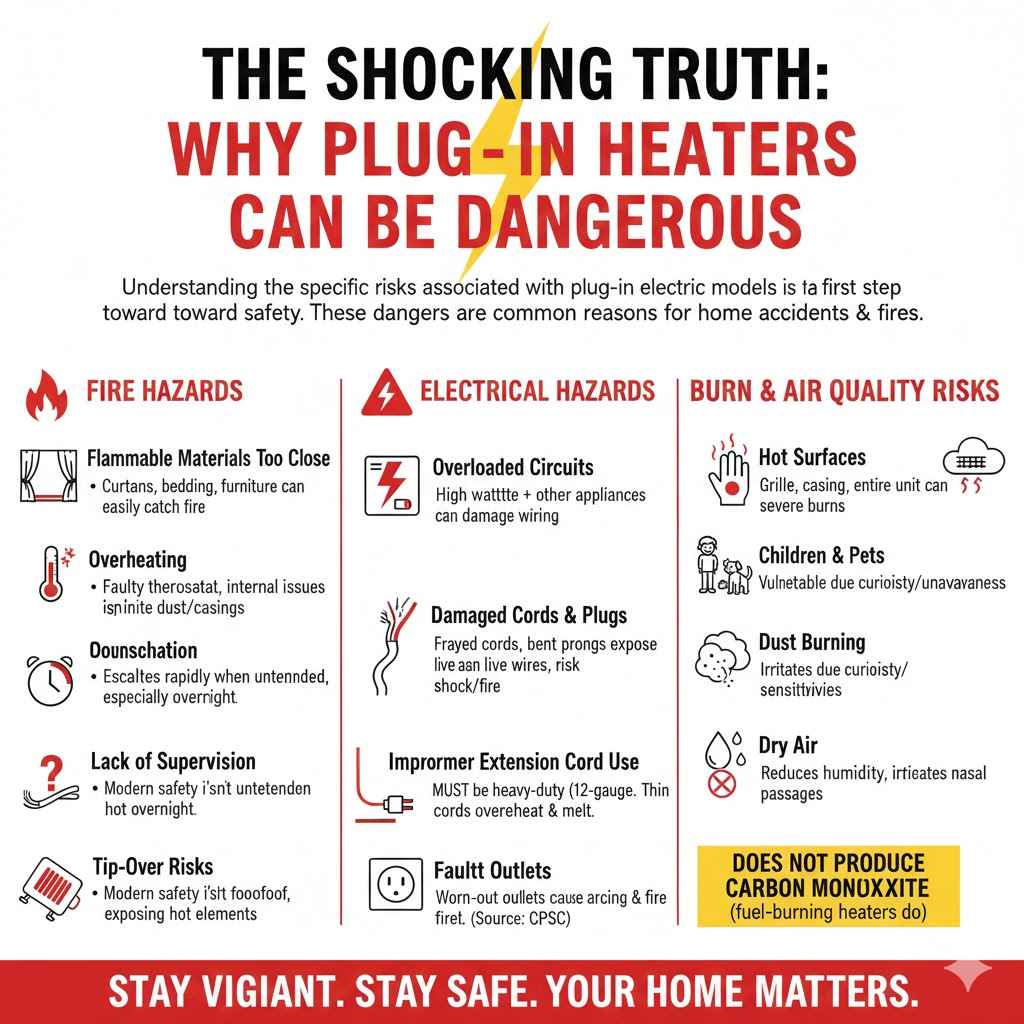
The Shocking Truth: Why Plug-In Heaters Can Be Dangerous
It’s easy to think of a heater as just a heater, but understanding the specific risks associated with plug-in electric models is the first step toward safety. These dangers aren’t just rare occurrences; they are common reasons for home accidents and fires, according to leading safety organizations. Knowing these risks helps you approach using them with the right amount of caution and knowledge.
Fire Hazards: The Biggest Threat
When we talk about dangers, fire is at the top of the list for plug-in electric heaters. These devices use a lot of power to generate heat, and if that heat isn’t managed properly, it can quickly become a serious problem. The National Fire Protection Association (NFPA) consistently reports that heating equipment is a leading cause of home fires, and portable electric heaters play a significant role in those statistics. Let’s break down why.
- Flammable Materials Too Close: Heaters work by converting electricity into heat, which radiates outward. If curtains, bedding, furniture, clothing, or even papers are too close, they can easily catch fire. The heat output from a small heater can be surprisingly intense and spread quickly.
- Overheating: Sometimes, a heater itself can overheat. This might be due to a faulty thermostat, internal electrical issues, or simply being left on for too long in a confined space. When internal components get too hot, they can ignite nearby dust, lint, or even their own plastic casings, leading to a fire.
- Lack of Supervision: Fires often start when heaters are left on and unattended, especially overnight or when no one is home. A small spark or overheating incident can escalate rapidly without anyone there to intervene.
- Tip-Over Risks: Many portable heaters are lightweight and can be easily knocked over by children, pets, or accidental bumps. While modern heaters often have tip-over shut-off switches, these aren’t foolproof, especially on older or cheaper models, potentially exposing hot heating elements to flammable surfaces.
Electrical Hazards: Shocks and Overloads
Beyond fire, plug-in heaters pose significant electrical risks. These devices demand a lot of power, which can stress your home’s electrical system if not handled correctly. An average portable heater uses anywhere from 750 to 1,500 watts, which is a considerable load for a standard household circuit.
- Overloaded Circuits: Plugging a high-wattage heater into a circuit that’s already powering other appliances (like a microwave, hair dryer, or computer) can overload it. This causes the circuit breaker to trip, cutting power to prevent overheating wires. While a tripped breaker is a safety feature, repeated overloads can slowly damage your home’s wiring over time, increasing fire risk.
- Damaged Cords and Plugs: Frayed cords, bent prongs, or cracked insulation can expose live wires. Touching these can lead to electric shock. A damaged cord can also overheat, melt, or short-circuit, potentially starting an electrical fire.
- Improper Extension Cord Use: Most manufacturers strongly advise against using extension cords with space heaters. If you must use one, it absolutely needs to be a heavy-duty, outdoor-rated cord specifically designed for high-wattage appliances (14-gauge or lower, like 12-gauge). Regular, thin extension cords can’t handle the current, leading to overheating, melting, and fire. The U.S. Consumer Product Safety Commission (CPSC) warns against this common mistake.
- Faulty Outlets: Worn-out or loose outlets can prevent a heater plug from making a secure connection. This can cause arcing (electrical sparks), overheating at the outlet, and eventually a fire.
Burn Hazards: Direct Contact Risks
Many plug-in heaters, especially those with exposed heating elements or metal casings, can reach extremely high temperatures on their surfaces. Accidental contact can result in severe burns, particularly for young children or pets who might not recognize the danger.
- Hot Surfaces: Heaters work by getting hot. The grille, the casing, and sometimes even the entire unit can be incredibly hot to the touch. Even ceramic models can retain significant heat.
- Children and Pets: Their curiosity or unawareness makes them especially vulnerable. A toddler reaching out to touch the glow or a pet brushing against it can suffer serious burns quickly.
Indoor Air Quality Concerns
While not a direct “shocking danger” in the same vein as fire or electrical shock, plug-in electric heaters can sometimes affect your indoor air quality, which is important for your overall health and comfort.
- Dust Burning: When dust settles on the heating elements of an electric heater and then the heater is turned on, the dust can burn, releasing a faint smell and small particles into the air. While usually harmless, it can be irritating for people with respiratory sensitivities or allergies.
- Dry Air: By heating the air, especially in a contained space, heaters can sometimes reduce the humidity, leading to dry air that can irritate nasal passages, skin, and eyes. This is more of a comfort issue than a direct danger but something to be aware of.
It’s important to clarify that electric plug-in heaters do not produce carbon monoxide. Carbon monoxide is a byproduct of combustion (burning fuel like gas, oil, wood, or propane). If you have a fuel-burning portable heater, it’s a completely different and far more dangerous scenario requiring extreme ventilation, but common electric plug-in heaters are safe from that specific risk.
Why We Love Them: Convenience and Cost
Despite the potential dangers, it’s understandable why so many of us rely on plug-in heaters. They offer several benefits that make them attractive for supplemental heating.
- Targeted Warmth: They let you heat just one room or a specific area, rather than warming your entire home, which can save on energy costs compared to turning up the thermostat for the whole house.
- Portability: Need warmth in the bedroom in the morning and the home office in the afternoon? No problem. Their compact size and lightweight design make them easy to move wherever extra heat is needed.
- Quick Heat: Many models provide almost instant warmth, making a cold room feel comfortable much faster than waiting for a central heating system to catch up.
- Low Upfront Cost: Compared to installing a new central heating system or even a mini-split, a plug-in heater is a very affordable purchase.
Staying Warm Safely: Your Essential Guide
The good news is that you don’t have to give up the convenience of a plug-in heater. By understanding the risks and following some simple, but crucial, safety guidelines, you can significantly reduce the chances of an accident. Think of me as your personal home heating coach, guiding you through each step.
1. Choose the Right Heater: Safety Features Matter
Not all heaters are created equal. When buying a new one, look for specific features that can make a big difference in safety. Always choose a heater that has been certified by a recognized testing laboratory like Underwriters Laboratories (UL), ETL, or CSA. This certification means it meets rigorous safety standards.
| Safety Feature | What It Does | Why It’s Important |
|---|---|---|
| Automatic Tip-Over Shut-Off | Turns the heater off automatically if it’s knocked over. | Prevents continuous heating elements from igniting flooring or other materials if the heater falls. |
| Overheat Protection | Turns the heater off if its internal components or the surrounding area get too hot. | Protects against internal malfunctions and prevents the heater from becoming a fire hazard due to excessive heat. |
| Adjustable Thermostat | Allows you to set a desired room temperature, and the heater cycles on/off to maintain it. | Prevents continuous heating, saving energy and reducing the risk of overheating the room or the unit itself. |
| Cool-Touch Exterior | Designed so the outer casing remains relatively cool, even when the heating elements are hot. | Reduces the risk of accidental burns, especially important in homes with children or pets. |
| GFCI Plug (for bathroom use) | Interrupts power if it detects a ground fault, preventing electric shock in wet areas. | Essential for any electrical appliance used near water; provides an extra layer of shock protection. |
2. Smart Placement: The “Three-Foot Rule”
Where you put your heater is one of the most important safety decisions you’ll make. The “Three-Foot Rule” is your golden standard:
- Maintain a Safety Zone: Always keep your plug-in heater at least three feet (about one meter) away from anything flammable. This includes curtains, bedding, blankets, furniture, clothing, paper, rugs, and even pets.
- Stable, Level Surface: Place the heater on a hard, non-flammable, and level surface. Never put it on carpet, rugs, unstable tables, or elevated surfaces where it could easily tip over.
- Clear Airflow: Ensure the heater isn’t blocked by furniture or other items. Blocked vents can lead to overheating.
- Avoid Wet Areas: Keep heaters out of bathrooms, laundry rooms, or any areas where they might come into contact with water, unless they are specifically designed and certified for such use (and even then, extreme caution is needed). Water and electricity are a dangerous mix.
- Never in Exit Paths: Don’t place a heater in a doorway or high-traffic area where it could be a tripping hazard or block an escape route.
3. Electrical Safety: Your Circuit’s Best Friend
Your home’s wiring is designed to handle a certain amount of electricity. Overloading it with a heater is a recipe for disaster.
- Direct into a Wall Outlet: Always plug your heater directly into a wall outlet. This is perhaps the most crucial rule for electrical safety. Extension cords, power strips, and surge protectors are generally NOT designed to handle the continuous high wattage drawn by a space heater. If you absolutely must use an extension cord (which I strongly advise against), it must be a heavy-duty, low-gauge cord (14-gauge or lower, like 12-gauge or 10-gauge) specifically rated for appliance use, and it should be as short as possible.
- Dedicated Circuit Check: Ideally, a space heater should be on its own dedicated circuit. If other high-wattage appliances are on the same circuit, choose a different outlet or turn off other devices to prevent overloading. If your breaker trips repeatedly, it’s a clear sign your circuit is overloaded or there’s an electrical issue that needs professional attention.
- Inspect Cords and Plugs: Before each use, quickly check the heater’s cord and plug. Look for any signs of fraying, cuts, melting, or discoloration. If you see damage, stop using the heater immediately and replace it. Never try to repair a damaged cord yourself.
- No Covering Cords: Never run the power cord under rugs, carpets, or furniture. This can damage the cord, causing it to overheat and potentially spark a fire that goes unnoticed until it’s too late.
4. Responsible Use and Maintenance
Ongoing care and careful usage are essential for long-term safety.
- Never Leave Unattended: This is non-negotiable. Turn off and unplug your heater whenever you leave the room, leave your home, or go to sleep. Fires can start quickly, and without someone present to react, they can become devastating.
- Regular Cleaning: Dust and lint can build up on heater grilles and inside the unit. This not only makes the heater less efficient but can also ignite if it gets too hot. Unplug the heater and use a vacuum cleaner with a brush attachment or compressed air to clean it regularly, following the manufacturer’s instructions.
- Store Properly: When not in use, store your heater in a dry, safe place where the cord won’t be pinched or damaged. Avoid extreme temperatures during storage.
- Educate Your Household: Make sure everyone in your home, especially older children, understands the safety rules for using plug-in heaters. Knowing when and where to use them (and where not to) is crucial.
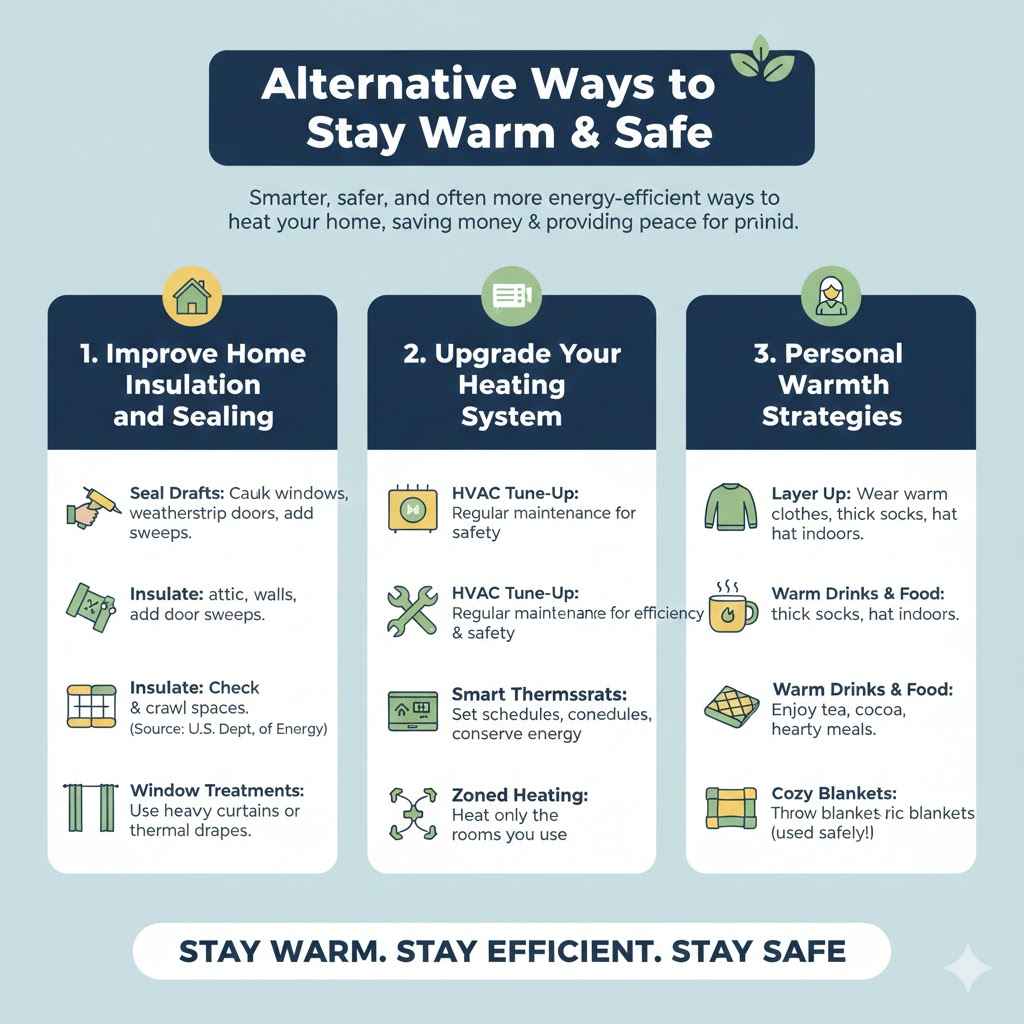
Alternative Ways to Stay Warm & Safe
While plug-in heaters can be useful, they shouldn’t be your primary heating solution or a replacement for an efficient central heating system. Thinking about smarter, safer, and often more energy-efficient ways to stay warm can benefit your wallet and your peace of mind.
1. Improve Home Insulation and Sealing
The best way to stay warm is to keep the heat you already have! Drafts and poor insulation are huge energy wasters. Investing in these improvements often pays for itself over time.
Seal Drafts: Use caulk to seal cracks around windows and doors. Weatherstripping can be added to doors and operable windows. Door sweeps can block drafts under exterior doors. This can make a huge difference in keeping warm air in.
Insulate: Check the insulation in your attic, walls, and crawl spaces. Proper insulation acts like a blanket for your home, preventing heat from escaping in winter and entering in summer. The U.S. Department of Energy provides excellent guides on home insulation.
Window Treatments: Heavy curtains or thermal drapes can help insulate windows, blocking cold drafts and trapping heat inside.
2. Upgrade Your Heating System
Sometimes, the safest and most efficient solution is to improve your main heating system.
HVAC Tune-Up: Regular maintenance of your central furnace or heat pump ensures it runs efficiently and safely. A professional tune-up can identify potential issues before they become major problems.
Smart Thermostats: Install a programmable or smart thermostat. These allow you to set schedules for heating, ensuring your home is warm when you need it and conserving energy when you don’t. Some even learn your habits over time.
Zoned Heating: If you only use certain rooms, consider a zoned heating system or ductless mini-splits. These systems allow you to control the temperature in different areas of your home independently, providing warmth only where it’s needed without the risks of portable heaters.
3. Personal Warmth Strategies
Don’t underestimate the power of simple, personal ways to stay warm without electricity.
Layer Up: Wearing multiple layers of clothing, thick socks, and even a hat indoors can keep you surprisingly warm and allow you to set your thermostat a few degrees lower.
Warm Drinks and Food: Enjoying hot beverages like tea or cocoa, or hearty warm meals, can raise your internal body temperature and make you feel cozier.
Cozy blankets: A warm throw blanket on the couch or an electric blanket (used safely!) in bed can provide direct, personal warmth without heating the entire room.
- Frequently Asked Questions About Plug-In Heater Safety
- I get a lot of questions about these heaters, and that’s totally normal! Here are some common ones that homeowners like you often ask, with clear, straightforward answers to help put your mind at ease.
FAQ
Q1: Can I leave a plug-in heater on overnight?
A: No, it’s strongly recommended that you never leave a plug-in heater on overnight or when you are sleeping. Most heater fires happen when people are asleep or not in the room to notice a problem immediately. Always turn it off and unplug it before bed or leaving the room.
Q2: Is it okay to use an extension cord with my plug-in heater?
A: Generally, no. Most manufacturers and safety experts advise against using extension cords with space heaters. If absolutely necessary, you must use a very heavy-duty, low-gauge (e.g., 12-gauge or 10-gauge), outdoor-rated extension cord that is shorter rather than longer. Regular extension cords can’t handle the power and can overheat, melt, and cause fires.
Q3: How far away should my plug-in heater be from furniture and curtains?
A: Always keep your plug-in heater at least three feet (one meter) away from anything flammable, including furniture, curtains, bedding, rugs, and clothing. This “three-foot rule” is crucial to prevent fire hazards.
Q4: Do plug-in electric heaters produce carbon monoxide?
A: No, standard electric plug-in heaters do not produce carbon monoxide. Carbon monoxide is a byproduct of burning fuels like gas, oil, or wood. Electric heaters heat through electrical resistance, not combustion. If you have a fuel-burning portable heater, that’s a different and more dangerous situation.
Q5: My heater smells like burning plastic or dust. Is that normal?
A: A slight dusty smell might occur the first time you use a heater each season, as dust burns off the heating elements. However, a strong smell of burning plastic or any electrical odor is NOT normal and indicates a serious problem. Unplug the heater immediately and stop using it. It might be faulty or overheating, posing a fire risk.
Q6: Can I use a plug-in heater in the bathroom?
A: Most plug-in heaters are not safe for bathroom use due to the risk of electric shock near water. If you must use one, it should be specifically designed and certified for bathroom use, feature a Ground Fault Circuit Interrupter (GFCI) plug, and still be kept well away from water sources like sinks, showers, and tubs. Even then, extreme caution is necessary.
Q7: What’s the difference between a ceramic heater and an oil-filled radiator in terms of safety?
A: Both are types of electric plug-in heaters. Ceramic heaters heat up quickly and provide direct, fan-forced heat. Their exterior can get quite hot, though many have cool-touch features. Oil-filled radiators heat up slowly but retain heat longer, radiating warmth. Their surface temperatures are generally lower than ceramic heaters, making them a slightly safer choice for homes with children or pets, but the three-foot rule still applies to both types.
Conclusion: Empowering Your Warmth and Safety
As your trusted home heating guide, my goal is always to empower you to make informed choices for a comfortable and safe home. Plug-in wall heaters, or portable electric space heaters, are incredibly handy tools for adding warmth, but they come with a responsibility to understand and manage their inherent risks. The “shocking dangers” of fire and electrical hazards are real, but they are also largely preventable with the right knowledge and habits.
Remember the simple rules: choose a heater with essential safety features, give it plenty of space from anything flammable (the three-foot rule!), plug it directly into a wall outlet, and never, ever leave it unattended. By keeping these straightforward guidelines in mind, you’re not just operating a heater; you’re actively creating a safer environment for yourself and your loved ones. And don’t forget to explore other smart strategies, like sealing drafts and improving insulation, to build a truly warm, energy-efficient, and secure home. You’ve got this, and together, we can make your home a haven of comfort and peace of mind all winter long.