Are Propane Wall Heaters Safe With Kids: Essential Facts
Propane wall heaters can be a safe heating option even with kids, but only when carefully chosen, professionally installed, and diligently maintained. Key safety measures include selecting vented models, ensuring proper ventilation, installing carbon monoxide detectors, child-proofing the area, and never leaving children unsupervised near an operating heater. Following manufacturer guidelines and regular checks are essential for peace of mind.
Thinking about keeping your home cozy with a propane wall heater, but worried about the little ones? It’s a completely natural concern for any parent or caregiver! We all want a warm home, but not at the expense of our children’s safety. Many families use propane heaters effectively, and it’s possible to do so safely when you know the facts and take the right steps. This guide will walk you through everything you need to understand about propane wall heaters and how to ensure they’re safe in a home with kids. By the end, you’ll have clear, actionable advice to help you make informed decisions and create a warm, secure environment. Let’s explore how to achieve comfort and safety together!
Understanding Propane Wall Heaters: The Basics
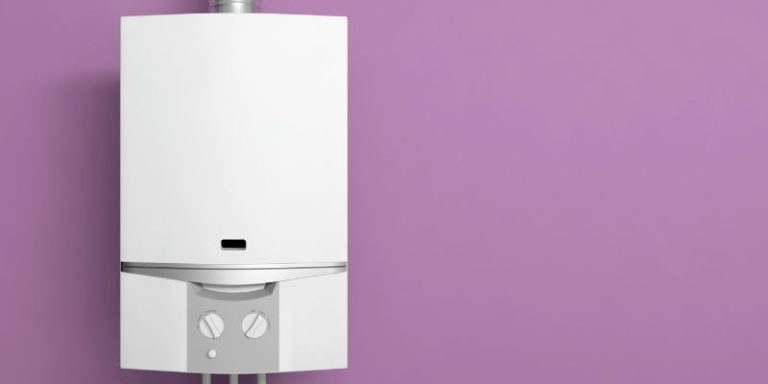
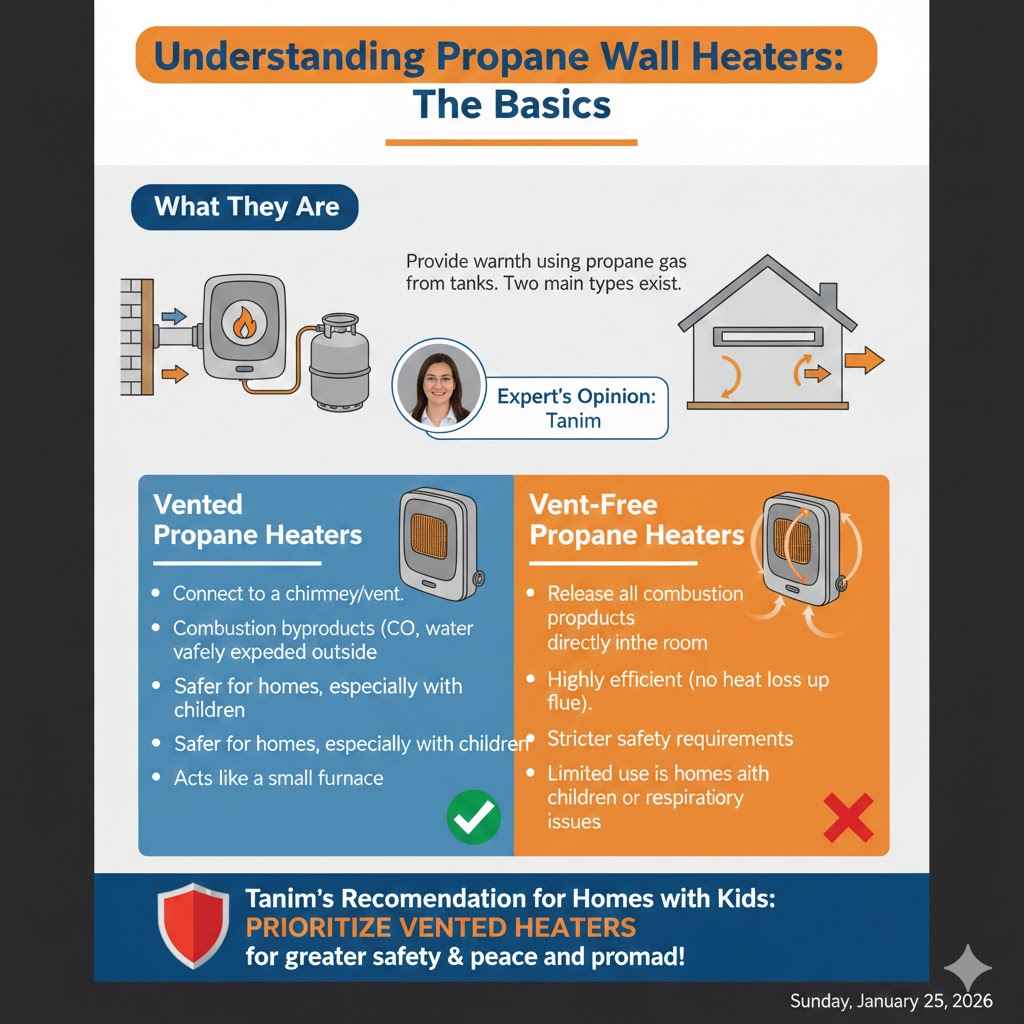
Propane wall heaters are a popular choice for many homes, offering a convenient way to add warmth to specific rooms or even as a primary heat source. They run on propane gas, which is stored in tanks and delivered to the heater through a gas line. Before we dive into safety, let’s quickly touch on the main types you’ll encounter.
Types of Propane Wall Heaters
- Vented Propane Heaters: These heaters connect to a vent or chimney system that directs combustion byproducts (like carbon monoxide and water vapor) safely outside your home. This is a crucial distinction for safety, especially with children around. They operate like a small furnace, pulling in fresh air for combustion and expelling exhaust.
- Vent-Free Propane Heaters: Also known as unvented heaters, these units release all combustion byproducts directly into the room they are heating. While highly efficient because no heat escapes up a flue, they come with stricter safety requirements and limitations, particularly in homes with vulnerable occupants like children or those with respiratory issues.
For homes with kids, the recommendation from safety experts and myself, Tanim, is almost always to prioritize vented propane heaters. They inherently offer a higher level of safety by removing dangerous gases from your living space, giving you greater peace of mind.
Are Propane Wall Heaters Safe With Kids? Addressing Key Concerns
The core question for any family is whether propane wall heaters can truly be safe around children. The simple answer is yes, they can be, but it depends entirely on how they are selected, installed, and managed. Let’s look at the primary safety concerns and how to mitigate them.
The Silent Threat: Carbon Monoxide (CO)
Carbon monoxide is an odorless, colorless gas produced by the incomplete combustion of fuels like propane. It can be deadly if inhaled in sufficient quantities. Children, with their smaller bodies and faster metabolisms, are often more susceptible to CO poisoning than adults.
- Vented vs. Vent-Free: Vented heaters are designed to send CO outside. Vent-free heaters release CO indoors, albeit in very small, regulated amounts when operating correctly. However, a malfunction or inadequate ventilation can quickly lead to dangerous CO levels with vent-free units. This is why many experts advise against vent-free heaters in homes with children.
- Detection is Key: Regardless of heater type, installing UL-listed carbon monoxide detectors on every level of your home, especially near sleeping areas, is non-negotiable. These devices are your first line of defense against this invisible danger. Regularly test them according to manufacturer instructions. For more information on CO safety, visit the CDC’s Carbon Monoxide Poisoning Prevention page.
Burn Hazards: Hot Surfaces and Curious Hands
Heaters, by their very nature, produce heat. This means their surfaces can become extremely hot, posing a burn risk, especially to young children who might touch them out of curiosity. Some propane heaters have safety screens or cool-to-touch exteriors, but many do not.
- Surface Temperatures: Even modern heaters can reach high temperatures. A child’s skin is more delicate and can burn faster and more severely than an adult’s.
- Prevention: Child-proofing the area around the heater is vital. We’ll cover specific strategies for this in detail, but think physical barriers and constant supervision.
Fire Risk: Leaks, Overheating, and Obstructions
Any heating appliance carries some level of fire risk. With propane heaters, this can stem from gas leaks, placing flammable materials too close, or internal malfunctions.
- Gas Leaks: Propane gas itself is highly flammable. While propane has an odor added (a “rotten egg” smell) to help detect leaks, a child might not recognize this danger. Regular inspections are important.
- Clearances: Placing furniture, curtains, toys, or bedding too close to a heater can cause them to ignite. Always maintain the minimum clearance distances specified by the heater’s manufacturer.
- Overheating: A malfunctioning heater could overheat, creating a fire hazard. Proper installation and maintenance help prevent this.
Air Quality Concerns: Oxygen Depletion and Moisture
Vent-free heaters consume oxygen from the room and produce water vapor as a byproduct of combustion. While less of a concern with vented units, these issues can still arise if ventilation is inadequate or the unit is improperly sized or maintained.
- Oxygen Depletion: If a vent-free heater operates in a tightly sealed room without fresh air, it can deplete the oxygen level, leading to discomfort or even health issues over time.
- Moisture Buildup: The water vapor released by vent-free heaters can increase humidity, leading to condensation, mold, and mildew issues, which can affect respiratory health.
Ventilation: The Unsung Hero of Propane Heater Safety
Good ventilation is absolutely critical, especially when you have children in the home. It directly impacts air quality and the risk of CO poisoning.
Why Proper Ventilation is Crucial
- Exhaust Removal (Vented Heaters): For vented models, the ventilation system (flue or chimney) ensures that all combustion gases, including CO, are safely routed out of your home. A clear, unobstructed, and properly sized vent is paramount.
- Fresh Air Supply (Vent-Free Heaters): If you must use a vent-free heater (though not recommended with kids), continuous fresh air supply is essential. This could mean keeping a window slightly ajar, or ensuring your home isn’t “too tight.” However, this often defeats the efficiency benefits of a vent-free unit.
- Preventing Oxygen Depletion: Even with vented units, if a home is extremely airtight and you’re running multiple combustion appliances, it can lead to “back-drafting” where exhaust is pulled back into the home. Adequate fresh air intake minimizes this risk.
Checking Your Ventilation System
Before installing or using a propane wall heater, have a professional inspect your home’s ventilation. This includes:
- Chimney/Flue Inspection: Ensure it’s clean, free of obstructions (nests, debris), and correctly sized for the heater.
- Air Supply: Confirm your home has adequate air for combustion, especially if you have other gas appliances.
- Draft Test: A professional can test the draft of your chimney or vent to ensure gases are moving outwards effectively.
Installation Matters: Professional Setup is Key
This is not a DIY project when kids are involved. Proper installation by a qualified professional is the single most important step in ensuring the safety of your propane wall heater.
Why Hire a Professional?
- Correct Sizing: An expert will correctly size the heater for your room, preventing oversizing (which leads to short cycling and inefficiency) or undersizing (which means it struggles to heat, potentially running too long).
- Proper Venting: They ensure the vent pipe is correctly installed, sealed, and meets all local building codes and manufacturer specifications. This is critical for vented units.
- Gas Line Installation: Propane gas lines require precise installation to prevent leaks. Professionals have the tools and expertise to ensure secure connections.
- Clearance Requirements: They will ensure the heater is installed with proper clearances from combustible materials (walls, furniture, curtains) as per manufacturer guidelines.
- Code Compliance: Professional installers are aware of and adhere to all local and national building and safety codes. Ignoring codes can lead to dangerous situations and void insurance.
- Testing: They will test for gas leaks and proper operation after installation.
Never compromise on professional installation. It’s an investment in your family’s safety and the longevity of your heating system.
Safe Operation & Maintenance Practices for Peace of Mind
Once installed, the ongoing safety of your propane wall heater, especially around kids, relies heavily on your operational habits and routine maintenance.
Daily Operating Habits
- Follow Manufacturer’s Instructions: Always keep the owner’s manual handy and follow all operating instructions, warnings, and safety precautions.
- Never Leave Unattended (Especially Vent-Free): If using a vent-free heater, never leave it running when you leave the house or when everyone is sleeping. This also applies to any portable propane heater. For vented wall heaters, ensure CO detectors are active.
- Maintain Clearances: Regularly check that nothing combustible (toys, clothes, pet beds, blankets, newspapers) is within the manufacturer’s specified clearance zones around the heater. A good rule of thumb is at least three feet of clear space in all directions.
- Supervision: Children should never be left unsupervised in a room with an active propane heater.
- Educate Older Children: Teach older children about the dangers of touching the heater and the importance of keeping objects away from it.
Regular Maintenance Schedule
Just like your car, your heater needs regular check-ups to run safely and efficiently. Here’s what to look for:
- Annual Professional Inspection: Have a qualified HVAC technician inspect your propane wall heater at least once a year, ideally before the heating season begins. They will check:
- Gas connections and lines for leaks.
- Burners for proper flame appearance.
- Ventilation system (flue, chimney) for obstructions or damage.
- Thermostat accuracy.
- Carbon monoxide detector functionality.
- Keep it Clean: Dust and debris can accumulate on and inside the heater. Gently clean the exterior with a damp cloth when the heater is cool. Refer to your manual for internal cleaning instructions, which may require a professional.
- Check for Damage: Periodically inspect the heater for any visible damage, such as dents, cracks, or loose connections. If you find anything, stop using the heater immediately and call a professional.
- Listen and Smell: Pay attention to any unusual noises, smells (like rotten eggs – indicating a gas leak), or changes in flame appearance (a healthy propane flame is mostly blue, not yellow or orange). If you notice anything concerning, turn off the heater, evacuate, and call for help.
Kid-Proofing Your Heating Zone
This is where proactive parenting meets practical home safety. Keeping little hands and bodies safe from a hot heater is paramount.
Physical Barriers: Your Best Friend
The most effective way to protect children from hot surfaces is to create a physical barrier.
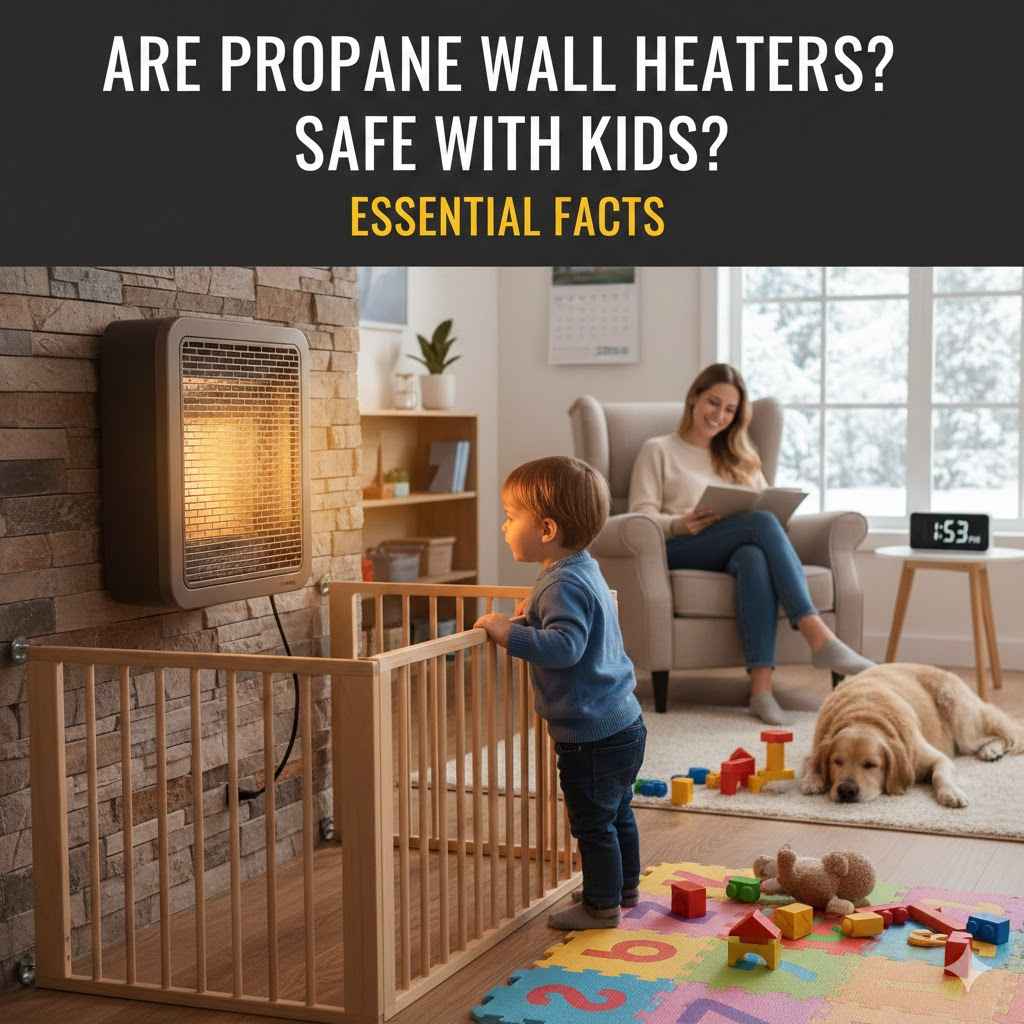
- Safety Gates/Playpens: Industrial-strength safety gates or fireplace gates can be arranged around the heater to create a “no-go” zone. Look for sturdy metal gates that cannot be easily pushed over or climbed by children. Ensure the gate is anchored securely.
- Hearth Guards: If your propane heater is built into a fireplace, a hearth guard can prevent children from getting too close to the hot opening.
- DIY Solutions (with Caution): While less ideal than purpose-built barriers, furniture arranged to block access can work in a pinch, but ensure it meets clearance requirements and can’t be pulled over.
Placement and Positioning
The initial placement of your wall heater also plays a role in child safety.
- High Traffic Areas: Avoid installing heaters in narrow hallways or areas where children frequently play or run, increasing the chance of accidental contact.
- Out of Reach: Ideally, the heater should be installed at a height where it’s difficult for toddlers to reach the main body or controls.
- Away from Play Zones: Designate play areas away from the heater’s immediate vicinity.
Educating Your Children
As children grow, education becomes a powerful tool. Tailor your message to their age and understanding.
- “Hot, Don’t Touch”: For toddlers, consistently teach and remind them that the heater is hot and not to be touched.
- Visual Cues: Point to the heater and use simple, firm language.
- Safety Rules: For older children, establish clear rules like “stay three feet away,” “never put anything on the heater,” and “don’t play near it.” Explain why these rules are important in a way they can grasp, focusing on burns and fire.
Emergency Preparedness: What to Do If Something Goes Wrong
Even with all precautions, it’s wise to be prepared for the unexpected. Knowing what to do in an emergency can save lives.
Carbon Monoxide Alarm Sounds
If your CO detector goes off:
- Evacuate Immediately: Get everyone, including pets, out of the house into fresh air. Do not try to find the source.
- Call Emergency Services: Once outside, call 911 (or your local emergency number) and your gas provider.
- Do Not Re-enter: Wait for emergency personnel to declare your home safe before going back inside.
Smelling Gas (Rotten Eggs)
If you smell propane gas:
- No Sparks/Flames: Do not operate light switches, phones, appliances, or anything that could create a spark. Do not light a match.
- Evacuate: Get everyone out of the house immediately.
- Call for Help: Once outside, call 911 and your propane supplier.
Small Fire
If a small fire erupts from or near the heater:
- Evacuate: Prioritize getting all family members, especially children, out of the house.
- Call Fire Department: Call 911 immediately.
- Use Extinguisher (if safe): If it’s a very small, contained fire and you have a readily accessible, appropriate fire extinguisher (Class B or ABC for gas fires), and you feel confident and safe to do so, attempt to put it out. Otherwise, do not attempt to fight the fire.
Ensure your family has an escape plan and practices it regularly. Designate a meeting point outside your home where everyone can gather safely.
Propane Wall Heater Safety Checklist for Families
To help you keep track, here’s a handy checklist to ensure your propane wall heater is as safe as possible for a home with children.
| Safety Aspect | Checklist Item | Notes for Families |
|---|---|---|
| Heater Type | ✓ Choose Vented Propane Heaters | Strongly recommended over vent-free for homes with children. |
| Carbon Monoxide | ✓ Install UL-listed CO detectors on every level | Test monthly; replace batteries annually or as needed. |
| Installation | ✓ Professional Installation & Sizing | Ensures correct venting, gas lines, and code compliance. |
| Ventilation | ✓ Annual Professional Vent/Chimney Inspection | Ensure clear, unobstructed exhaust path. |
| Clearances | ✓ Maintain Manufacturer-specified clearances (min. 3 feet) | Keep furniture, curtains, toys, bedding away from the heater. |
| Burn Protection | ✓ Install Physical Safety Barriers (gates, screens) | Prevent children from touching hot surfaces. |
| Supervision | ✓ Never Leave Children Unsupervised Near Active Heater | Constant vigilance, especially with toddlers. |
| Maintenance | ✓ Annual Professional Servicing | Check for leaks, proper flame, system integrity. |
| Emergency Prep | ✓ Family Escape Plan & Practice Drills | Designate meeting point; know what to do in case of alarm or smell. |
| Education | ✓ Teach Children Heater Safety Rules | Age-appropriate warnings about heat and fire. |
Comparing Heating Options: A Brief Look at Safety Around Kids
While this article focuses on propane wall heaters, it’s helpful to briefly consider how other heating methods compare in terms of safety with kids. This context can help you decide if a propane wall heater is truly the best fit for your family’s needs.
Different Heater Types and Child Safety Considerations
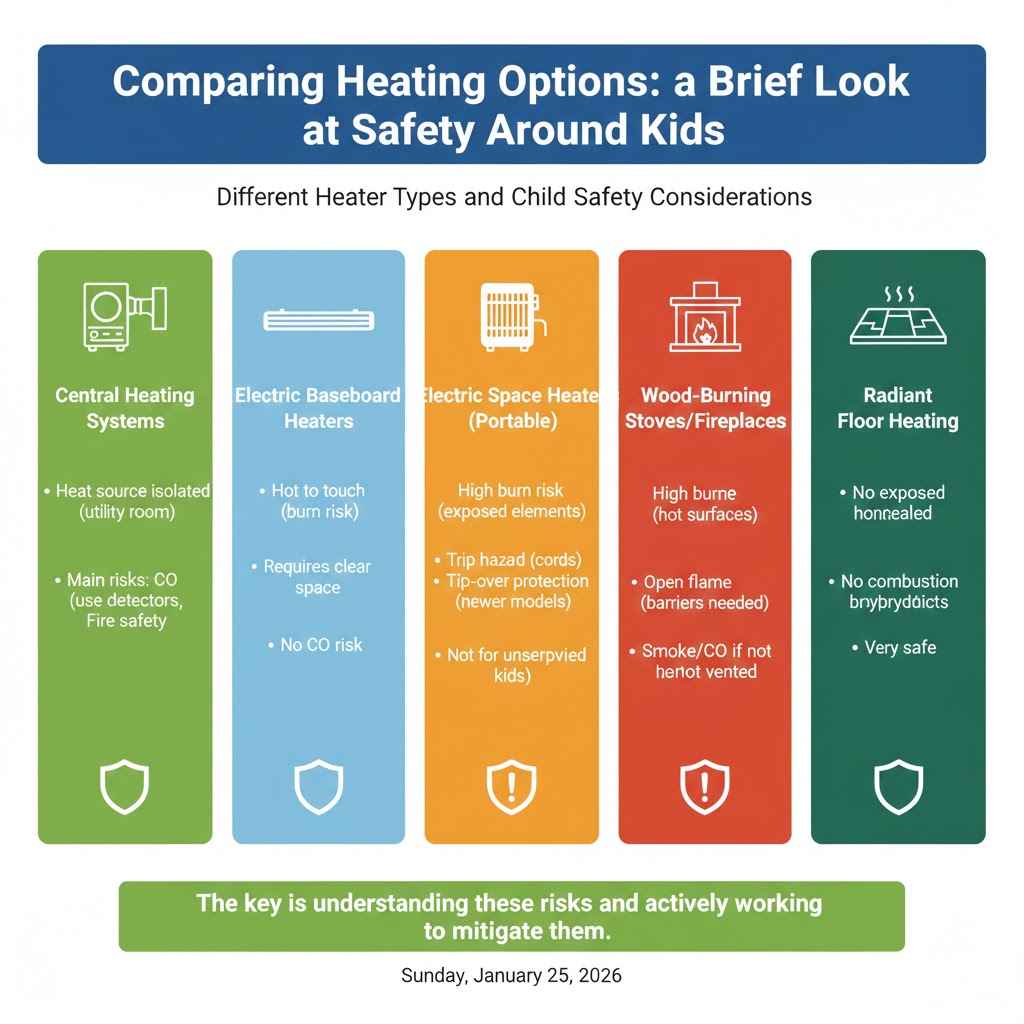
Here’s a quick comparison of various heating methods and their general safety profiles when children are present:
- Central Heating Systems (Furnaces, Boilers): Generally very safe as the heat source is often in a utility room or basement, away from living spaces. Vents are usually not hot enough to cause burns. Main risks are CO from combustion (requiring detectors) and general fire safety.
- Electric Baseboard Heaters: Can get hot to the touch, posing a burn risk. Require clear space around them. No combustion byproducts, so no CO risk from the heater itself.
- Electric Space Heaters (Portable): High burn risk due to exposed heating elements. Trip hazard from cords. Many newer models have tip-over protection and cool-touch exteriors, but vigilance is key. Not recommended as a primary heat source in rooms with unsupervised children.
- Wood-Burning Stoves/Fireplaces: High burn risk from hot surfaces and open flames. Require substantial safety barriers (fireplace screens, hearth guards). Produce smoke and CO if not properly vented. Require careful attention and maintenance.
- Radiant Floor Heating: Considered one of the safest options as the heat source is entirely concealed within the floor. No exposed hot surfaces, no combustion byproducts in the living space.
Each heating type has its pros and cons regarding child safety. Propane wall heaters, particularly vented models, can strike a good balance between effective heating and manageable safety risks when proper precautions are in place. The key is understanding these risks and actively working to mitigate them.
FAQ: Your Questions About Propane Wall Heaters and Kids Answered
Q1: Are all propane wall heaters safe to use with kids?
No, not all are equally safe. Vented propane wall heaters are generally considered much safer for homes with children because they vent combustion byproducts, including carbon monoxide, outside. Vent-free heaters release these gases directly indoors and are typically not recommended for homes with vulnerable occupants like children or those with respiratory issues.
Q2: How far away should furniture and toys be from a propane wall heater?
Always refer to the heater’s manufacturer instructions, but a general rule of thumb is to maintain at least a three-foot clearance zone around all sides of the heater. This helps prevent combustible materials from igniting and reduces the risk of accidental burns.
Q3: Do I really need a carbon monoxide detector if I have a vented propane heater?
Absolutely, yes! While vented heaters significantly reduce the risk of CO poisoning by expelling gases outdoors, malfunctions, blockages in the vent, or other household appliances can still produce dangerous levels of CO. Carbon monoxide detectors are a crucial, non-negotiable safety device for any home with combustion appliances, especially with children.
Q4: Can I use a safety gate or barrier around my propane wall heater?
Yes, using a sturdy safety gate or fireplace barrier is highly recommended, especially for homes with toddlers or young children. This creates a physical “no-go” zone, preventing curious hands from touching hot surfaces and reducing the risk of burns. Ensure the barrier is stable and can’t be easily pushed over.
Q5: What should I do if I smell gas near my propane wall heater?
If you smell the distinctive “rotten egg” odor of propane gas, do not operate any light switches, phones, or appliances, and do not light any flames. Immediately get everyone, including pets, out of the house into fresh air. Once outside, call 911 (or your local emergency number) and your propane supplier from a safe distance.
Q6: How often should my propane wall heater be serviced professionally?
Your propane wall heater should be inspected and serviced by a qualified HVAC technician at least once a year, preferably before the start of the heating season. This ensures all components are working correctly, gas lines are secure, and the ventilation system is clear, maintaining optimal safety and efficiency.
Q7: Is it okay to use a propane wall heater overnight while my children are sleeping?
For vented propane wall heaters, it can be acceptable, provided it’s professionally installed, well-maintained, and you have working carbon monoxide detectors on every level of your home, especially near sleeping areas. However, vent-free propane heaters should never be used overnight or when no one is awake and supervising, due to the inherent risks of indoor combustion byproducts.
Conclusion: Warmth and Safety Go Hand-in-Hand
As Tanim, your trusted home heating guide, I want to emphasize that creating a warm and comfortable home for your family doesn’t have to compromise safety, even when using propane wall heaters. While the thought of any heating appliance around children can be daunting, understanding the essential facts and taking proactive steps makes all the difference. By choosing vented models, ensuring professional installation, diligently maintaining your system, and implementing crucial child-proofing measures like safety barriers and CO detectors, you can effectively mitigate the risks.
Remember to educate your children about heater safety and always have an emergency plan in place. With these guidelines, you can enjoy the cozy warmth of a propane wall heater with complete confidence, knowing you’ve created a safe and snug environment for your entire family. Stay warm, stay safe!