Are Electric Wall Heaters Dangerous: Proven Facts
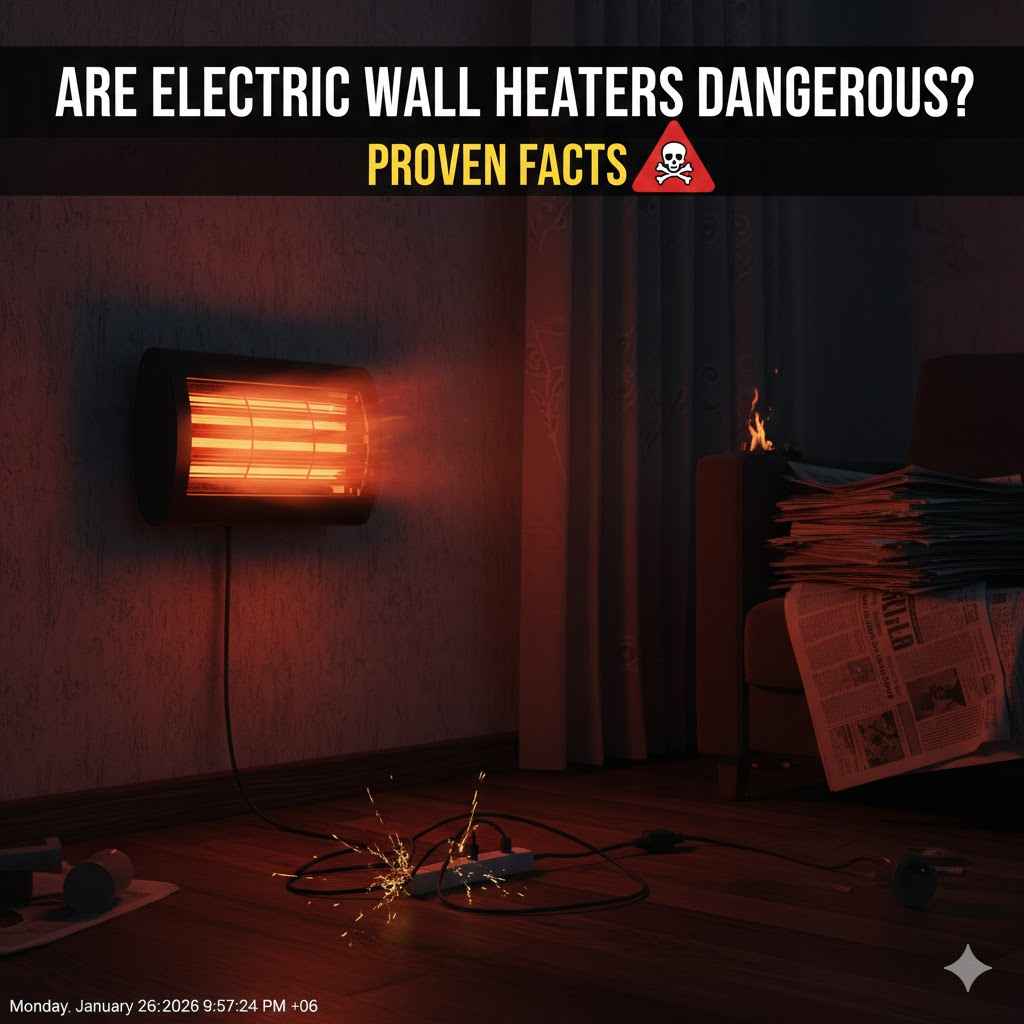
Electric wall heaters, when properly installed, maintained, and used according to manufacturer guidelines, are generally safe. While like any electrical appliance they carry potential risks such as overheating or electrical issues, these are largely preventable. Understanding common hazards and following simple safety protocols drastically reduces danger, making them a reliable and efficient heating option for many homes.
Thinking about an electric wall heater for your home, but feeling a bit nervous about safety? You’re not alone! Many homeowners and renters wonder, “Are electric wall heaters dangerous?” It’s a common question, and it’s smart to ask it. We all want our homes to be warm and cozy, but safety always comes first. The good news is that with a little know-how, you can confidently use these heaters without worry. This guide will cut through the myths, give you the real facts, and show you exactly how to keep your home safe and warm with an electric wall heater. Get ready to banish those chills and fears!
Understanding Electric Wall Heaters: How They Work
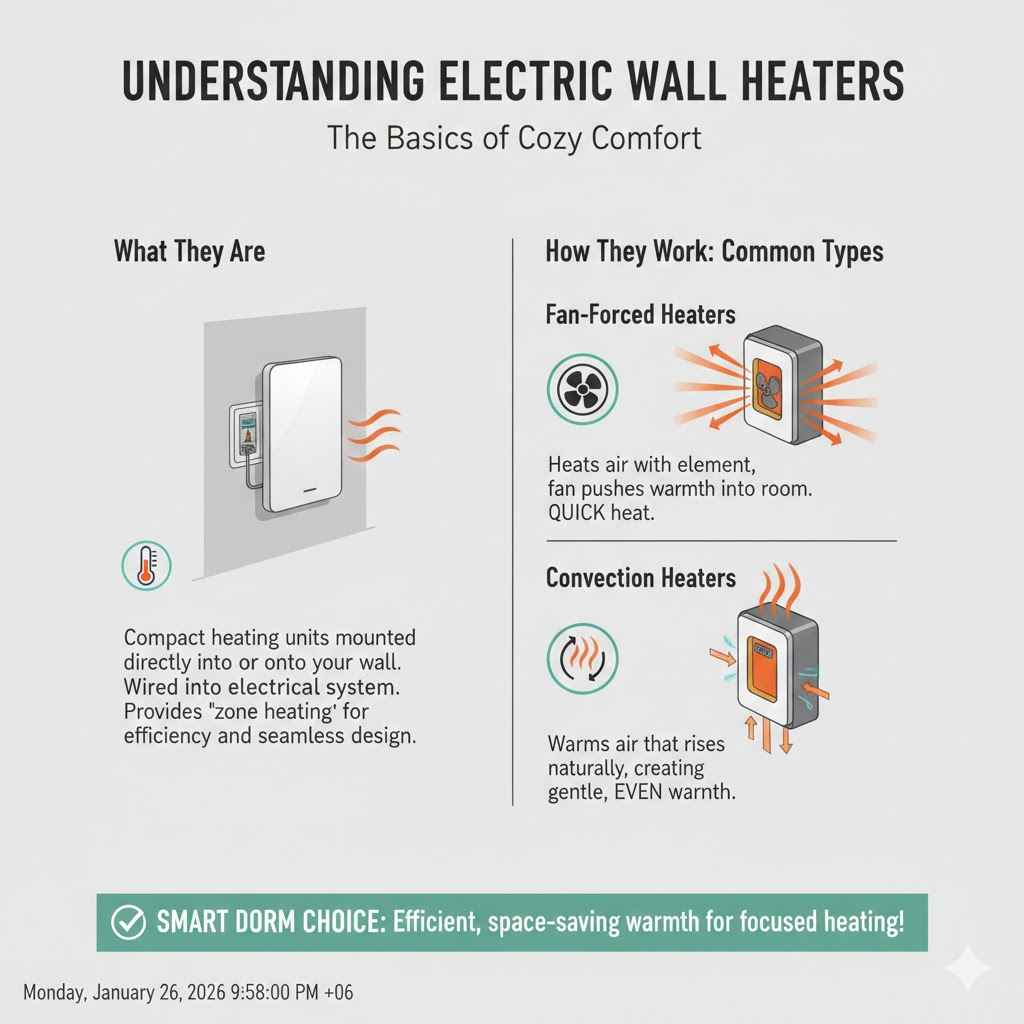
Before we dive into safety, let’s quickly understand what an electric wall heater is and how it warms your space. Unlike portable heaters that you plug into an outlet and move around, wall heaters are permanently installed into a wall. They’re wired directly into your home’s electrical system, often becoming a seamless part of your room’s design.
Most electric wall heaters work by using electricity to heat a metal coil or ceramic element. A fan then blows air over this heated element, distributing warm air into the room. This direct heating method makes them quite efficient for heating specific zones or rooms. They typically come with built-in thermostats, allowing you to control the temperature and save energy.
Common types include:
- Fan-forced heaters: These are the most common, using a fan to quickly circulate heated air.
- Convection heaters: These rely on natural air currents, drawing in cool air, heating it, and releasing warm air that rises, gently warming the room.
Are Electric Wall Heaters Dangerous? Separating Myths from Facts
The idea that electric wall heaters are inherently dangerous is often a misconception born from past incidents or confusion with portable space heaters. While any electrical appliance carries a degree of risk, modern electric wall heaters, when used correctly, are designed with numerous safety features. Let’s look at the facts.
Common Concerns vs. Real Risks
| Common Concern (Myth/Exaggeration) | Real Risk (When & How it Occurs) | How to Mitigate |
|---|---|---|
| Electric heaters always cause fires. | Fires are rare with wall heaters, mainly caused by improper installation, covering the unit, or placing combustibles too close. | Follow clearance guidelines, never cover, professional installation, regular cleaning. |
| They always lead to carbon monoxide poisoning. | Electric heaters do NOT produce carbon monoxide. This is a risk with fuel-burning heaters (gas, kerosene). | No mitigation needed for CO as it’s not a risk with electric heaters. Ensure smoke detectors are functional. |
| They cost a fortune to run safely. | Running costs vary by electricity rates and usage. Safety features don’t increase cost. Efficient models save money. | Choose an appropriately sized heater with a thermostat, use zone heating, seal drafts. |
| Wall heaters are prone to electrocution. | Electrical risks occur with faulty wiring, improper installation, or water exposure. | Professional installation, avoid water contact, ensure proper circuit sizing. |
The Real Dangers and How to Avoid Them
While the overall danger of electric wall heaters is low, specific risks need your attention to ensure complete safety.
1. Fire Hazards
This is the most significant concern with any heating appliance. For electric wall heaters, fire hazards typically stem from a few key issues:
- Combustibles Too Close: Placing curtains, furniture, clothes, or other flammable materials too close to the heater’s vents can cause them to ignite. The heat generated by the element needs clear space to dissipate.
- Improper Installation: If a heater isn’t installed correctly, such as being placed in an unsuitable location or lacking proper clearances from walls and floors, it can lead to overheating.
- Overheating: Though modern heaters have safety features to prevent this, a buildup of dust inside the unit can reduce airflow, causing components to overheat.
- Electrical Issues: Faulty wiring within the unit or the home’s electrical system, or connecting the heater to an improperly sized circuit, can lead to arcing or overheating of wires, potentially starting a fire.
2. Electrical Hazards
Since these heaters are wired directly into your home’s electrical system, electrical safety is paramount.
- Faulty Wiring: Old or damaged wiring, loose connections, or incorrect gauge wire can cause electrical shorts or overheating.
- Overloaded Circuits: If the circuit serving the heater is also powering many other high-demand appliances, it can become overloaded, leading to tripped breakers or, worse, electrical fires.
- Water Exposure: As with any electrical device, contact with water poses an electrocution risk. Wall heaters should never be installed in areas where they might get wet unless specifically rated for damp or wet environments (e.g., bathroom heaters).
3. Burns
The surface of an electric wall heater, especially the grilles, can become hot enough to cause burns if touched directly. This is particularly a concern for small children and pets who might not understand the danger.
- Direct Contact: Touching the hot metal grilles or surfaces while the heater is operating.
- Flammable Clothing: Loose clothing (especially for children) accidentally brushing against the hot surface can ignite.
Proven Facts: How to Make Electric Wall Heaters Safely Warm Your Home
The key to safe electric wall heater use lies in correct installation, proper maintenance, and responsible operation. When you follow these guidelines, your risk drops dramatically.
1. Professional Installation is Best
While some homeowners might be tempted by DIY, having an electric wall heater installed by a qualified electrician is a crucial safety step. They understand electrical codes, circuit requirements, and manufacturer specifications. Here’s why it matters:
- Correct Wiring: Ensures the heater is wired to a dedicated circuit if necessary, or a circuit that can handle the load, preventing overloads.
- Proper Placement: An electrician will know the required clearances from floors, ceilings, and combustible materials, as specified by the manufacturer and local building codes. This prevents fire hazards.
- Secure Mounting: A securely mounted heater won’t pull away from the wall, preventing electrical connections from loosening and ensuring efficient operation.
- Code Compliance: Ensures your installation meets all local electrical and building codes, which is vital for safety and insurance purposes.
For more details on electrical safety codes, you can consult resources like the National Electrical Code (NFPA 70).
2. Adhere to Clearance Guidelines
This is paramount to prevent fire. Every electric wall heater comes with specific minimum clearance requirements from walls, floors, ceilings, and any adjacent combustible materials (like furniture, drapes, bedding). These distances ensure adequate airflow and prevent nearby items from overheating and igniting. Always check your heater’s instruction manual. As a general rule, maintain at least 3 feet of clear space around the heater, especially in front of it.
3. Regular Maintenance Checks
A little care goes a long way in preventing issues. Keeping your heater clean ensures it runs efficiently and safely.
- Dust Removal: Dust can accumulate on heating elements and fans, reducing efficiency and potentially causing overheating. Once a year, or more frequently in dusty environments, turn off the power at the breaker, remove the front grille, and use a vacuum cleaner with a brush attachment or compressed air to gently clean the interior.
- Inspect for Damage: Periodically check the grille and casing for any signs of damage, corrosion, or loose parts. If you notice any issues, have them inspected by a professional.
- Check Electrical Connections: If you are comfortable and capable, with the power OFF at the breaker, you can check for loose wiring connections. However, for most homeowners, this is best left to an electrician during a routine home electrical inspection.
4. Safe Operating Practices
How you use your heater daily makes a big difference in its safety.
- Never Cover the Heater: This is one of the most common causes of overheating and fires. Never use your wall heater to dry clothes, and ensure no curtains or drapes fall over the unit while it’s operating.
- Keep Combustibles Away: Reinforce the clearance rule—keep furniture, paper, bedding, and anything flammable at least 3 feet away from the heater.
- Don’t Leave Unattended for Extended Periods: While modern wall heaters have safety features, it’s wise not to leave them running for days if you’re away from home.
- Educate Children and Pets: Teach children about the dangers of touching the hot grilles. Supervise pets to ensure they don’t block the heater’s vents.
5. Choosing the Right Heater for Your Needs
When selecting an electric wall heater, certain features enhance safety:
- Overheat Protection: Most modern heaters include a thermal cut-off switch that automatically shuts the unit off if it reaches an unsafe temperature.
- Tip-Over Switch (if applicable): While primarily for portable heaters, some wall units might have advanced sensors that detect issues.
- Thermostat Control: A built-in thermostat allows you to set a desired temperature, preventing the heater from continuously running and potentially overheating a room.
- UL or ETL Certification: Always look for products certified by recognized testing laboratories like Underwriters Laboratories (UL) or Intertek (ETL). These certifications mean the product has met rigorous safety standards. You can learn more about UL safety certifications here.
- Appropriate Sizing: Choose a heater that’s appropriately sized for your room. An undersized heater will struggle to warm the space, leading you to run it longer, potentially increasing wear and tear. An oversized heater might cycle too frequently.
6. Ensure Proper Electrical Circuitry
Since electric wall heaters draw significant power, it’s crucial that your home’s electrical system can handle them safely.
- Dedicated Circuits: Many larger wall heaters require a dedicated circuit, meaning the heater is the only appliance on that circuit. This prevents circuit overloads.
- GFCI/AFCI Protection: In certain areas (like bathrooms or bedrooms), local codes might require the circuit to be protected by a Ground Fault Circuit Interrupter (GFCI) or Arc Fault Circuit Interrupter (AFCI). These devices quickly cut power if they detect a ground fault or an arc fault, significantly reducing the risk of electrocution or fire.
- Consult an Electrician: If you’re unsure about your home’s electrical capacity, always consult a licensed electrician. They can assess your system and ensure any new heater installation is safe and compliant.
Comparing Electric Wall Heaters to Other Heating Options
It’s helpful to put the “danger” question into perspective by briefly comparing electric wall heaters with other common heating methods regarding safety.
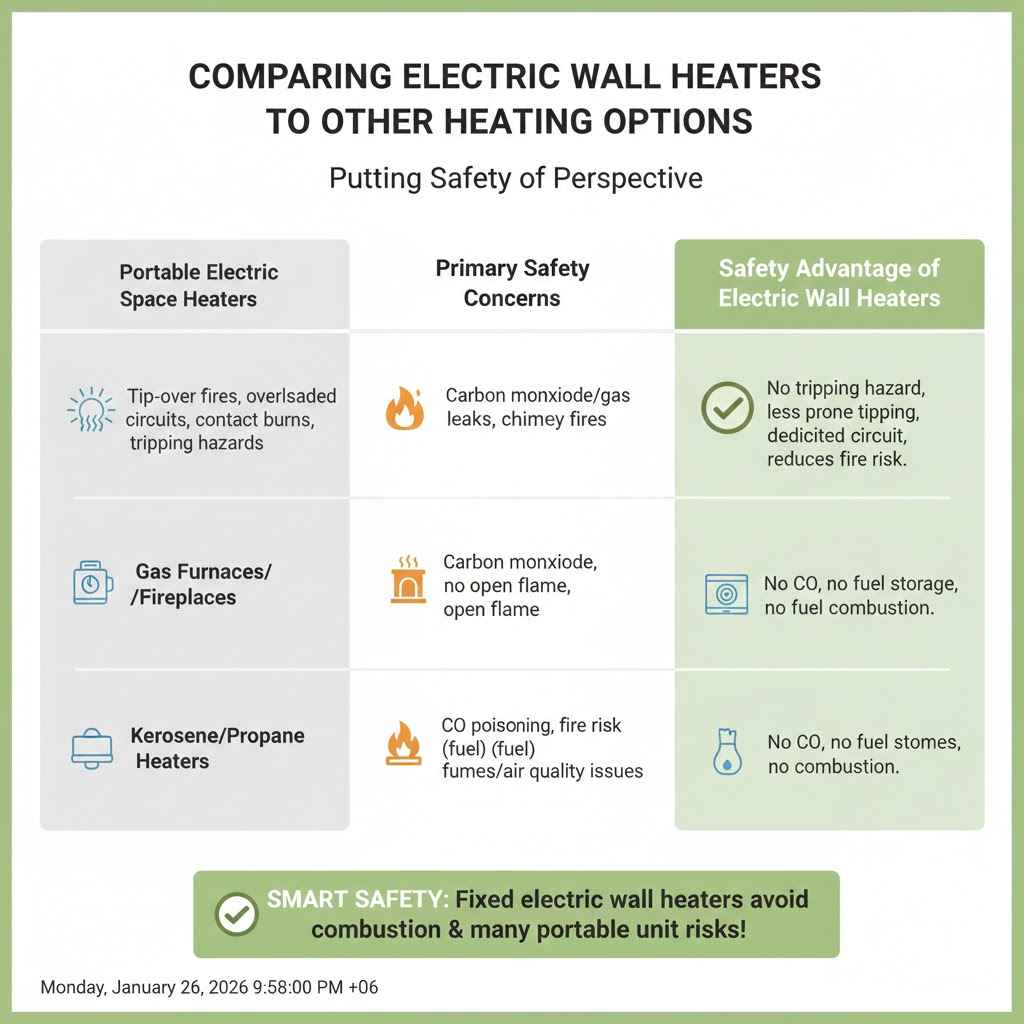
| Heating Method | Primary Safety Concerns | Safety Advantage of Electric Wall Heaters |
|---|---|---|
| Portable Electric Space Heaters | Tip-over fires, overloaded circuits (especially with extension cords), contact burns, tripping hazards from cords. | No tripping hazard, less prone to tipping, typically on a dedicated circuit, fixed location reduces fire risk from proximity to combustibles. |
| Gas Furnaces/Fireplaces | Carbon monoxide leaks, gas leaks (explosion risk), chimney fires, open flame burns. | No carbon monoxide production, no open flame, no fuel storage or combustion byproducts. |
| Kerosene/Propane Heaters | Carbon monoxide poisoning, fire risk from fuel storage/refilling, fumes/air quality issues. | No carbon monoxide, no fuel storage, no fumes, no combustion byproducts. |
This comparison highlights that electric wall heaters avoid several risks associated with other heating types, particularly those involving combustion and portable units. Their fixed installation inherently reduces some of the common hazards.
FAQ: Your Questions About Electric Wall Heater Safety Answered
Q1: Can an electric wall heater cause carbon monoxide poisoning?
No, absolutely not. Electric wall heaters do not burn fuel; they simply convert electricity into heat. Carbon monoxide is a byproduct of incomplete combustion in fuel-burning appliances like gas furnaces, fireplaces, or kerosene heaters. You don’t need a carbon monoxide detector specifically for an electric wall heater, but every home should have working smoke and CO detectors regardless.
Q2: How close can furniture or curtains be to an electric wall heater?
You should always check your specific heater’s manual for exact clearance requirements, but a good general rule is to keep all combustible materials (furniture, curtains, bedding, clothes, paper) at least 3 feet (about 1 meter) away from the front and sides of the heater. This ensures proper airflow and prevents nearby items from igniting.
Q3: Is it safe to leave an electric wall heater on overnight or when I’m out?
Modern electric wall heaters are designed with safety features like overheat protection and thermostats, making them generally safe to leave on. However, for maximum peace of mind, especially if you have older units or haven’t had recent inspections, it’s wise to turn them off when leaving your home for extended periods or while sleeping. Always ensure there are no obstructions around the heater if it’s left on.
Q4: Do electric wall heaters make the air dry or affect air quality?
Electric heaters can sometimes make the air feel drier, especially in already dry climates, because they warm the air without adding moisture. They generally do not significantly affect air quality unless they are very dusty, in which case you might notice a burning dust smell. Regular cleaning can prevent this. Unlike fuel-burning heaters, they don’t produce combustion byproducts that can impact indoor air quality.
Q5: How often should I clean my electric wall heater?
It’s a good practice to clean your electric wall heater at least once a year, typically before the heating season begins. If your home is particularly dusty or if you have pets that shed a lot, you might consider cleaning it more often, perhaps every 3-6 months. Always remember to turn off the power to the heater at your home’s circuit breaker before you begin cleaning.
Q6: Can an electric wall heater overload my home’s electrical system?
Yes, if an electric wall heater is connected to a circuit that is already powering many other high-draw appliances, it can overload the circuit. This usually results in a tripped circuit breaker. To prevent this and potential fire hazards, many larger electric wall heaters require a dedicated circuit. It’s best to have a qualified electrician install your heater to ensure it’s wired correctly and safely to an appropriate circuit.
Q7: What is a UL or ETL certification, and why is it important for a heater?
UL (Underwriters Laboratories) and ETL (Intertek) are nationally recognized testing laboratories that certify product safety. When an electric wall heater has a UL or ETL mark, it means that samples of the product have been tested and found to meet specific safety standards established by these organizations. This certification gives you assurance that the heater has been rigorously evaluated for potential hazards, making it a crucial indicator of a safe product choice.
Conclusion: Stay Warm, Stay Safe with Electric Wall Heaters
As Tanim, your trusted home heating guide, I hope this deep dive into electric wall heater safety has put your mind at ease. The truth is, electric wall heaters are not inherently dangerous. Like any appliance, they come with a responsibility to understand and mitigate potential risks. By following proven facts and simple safety steps, you can confidently use them to create a warm, comfortable, and most importantly, safe home environment.
Remember, the cornerstones of safe operation are professional installation, diligent maintenance, and responsible usage. Always consult your heater’s manual, keep an eye on clearances, and don’t hesitate to call an electrician if you have any doubts about your home’s wiring or the heater’s performance. With these practices in place, you’ll find that electric wall heaters are a reliable and efficient way to keep the chill away, helping you and your family enjoy a cozy home all season long. Stay warm, my friends, and stay safe!