Are Portable Blower Heaters AC or DC? A Comprehensive Guide for Homeowners
Hey there! If you’re like me, you’ve probably found yourself shivering in a chilly room, wondering how to warm it up quickly without breaking the bank. Portable blower heaters are a fantastic solution for those cold days, and they’re super popular for their convenience and efficiency. But here’s a question that pops up a lot: Are portable blower heaters AC or DC? It’s a great question, and one I’ve explored in depth while researching heating options for my own home. Let me walk you through everything I’ve learned about how these heaters work, what powers them, and how you can choose the right one for your space.
By the end of this article, you’ll have a clear understanding of AC and DC power in portable blower heaters, along with practical tips to make your home cozy and warm.
Understanding Portable Blower Heaters
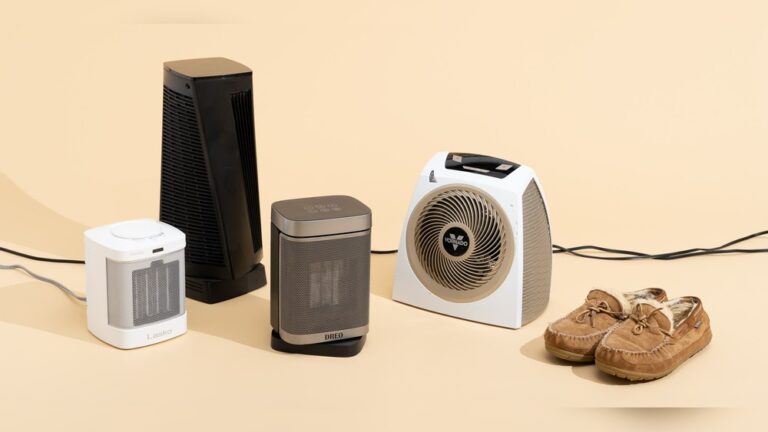
Let’s start with the basics. Portable blower heaters are small, movable devices that use a fan to push warm air into a room. They’re perfect for heating up a bedroom, office, or even a garage. I love how easy they are to carry around—most come with handles and weigh just a few pounds. You can plug them in, set them up, and feel the warmth in minutes. But to answer whether they run on AC or DC, we need to dig into how they work and what kind of power they need.
These heaters typically have a heating element, like a ceramic coil or metal wire, that gets hot when electricity flows through it. A fan then blows air over this element, spreading the heat around. They’re different from other heaters, like radiant ones, which warm objects directly without moving air. The fan in blower heaters makes them super effective for quickly heating small to medium spaces, which is why I keep one in my home office for those frosty winter mornings.
What Are AC and DC Power?
Before we dive into the specifics of portable blower heaters, let’s talk about AC and DC power. I know this might sound a bit technical, but bear with me—it’s simpler than it seems! AC stands for Alternating Current, and DC stands for Direct Current. These are the two main types of electrical current used to power devices.
AC power is what you get from the wall outlets in your home. It’s the standard in most U.S. households, running at 120 volts. The current alternates, meaning it flows back and forth, which makes it great for powering appliances over long distances. Most home appliances, like your fridge, TV, or microwave, use AC power.
DC power, on the other hand, flows in one direction. It’s what batteries, solar panels, or car chargers provide. Think of the USB charger for your phone—that’s DC power. It’s often used in low-voltage devices, like electronics or small gadgets, because it’s safer and more efficient for certain applications.
So, why does this matter for portable blower heaters? The type of power they use determines how and where you can use them. Let’s explore that next.
Do Portable Blower Heaters Use AC or DC Power?
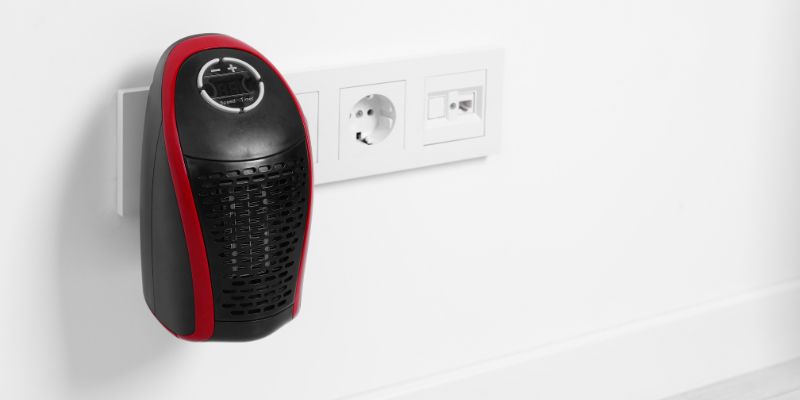
Here’s the short answer: Most portable blower heaters you’ll find in stores run on AC power. That’s because they’re designed to plug into standard household outlets, which deliver 120-volt AC power in the U.S. When I was shopping for a heater last winter, I noticed that nearly every model I looked at had a standard plug for a wall outlet. Brands like De’Longhi, Vornado, and Lasko all rely on AC power for their portable blower heaters.
Why AC? It’s simple. AC power is widely available in homes, and it’s powerful enough to handle the high energy demands of a heater. A typical blower heater uses 750 to 1,500 watts, which is a lot of power. AC can deliver that consistently, making it ideal for heating up a room quickly.
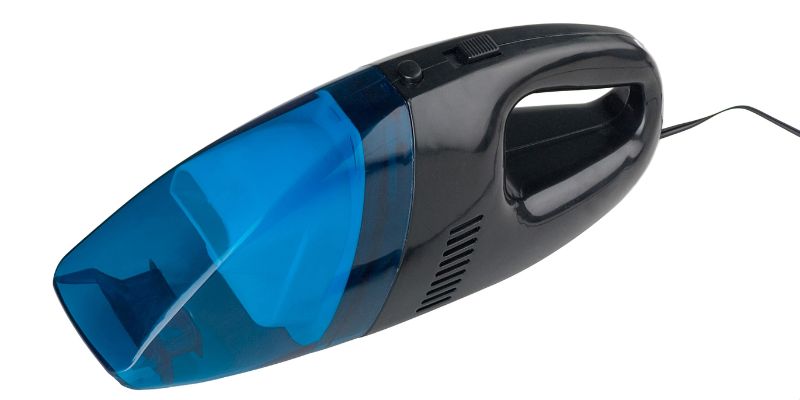
But here’s where it gets interesting: some portable blower heaters can run on DC power, especially those designed for specific situations, like camping, RVs, or off-grid living. These are less common, but they exist. For example, I came across a few DC-powered heaters online that are made for use with solar panels or car batteries. They usually operate at lower voltages, like 12 or 24 volts, and are designed for smaller spaces. The catch? They don’t produce as much heat as AC-powered heaters because DC systems typically can’t handle the same wattage.
Comparing AC and DC Portable Blower Heaters
To make things clearer, let’s break down the differences between AC and DC portable blower heaters. I’ve put together a table to show you how they stack up:
| Feature | AC-Powered Blower Heaters | DC-Powered Blower Heaters |
|---|---|---|
| Power Source | Household outlets (120V AC) | Batteries, solar panels, or car chargers (12V or 24V DC) |
| Wattage | 750–1,500 watts | 100–600 watts |
| Heat Output | High, suitable for medium to large rooms | Lower, best for small spaces like tents or cars |
| Availability | Widely available in stores and online | Less common, often specialty or custom-made |
| Portability | Portable but needs a power outlet | Highly portable, ideal for off-grid use |
| Cost | $20–$150, depending on features | $50–$300, often more expensive due to niche design |
| Safety | Safe with proper use; requires grounded outlets | Safer for low-voltage applications but limited power |
| Use Case | Homes, offices, garages | Camping, RVs, boats, off-grid cabins |
When I was deciding which type to get, I realized AC heaters are the go-to for most home settings. They’re affordable, powerful, and easy to find. But if you’re someone who loves camping or lives off-grid, a DC heater might be worth considering. Just keep in mind that DC heaters often need a battery or solar setup, which can add to the cost and complexity.
Why AC Is the Standard for Most Portable Blower Heaters
You might be wondering why AC is the default for most portable blower heaters. From my research, it comes down to a few key reasons:
- Power Availability: AC power is everywhere in homes. You don’t need special equipment to plug in an AC heater—just a standard outlet. This makes them super convenient for everyday use.
- High Wattage Needs: Blower heaters need a lot of energy to heat up their elements and run their fans. AC power can deliver the 1,000+ watts most models require without any extra setup. DC systems, like batteries, struggle to provide that much power consistently.
- Cost and Manufacturing: AC heaters are cheaper to produce because they use standard components. Manufacturers can make them in large quantities, which keeps prices low. I saw AC-powered heaters as cheap as $25 at my local hardware store!
- Performance: AC heaters can warm up a room faster because they can handle higher wattages. When I tested my Lasko blower heater, it warmed my 200-square-foot office in about 15 minutes. DC heaters, with their lower power, take longer to achieve the same effect.
That said, AC heaters do have some limitations. They’re not as portable for off-grid use, and you’re tied to an outlet. If you move around a lot or want to heat a space without electricity, DC might be a better fit.
When Would You Use a DC-Powered Blower Heater?
DC-powered blower heaters have their own niche, and I think they’re pretty cool for specific situations. Here are some scenarios where a DC heater makes sense:
- Camping or RVing: If you’re out in the wilderness with no access to a power outlet, a DC heater powered by a car battery or solar panel can keep your tent or RV cozy. I found a 12-volt heater online that’s perfect for small camping setups.
- Off-Grid Living: For people living in cabins or tiny homes powered by solar panels, DC heaters are a great way to stay warm without relying on traditional electricity.
- Emergency Use: In a power outage, a DC heater can run off a car battery or portable power station. I keep a small DC heater in my emergency kit for this reason.
- Boats or Vehicles: Some DC heaters are designed for marine or automotive use, where 12-volt systems are standard.
The downside? DC heaters are harder to find, and they’re often pricier. They also produce less heat, so they’re not ideal for larger spaces. When I looked into DC heaters for a camping trip, I noticed they were best for small, enclosed areas like a car or tent, not a whole room.
Safety Considerations for AC and DC Blower Heaters
- Keep Clearances: Place your heater at least 3 feet away from furniture, curtains, or anything flammable. This is especially important for AC heaters, which can get very hot.
- Check Certifications: Look for heaters certified by UL or ETL. These stamps mean the heater meets U.S. safety standards. My Vornado heater has a UL mark, which gives me peace of mind.
- Use the Right Outlet: For AC heaters, plug directly into a wall outlet, not an extension cord. Extension cords can overheat and cause fires. DC heaters should be connected to a properly rated battery or power source.
- Look for Safety Features: Many modern heaters have auto shut-off, tip-over protection, and overheat sensors. My Lasko model shuts off if it gets too hot, which is a lifesaver.
- Ventilation: Blower heaters don’t produce fumes, but good airflow helps them work efficiently. Don’t place them in cramped spaces.
DC heaters are generally safer for low-voltage applications because they use less power, but they still need proper handling. Always follow the manufacturer’s instructions, whether you’re using AC or DC.
Energy Efficiency and Cost of Operation
One thing I always check before buying a heater is how much it’ll cost to run. AC-powered blower heaters typically use 750 to 1,500 watts. At the national average electricity rate of about 16 cents per kilowatt-hour, running a 1,500-watt heater for an hour costs around 24 cents. If you use it for 5 hours a day, that’s $1.20 daily or about $36 a month. Not bad for keeping warm, but it adds up if you run it all day.
DC heaters, because they use lower wattage (100–600 watts), are cheaper to run per hour. A 300-watt DC heater costs about 5 cents per hour at the same rate. But here’s the catch: you might need to invest in a battery or solar setup, which can cost hundreds of dollars upfront. When I looked into solar-powered DC heaters, the initial cost was steep, but they’re great for long-term savings if you’re off-grid.
To save energy with either type, I recommend using a heater with a thermostat or timer. My De’Longhi heater has a thermostat that turns it off once the room reaches the set temperature, which saves power. Also, try heating only the room you’re in instead of the whole house.
Choosing the Right Portable Blower Heater for Your Needs
Picking the right heater depends on your lifestyle and needs. Here’s what I consider when choosing between AC and DC blower heaters:
- Where Will You Use It? If you’re heating a room in your home, go for an AC-powered heater. They’re powerful, affordable, and easy to find. For camping or off-grid use, a DC heater is better.
- Room Size: Check the heater’s wattage and coverage area. Most AC heaters can handle 150–400 square feet, while DC heaters are better for smaller spaces, like 50–100 square feet.
- Budget: AC heaters are generally cheaper upfront, ranging from $20 to $150. DC heaters can cost $50 to $300, plus the cost of a power source.
- Features: Look for extras like remote controls, timers, or oscillation. My Vornado has a remote, which is super handy when I’m cozy on the couch.
- Portability: Both types are portable, but DC heaters win for off-grid use since they don’t need an outlet.
I ended up choosing an AC-powered blower heater for my home because it’s powerful and plugs right into my wall. But I’m eyeing a DC model for my next camping trip!
Maintenance Tips for Portable Blower Heaters
To keep your heater running smoothly, a little maintenance goes a long way. I learned this after my first heater started making weird noises because I didn’t clean it. Here’s what I do now:
- Clean the Filter: Many blower heaters have a filter to catch dust. Clean it every month or two by rinsing it with water or vacuuming it. Check your manual for specifics.
- Wipe Down the Exterior: Dust can build up on the heater’s surface, so wipe it with a damp cloth when it’s unplugged and cool.
- Check the Cord: Look for fraying or damage on the power cord. I had to replace a heater once because the cord got worn out.
- Store Properly: When not in use, store your heater in a dry place. I wrap mine in a plastic bag to keep dust out during the summer.
- Inspect the Fan: Make sure the fan blades are clean and free of debris. A clogged fan can reduce efficiency.
Regular maintenance keeps your heater safe and efficient, whether it’s AC or DC.
Conclusion
So, are portable blower heaters AC or DC? Most of the time, they’re AC-powered, designed to plug into your home’s standard outlets for quick, powerful heating. But DC-powered options exist for those off-grid adventures or emergency situations, offering flexibility at the cost of lower heat output. After exploring both types, I’ve found that AC heaters are my go-to for home use because they’re affordable, widely available, and pack a punch. DC heaters, though, are a game-changer for camping or living off-grid.
Choosing the right heater comes down to your needs, budget, and where you plan to use it. Whether you go with AC or DC, make sure to prioritize safety features and energy efficiency to keep your space warm and your wallet happy. I hope this guide has answered all your questions and given you the confidence to pick the perfect portable blower heater. Stay cozy out there!
Frequently Asked Questions
Can I use a DC-powered blower heater in my home?
Yes, you can, but it’s not common. DC heaters are designed for low-voltage sources like batteries or solar panels, so you’d need a compatible power setup. They also produce less heat, so they’re better for small spaces. For most homes, an AC-powered heater is more practical since it plugs into standard outlets.
Are AC-powered blower heaters safe to use overnight?
Yes, but only if they have safety features like auto shut-off and overheat protection. I always make sure my heater is UL-certified and placed away from flammable items. Never leave it unattended for too long, just to be safe.
How much does it cost to run a portable blower heater?
For an AC-powered heater using 1,500 watts, it costs about 24 cents per hour at 16 cents per kilowatt-hour. A DC heater using 300 watts costs around 5 cents per hour. Your actual cost depends on your electricity rate and how long you run the heater.
Can I convert an AC blower heater to run on DC power?
It’s possible but not practical. You’d need a power inverter to convert DC to AC, and the setup could be costly and inefficient. It’s usually better to buy a heater designed for DC if you need one.
What’s the best portable blower heater for a small apartment?
For a small apartment, I’d recommend an AC-powered blower heater with 1,000–1,500 watts and a thermostat. Brands like Lasko or De’Longhi are great choices. They’re efficient, safe, and can heat 150–300 square feet easily.