Are Portable Car Heaters Safe? My Journey to Find Out
Last winter, I was stuck in my old sedan during a snowstorm, shivering despite my thick coat. My car’s heater had given up, and I wondered, Are portable car heaters safe? That chilly moment sparked my quest to learn about these devices. In this article, I’ll share what I found about portable car heaters, their safety, and how to use them right. Whether you’re a beginner or a car camping pro, I’ll break it down simply with tips, examples, and answers to common questions. Let’s dive in!
For vehicle heating questions, 12V Heater for Car gives readers a related follow-up to check.
For vehicle heating questions, How to Get Air Out of a Heater Core: A Simple Guide gives readers a related follow-up to check.
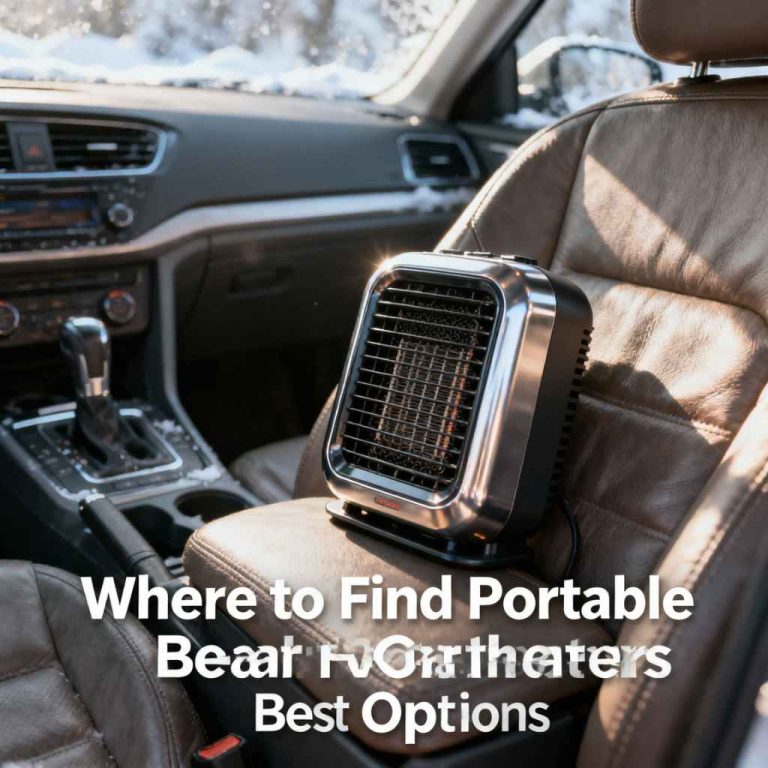
For vehicle heating questions, Where to Find Portable Car Heaters Options gives readers a related follow-up to check.
What Are Portable Car Heaters?
Portable car heaters are small devices that warm up your car’s interior. They’re handy when your car’s built-in heater fails or you’re camping in cold weather. Most plug into your car’s 12V cigarette lighter or connect directly to the battery. Some use propane, but electric ones are more common for cars. They’re great for defrosting windows or keeping you cozy during winter drives. Safety matters because cars are small spaces, and heaters can pose risks if not used right.
Why Safety Matters for Portable Car Heaters
Cars are tiny compared to homes, so heaters need extra care. A bad heater can cause fires, burn you, or even produce harmful gases like carbon monoxide. I learned this the hard way when I tried a cheap heater that got too hot and smelled like burning plastic—yikes! Safety means picking the right heater, using it correctly, and knowing the risks. Let’s explore how to do this safely with examples and tips.
Types of Portable Car Heaters
There are two main types of portable car heaters: electric and propane. Each has pros and cons, especially for safety. Here’s a quick breakdown:
- Electric Heaters: These plug into your car’s 12V socket or battery. They’re safer because they don’t produce gases. But they can drain your battery or blow a fuse if not chosen wisely.
- Propane Heaters: These use small propane tanks and give off more heat. They’re powerful but risky in cars due to carbon monoxide and fire hazards. I’d avoid these unless you’re in a well-ventilated space.
Table 1: Electric vs. Propane Car Heaters
| Feature | Electric Heater | Propane Heater |
|---|---|---|
| Power Source | Car battery or 12V socket | Propane tank |
| Safety | Safer, no emissions | Risk of carbon monoxide, needs ventilation |
| Heat Output | Moderate, good for small spaces | High, but risky in cars |
| Cost | $20–$100 | $50–$150 |
Caption: Comparing electric and propane heaters helps you pick the safest option for your car.
How to Choose a Safe Portable Car Heater
Picking a safe heater is like choosing a good winter coat—it needs to fit your needs and keep you safe. Here’s a step-by-step guide to make it easy:
- Check for Safety Features: Look for heaters with tip-over shut-off, overheat protection, and a cool-touch exterior. My first heater lacked these, and I regretted it!
- Match Power to Your Car: Most 12V heaters use 150–200 watts. Ensure your car’s battery or alternator can handle it to avoid draining power.
- Read Reviews: Check sites like Amazon for user feedback. A heater with consistent 4-star ratings is usually a safe bet.
- Stick to Trusted Brands: Brands like SubZero or RoadPro are known for reliable car heaters. Avoid no-name brands that might skimp on safety.
Visual Idea 1: Diagram of a 12V Heater Setup
A simple sketch showing a heater plugged into a car’s cigarette lighter, with arrows pointing to safety features like the fuse and tip-over switch. This would help beginners see how it works.
Using a Portable Car Heater Safely
Once you’ve got a heater, using it right is key. My first try was a flop—I left it on too long and nearly drained my battery! Here’s how to stay safe:
- Plug It In Properly: Use the cigarette lighter or connect directly to the battery with an inline fuse. Don’t use household extension cords; they’re not made for cars.
- Keep It Clear: Place the heater on a flat surface, like the passenger seat, away from blankets or clothes. I once tossed a scarf near mine, and it got too warm—scary!
- Ventilate the Car: Crack a window slightly to let fresh air in, especially with propane heaters. This prevents any gas buildup.
- Turn It Off When Sleeping: Never leave a heater on overnight. I use a warm sleeping bag instead, which keeps me cozy without risks.
Table 2: Safe Heater Placement Tips
| Location | Why It’s Safe | Why Avoid It |
|---|---|---|
| Passenger Seat | Stable, flat surface | Keep clear of fabrics |
| Dashboard | Good for defrosting | Risk of sliding off |
| Floor | Secure if non-slip | Avoid if near flammable materials |
Caption: Proper placement reduces risks and keeps your heater working safely.
Benefits and Drawbacks of Portable Car Heaters
Portable car heaters are a game-changer, but they’re not perfect. Here’s what I love and what bugs me:
Benefits
- Quick Warmth: They heat up fast, making cold mornings bearable.
- Affordable: Many cost less than $50, cheaper than fixing a car heater.
- Portable: Take them with you when you switch cars.
Drawbacks
- Limited Heat: 12V heaters won’t warm a whole car like a built-in system.
- Battery Drain: Electric heaters can zap your battery if left on too long.
- Propane Risks: These need careful handling to avoid gas issues.
Visual Idea 2: Infographic of Heater Pros and Cons
A colorful chart showing benefits (like cost and portability) on one side and drawbacks (like battery drain) on the other. This would make it easy for readers to weigh options.
My Top Safety Tips from Experience
After testing a few heaters, I’ve got some tips to share. These saved me from headaches and kept my car cozy:
- Test Before You Need It: Plug in your heater at home to ensure it works. My first one was a dud, and I found out in a snowstorm—not fun!
- Use a Timer: Set a timer for 10–15 minutes to avoid draining your battery. I use a cheap kitchen timer to remind me.
- Check Your Battery: If your car’s battery is old, replace it before using a heater. A weak battery died on me once, leaving me stranded.
- Keep a Blanket Handy: A warm blanket can cut your heater use in half. I keep a wool one in my trunk for emergencies.
Common Mistakes to Avoid
I’ve made my share of goofs with car heaters. Here’s what to skip:
- Buying Cheap Models: A $10 heater might seem like a deal, but it can overheat or break fast. Spend a bit more for quality.
- Ignoring Ventilation: Even electric heaters need a cracked window to prevent stuffy air.
- Leaving It On Too Long: I once left my heater on for hours and had to jump-start my car—oops!
Visual Idea 3: Checklist for Safe Heater Use
A simple checklist graphic with boxes to tick: “Check safety features,” “Crack a window,” “Turn off when not in use.” This would help beginners stay safe.
Alternatives to Portable Car Heaters
If heaters feel risky, try these options. They’ve worked for me when I didn’t trust my heater:
- Heated Blankets: A 12V heated blanket plugs into your car and keeps you warm without heating the whole space. I love mine for long drives.
- Hot Water Bottles: Fill one with hot water before you leave. It’s cheap and safe.
- Layer Up: Wear a hat, gloves, and a thick coat. I layer wool socks and a scarf for extra warmth.
Table 3: Heater Alternatives Comparison
| Option | Cost | Safety | Ease of Use |
|---|---|---|---|
| Heated Blanket | $20–$50 | Very safe | Plug and go |
| Hot Water Bottle | $5–$15 | Super safe | Needs refilling |
| Extra Layers | $0–$20 | Safest | Takes effort |
Caption: Alternatives like heated blankets can keep you warm without the risks of heaters.
Frequently Asked Questions
Are Portable Car Heaters Safe to Use Overnight?
No, it’s not safe to leave them on overnight. Even electric heaters can drain your battery or overheat. Propane heaters risk carbon monoxide buildup. Use a warm sleeping bag instead and turn the heater off when sleeping.
Can a 12V Car Heater Drain My Battery?
Yes, it can. Most 12V heaters use 150–200 watts, which can zap a weak battery in hours. Test your battery’s health and use the heater for short bursts, like 10–15 minutes, to stay safe.
Are Propane Heaters Safe in Cars?
Propane heaters are risky in cars. They produce carbon monoxide, which can be deadly in small spaces. Always ensure ventilation and use them only briefly. Electric heaters are safer for cars.
How Do I Know If a Heater Is Safe?
Check for safety features. Look for tip-over shut-off, overheat protection, and a cool-touch exterior. Read reviews and choose trusted brands like SubZero or RoadPro for reliability.
Can I Use a Household Heater in My Car?
No, household heaters aren’t safe for cars. They’re designed for larger spaces and can cause fires or electrical issues. Stick to 12V heaters made for automotive use.
What’s the Best Portable Car Heater Brand?
SubZero and RoadPro are top picks. They offer reliable 12V heaters with safety features like overheat protection. Check Amazon reviews for models like the SubZero 150-Watt Heater.
How Can I Stay Warm Without a Heater?
Use blankets or layers. A 12V heated blanket or a hot water bottle works great. Wear wool socks, a hat, and a coat to trap heat without relying on a heater.
Conclusion
Portable car heaters can be a cozy solution for cold drives or camping, but safety comes first. Pick a 12V electric heater with tip-over and overheat protection, use it for short bursts, and keep a window cracked. My snowy night in the car taught me to test heaters early and always have a blanket ready. Try a heater or a heated blanket this winter—it’s a game-changer! Share your favorite cold-weather car tips in the comments, or tell me how your heater works out. Stay warm and safe!
Sources: For more info, check trusted sites like AutoZone, Electronics Hub, and Wirecutter. They’ve got great reviews and safety tips.