
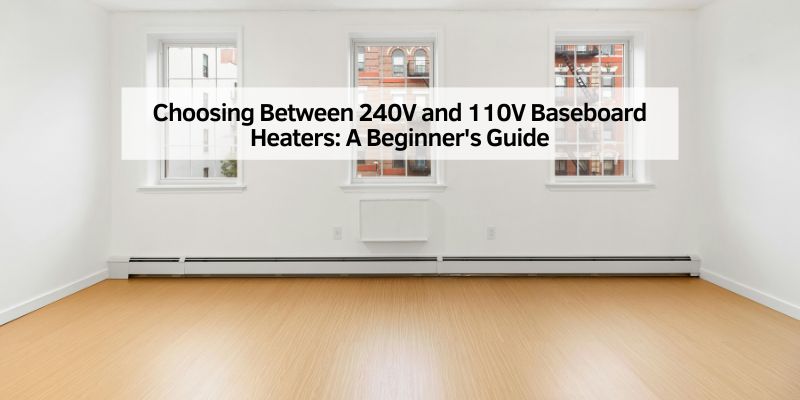
When I moved into my first home, a cozy fixer-upper in Ohio, I faced a chilly problem: the living room was freezing! I decided to install baseboard heaters but got stuck choosing between 240V and 110V models. If you’re wondering about baseboard heaters 240 vs 110, you’re not alone—it’s a common puzzle for homeowners. This article will break it down simply, share my story, and give you practical tips to pick the right heater. We’ll cover what these heaters are, how they work, their pros and cons, and easy steps to choose one Middle Eastern one, all while keeping things clear for beginners, enthusiasts, and pros alike.
What Are Baseboard Heaters and Why Voltage Matters
Baseboard heaters are electric devices that sit along the bottom of your walls, warming your room with gentle heat. They’re like a cozy hug for your space! They come in two main voltages: 110V (also called 120V) and 240V. The voltage is how much electrical “push” the heater gets. Choosing between baseboard heaters 240 vs 110 affects how much heat you get, how much it costs to install, and how efficiently it runs. Picking the right one depends on your room size, wiring, and budget.
How Do 240V and 110V Baseboard Heaters Work?
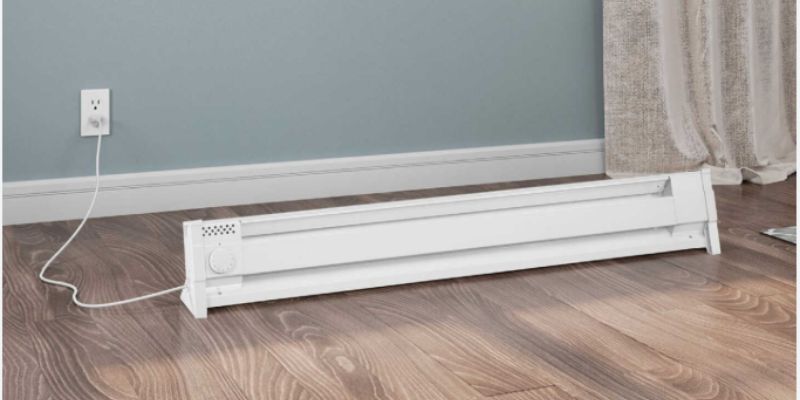
Both types use electricity to heat a metal element inside, which warms the air. The difference is in the power supply. A 110V heater plugs into a standard outlet, like your lamp or TV. A 240V heater needs a special circuit, like your dryer or oven uses. Here’s a quick breakdown:
- 110V Heaters: Use one hot wire and a neutral wire. They’re easier to install since most homes have 110V outlets.
- 240V Heaters: Use two hot wires, delivering more power. They need a dedicated circuit with a double-pole breaker.
Think of it like water pipes: 240V is a wider pipe, letting more energy flow with less effort, which can save on wiring costs for bigger heaters.
Comparing 240V and 110V Baseboard Heaters
Let’s look at how these heaters stack up. I learned the hard way that picking the wrong voltage can mean weak heat or a pricey rewiring job. Here’s a simple comparison:
| Feature | 110V Baseboard Heater | 240V Baseboard Heater |
|---|---|---|
| Heat Output | Good for small rooms (e.g., 500-1500W) | Better for big rooms (e.g., 1000-4000W) |
| Installation | Plug into standard outlet | Needs dedicated circuit |
| Amps Drawn (1500W) | 12.5 amps | 6.25 amps |
| Wire Size (1500W) | 12-gauge (20A circuit) | 12-gauge (20A circuit) |
| Efficiency | Slightly less efficient | Slightly more efficient |
| Cost to Install | Lower (uses existing wiring) | Higher (new circuit needed) |
Table 1: Comparing 110V and 240V Baseboard Heaters for a 1500W Unit
Heat Output: Which Warms Better?
A 1500W heater gives the same heat whether it’s 110V or 240V—watts equal heat! But 240V heaters can handle higher wattages, making them better for big spaces. My living room (15×20 feet) needed two 4-foot 240V heaters (about 2000W total) to stay toasty. A 110V heater would’ve been too weak unless I added multiple units, which could overload a circuit.
Installation: What’s the Setup Like?
Installing a 110V heater is a breeze. You plug it into a standard outlet, and you’re done! I tried this first, but my 110V heater barely warmed my room. A 240V heater needs a pro to run new wires and install a double-pole breaker. It cost me $300 for an electrician, but the heat was worth it! Check your breaker box to see what circuits you have:
- Single-pole breaker: 110V circuit (one hot wire, usually black).
- Double-pole breaker: 240V circuit (two hot wires, often black and red).
Efficiency: Does Voltage Save Money?
Here’s the big question: does a 240V heater save on your electric bill? Nope! A 1500W heater costs the same to run at 110V or 240V because you pay for watts, not amps. But 240V is slightly more efficient due to less power lost in the wires. For my 50-foot wire run, the loss was tiny—about 0.8% for 240V vs. 3.2% for 110V. That’s pennies per year, so don’t expect big savings.
Wiring and Breaker Needs
For a 1500W heater, both voltages need 12-gauge wire and a 20A breaker. But 240V draws half the amps, so you can use smaller wires for bigger heaters (e.g., 4000W). My mistake was thinking I could use an existing 110V outlet for a 240V heater—big flop! It only gave 25% of the heat (500W instead of 2000W).
Step-by-Step Guide to Choosing Your Heater
Here’s how I picked my heater. Follow these steps to avoid my mistakes:
- Measure Your Room: Multiply length by width (in feet). For my 15×20 room (300 sq ft), I needed about 2000W (10W per sq ft).
- Check Your Wiring: Look at your breaker box. Single-pole breakers mean 110V; double-pole mean 240V.
- Pick Wattage: Small rooms (100-200 sq ft) can use 110V (500-1000W). Bigger rooms need 240V (1500-4000W).
- Get a Quote: For 240V, call an electrician for a wiring estimate. Mine was $300 for a new circuit.
- Buy the Heater: Match the voltage to your circuit. I got a 4-foot 240V heater from Cadet for $80.
- Install Safely: Hire a pro for 240V or plug in a 110V heater yourself. Always turn off the breaker first!
List 1: Easy Steps to Choose Your Baseboard Heater
Benefits and Drawbacks of Each Voltage
110V Baseboard Heaters
- Benefits: Easy to install, no electrician needed, great for small spaces like a bathroom or bedroom.
- Drawbacks: Limited power (usually under 1500W), can overload circuits if you add multiple heaters.
240V Baseboard Heaters
- Benefits: More power for big rooms, slightly better efficiency, can handle multiple heaters on one circuit.
- Drawbacks: Needs professional installation, higher upfront cost.
| Room Size | Recommended Voltage | Wattage Needed | Approx. Cost |
|---|---|---|---|
| Small (100-200 sq ft) | 110V | 500-1500W | $50-$100 |
| Medium (200-400 sq ft) | 240V | 1500-2500W | $80-$150 |
| Large (400+ sq ft) | 240V | 2500-4000W | $150-$300 |
Table 2: Heater Recommendations by Room Size
Personal Tips and Common Mistakes to Avoid
My first try at installing a heater was a mess—I plugged a 240V heater into a 110V outlet, and it barely got warm! Here are my hard-earned tips:
- Double-check voltage: Use a multimeter to test your circuit. A 240V heater on 110V gives only 25% heat. A 110V heater on 240V can overheat and cause a fire!
- Size it right: Too small a heater leaves you cold; too big wastes money. Use 10W per square foot as a guide.
- Hire a pro for 240V: Wiring mistakes can spark danger. My electrician saved me from a risky setup.
- Add a thermostat: Wall-mounted ones are best for accurate room temps. Mine cost $20 and made a big difference.
List 2: Top Tips for Baseboard Heater Success
Safety Advice for Baseboard Heaters
Safety is key! Keep furniture 12 inches from heaters to avoid fire risks. I once put a couch too close, and it got scorched—yikes! Use a GFCI outlet for 110V heaters in bathrooms to prevent shocks. For 240V, ensure your electrician grounds the circuit properly. Check out NFPA for more safety tips.
Visual Ideas for Better Understanding
To make this clearer, imagine these visuals (not included):
- Diagram of a breaker box: Showing single-pole (110V) vs. double-pole (240V) breakers.
- Room size chart: Mapping wattage needs to square footage.
- Wiring schematic: Comparing 110V (one hot, one neutral) to 240V (two hot wires).
Conclusion
Choosing between baseboard heaters 240 vs 110 comes down to your room size and wiring setup. My living room went from chilly to cozy with two 240V heaters, but a 110V might work for your small space. Measure your room, check your breakers, and don’t skip safety steps. Try picking a heater for your coldest room—it’s a fun project! Share your heater stories or ask questions below. Stay warm and safe!
Frequently Asked Questions
What’s the main difference between 240V and 110V baseboard heaters?
240V heaters use two hot wires for more power, ideal for big rooms. 110V heaters use one hot wire, perfect for small spaces with standard outlets.
Can I use a 240V heater on a 110V circuit?
No, it’ll only give 25% of its rated heat. For example, a 1000W 240V heater produces just 250W on 110V, which is too weak.
Will a 240V heater save me money?
It won’t save much on your bill since watts equal heat. 240V is slightly more efficient due to lower wire losses, but savings are small.
How do I know my circuit’s voltage?
Check your breaker box. Single-pole breakers are 110V; double-pole are 240V. Or test wires with a multimeter for 110-125V or 220-250V.
Are 240V heaters safer than 110V?
Both are safe if installed correctly. 240V needs professional wiring to avoid fire risks. 110V can use GFCI outlets for extra safety.
What size heater do I need?
Use 10W per square foot. A 200 sq ft room needs about 2000W, better suited for a 240V heater than a 110V one.
Can I install a 110V heater myself?
Yes, just plug it into a standard outlet. For 240V, hire an electrician to run a dedicated circuit safely.