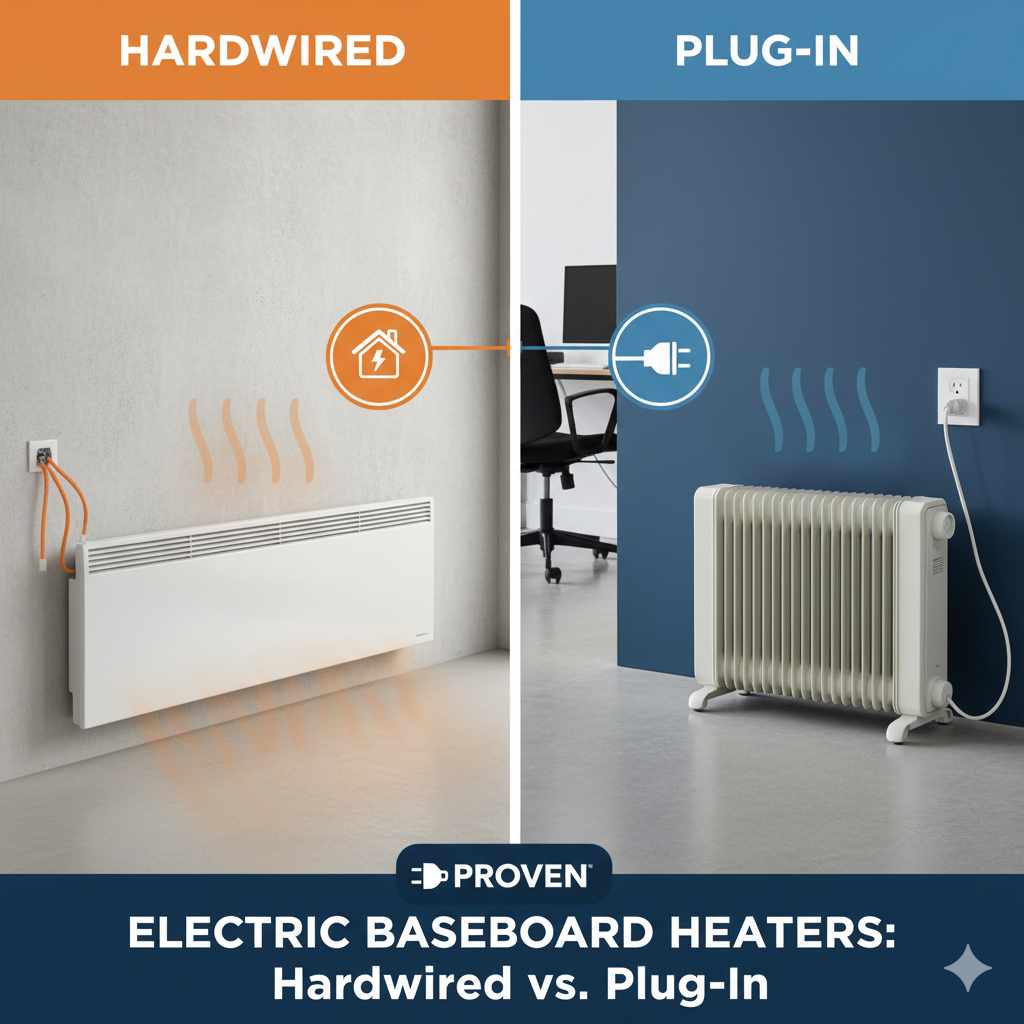
Electric Baseboard Heaters: Proven Hardwired vs. Plug-In
Electric baseboard heaters hardwired vs plug-in: Hardwired models offer more consistent, whole-room heating and are safer for permanent installation. Plug-in types are convenient for temporary or supplemental heat but may use more energy and pose potential safety risks if not used correctly.
For a related heater topic, Cove Heaters Vs Convection Heaters gives readers a useful next step.
For a related heater topic, Are Plug In Wall Heaters Any Good gives readers a useful next step.
Navigating home heating can feel like a puzzle, especially when you’re trying to figure out the best electric baseboard heater for your space. Should it be hardwired directly into your home’s electrical system, or is a simple plug-in version enough? It’s a common question and one that can make a big difference in your comfort, safety, and energy bills. Don’t worry; I’m here to break it all down in a way that’s easy to understand. We’ll explore the reliable hardwired options and the handy plug-in models, so you can make a confident choice for a warm and cozy home.
Understanding Your Electric Baseboard Heater Options: Hardwired vs. Plug-In
Choosing the right electric baseboard heater is an important step towards a comfortable home. You’ll encounter two main types: hardwired and plug-in. Each has its own strengths and is best suited for different situations. Let’s dive into what makes them different and which one might be the perfect fit for you.
What Exactly Are Electric Baseboard Heaters?
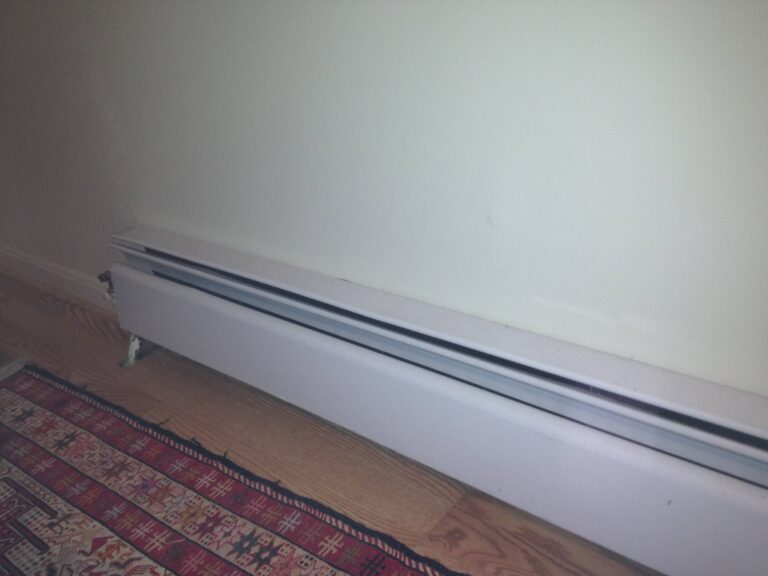
Electric baseboard heaters are fantastic for providing supplemental or primary heat in specific rooms. They work by drawing in cool air from the room, passing it over a heated electric element, and then releasing warm air back into the room. They’re typically installed along the base of a wall, making them unobtrusive and out of the way. This type of heating is popular because it’s versatile, and you can control the temperature on a room-by-room basis, potentially saving energy by only heating the spaces you use.
Hardwired Electric Baseboard Heaters: The Permanent Solution
Hardwired electric baseboard heaters are connected directly to your home’s electrical system. This means they don’t have a visible plug. Instead, a qualified electrician runs a dedicated circuit from your breaker box to the heater. This permanent installation ensures a steady, reliable power supply.
Pros of Hardwired Heaters:
Consistent Heat: Because they’re directly wired, they tend to provide a more consistent and even heat distribution throughout the room.
Enhanced Safety: Eliminating visible cords reduces tripping hazards and the risk of damage to the cord, which can be a safety concern with plug-in models. They are designed for permanent, secure installation.
Aesthetically Pleasing: Without a dangling cord, they offer a cleaner, more integrated look in your home.
Higher Wattage Potential: Hardwired heaters can often accommodate higher wattage levels, meaning they can heat larger spaces or rooms more effectively.
Thermostat Integration: Many hardwired models come with built-in thermostats or are designed to work seamlessly with wall-mounted thermostats, allowing for precise temperature control. This can lead to better energy efficiency.
Cons of Hardwired Heaters:
Professional Installation Required: You’ll need to hire a licensed electrician for installation, which adds to the initial cost.
Not Portable: Once installed, they are a permanent fixture and cannot be moved to different rooms.
May Require Electrical Upgrades: Older homes might need panel upgrades or new circuits to handle the additional load of hardwired heaters.

Plug-In Electric Baseboard Heaters: The Flexible Option
Plug-in electric baseboard heaters are designed for convenience. They come with a standard electrical cord and plug, allowing you to simply plug them into any available wall outlet. This makes them incredibly easy to set up and move around as needed.
Pros of Plug-In Heaters:
Easy Installation: No electrician needed! Just plug it in and go.
Portability: You can easily move them from room to room, providing heat where and when you need it most. This is great for renters or for targeting specific areas.
Lower Upfront Cost: Generally, plug-in models are less expensive to purchase than their hardwired counterparts.
No Major Electrical Work: You don’t need to worry about breaker boxes or dedicated circuits, making them accessible for most homes.
Cons of Plug-In Heaters:
Potential for Overloading Outlets: Using high-wattage plug-in heaters on standard outlets can potentially overload circuits, especially if other devices are running on the same circuit. Always check the heater’s wattage against your circuit’s capacity. For guidance on electrical circuits, the U.S. Department of Energy’s Energy Saver website offers useful information on electric heating.
Cord Safety Hazards: The power cord can be a tripping hazard, and damaged cords can pose a fire risk. It’s crucial to inspect the cord regularly for any signs of wear or damage.
Less Consistent Heating: Depending on the model and room size, they might not provide as even a heat distribution as hardwired units.
Limited Wattage: Plug-in heaters typically have lower wattage limits due to the limitations of standard household outlets and circuits. This means they might struggle to heat larger rooms effectively.
Thermostat Placement: If the thermostat is on the unit itself, it might not accurately reflect the room’s overall temperature, especially if furniture is blocking airflow.
Key Differences: A Side-by-Side Comparison
To help you visualize the disparities, let’s compare hardwired and plug-in electric baseboard heaters across several key features.
| Feature | Hardwired Electric Baseboard Heater | Plug-In Electric Baseboard Heater |
|---|---|---|
| Installation | Requires a licensed electrician. Direct connection to the home’s electrical system. | Simple; plug into a standard wall outlet. No professional help needed. |
| Portability | Not portable; a permanent fixture. | Highly portable; can be moved between rooms. |
| Safety | Generally considered safer due to no exposed cords and dedicated circuits. | Cord can be a tripping hazard. Risk of outlet overload if not used cautiously. |
| Heat Consistency | Provides more even, consistent heat distribution. | Heat can be less consistent; depends on placement and wattage. |
| Wattage/Heating Power | Can accommodate higher wattages for more powerful heating. | Typically lower wattage due to standard outlet limitations. |
| Aesthetics | Sleek, integrated look; no visible cords. | Cord can be unsightly and may detract from room decor. |
| Cost | Higher upfront cost due to heater and professional installation. | Lower upfront cost for the heater itself. |
| Energy Efficiency | Potentially more efficient with integrated/wall thermostats for precise control. | Efficiency depends on usage and thermostat accuracy. Risk of overuse if not monitored. |
| Suitability | Primary heating for rooms, main living areas, long-term installations. | Supplemental heat, smaller rooms, temporary heating needs, rentals. |
When to Choose a Hardwired Electric Baseboard Heater
Hardwired heaters are an excellent choice when you need a reliable, powerful, and permanent heating solution for a specific area.
Ideal Scenarios for Hardwired:
Primary Heating Source: If you’re using electric baseboard heaters as the main way to keep a room warm, hardwired is usually the best bet. They provide more robust and consistent heat output.
Living Areas and Bedrooms: For rooms where comfort is paramount and heat needs to be steady and reliable, a hardwired unit is ideal.
When Aesthetics Matter: If you prefer a clean, built-in look and want to avoid visible cords, hardwiring is the way to go.
Safety is a Top Priority: For homes with children, pets, or elderly individuals, eliminating tripping hazards from cords is a significant safety advantage.
Larger Rooms: Higher wattage capabilities of hardwired heaters make them more effective for larger spaces.
Rental Property with Owner Approval: If you own the property and want to add permanent, integrated heating that adds value and provides consistent comfort for future occupants.
Renovations or New Construction: This is the perfect time to install hardwired heaters, as electrical work can be integrated seamlessly into the building process.
The Installation Process for Hardwired Heaters
While you’ll need a professional, understanding the basic steps can give you peace of mind.
1. Consultation with Electrician: A qualified electrician will assess your home’s electrical panel, determine the appropriate circuit breaker size, and identify the best location for the heater and its wiring.
2. Running Wires: The electrician will run appropriate gauge electrical wires from the breaker box to the intended location of the baseboard heater. This often involves running wires through walls or crawl spaces.
3. Mounting the Heater: The baseboard heater unit is securely mounted to the wall, usually along the baseboard.
4. Connecting the Wires: The wires are then connected to the heater’s terminals. This includes connecting the hot, neutral, and ground wires.
5. Thermostat Connection (if applicable): If the heater doesn’t have a built-in thermostat or if you’re using a separate wall thermostat, wiring will be completed to connect these components.
6. Testing: Once everything is connected, the electrician will turn on the circuit to ensure the heater is working correctly and safely. They’ll check for proper heat output and thermostat function.
For detailed guidance on home electrical safety, the Consumer Product Safety Commission (CPSC) offers valuable resources.
When to Choose a Plug-In Electric Baseboard Heater
Plug-in heaters shine when flexibility and ease of use are your primary concerns. They are perfect for quick, temporary, or localized heating solutions.
Ideal Scenarios for Plug-In:
Supplemental Heat: If your central heating system is just not cutting it in a particular room, a plug-in baseboard heater can provide that extra boost of warmth.
Renters: Since you can’t make permanent alterations to a rented property, plug-in heaters are a fantastic, non-damaging way to add heat.
Damp or Humid Areas (with caution): Some smaller plug-in units can be useful in situations like a basement workshop or a small, infrequently used bathroom that needs a bit of drying out. However, always ensure the unit is rated for such environments and never leave it unattended. Temporary Heating: Need heat for a guest room for a weekend? Or a home office that gets chilly in the afternoon? A plug-in unit is perfect for this.
Small Rooms or Zones: For small spaces like a powder room, a small home office, or an entryway that needs occasional warmth, smaller plug-in models can work well.
Budget-Conscious Users: If you need immediate heat and don’t want the expense of professional installation, a plug-in heater is a more affordable starting point.
Testing a Space: If you’re unsure whether a room needs permanent heating, a plug-in unit can allow you to test its effectiveness and your heating needs before committing to a hardwired installation.
Getting the Most Out of Your Plug-In Heater Safely
Safety and efficiency are key with plug-in models.
1. Inspect the Cord and Plug: Before every use, check the power cord and plug for any fraying, cuts, or damage. If you find any, do not use the heater and consider replacing it.
2. Use a Suitable Outlet: Plug the heater directly into a wall outlet. Avoid using extension cords, as they can overheat and pose a fire risk, especially with high-wattage appliances. If an extension cord is absolutely unavoidable for a low-wattage unit (and this is strongly discouraged), use one specifically rated for the heater’s wattage and keep it as short as possible.
3. Understand Circuit Load: Be aware of what else is on the same electrical circuit. Plugging a high-wattage heater into a circuit already struggling with other appliances can trip the breaker or, worse, create a fire hazard. A typical 1500-watt heater draws about 12.5 amps, which is close to the limit of a standard 15-amp household circuit. For more on understanding home electrical loads, resources from electrical safety organizations can be helpful.
4. Placement is Crucial: Ensure the heater is placed on a level surface and is at least 3 feet away from curtains, furniture, bedding, and other flammable materials. Never place it where it could be covered by anything.
5. Never Leave Unattended: For safety reasons, it’s best practice not to leave plug-in electric heaters running unattended, especially overnight or when you leave the house.
6. Keep Away from Water: Do not use plug-in heaters in bathrooms, laundry rooms, or any area where they might come into contact with water.
7. Regular Cleaning: Dust and debris can accumulate inside the heater, reducing efficiency and potentially posing a fire hazard. Follow the manufacturer’s instructions for cleaning.
Understanding Wattage and Room Size
The power of any electric baseboard heater, whether hardwired or plug-in, is measured in watts. The higher the wattage, the more heat it can produce. Choosing the right wattage for your room is crucial for effective and efficient heating.
General Guidelines for Wattage:
A common rule of thumb is to use 10 watts per square foot for basic heating needs.
Small Room (e.g., Powder Room, Small Office, ~100 sq ft): Approximately 1000 watts.
Medium Room (e.g., Bedroom, ~150 sq ft): Approximately 1500 watts.
Larger Room (e.g., Living Room, ~200 sq ft): Approximately 2000 watts.
Factors that affect wattage needs:
Ceiling Height: Higher ceilings mean more air volume to heat.
Insulation: Poorly insulated rooms or homes will require more wattage.
Window Size and Type: Large or old, drafty windows increase heat loss.
Climate: Colder climates may require higher wattage.
Desired Temperature: How warm do you want the room to be?
For plug-in models, pay close attention to the maximum wattage the heater outputs and ensure it’s compatible with your intended room size and electrical outlet capacity. For hardwired units, you have more flexibility to select higher wattages suitable for larger spaces.
Built-in Thermostats vs. Wall Thermostats
A significant advantage of electric baseboard heating is the ability to control each zone individually. This is typically done using thermostats.
Built-in Thermostats
Many electric baseboard heaters, especially plug-in models and some hardwired ones, come with a thermostat integrated directly into the unit.
Pros: Convenient, easy to adjust directly on the heater. Lower cost as it’s part of the unit.
Cons: The thermostat sensor can be affected by the heat rising directly from the element, potentially leading to inaccurate room temperature readings. Furniture or drapes placed in front of the heater can also block airflow and skew the thermostat’s perception of the room’s temperature.
Wall Thermostats
Hardwired units are often designed to work with external, wall-mounted thermostats. These can be simple dial thermostats or more advanced programmable or smart thermostats.
Pros: More accurate temperature readings as they are placed away from the direct heat of the unit and in a more representative location in the room. Programmable and smart thermostats allow for scheduling, energy savings, and remote control. They offer a cleaner look integrated within the wall.
Cons: Higher initial cost due to the separate thermostat unit and potentially more complex installation.
For optimal energy savings, using a programmable or smart thermostat with your hardwired heaters is highly recommended. You can set schedules to lower the temperature when you’re asleep or away, significantly reducing energy consumption.
For more information on energy-efficient heating, explore the ENERGY STAR program, which highlights certified, energy-saving heating equipment.
Safety First: Essential Precautions for All Electric Baseboard Heaters
Regardless of whether you choose hardwired or plug-in, safety should always be your top priority. Here are some universal safety tips:
Read the Manual: Always read and follow the manufacturer’s installation and operating instructions.
Keep Clearances: Ensure there’s ample space around the heater. Most manufacturers recommend at least 12 inches of clearance above and in front of the unit and 6 inches at the bottom. Never block the air intake or outlet.
Regular Inspections: Periodically check the heater, its cord (if applicable), and the surrounding area for any signs of wear, damage, or unusual smells.
Approved Uses Only: Use heaters only for their intended purpose and in intended locations. Do not use them to dry clothes or as a substitute for a clothes dryer.
Child and Pet Safety: Be extra vigilant if children or pets are in the home. Ensure they cannot touch the hot surfaces or tamper with controls.
Never Immerse in Water: Electric heaters are not designed to be used near water.
Qualified Repairs: If a heater seems to be malfunctioning, do not attempt to repair it yourself, especially if it’s a hardwired unit. Contact a qualified electrician or the manufacturer.
Frequently Asked Questions About Electric Baseboard Heaters
Here are some common questions homeowners have about electric baseboard heaters.
Q1: Can I install a hardwired electric baseboard heater myself?
It is strongly recommended that you have a qualified, licensed electrician install hardwired electric baseboard heaters.